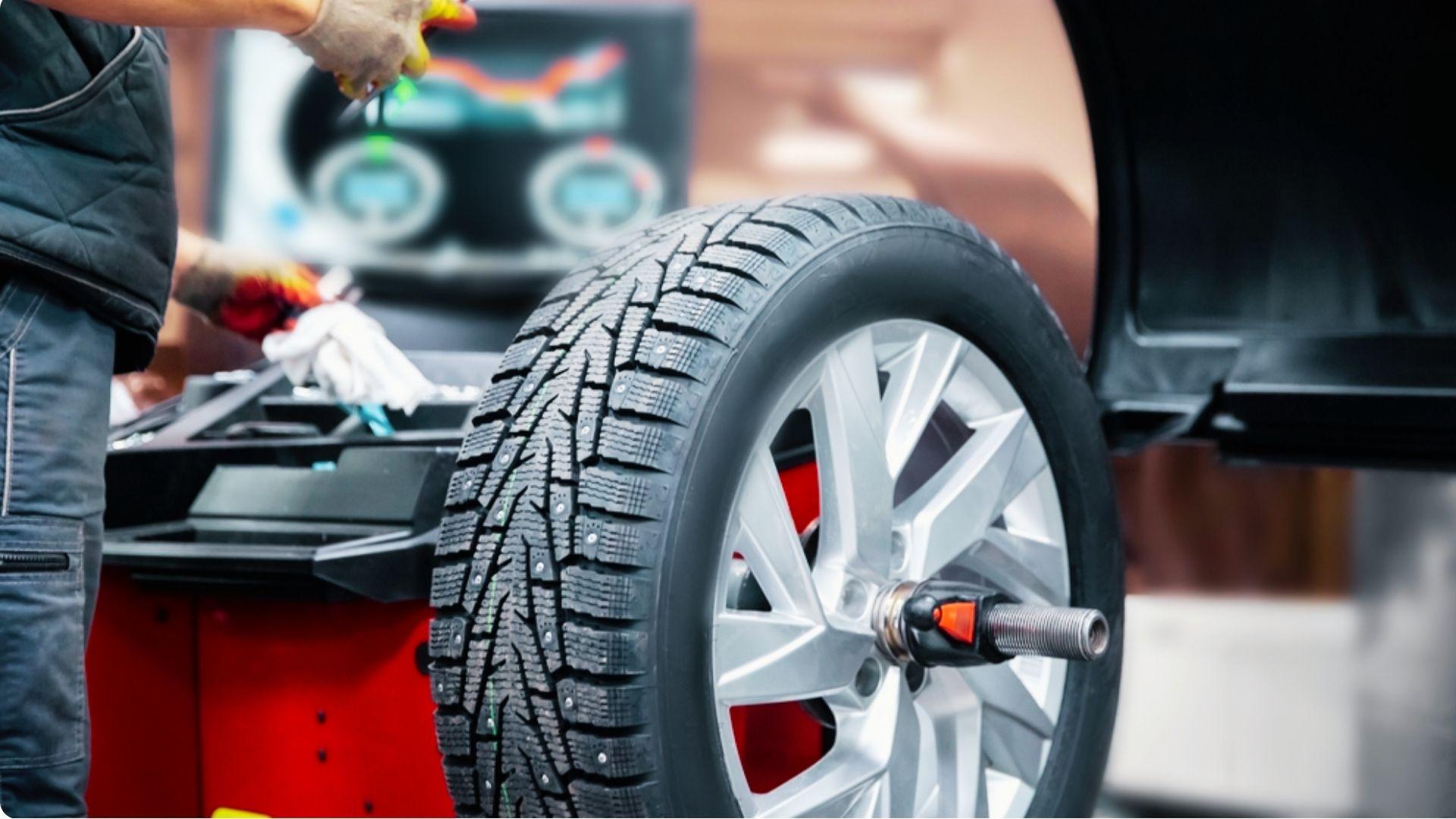

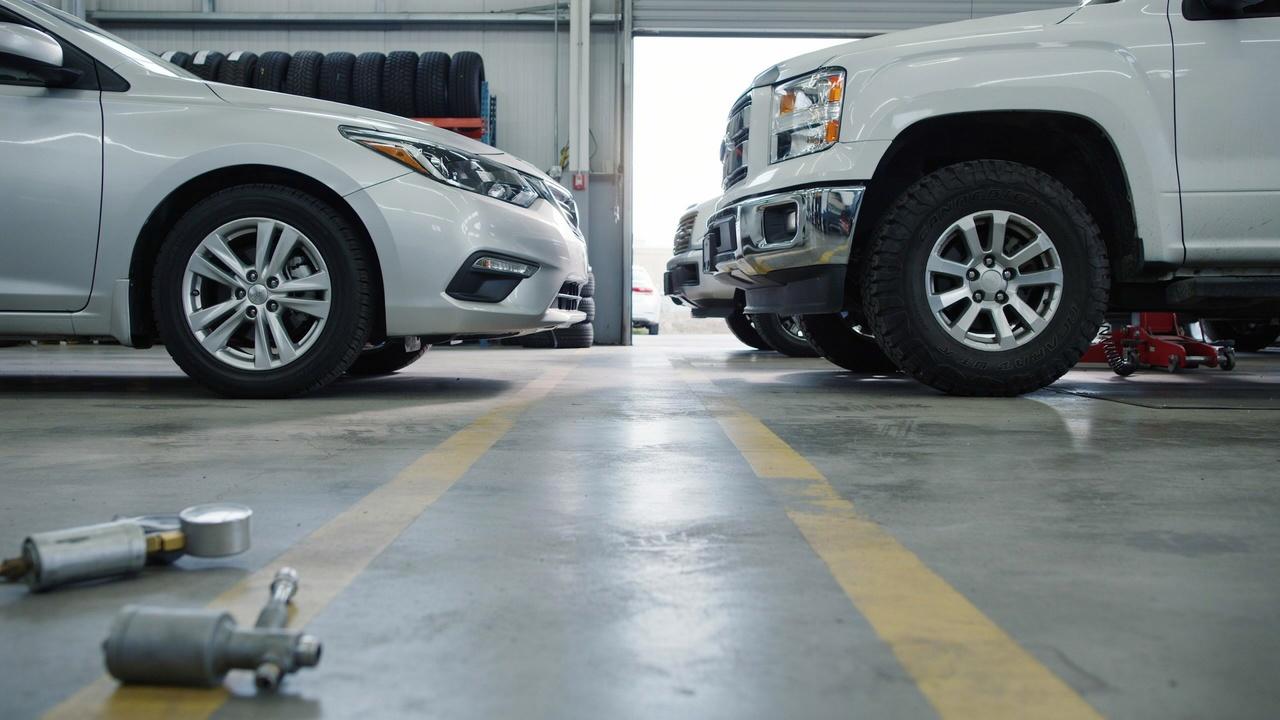
Picking the right tire can feel confusing, especially when you are not sure what your vehicle actually needs.
Passenger tires and light truck tires are not the same, and using the wrong one can affect comfort, safety, and cost.
In this guide, we will break down the real differences between the two.
You will learn about construction, load capacity, ride comfort, and towing performance.
We will also cover when passenger tires can work on a truck, how to choose the right tire for your needs, and simple tips to help your tires last longer.
I have spent time researching and comparing tires firsthand, so this guide is based on real facts, not guesswork.
By the end, you will know exactly which tire fits your driving style.
What is a Passenger Tire?

A passenger tire is built for cars, SUVs, minivans, and small trucks used for personal transport.
It is made to handle daily driving on highways, city streets, and local roads.
These tires focus on a smooth ride, good grip, and low noise.
They also support fuel efficiency and easy handling for everyday drivers.
Passenger tires come in different types, such as all season, summer, and winter tires.
Each type works best in certain weather and road conditions.Compared to truck or commercial tires, passenger tires are lighter and carry less weight.
They are made mainly for comfort and regular use rather than heavy loads.
What is a Light Truck (LT) Tire?
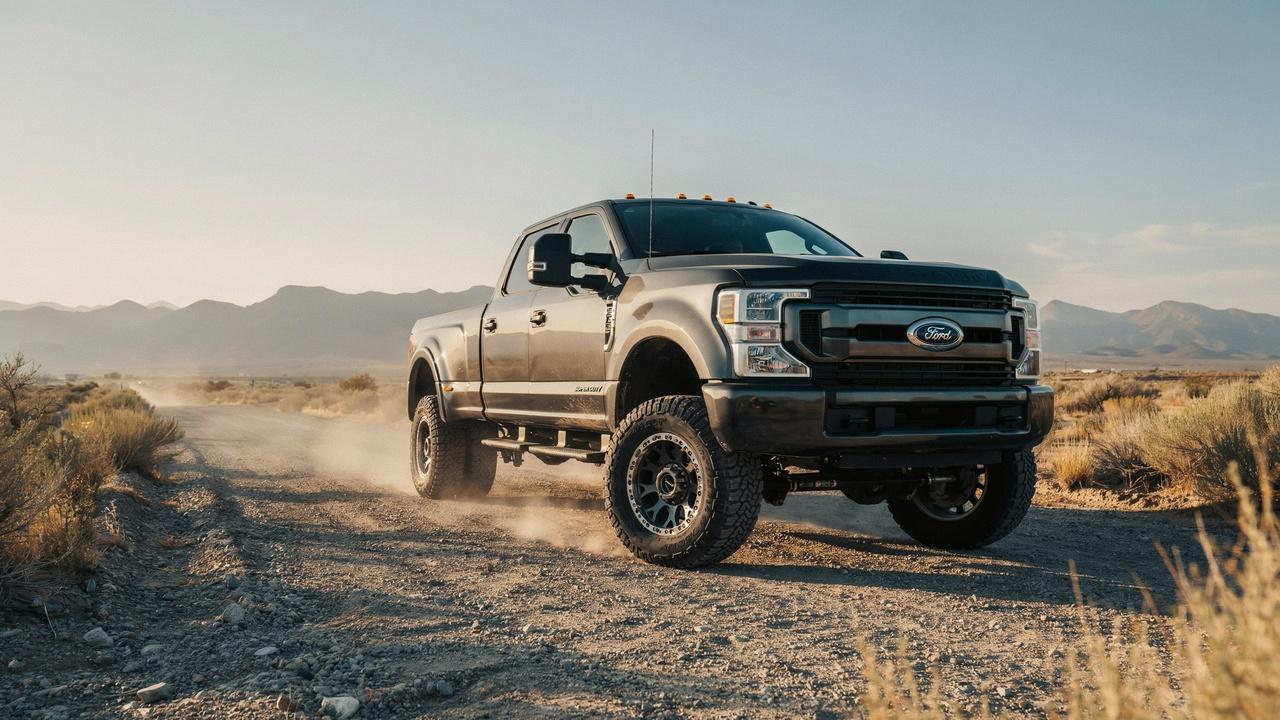
"LT" stands for Light Truck. These tires are made for pickup trucks, vans, and SUVs that carry heavy gear or pull trailers.
LT tires have thicker sidewalls and extra layers inside.
This gives them a higher load rating than regular passenger tires.
They can handle more weight without wearing out fast.
People use LT tires for towing boats, hauling tools, or driving on rough roads.
They hold up well under pressure and stay stable when the truck is loaded.
You can spot an LT tire by the letters "LT" printed before the size on the sidewall.
This marking tells you the tire meets a higher strength standard set for trucks.
Passenger Tires vs Light Truck Tires
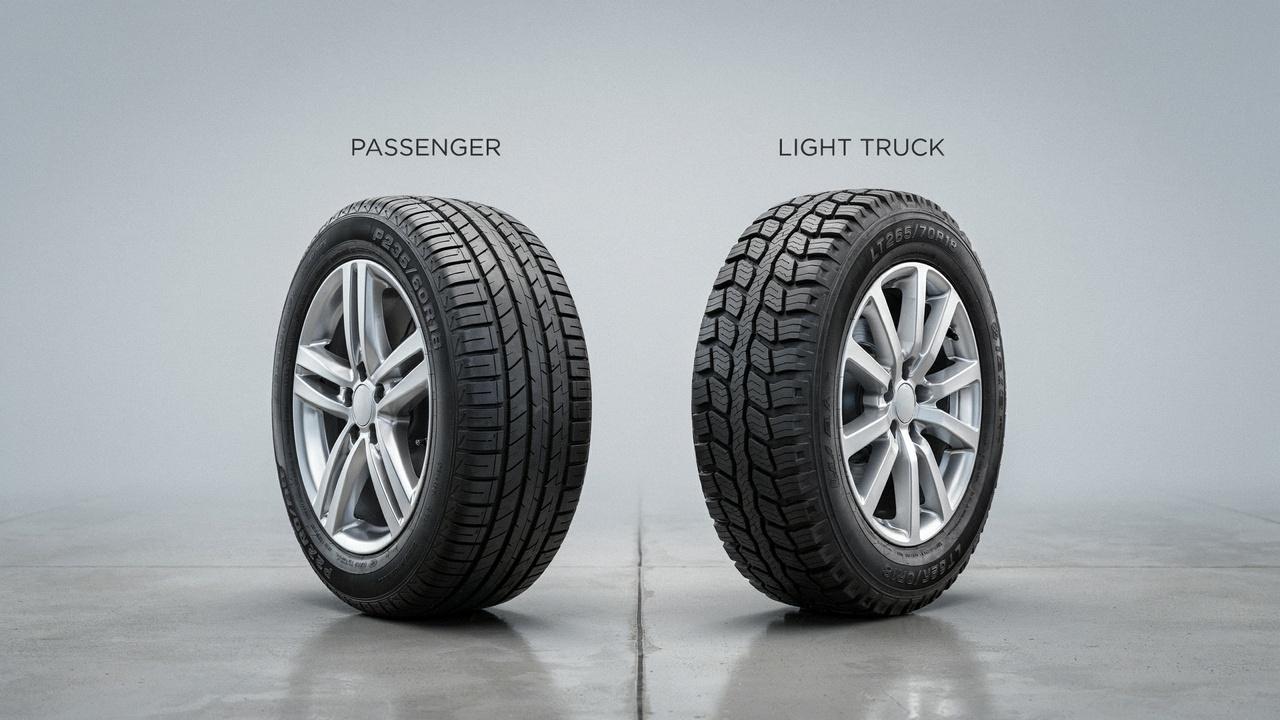
Passenger tires and light truck tires look similar, but they are built for different jobs.
Knowing how they differ helps you avoid problems down the road.
Construction and Load Capacity
Passenger tires use lighter materials made for cars and small SUVs. They focus on a smooth ride rather than carrying heavy loads.
Light truck tires use stronger sidewalls and extra layers inside.
This lets them carry more weight and handle rough roads without trouble.
Ride Comfort and Fuel Economy
Passenger tires give a softer ride because of their lighter build. They also tend to use less fuel over time.
Light truck tires feel firmer on the road. The added strength can mean slightly higher fuel use.
Towing and Off-Road Performance
Light truck tires handle towing better thanks to their tougher build. They also grip loose or uneven ground with more control.
Passenger tires are not made for towing. They can wear out fast if used for heavy loads or rough terrain.
Durability and Cost
Light truck tires last longer under heavy use. They cost more upfront but can save money over time for truck owners.
Passenger tires are cheaper and lighter. They work fine for daily driving but wear faster under heavy strain.
Passenger Tire vs LT Tire Comparison Table
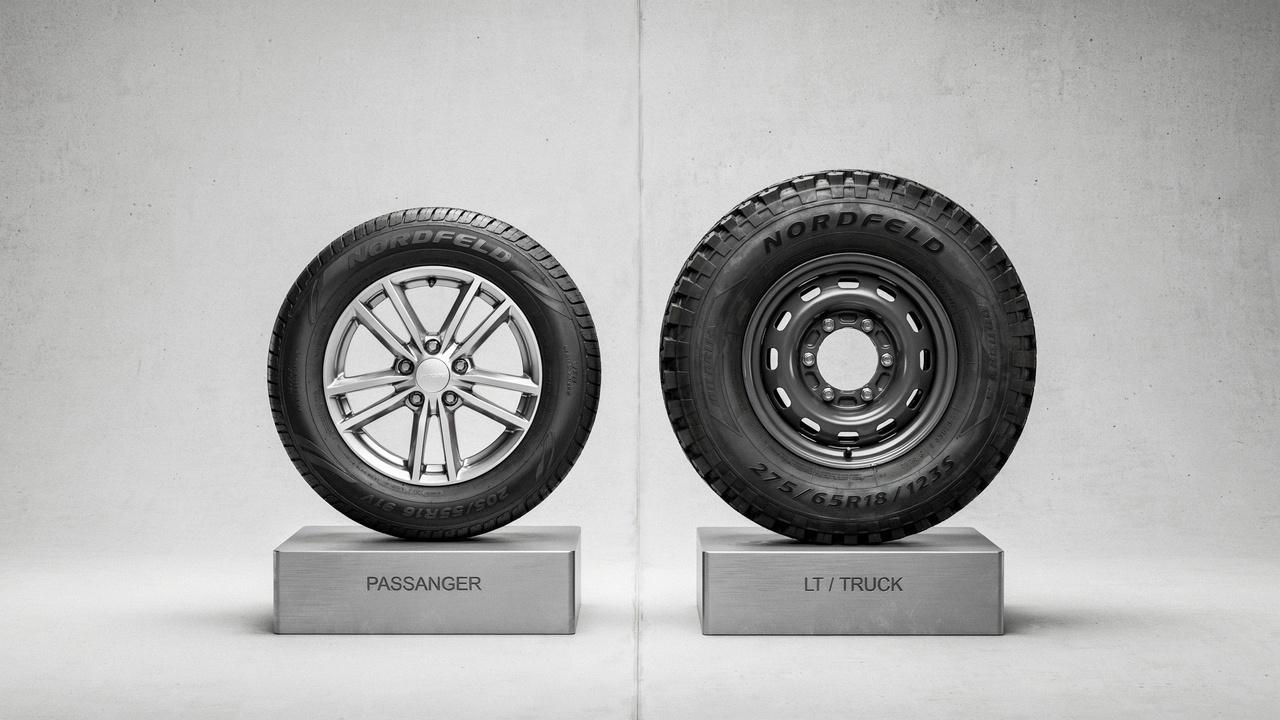
A side-by-side look at how passenger tires and LT tires differ in strength, comfort, and load capacity.
Key Differences at a Glance
| Feature | Passenger Tire | LT Tire |
|---|---|---|
| Load Capacity | Lower | Higher |
| Ride Comfort | Softer | Firmer |
| Sidewall Strength | Standard | Reinforced |
| Towing Support | Not recommended | Built for it |
| Fuel Use | Lower | Slightly higher |
| Price | Lower | Higher |
| Best For | Cars, small SUVs | Trucks, heavy-duty SUVs |
Can You Use Passenger Tires on a Truck?

Passenger tires can work on light trucks for everyday driving, but they are not safe for towing or heavy loads.
When It Is Safe
Some small trucks or light SUVs can use passenger tires if the load stays light.
Always check the weight rating on the door sticker first.
If the vehicle is used mostly for daily driving without towing, passenger tires may work fine.
Risks and Limitations
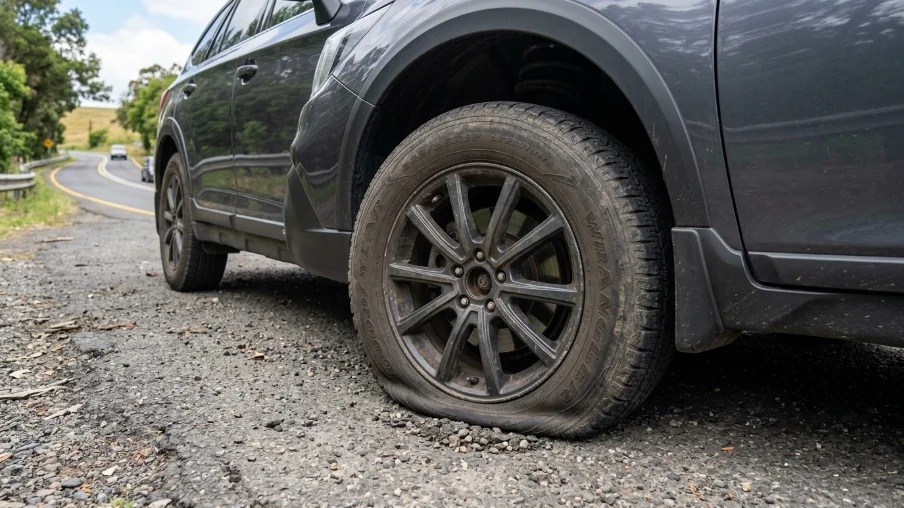
Passenger tires can wear out fast or even fail under heavy loads. They are not built for rough trails or trailer weight.
Using the wrong tire can also affect handling and braking.
This raises real safety concerns for drivers.
How to Choose Between Passenger and LT Tires
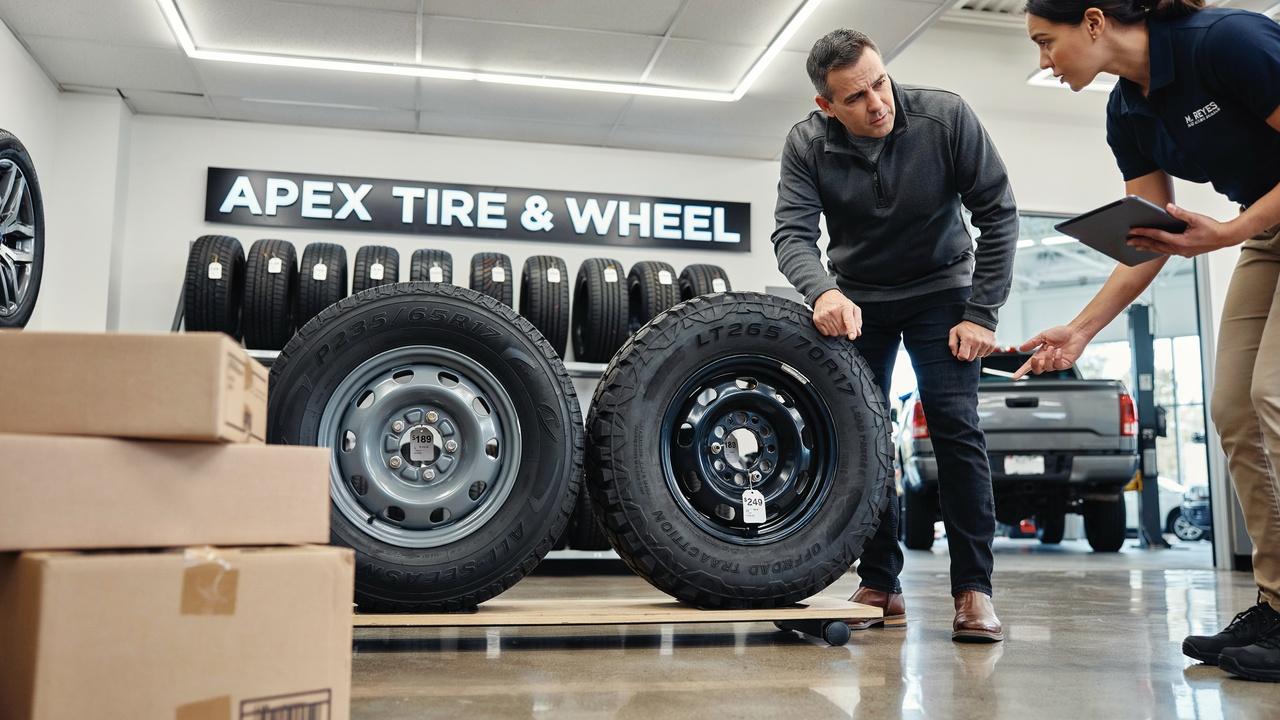
Choosing between passenger and LT tires comes down to how you drive, whether you tow loads, and the roads you travel most go with passenger tires if you mostly drive in the city or on highways, want a smoother ride and better fuel economy, and don't tow heavy loads or drive off-road often, but choose LT tires instead if you regularly tow trailers or carry heavy loads, drive on rough or unpaved roads often, or simply need stronger tires built to handle more weight.
Tips for Maintaining Passenger Tires and LT Tires
Good maintenance, like checking pressure and rotating tires often, helps both passenger and LT tires last longer and stay safe.
- Check tire pressure once a month and before long trips, since low or high pressure causes uneven wear.
- Rotate tires every 5,000 to 7,000 miles to help them wear evenly across all four positions.
- Inspect tread depth often to catch wear early before it turns into a bigger problem.
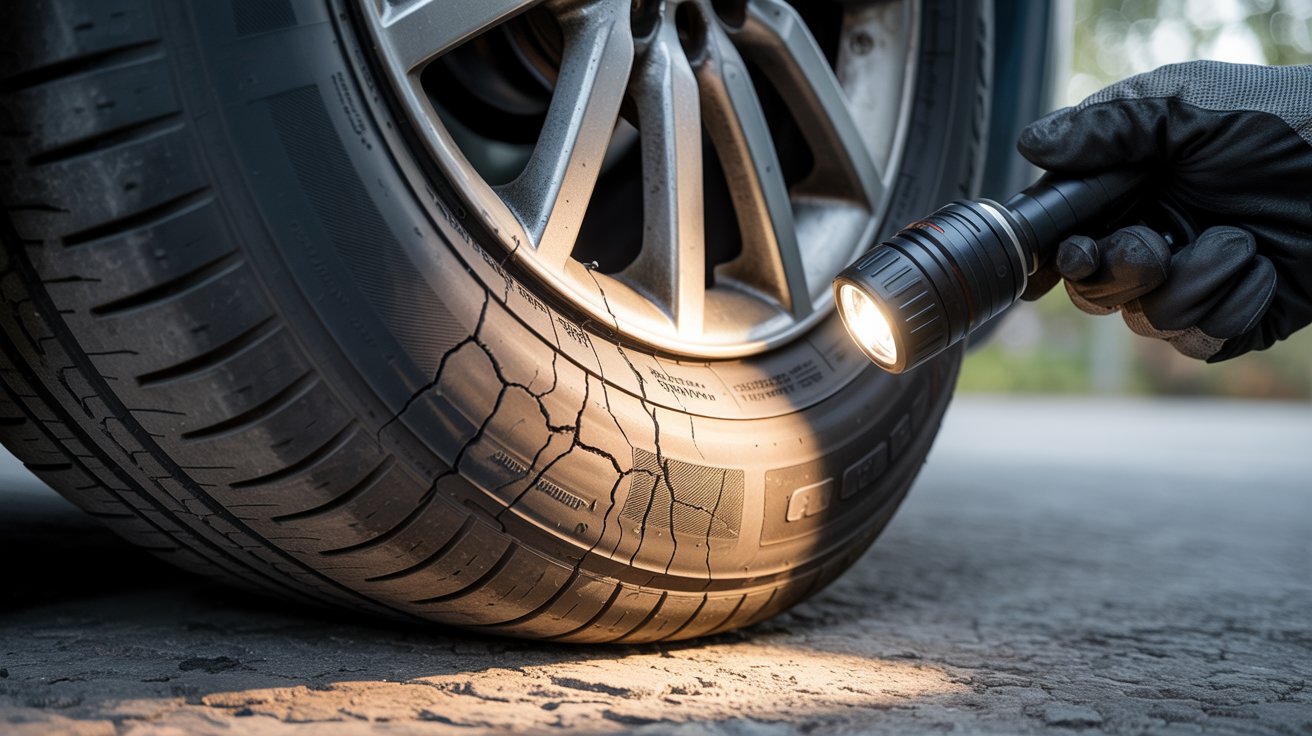
- Look for cracks or bulges on the sidewalls, as these signs often point to hidden damage.
- Replace tires once tread wears down or damage shows up, since worn tires affect grip and braking.
Conclusion
Choosing between passenger tires and light truck tires really just comes down to knowing how you drive.
I learned this the hard way after putting passenger tires on a truck I used for hauling firewood, and they wore out way faster than I expected.
Lesson learned. Think about your daily routes, your loads, and your budget before you decide.
Got questions about your own setup? Drop a comment below, I'd love to help.
And if this guide helped you out, share it with a friend who's tire shopping too.
Frequently Asked Questions
What is the main difference between passenger tires and LT tires?
Passenger tires are built for cars and light driving, while LT tires are made for trucks carrying heavy loads. LT tires have stronger sidewalls and can handle more weight.
Can I put LT tires on my car?
It is not a good idea, since LT tires are heavier and stiffer than passenger tires. This can affect your car's ride, fuel use, and handling.
Do passenger tires wear out faster than LT tires?
Yes, passenger tires often wear faster when used for towing or heavy loads. LT tires are built to handle that kind of strain better.
How do I know which tire is right for my vehicle?
Check your vehicle's manual or the sticker inside the door for the recommended tire type. Also think about how you use your vehicle day to day.
Is it safe to mix passenger and LT tires on the same vehicle?
Mixing tire types is not recommended, since it can cause uneven handling and braking. It is best to use the same tire type on all four wheels.