
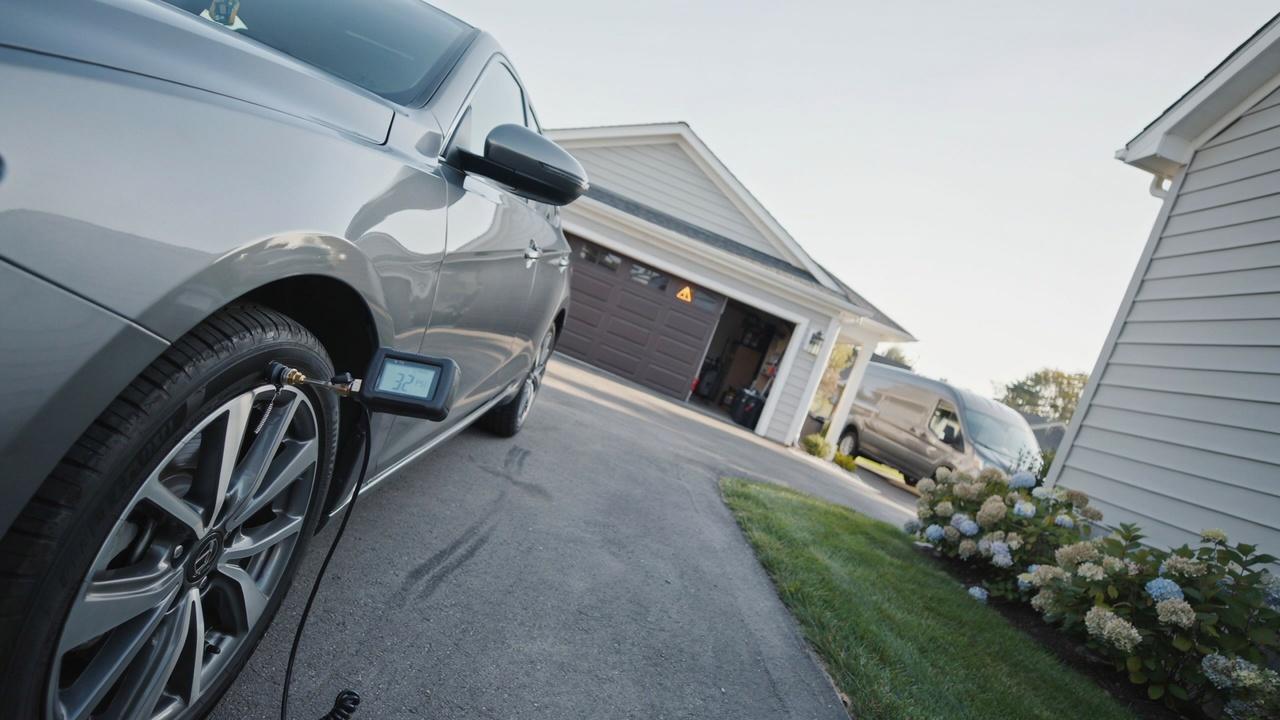
Most drivers don't think about tire pressure until something feels off.
A pull to one side, a flat-looking tire, or a sudden jump in fuel costs are usually the first signs.
I've made that mistake myself, and it cost me a flat tire on a busy highway. This guide is here to fix that.
You'll learn exactly how often to check your tire pressure, why it matters, and what the right number looks like for your car.
We'll also cover how weather changes things, the right way to check it, and simple habits that make it part of your routine.
No guesswork, just clear steps you can trust.
How Often Should You Check Your Tire Pressure?

Check your tire pressure once a month. Tires lose air slowly over time, even with no leak. Check before long road trips too. Long drives put extra stress on your tires.
Temperature affects pressure as well. Cold weather lowers it, so check more often in winter. Hot weather can raise it, so keep watch in summer too.
If your car pulls to one side, check your tires right away. This often means low pressure. A tire gauge makes this easy. Many cars also have a built-in sensor.
Compare the reading to the number in your owner's manual or door sticker. Make this a regular habit. It takes just a few minutes and keeps you safe on the road.
Why Should You Check Your Tire Pressure Regularly?

Regular tire pressure checks keep your car safe, save fuel, extend tire life, and prevent sudden blowouts on the road.
Improved Driving Safety and Vehicle Handling
Properly filled tires grip the road better. Your car turns, brakes, and stays steady the way it's supposed to.
Low pressure makes steering feel loose and slow to respond, which can be a real problem in wet or icy conditions.
Better Fuel Economy
Underinflated tires create more drag as they roll. Your engine has to work harder to push the car forward.
That extra effort shows up at the gas pump, often without you noticing why.
Longer Tire Life
Tires wear out faster when they're not at the right pressure. Low pressure wears the outer edges.
High pressure wears the middle.
Keeping pressure correct spreads the wear evenly, so your tires last longer.
Lower Risk of Tire Blowouts
Low pressure causes tires to flex more than they should.
That flexing builds up heat, and too much heat can lead to a blowout, especially on long drives or hot days.
A quick check before a trip lowers that risk.
What is the Recommended Tire Pressure for Your Vehicle?

Finding the correct tire pressure for your vehicle helps maintain safety, comfort, and performance during every single drive each day.
Finding the Correct Tire PSI
The recommended PSI is usually printed inside the driver's door, on the door frame, and some owner's manuals list it too this number is set for your exact car, not just any tire.
Note that the number on the tire's sidewall is the maximum pressure that tire can hold, not the recommended pressure for your car, so always follow the door sticker, not the tire itself.
Why Front and Rear Tire Pressures May Differ
Many vehicles need different pressure for the front and rear tires because weight isn't spread evenly across the car.
Engines, fuel tanks, and cargo all shift the load, so the recommended PSI reflects that balance.
How to Check Tire Pressure Correctly
Checking tire pressure correctly involves using the right tools, proper timing, and simple steps for an accurate reading.
Tools You Need to Check Tire Pressure

A simple tire pressure gauge is all you need.
Digital gauges give a clear number, while dial gauges work just as well with a bit of practice.
Many gas stations also have built-in gauges at the air pump.
Why You Should Check Tire Pressure When Tires are Cold

Driving heats up the air inside your tires, which raises the pressure reading.
For an accurate result, check pressure before driving, or after the car has been parked for at least three hours.
Step for Tire Pressure Check

Remove the valve cap, press the gauge firmly onto the valve stem, and read the number.
Compare it to the recommended PSI on the door sticker. Add or release air as needed, then replace the valve cap.
What Happens if You Don't Check Your Tire Pressure?

Skipping tire pressure checks can lead to poor handling, faster tire wear, lower fuel efficiency, and a higher blowout risk.
Signs of Underinflated Tires
The car may feel sluggish or harder to steer.
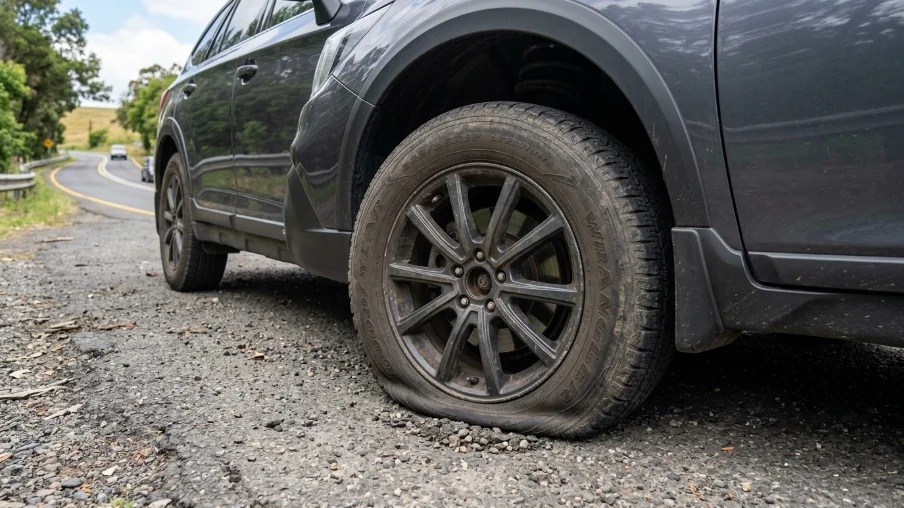
You might notice the tires look slightly flat at the bottom, or that fuel costs have crept up without a clear reason.
Signs of Overinflated Tires
Overinflated tires often feel stiff, and the ride can feel bumpy or harsh.
The tire may wear more in the center than the edges, and the car can bounce more on rough roads.
Common Safety Risks of Incorrect Tire Pressure
Wrong pressure, whether too high or too low, affects braking distance and grip.
In poor weather, this raises the chance of skidding or losing control.
It also raises the chance of sudden tire failure at high speed.
How Weather and Temperature Affect Tire Pressure
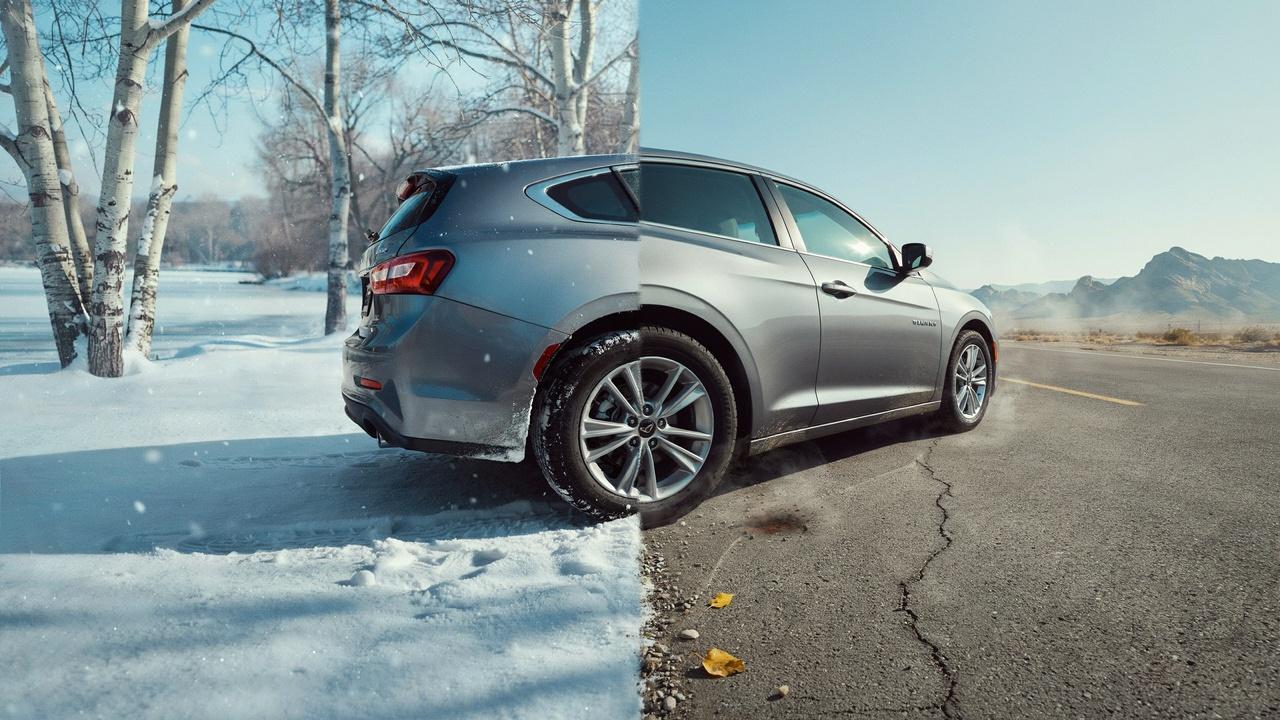
Cold weather shrinks the air in your tires and lowers pressure (about 1 PSI per 10°F drop), while hot weather expands it and raises pressure so check tire pressure when tires are cold for the most accurate reading, and make it a habit to check monthly and before each season change.
Tire Pressure Maintenance Tips for Everyday Drivers
Simple habits like monthly checks and pre-trip inspections help drivers maintain proper tire pressure without much extra effort each time.
Good tire care doesn't need to be complicated. A few small habits go a long way.
- Pick a regular day, like the first of the month, and check all four tires on that date.
- Keep a small gauge in your glove box so you're always ready to check pressure.
- Use gas station air pumps to check pressure during fuel stops, since most stations have one nearby.
- Take a few extra minutes before any long road trip to check every tire, including the spare.
- Don't skip the spare tire. It loses pressure too, and a flat spare won't help when you actually need it.
Conclusion
I'll be honest, I used to ignore my tire pressure too, until a flat tire on a highway taught me better.
Now it's part of my monthly routine, right along with checking the oil. It takes five minutes and saves real money down the line.
So next time you're near an air pump, give your tires a quick check.
Got a tire pressure tip of your own? Drop it in the comments, share this with a friend who needs the reminder, and check out our other car care guides.
Frequently Asked Questions
How often should I check my tire pressure?
Check your tire pressure at least once a month. It's also smart to check before any long road trip.
What is the right tire pressure for my car?
The correct PSI is listed on a sticker inside your driver's door. This number is set specifically for your vehicle.
Can I check tire pressure right after driving?
It's better to wait. Driving heats up the air inside tires, which gives a higher reading than the actual pressure.
Does cold weather really affect tire pressure?
Yes, cold air causes tires to lose pressure. A drop of about 10 degrees Fahrenheit can lower PSI by roughly one point.
What happens if I drive on underinflated tires?
Underinflated tires wear out faster and use more fuel. They also raise the risk of overheating and sudden blowouts.