
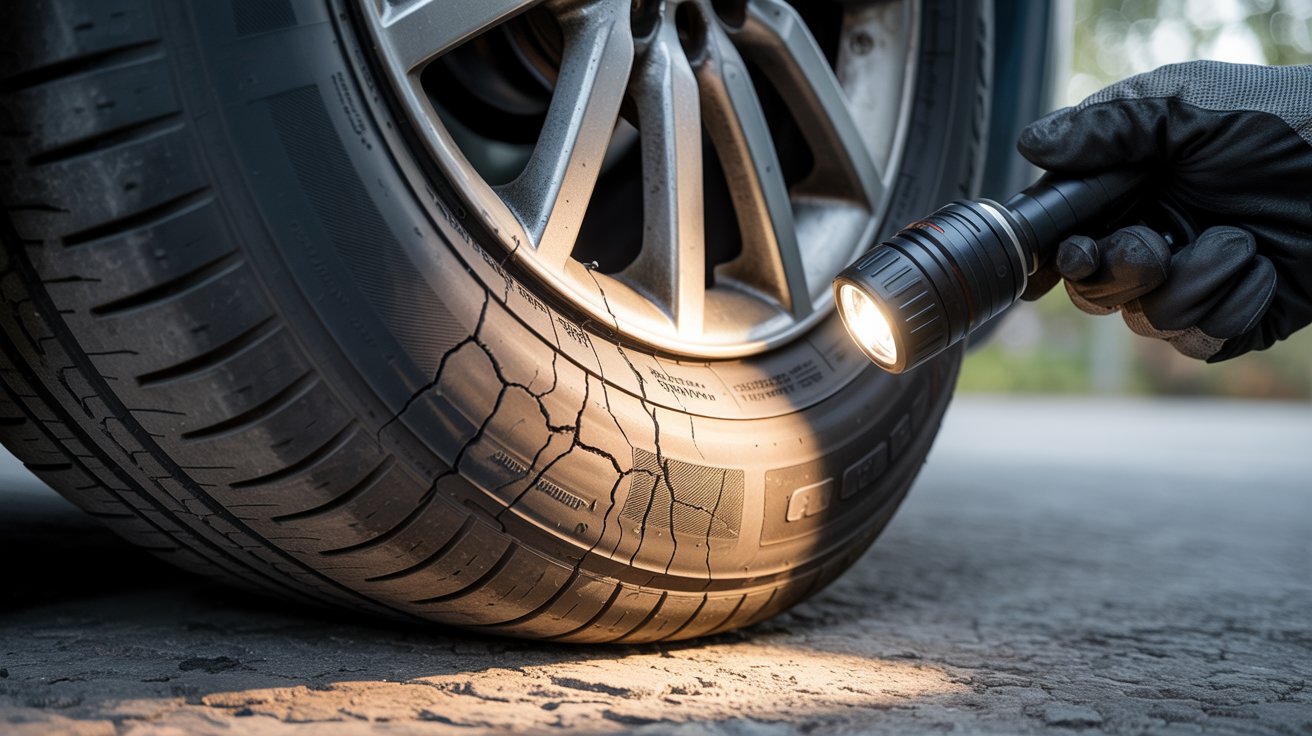
Noticed small lines on your tire's sidewall? You're not alone.
Tire sidewall cracking is one of the most common issues drivers spot, and it often raises a simple question: is my tire still safe?
This guide breaks it down for you. We'll cover what causes cracking, how to tell minor cracks from serious ones, and when it's time to replace a tire.
You'll also learn about dry rot, blowout risk, and easy ways to prevent damage. I've dealt with cracked tires myself, so I know how confusing it can feel.
This article uses real tire care knowledge, not guesswork.
By the end, you'll know exactly what to check and what steps to take next.
What is Tire Sidewall Cracking?

Tire sidewall cracking is a sign of tire wear. It happens when small cracks form on the rubber along the side of the tire.
This usually points to dry or aging rubber. Heat, sunlight, and time can all play a part.
Tires that sit unused for long periods crack more easily. Cracks can be shallow or deep. Shallow ones affect just the surface. Deep ones can lead to air loss or a blowout.
Check your tires often. If you spot cracks, have a tire professional take a look to see if the tire is still safe to use.
Tire Sidewall Cracking Chart Severity Guide
Sidewall cracks come in different stages. Knowing which stage your tire is in can help you avoid a dangerous situation on the road.
Minor Cracks (Safe to Monitor)
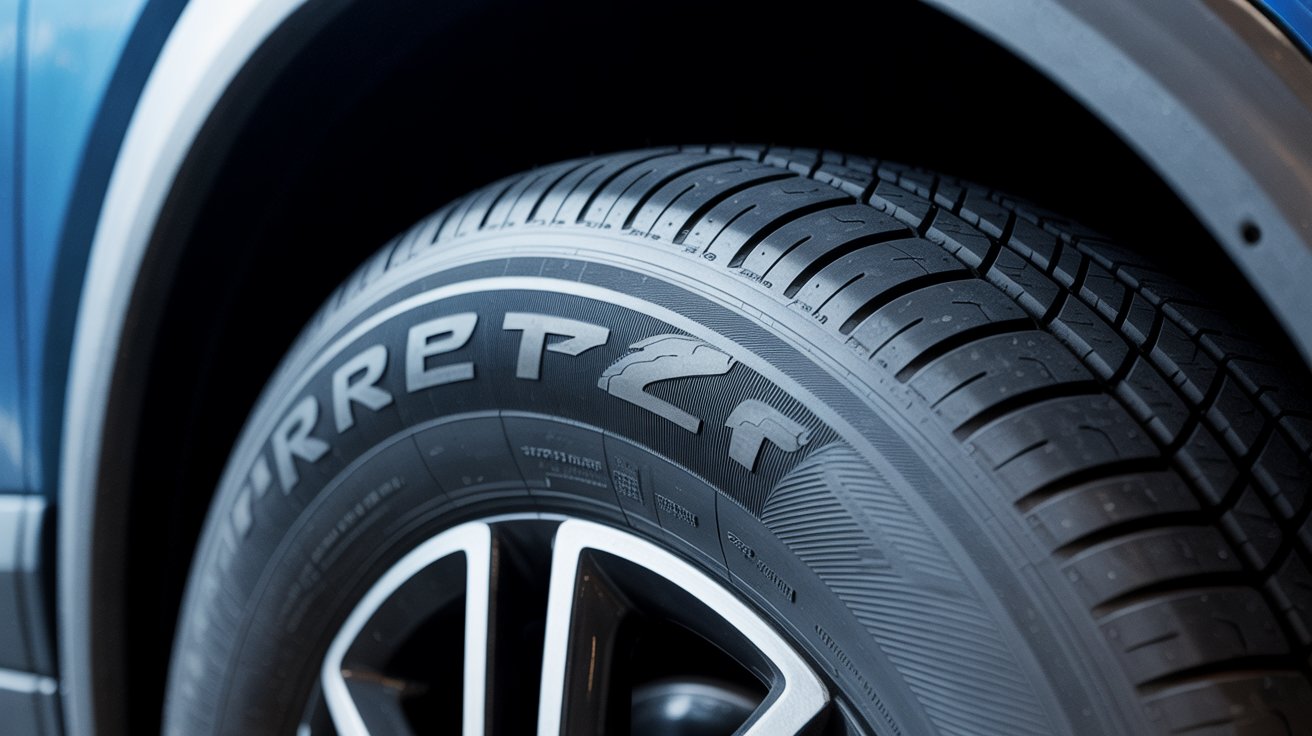
Minor cracks are small, shallow lines on the surface of the rubber.
They usually don't go deep and don't affect how the tire performs.
You can keep driving, but check them every few weeks to make sure they aren't getting worse.
Moderate Cracks (Early Dry Rot)
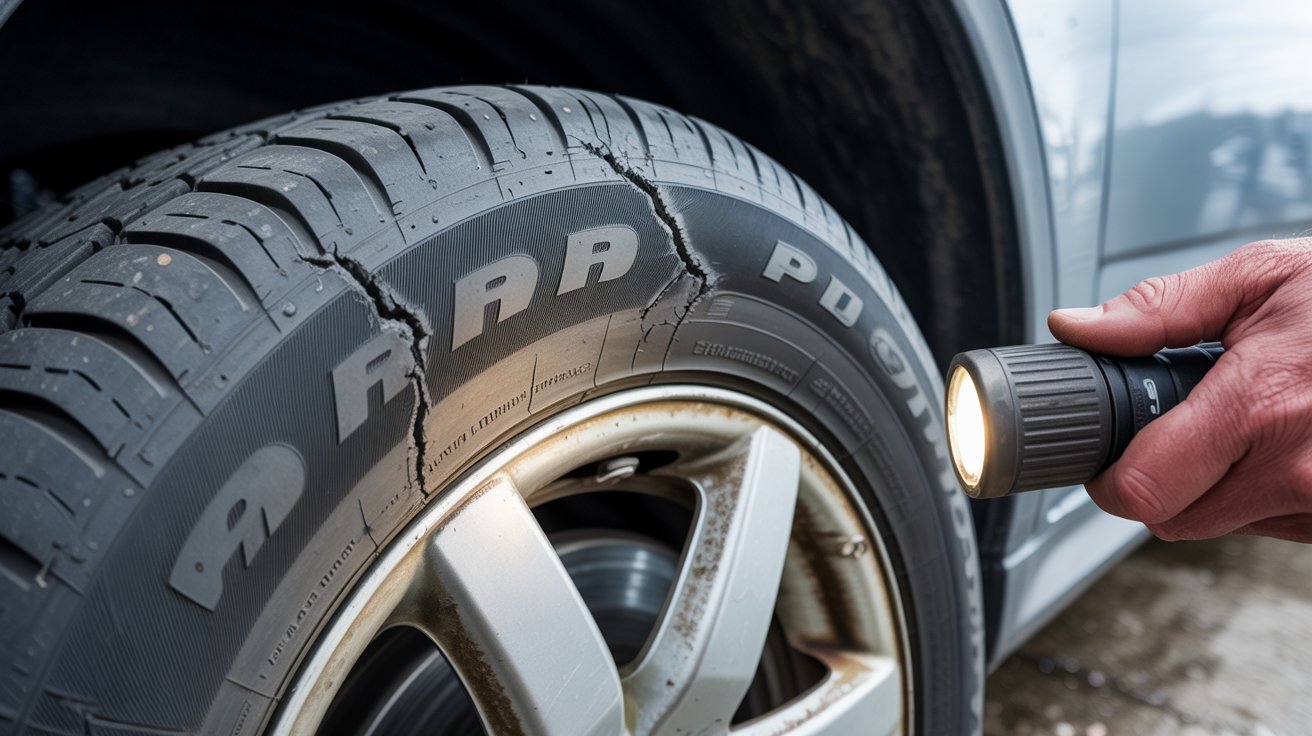
Moderate cracks are longer and slightly deeper than minor ones.
They often signal that the rubber is starting to dry out and lose flexibility.
At this stage, it's smart to get the tire checked by a professional soon.
Severe Cracks (Replace Immediately)
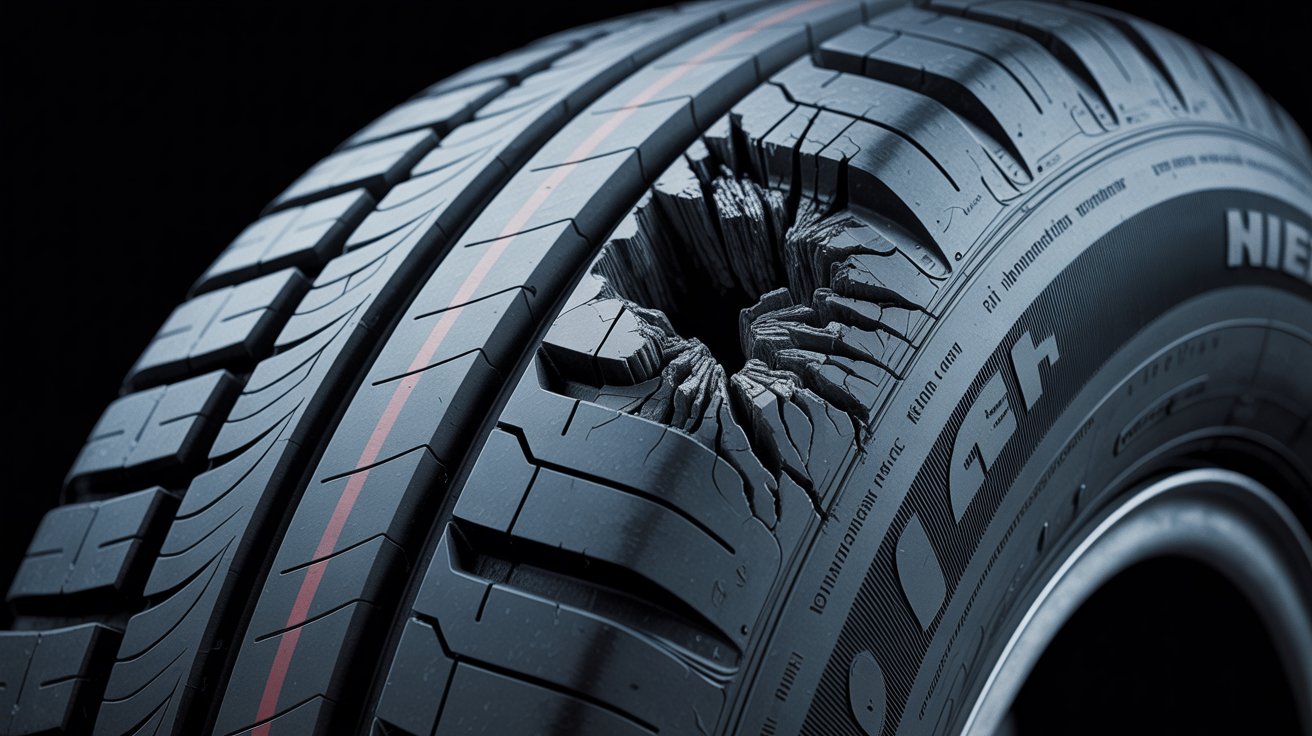
Severe cracks are deep, wide, and sometimes show wire or fabric underneath.
These tires can fail without warning. If you see this level of damage, stop driving on that tire and replace it right away.
What Causes Tire Sidewall Cracking?
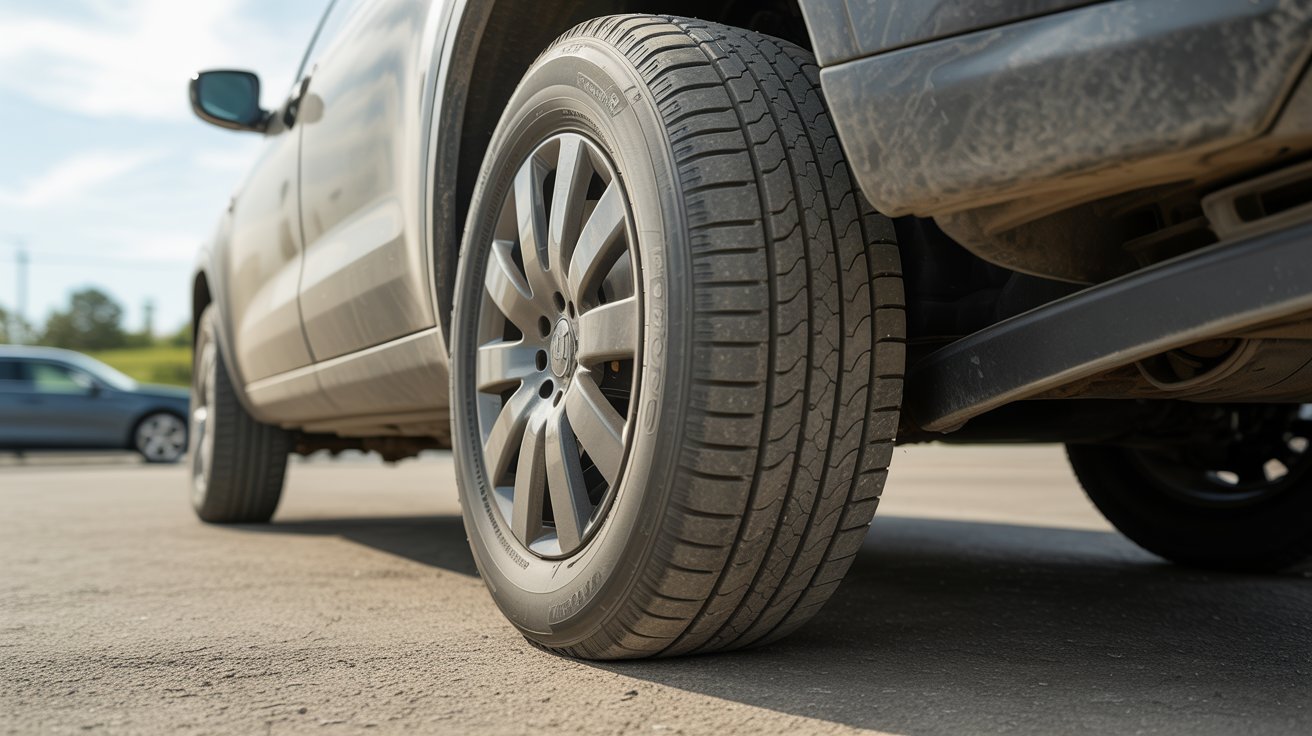
Several factors contribute to sidewall cracking, including age, sun exposure, incorrect air pressure, and contact with harmful road chemicals.
Age and Old Tires
Tires don't last forever, even if the tread looks fine. The rubber compounds break down slowly as years pass.
Most tires start showing cracks once they pass the five or six year mark.
UV Rays and Weather Damage
Sunlight breaks down rubber molecules over time. Cars parked outside for long hours face more sun exposure.
Heat and cold cycles also stress the rubber, making cracks form faster.
Improper Tire Pressure
Underinflated tires flex more than they should. This extra flexing puts stress on the sidewalls.
Overinflated tires stretch the rubber too tight, which can also lead to cracking.
Chemicals and Road Exposure
Oil, gasoline, and road salt can eat away at tire rubber. Certain tire cleaning products contain harsh chemicals too.
Avoiding contact with these substances helps keep sidewalls in better shape.
Tire Sidewall Cracking and Dry Rot
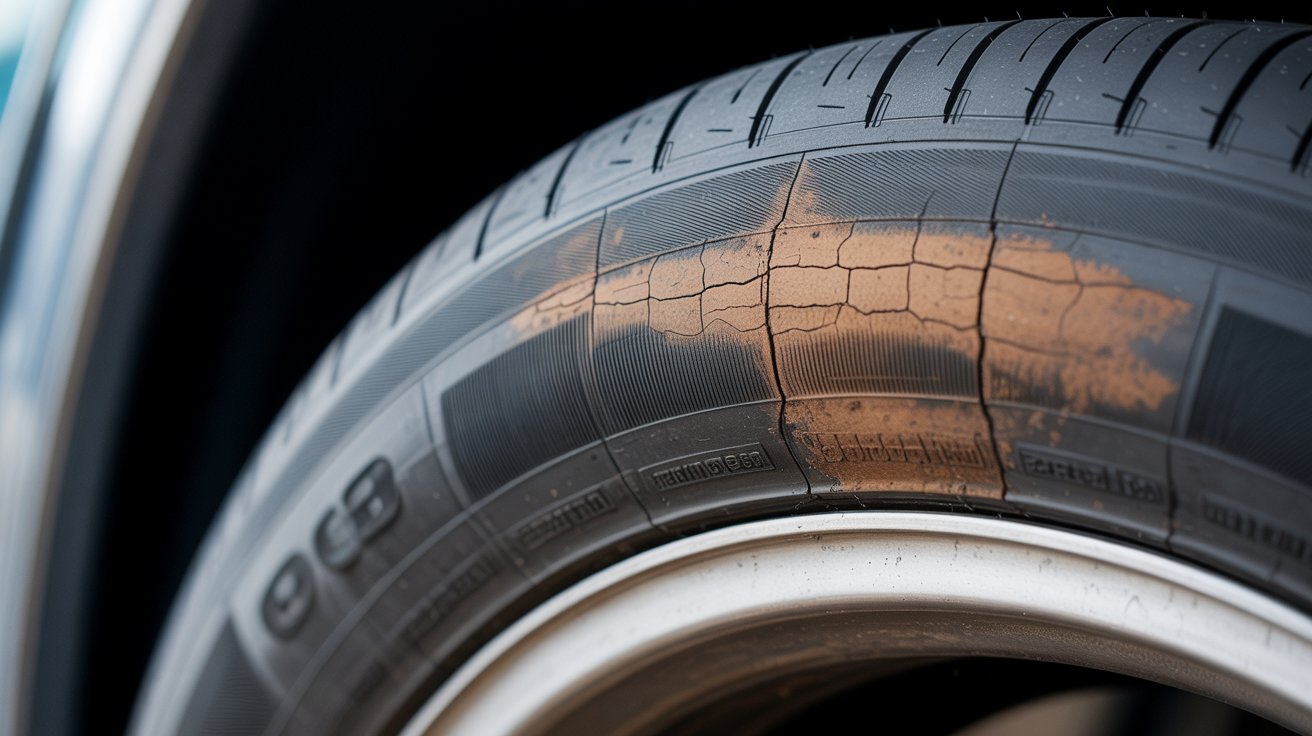
Dry rot is a common cause of sidewall cracking, and understanding the difference between the two helps drivers make safer decisions.
What is Dry Rot?
Dry rot happens when rubber loses its natural oils and moisture. This makes the tire brittle and prone to cracking. It's caused by age, heat, and lack of use rather than mileage.
Dry Rot vs Normal Cracks
Normal cracks come from regular wear in small spots, while dry rot spreads across the tire and leaves a faded, chalky look.
| Feature | Normal Cracks | Dry Rot |
|---|---|---|
| Cause | Regular wear and minor stress | Loss of natural oils and moisture in rubber |
| Spread | Limited to small areas | Spreads across the whole tire |
| Appearance | Thin lines on the surface | Faded, chalky look |
| Severity | Usually minor | Often more serious |
| Reversible | Can be monitored over time | Harder to reverse once it sets in |
Is Tire Sidewall Cracking Dangerous?

Sidewall cracking can lead to sudden tire failure, especially at high speeds, so drivers should know when cracks turn risky.
Blowout Risk
Cracked sidewalls weaken the tire's structure.
Under pressure from speed and heat, a weak spot can give way suddenly.
This can cause a blowout while driving, which is extremely risky.
When It Becomes Unsafe
If cracks are deep, widespread, or paired with bulges, the tire is no longer safe.
Cracks near the bead or that expose internal layers mean it's time to stop driving on that tire.
Tire Sidewall Cracking When to Replace
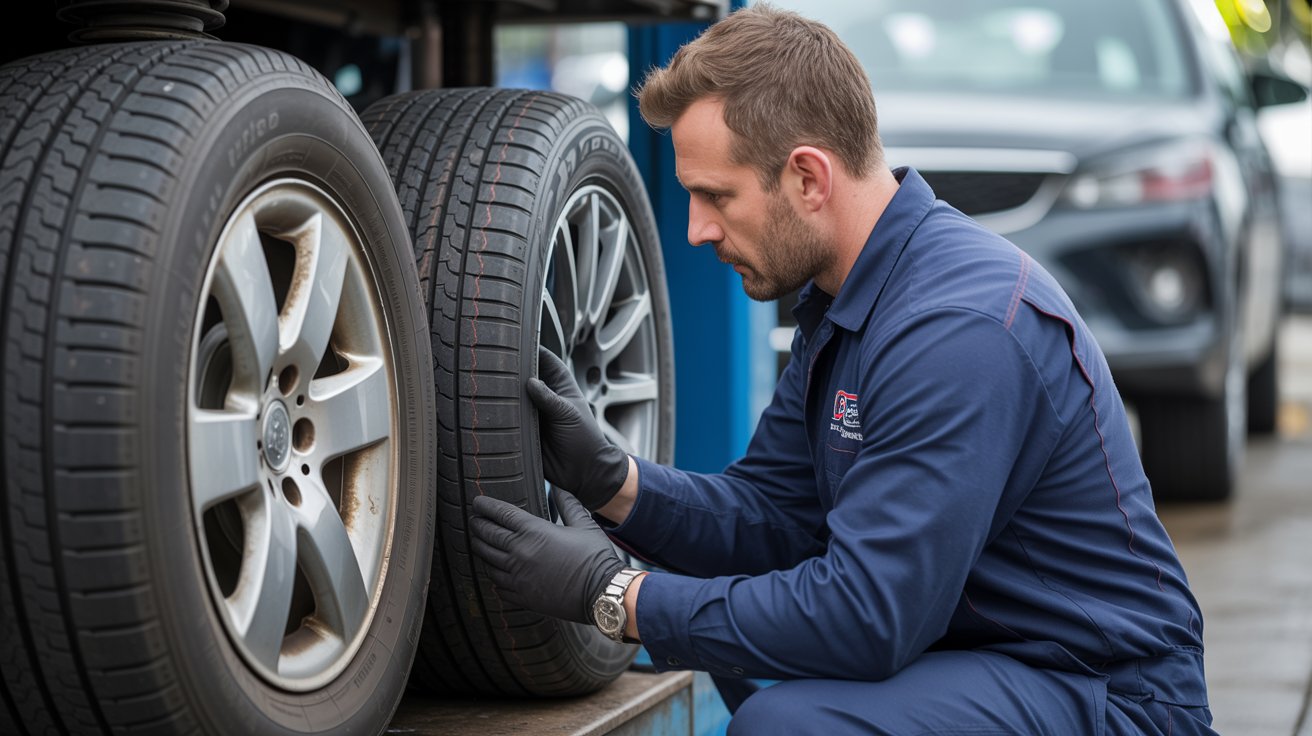
Knowing whether a crack is just surface damage or a deeper problem helps drivers decide if a tire needs replacing.
Surface vs Deep Cracks
Surface cracks are shallow and cosmetic, while deep cracks dig into the rubber and can weaken the tire.
| Feature | Surface Cracks | Deep Cracks |
| Depth | Shallow | Goes further into the rubber |
| Impact on Tire | Mostly cosmetic | Can weaken the tire's strength |
| Simple Test | Fingernail won't fit in | Fingernail fits inside the crack |
| Level of Concern | Low, just keep an eye on it | High, get it checked soon |
Tire Age Guidelines
Most tire makers suggest replacing tires after six to ten years, no matter the tread condition.
Check the manufacture date on the sidewall to know exactly how old your tires are.
Can Tire Sidewall Cracks Be Repaired?
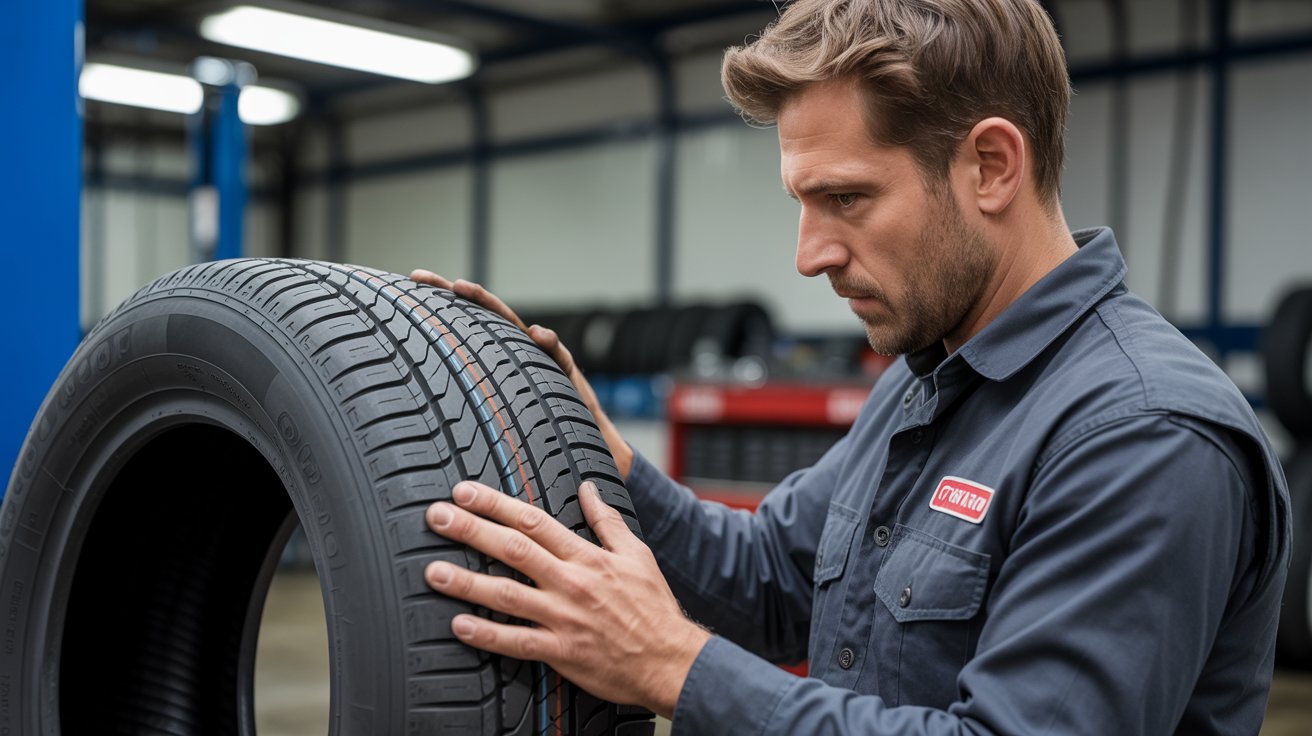
Sidewall cracks are generally not repairable, and replacement is almost always the safer choice.
Sidewalls handle constant flexing as the tire rolls, and patches don't hold up well in this area since they can fail under stress.
Repairing a cracked sidewall also doesn't restore the rubber's original strength.
If cracks are visible, especially moderate to severe ones, replacement is the safer route, since driving on a cracked sidewall puts you at risk of sudden tire failure.
Tips to Prevent Tire Sidewall Cracking
Simple habits like proper inflation, sun protection, and regular checks can slow down sidewall cracking and extend tire life.
- Check tire pressure once a month, using the number listed in your car's manual, not just the one printed on the tire.
- Correct air pressure reduces stress on the sidewalls and helps prevent cracking.
- Park in a garage or shaded area when possible, or use tire covers to block direct sunlight.
- Less heat and UV exposure means slower rubber breakdown over time.
- Inspect tires every month for cracks, bulges, or odd wear, and clean them with mild soap and water, skipping cleaners with alcohol or strong chemicals.
Conclusion
I used to ignore the little cracks on my own car's tires, figuring they were just cosmetic.
Then one summer road trip, a "minor" crack turned out to be deeper than it looked, and I ended up stranded on the highway. Lesson learned.
Now I check my tires every month, and it takes only a few minutes.
If you've noticed any signs of tire sidewall cracking, don't wait around like I did.
Take a look today, drop a comment with your own tire story, and share this post with someone who needs the reminder.
Frequently Asked Questions
Is it Safe to Drive with Sidewall Cracks?
It depends on how deep the cracks are. Minor cracks are usually fine, but moderate to severe ones should be checked by a professional right away.
Can I fix Tire Sidewall Cracking at Home?
Sidewall cracks are not something you can safely repair on your own. It's best to have a tire shop inspect and replace the tire if needed.
How often should I check my Tires for Cracking?
A quick visual check once a month is enough to catch problems early. Look closely at the sidewalls, not just the tread.
Does Tire Sidewall Cracking affect new Tires too?
Yes, even new tires can crack if they sit unused for long periods or face heavy sun exposure. Storage conditions matter as much as age.
What's the difference between Dry Rot and Aging Tires?
Aging is a natural process that happens over time with every tire. Dry rot is a specific result of aging, where the rubber loses oils and becomes brittle.