

That tire sensor light has a way of popping up at the worst time, right before a road trip or on a cold morning when you're already running late.
I've dealt with this more than once, and I know how confusing it can feel when the light won't turn off no matter what you try.
This guide covers everything you need to reset a tire sensor, from checking pressure and finding leaks to step-by-step instructions for popular vehicle models.
You'll also learn what to do if the light stays on, what causes a sensor fault, and when it's time to call a professional.
By the end, you'll know exactly how to handle this on your own, with clear steps that actually work.
What Does the Tire Sensor Light Mean?
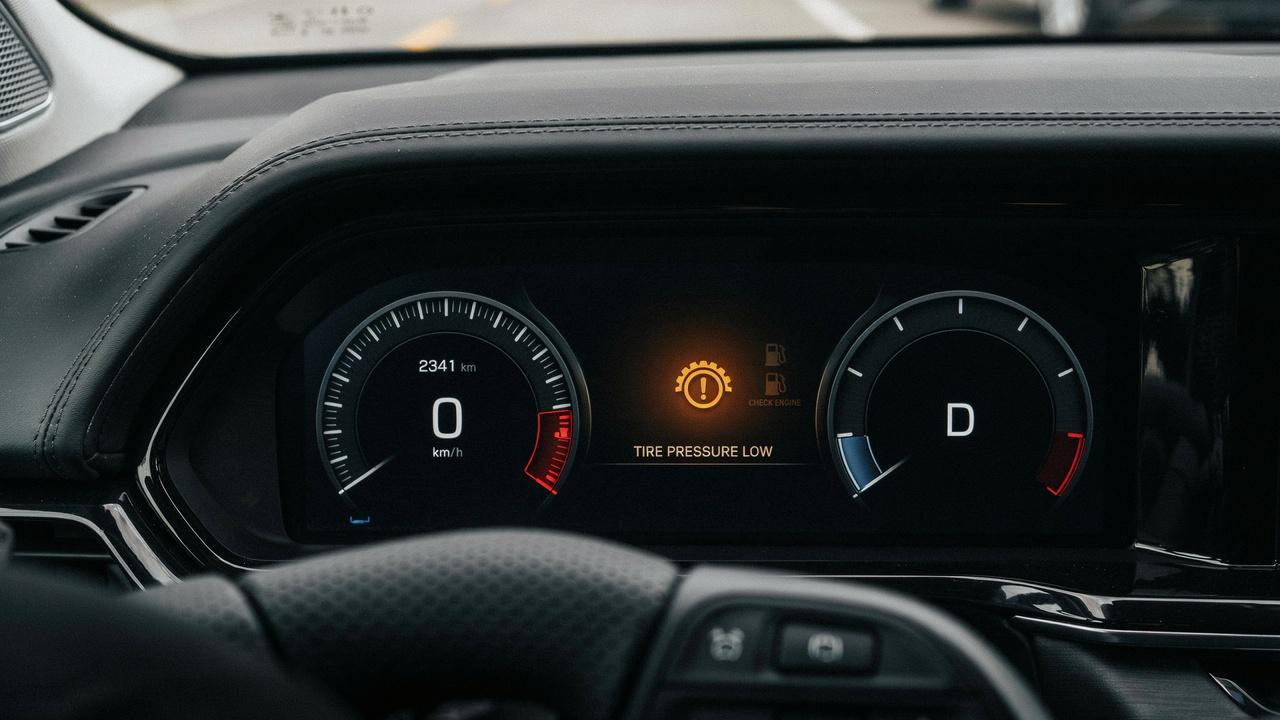
The tire sensor light turns on when your car senses low tire pressure. It looks like an exclamation mark inside a tire shape.
This light is part of the Tire Pressure Monitoring System. It can also point to a weak sensor battery or a reading error.
If it blinks and then stays on, the system may be struggling to read a sensor. A steady light means you should check your tire pressure now.
Don't ignore this light. Low pressure can affect fuel use, tire wear, and handling. It can also raise the risk of a blowout.
Check each tire with a gauge and match it to the number in your manual or door sticker.
Add air and see if the light turns off. If it stays on, a mechanic may need to check the sensor.
Before You Reset the Tire Sensor

Check tire pressure, look for damage, and confirm the correct PSI before trying any reset method on your vehicle.
Check and Adjust Tire Pressure
Start with a tire gauge. Check all four tires, plus the spare if your vehicle tracks it. Low pressure is the most common reason the warning light comes on in the first place.
Add air if any tire reads below the recommended level. Cold tires give the most accurate reading, so check first thing in the morning if possible.
Inspect Tires for Leaks or Damage
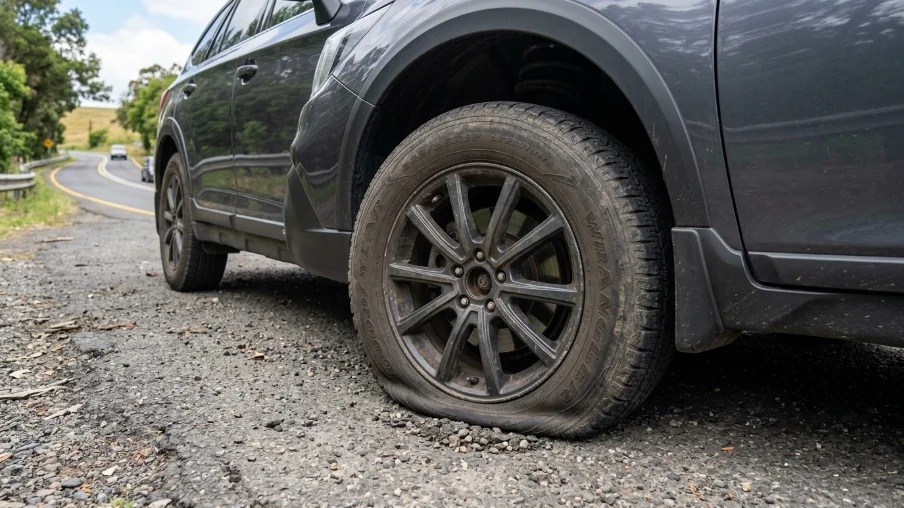
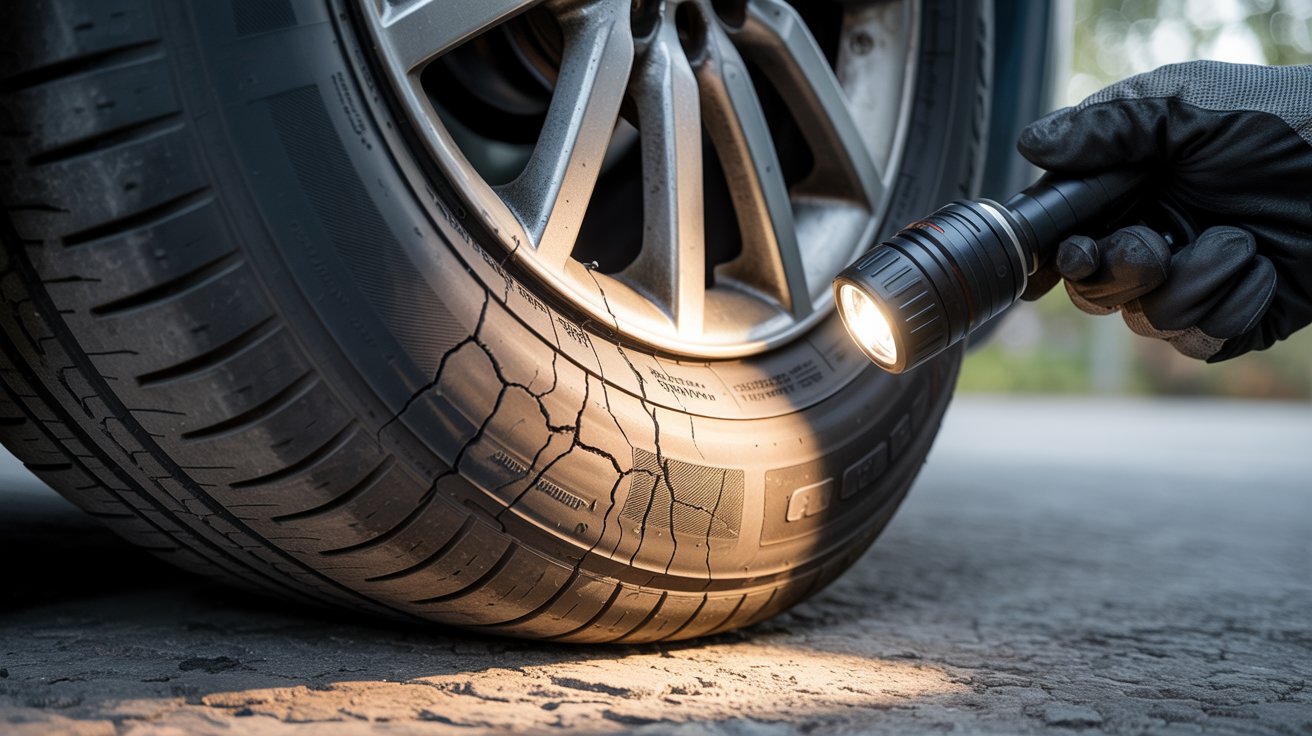
Look closely at each tire for nails, cracks, or bulges. A slow leak can cause the warning light to return even after you reset it.
Spray soapy water on the tire if you suspect a leak. Bubbles will form at the leak point, making it easy to spot.
Find Your Vehicle's Recommended PSI
Every car has a specific PSI number set by the manufacturer. You can usually find it on a sticker inside the driver's door frame.
This number is different from what's printed on the tire itself. Always use the number listed for your vehicle, not the tire's maximum rating.
How to Reset Tire Sensor: Step-by-Step Guide
Four practical methods to clear a tire sensor warning, ranging from a simple reset button to a full battery disconnect.
Step 1: Reset the Tire Sensor Using the TPMS Reset Button
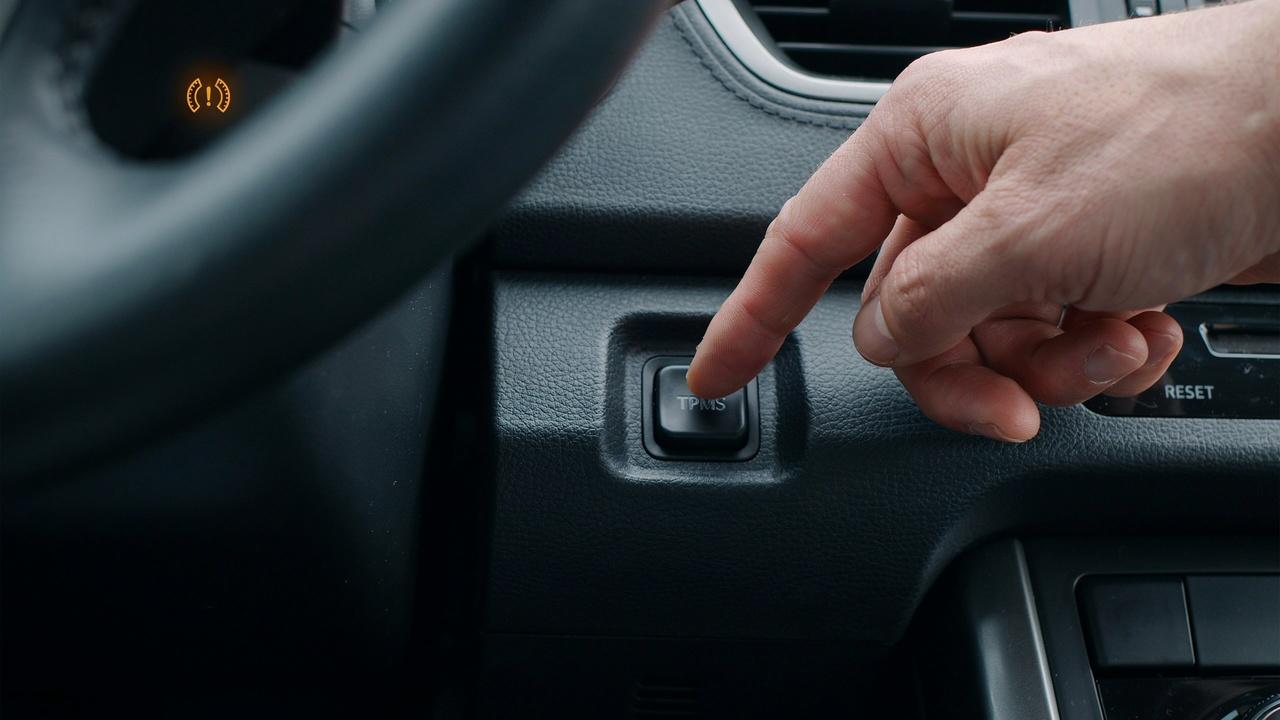
Many vehicles have a TPMS reset button, usually located under the steering wheel. Turn the key to the "on" position without starting the engine.
Press and hold the button until the light blinks three times. Then start the car and drive for about ten minutes to let the system recalibrate.
Step 2: Drive the Vehicle to Relearn the Sensor

Some vehicles reset automatically just by driving. Take the car on a route with varying speeds for fifteen to twenty minutes.
This gives the sensors time to send fresh pressure data to the car's computer. The light should turn off once the system confirms normal pressure in all tires.
Step 3: Reset the Tire Sensor with a TPMS Scan Tool

A TPMS scan tool plugs into the car and lets you reset or relearn the sensors directly. This works well for vehicles that need each sensor IDs matched manually.
These tools are sold at auto parts stores, or a mechanic can do it for you. They are especially useful for newer cars with more complex TPMS systems.
Step 4: Disconnect the Battery to Reset the System

Disconnecting the battery clears the car's stored data, including the TPMS warning. Disconnect the negative terminal first, wait about fifteen minutes, then reconnect.
This method works as a last resort if other steps fail. Keep in mind it may also reset your radio presets and clock.
How to Reset Tire Sensor Light When it Stays on
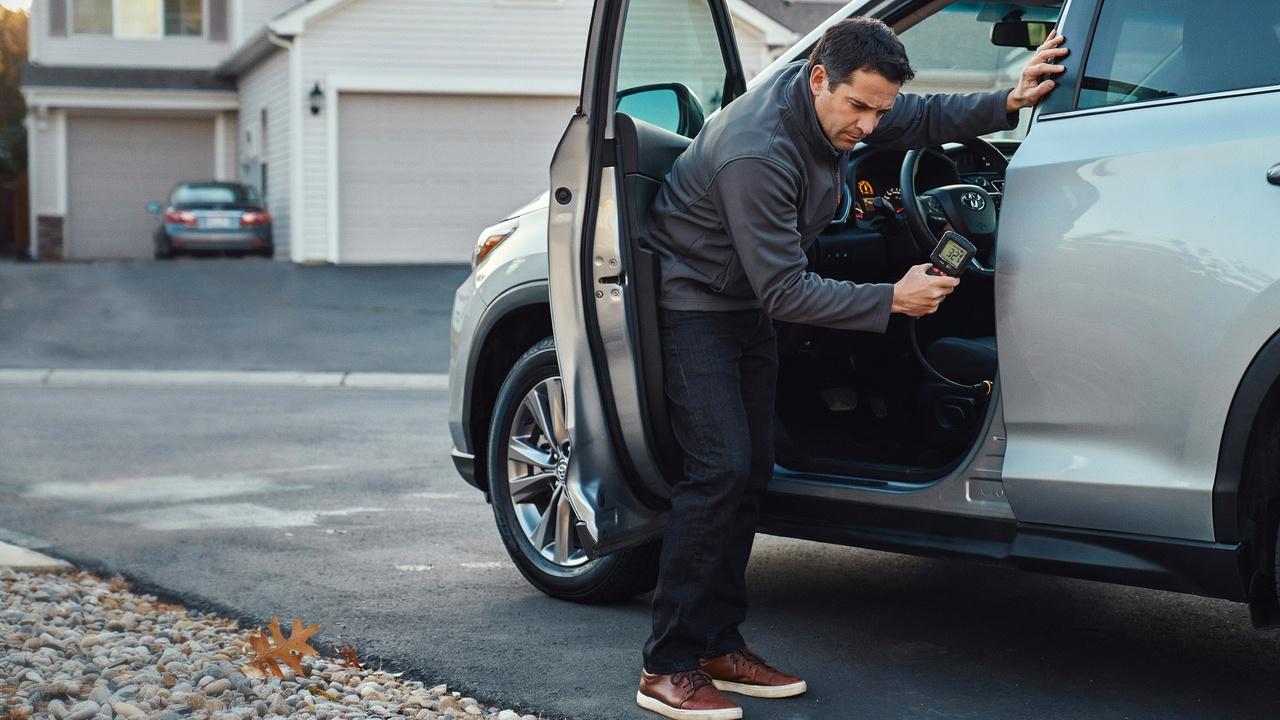
What to check when the warning light refuses to turn off, including the spare tire sensor and a full relearn process.
Recheck Tire Pressures and the Spare Sensor
Check every tire's pressure, including the spare, using the same gauge each time even one tire slightly low can keep the light on.
If the spare has a sensor that's failing, replace it.
Check for Leaks and Complete a TPMS Relearn
A slow leak can bring the light back even after a reset, so inspect the tread and sidewalls for damage.
If the light still won't clear, you may need a TPMS relearn often required after a tire rotation or sensor swap, and sometimes needs a scan tool.
How to Reset Tire Sensor Fault
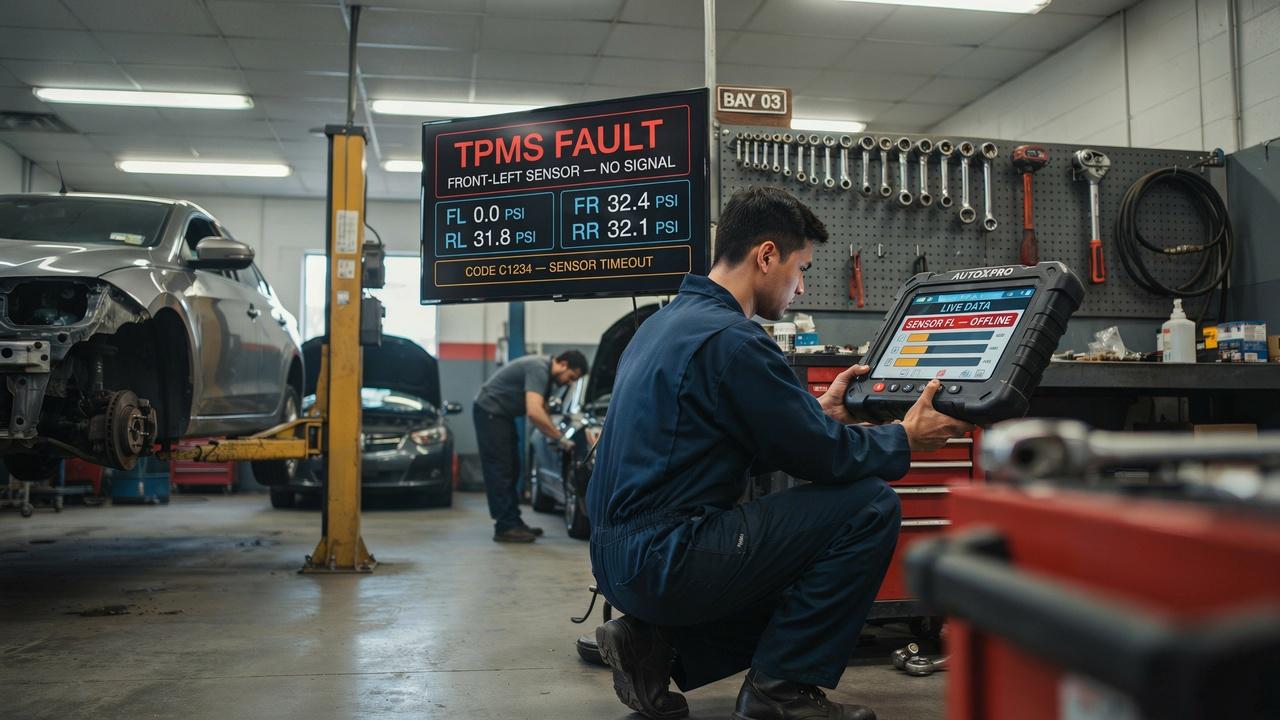
What causes a sensor fault, how to tell if a sensor is bad, and when replacement becomes the only real fix.
Common Causes of a Tire Sensor Fault
A sensor fault can come from a dead battery inside the sensor, corrosion, or physical damage from road debris.
Cold weather can also cause temporary faults that clear on their own.
Software issues after a battery replacement or computer reset are another common cause. These usually resolve once the system relearns the sensors.
How to Diagnose a Faulty TPMS Sensor
A scan tool can read each sensor individually and show which one isn't communicating. If one tire consistently shows no data, that sensor is likely the problem.
Compare readings across all four tires. A sensor stuck at zero or showing no signal at all usually needs attention.
When Sensor Replacement is Required
TPMS sensor batteries typically last five to ten years. Once the battery dies, the whole sensor usually needs replacing, since most are sealed units.
Physical damage from a pothole or tire change can also require replacement. A mechanic can confirm whether a sensor is dead or just needs reprogramming.
Vehicle-Specific Tire Sensor Reset Instructions
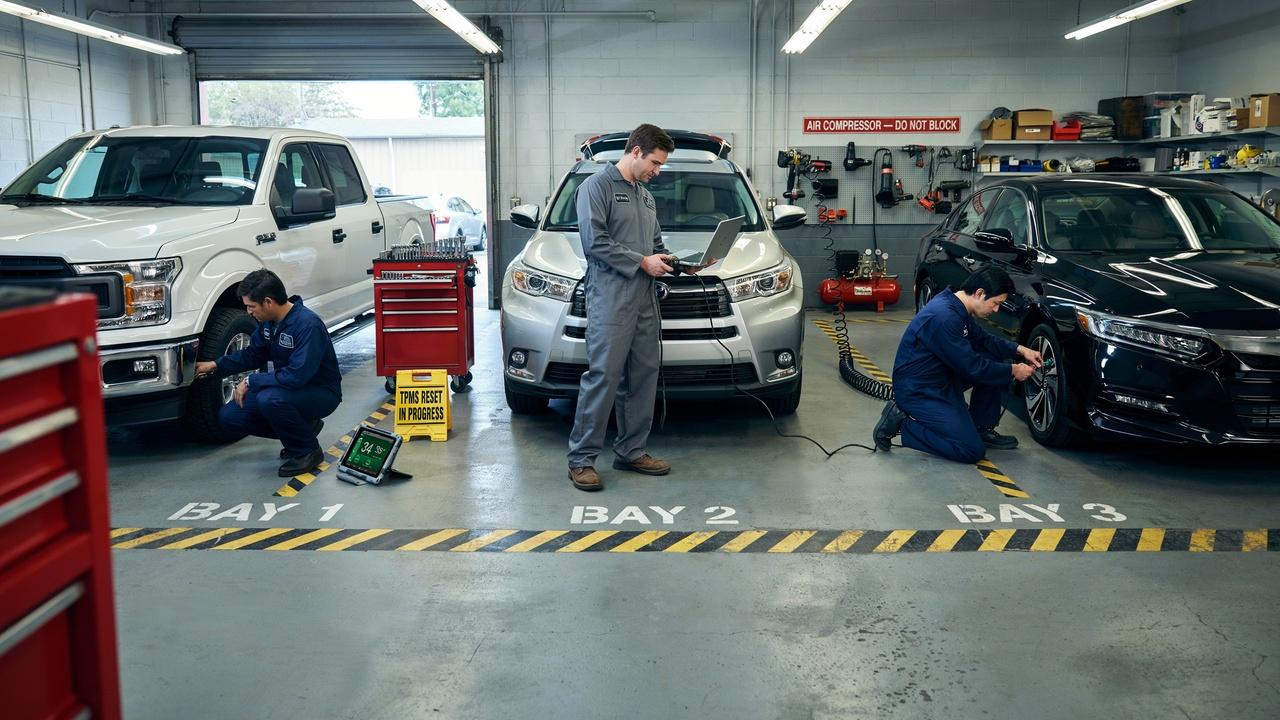
Reset steps differ across makes and models, so here's a quick look at the process for several popular vehicles.
Chevy Silverado, Equinox, Cruze, Malibu, and GMC Acadia
Turn the ignition on without starting the engine, then hold the TPMS reset button under the steering wheel until the light blinks.
Start the engine and drive for ten to twenty minutes to recalibrate.
Honda Accord, Honda CR-V, Toyota Corolla, and Toyota Camry
Set tires to the correct PSI first.
On Honda, use the steering wheel buttons to find the TPMS menu and hold calibration until you hear a horn chirp.
On Toyota, hold the reset button until the light blinks three times, then drive ten to twenty minutes.
Ford F-150, Ford Explorer, Jeep Cherokee, and Ram 1500
On Ford, use the display menu to select "calibrate" or "reset," or try the horn-chirp method with your key fob.
On Jeep and Ram, use the dashboard menu to start calibration, then drive briefly to let the sensors sync.
When to Seek Professional Help
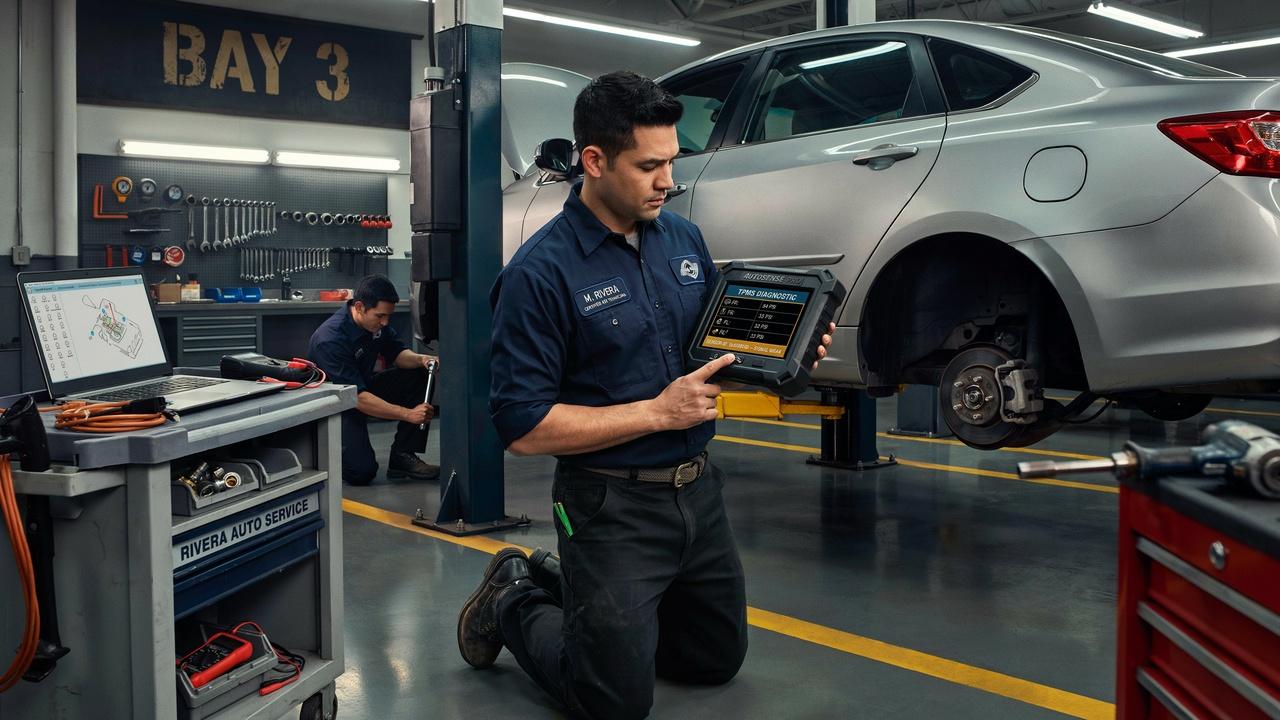
Some TPMS problems need a mechanic instead of a quick fix.
If the light stays on after several reset attempts with correct tire pressure, a shop should run a full diagnostic to find the real cause.
A sensor with no signal on a scan tool has likely failed and will need full replacement, so a mechanic can confirm this and fit one that matches your vehicle's frequency and protocol.
Some vehicles also need extra programming steps beyond a basic relearn drive, especially when sensor IDs don't match or software glitches occur.
A shop with the right scan tool can handle this properly, which is common after replacing more than one sensor.
Tips to Prevent Future Tire Sensor Problems
Simple habits that keep your TPMS system working well and help you avoid repeat warning lights.
- Check tire pressure at least once a month, since it naturally drops over time even without a leak, and a small gauge in your glove box makes this easy to catch early.
- Always inflate tires to the PSI listed on your door frame sticker, not the number on the tire, and check pressure when tires are cold for the most accurate reading.
- Reset or relearn the TPMS after any tire rotation, replacement, or seasonal swap, since skipping this step can leave the warning light on even with good tires.
- Replace TPMS sensor batteries when needed, as they typically last five to ten years, and a dying battery often causes random or repeated warnings.
- Watch for seasonal temperature changes, since cold weather makes air contract and can drop tire pressure enough to trigger the light, so check more often when temperatures swing.
Conclusion
I still remember when my tire sensor light came on during a road trip and how relieved I felt once cold weather turned out to be the cause.
A quick check and reset got me back on the road in minutes.
If your tire sensor light is on right now, try these steps before booking a shop visit.
Got a tip that worked for you? Drop it in the comments, share this post with a friend, or check out our other car care guides.
Frequently Asked Questions
How do I reset my tire sensor light without a scan tool?
Check tire pressure first, then drive at varying speeds for ten to fifteen minutes. Many vehicles relearn on their own without needing extra tools.
Why does my tire sensor light stay on after adding air?
The system may need time to register the new pressure readings. Drive for a short while or use the TPMS reset button to speed things up.
Can cold weather cause a tire sensor light to turn on?
Yes, cold air makes tire pressure drop, which can trigger the warning light. A quick pressure check and top-off usually fixes this.
How often should I replace a TPMS sensor battery?
Most sensor batteries last between five and ten years. A dying battery often causes random or repeated warning lights.
Do I need to relearn the TPMS after a tire rotation?
Yes, many vehicles need a relearn process after tires are rotated or replaced. Skipping it can leave the light on even with good tires.