
Finding a soft tire every morning is annoying, and it can also feel a little worrying. You check for a nail, see nothing, and still wonder what is going on.
The good news is that this problem almost always has a clear cause. It could be a tiny puncture, a worn valve stem, a rim leak, or even just cold weather.
In this guide, you will learn the most common reasons tires lose air overnight, how to find the exact spot of the leak, and the best way to fix it.
We will also cover when it is safe to drive and how to stop this from happening again.I have dealt with this exact issue myself, and a few simple checks made all the difference.
By the end of this post, you will know exactly what to do next.
Why is My Tire Losing Air Overnight?
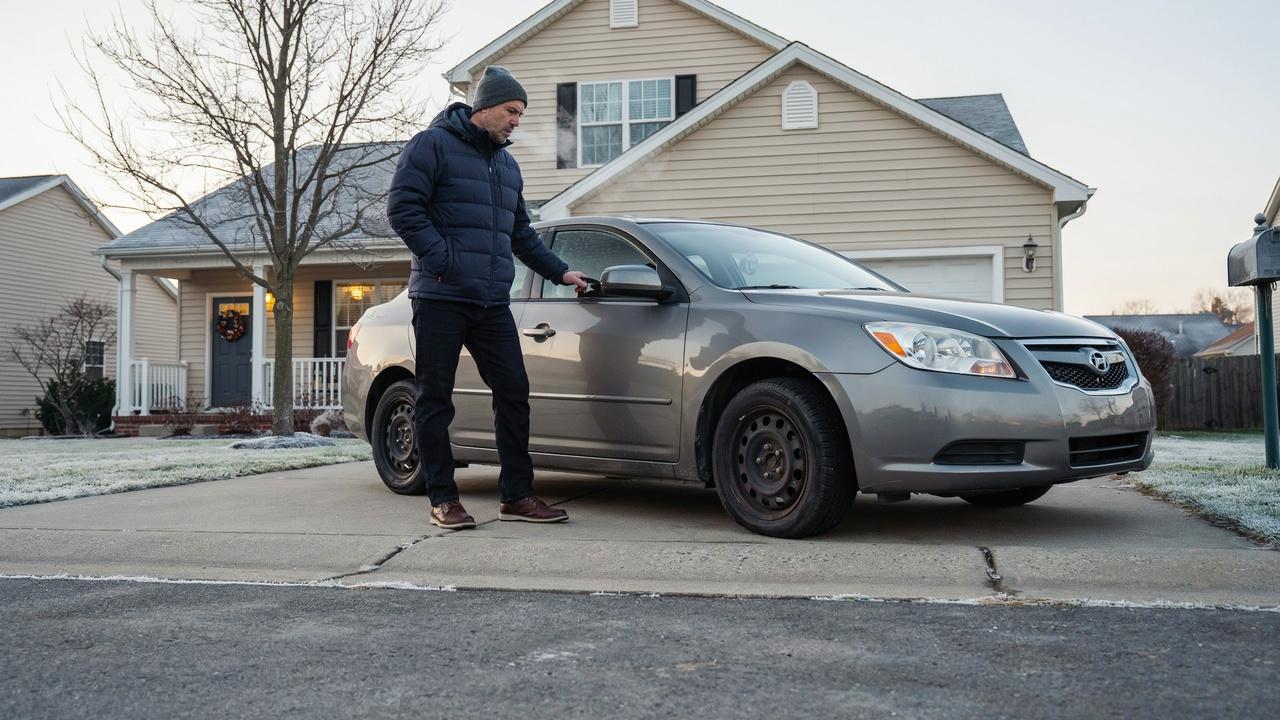
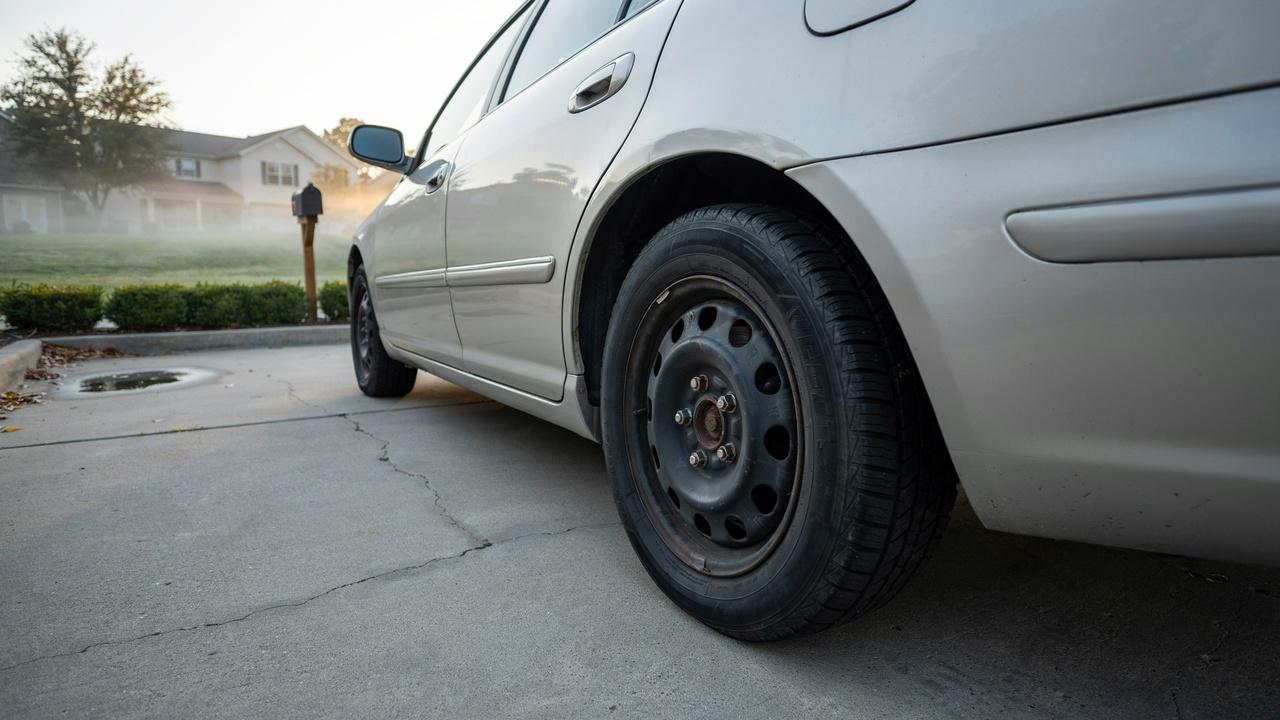
Waking up to a flat or soft tire is frustrating. There are a few common reasons this happens, and most of them are easy to check.
Cold nights make air contracts. This causes tire pressure to drop even if there is no leak at all.
A tiny puncture from a nail or screw can let air out slowly. You may not notice it until the next morning.
The valve stem could be loose, cracked, or have a worn cap. This lets air escape little by little.
Sometimes the tire is not seated properly on the wheel rim. This creates a small gap where air can leak out.
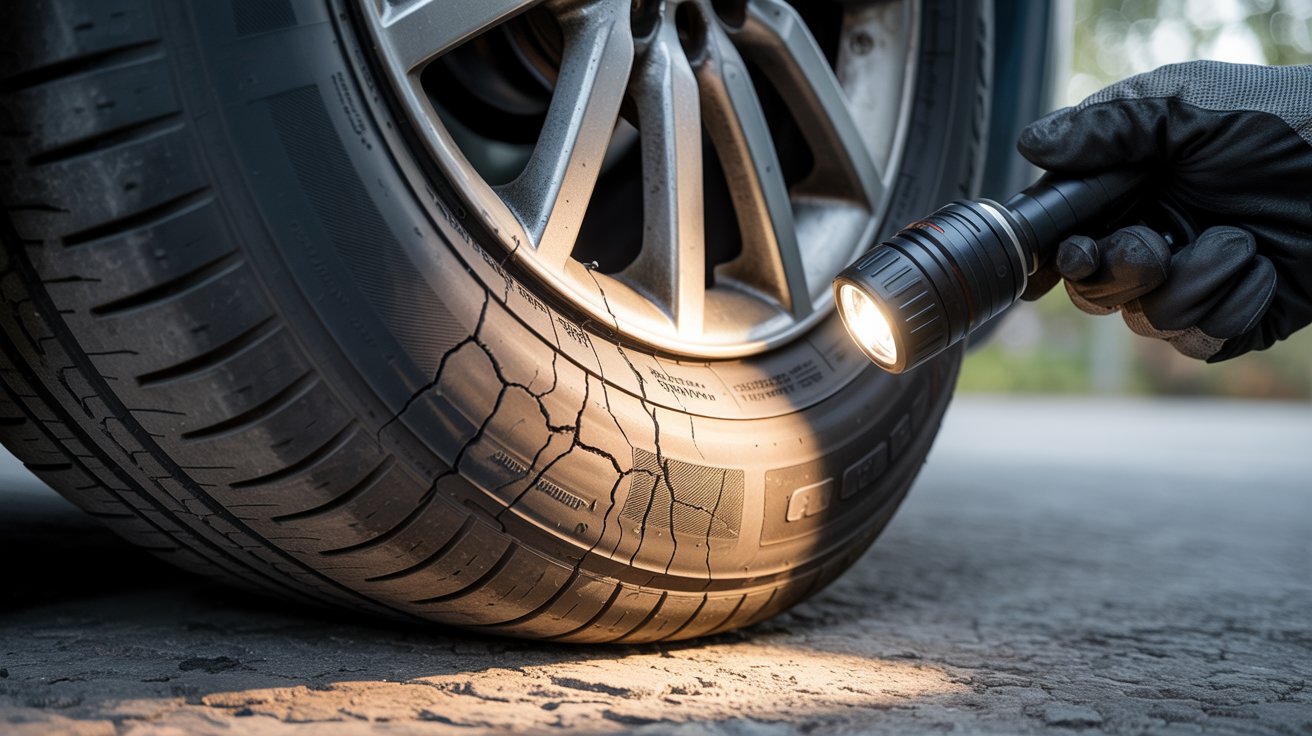
Old or worn tires can develop tiny cracks in the rubber. These cracks let air seep out over time.
Rust or damage on the wheel rim can also cause a slow leak. This is more common in older cars.
If your tire loses air every night, it is worth getting it checked by a mechanic.
A simple inspection can find the exact cause and fix it before it becomes a bigger problem.
Common Causes of a Tire Losing Air Overnight
A tire can lose air overnight for several reasons, from small punctures to valve problems and rim leaks.
Nail, Screw, or Road Debris Punctures
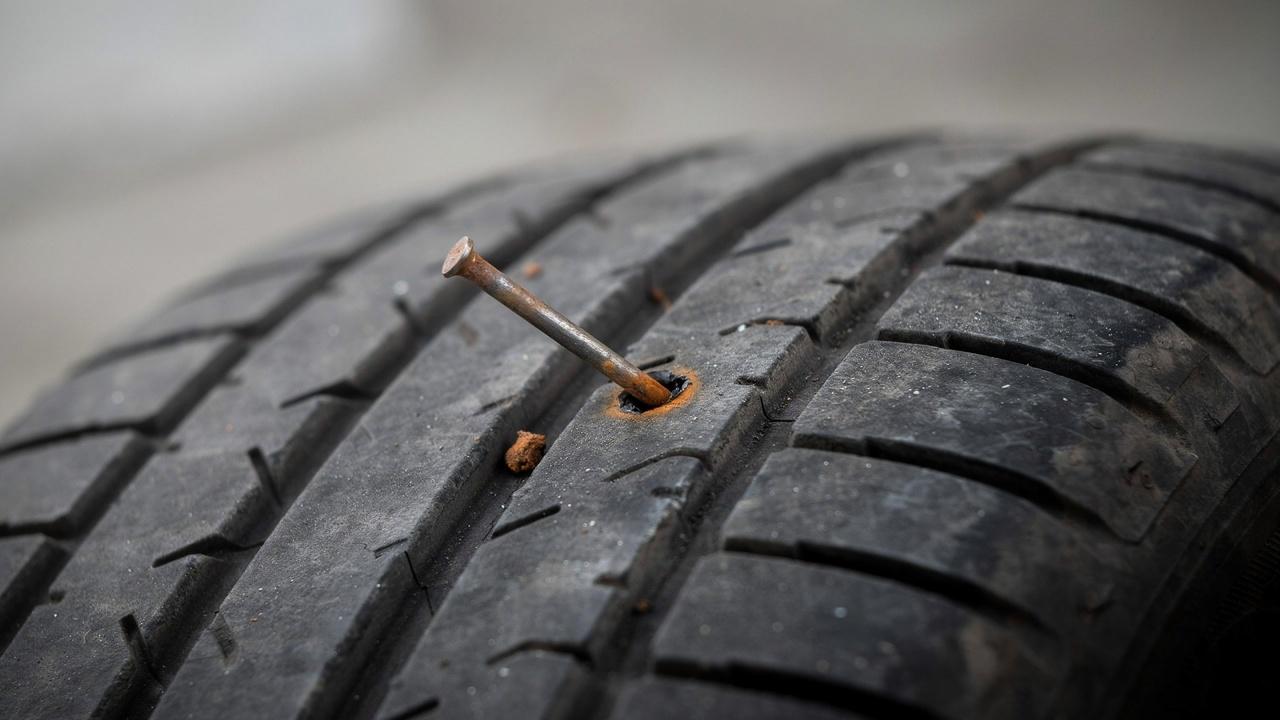
A small nail or screw can get stuck in your tire without you noticing.
It may not cause a flat right away. Instead, it lets air escape slowly through the night.
Leaking Valve Stem
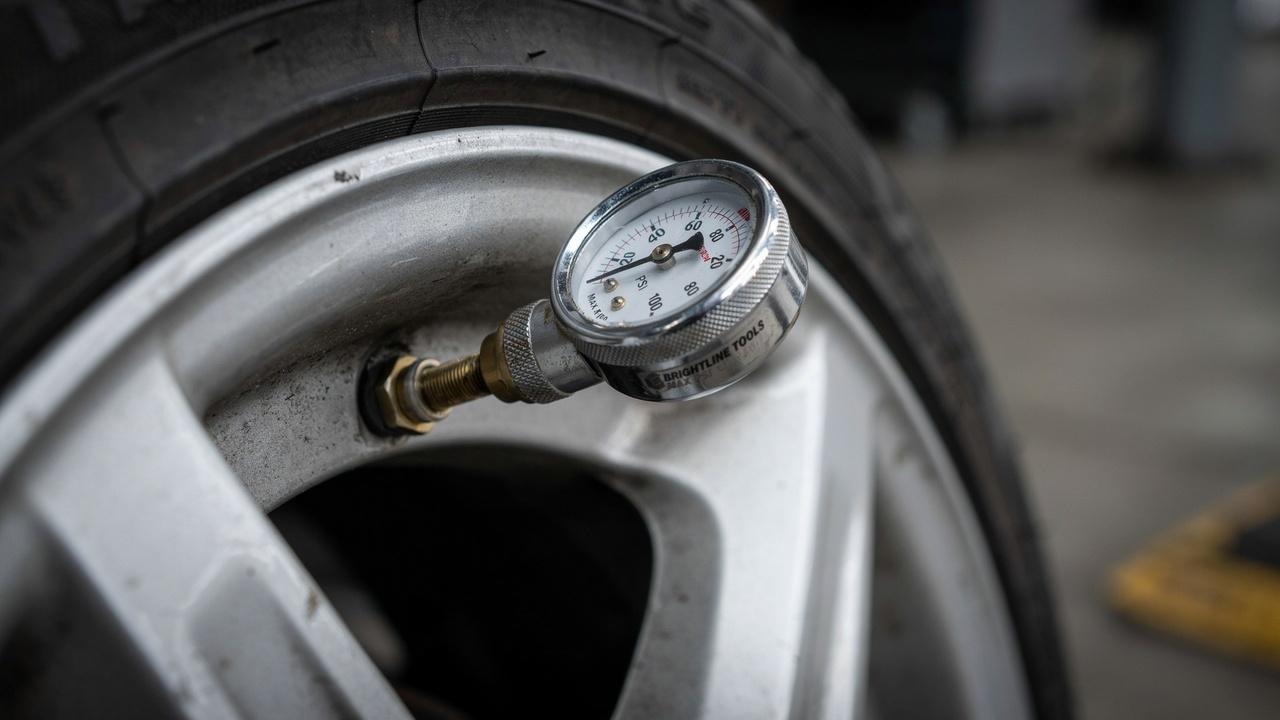
The valve stem is the small part where you add air.
If it is worn out or has a loose cap, air can leak out over several hours.
Tire Bead Leaks Around the Rim
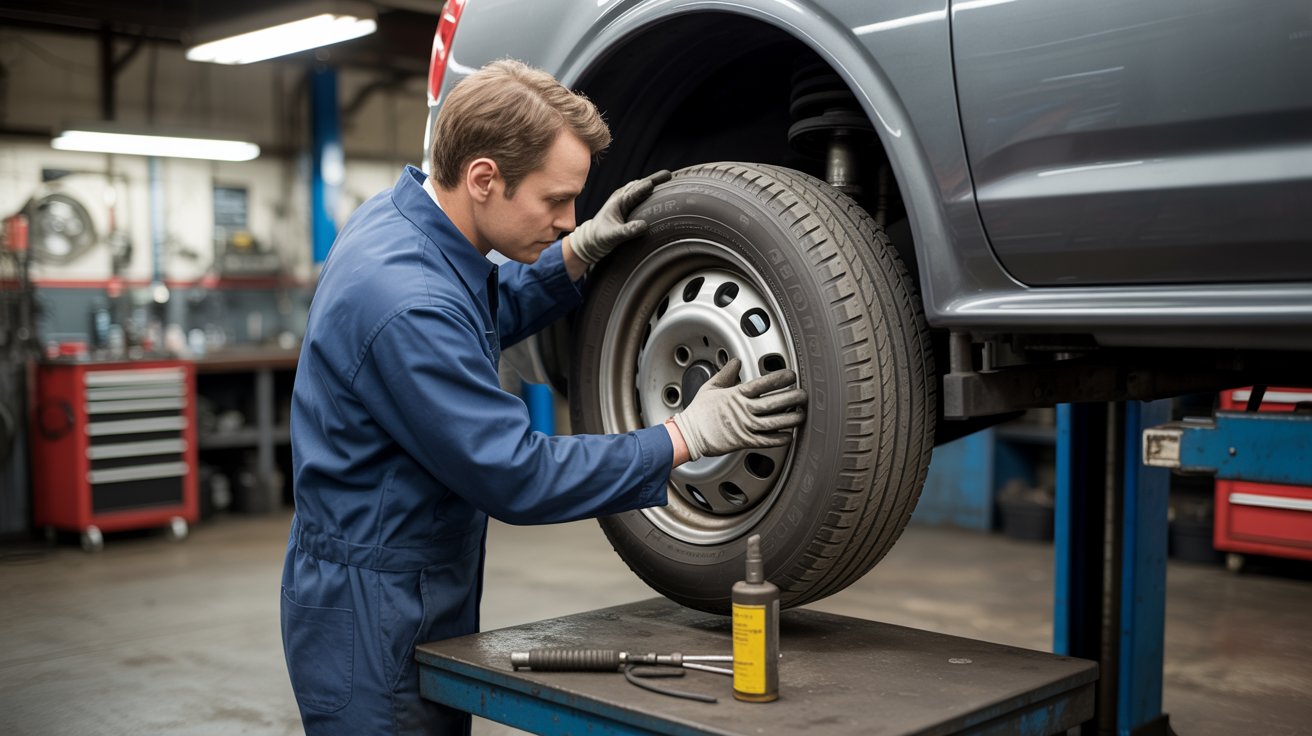
The bead is where the tire meets the rim.
If this seal breaks down, air can slip out even without a puncture in the tire itself.
Damaged or Corroded Wheel Rims
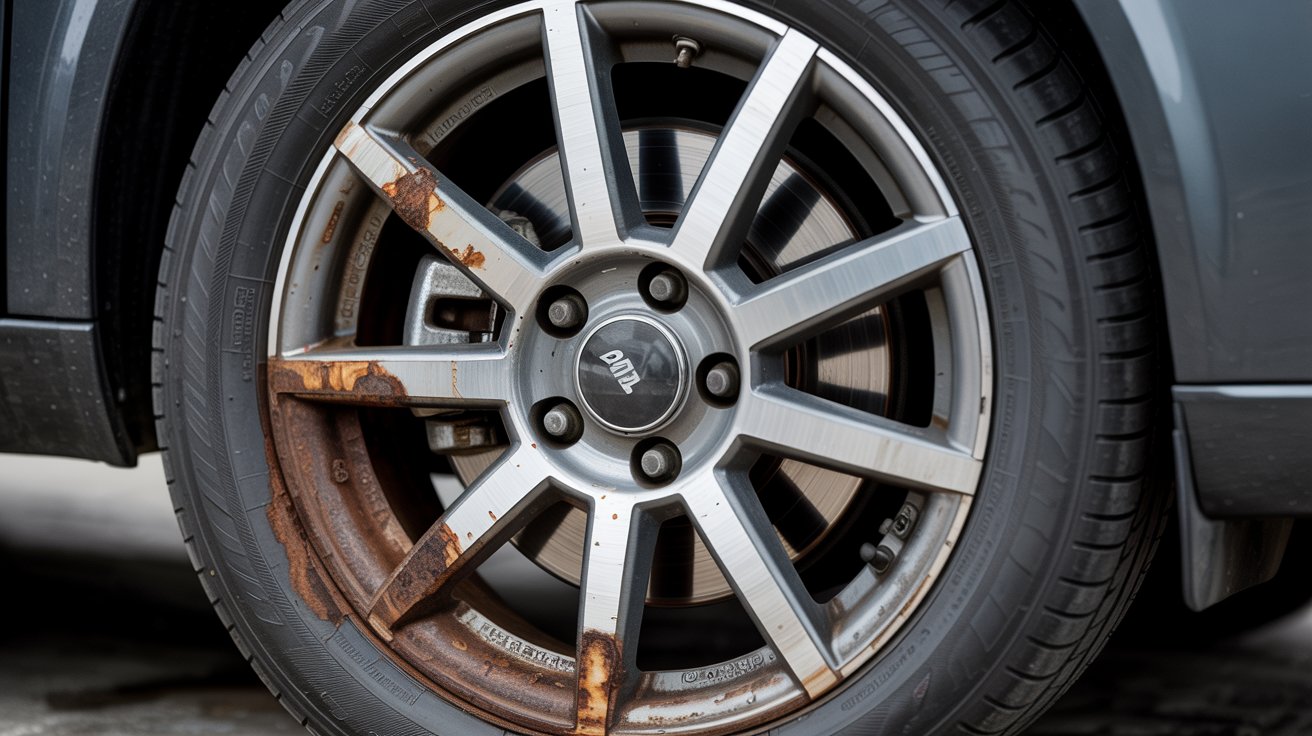
Rust or damage on the rim can create small gaps.
These gaps are often too small to see but large enough to let air out slowly.
Sidewall Damage and Cracks
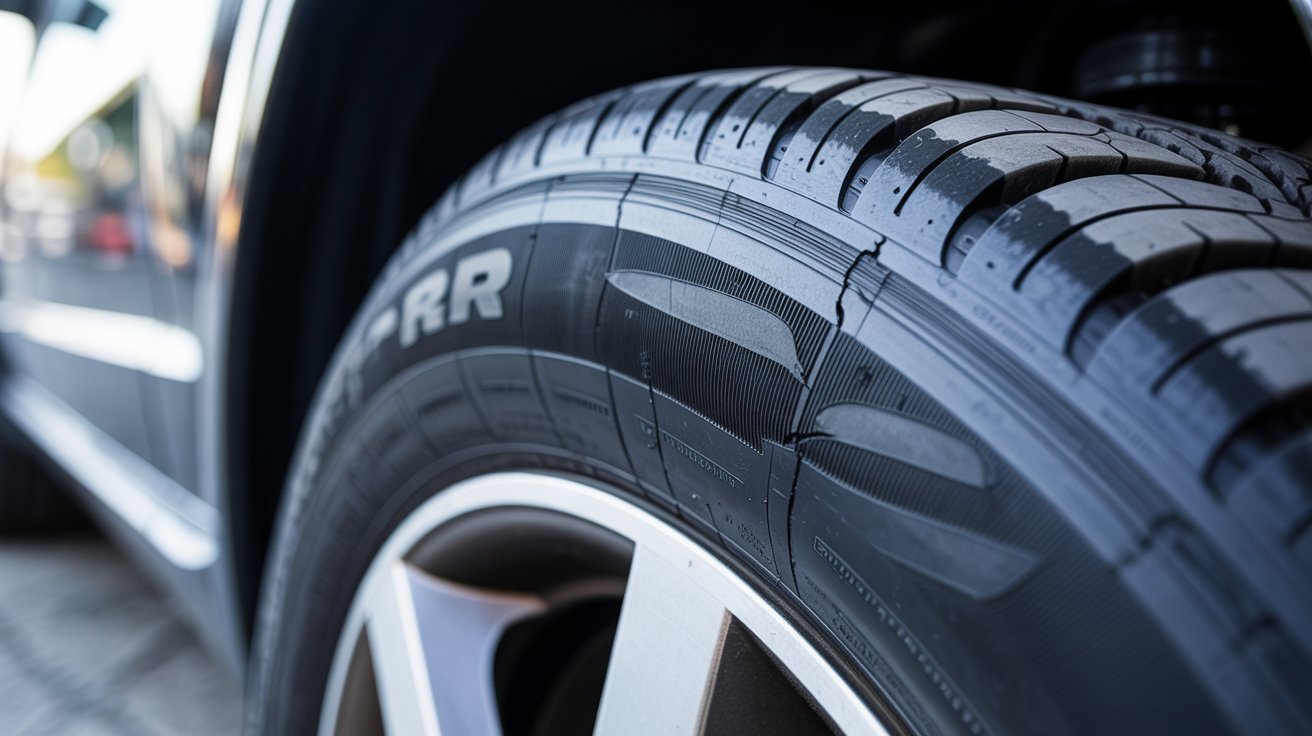
Cracks or cuts on the sidewall can weaken the tire.
Over time, this damage can lead to a steady loss of air pressure.
Cold Weather and Temperature Changes

Tire pressure drops as the temperature drops.
On a cold night, your tire may lose a few pounds of pressure without any leak at all.
Aging Tires and Rubber Deterioration
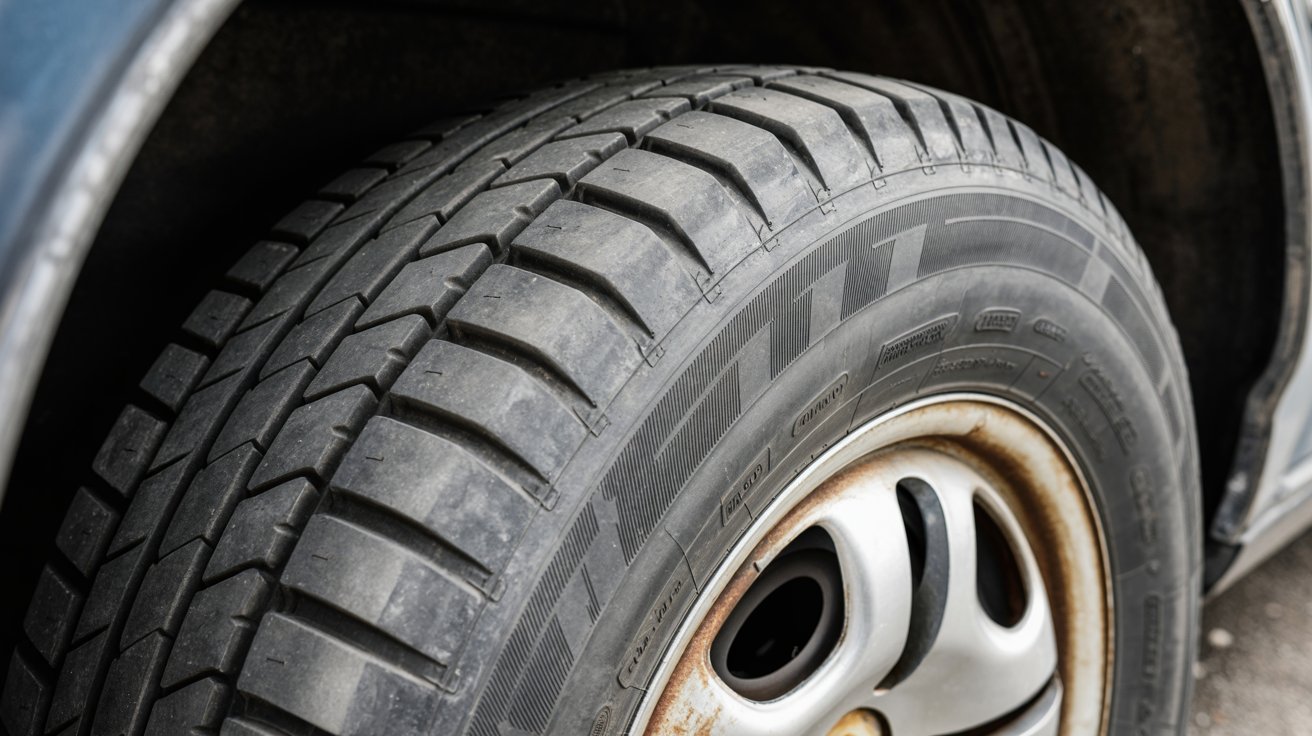
Old tires lose their flexibility. As the rubber breaks down, tiny cracks can form.
These cracks let air escape little by little.
Why is My Tire Losing Air Overnight With No Visible Damage?
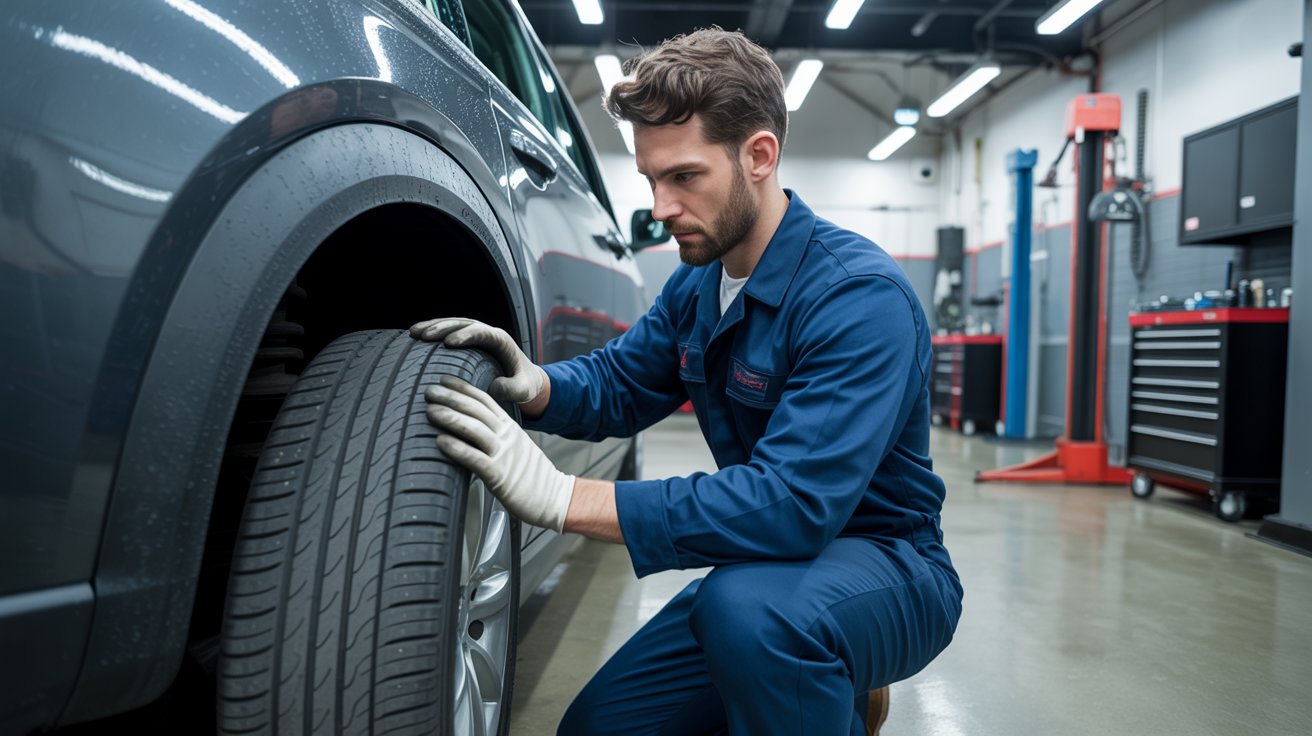
Sometimes a tire loses air with no obvious cause. The reason is often hidden and needs a closer look.
Hidden Punctures
A puncture is not always visible from the outside.
A tiny piece of metal or glass can be buried deep in the tread.
Valve Stem or Bead Leaks
These leaks are common but easy to miss.
They do not always make a hissing sound, so they can go unnoticed for days.
Rim Corrosion
Corrosion can build up slowly inside the rim.
It often shows no outside signs until the leak gets worse.
How to Find Where Your Tire is Losing Air
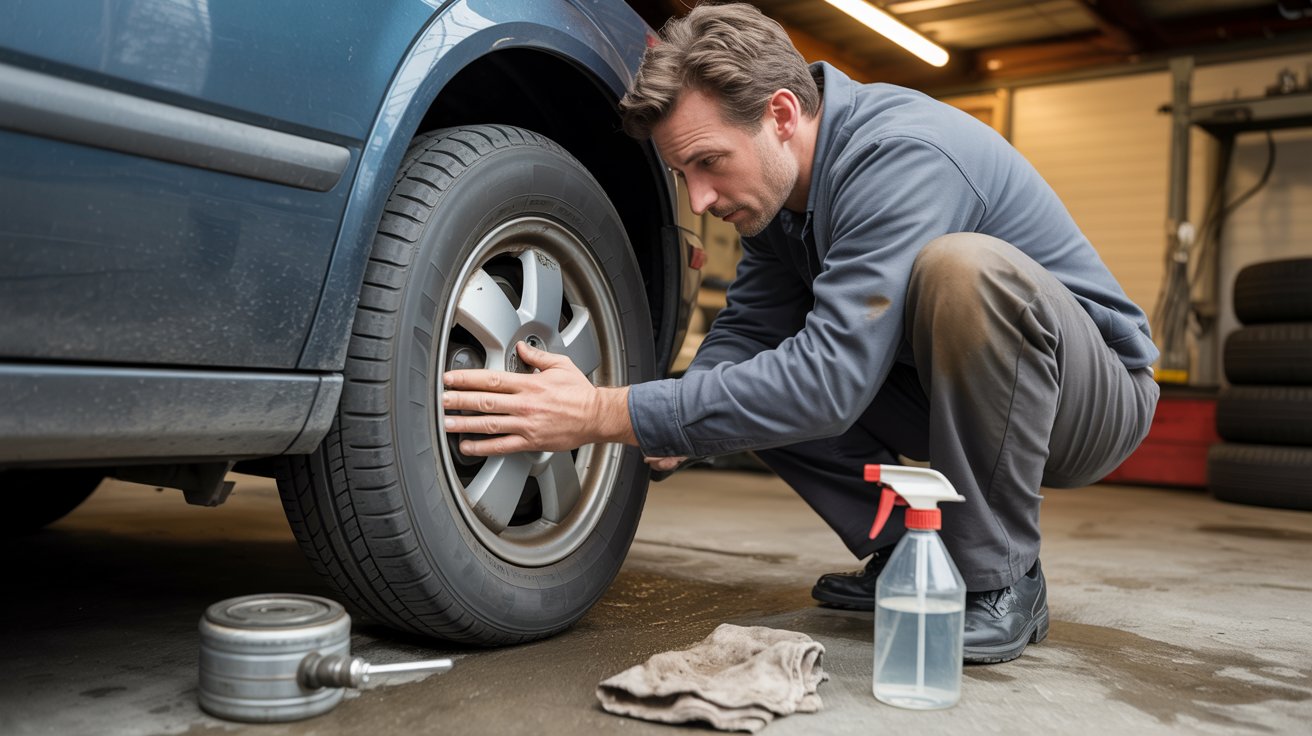
There are a few simple ways to track down a slow leak before it turns into a flat tire.
Visual Inspection
Start by checking the tread and sidewall for any objects stuck in the rubber.
Look closely for cuts, bulges, or cracks.
Soapy Water Test
Mix soap and water, then spray it on the tire. Bubbles will form at the spot where air is escaping.
Checking the Valve Stem and Rim
Spray the soapy mix around the valve stem and the edge of the rim.
This helps you spot leaks in these common trouble spots.
How to Fix a Tire That Keeps Losing Air Overnight
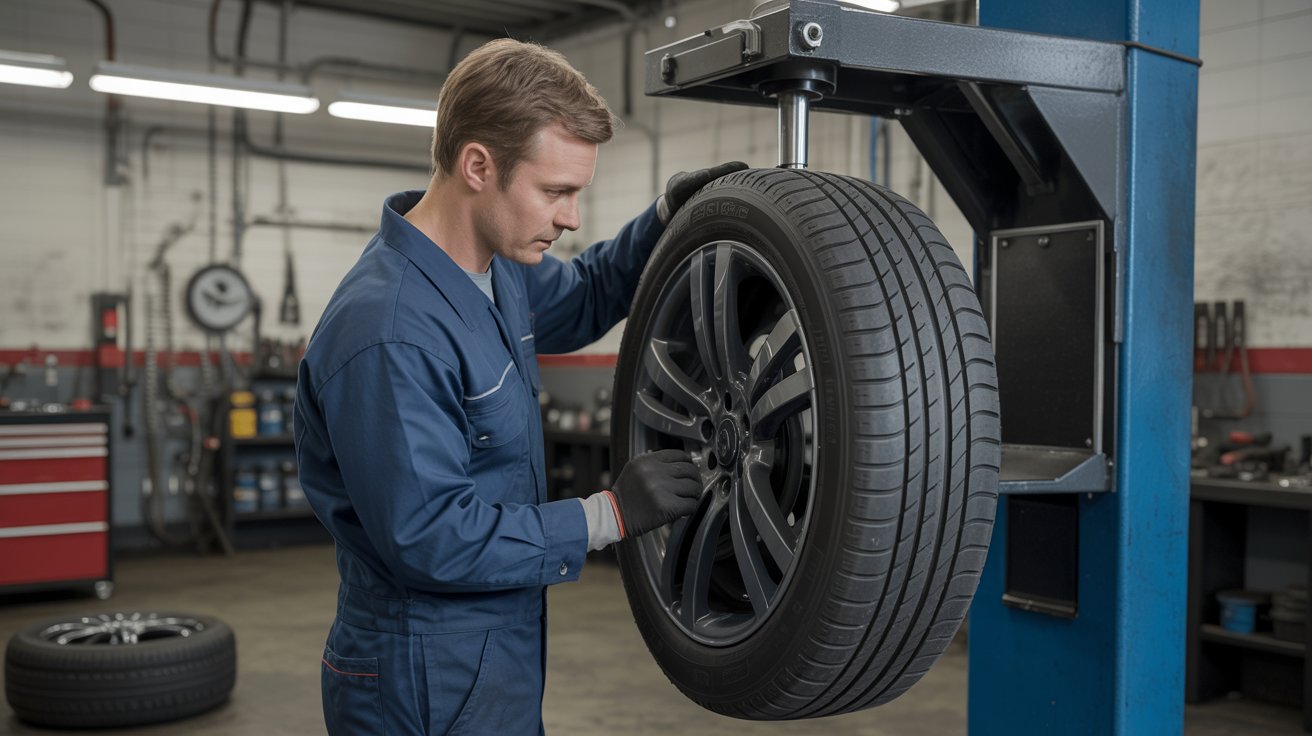
Once you find the source of the leak, there are several ways to fix it depending on the cause.
Patch Small Punctures or Replace the Valve Stem
A small puncture in the tread can often be patched or plugged, making for a quick and affordable fix.
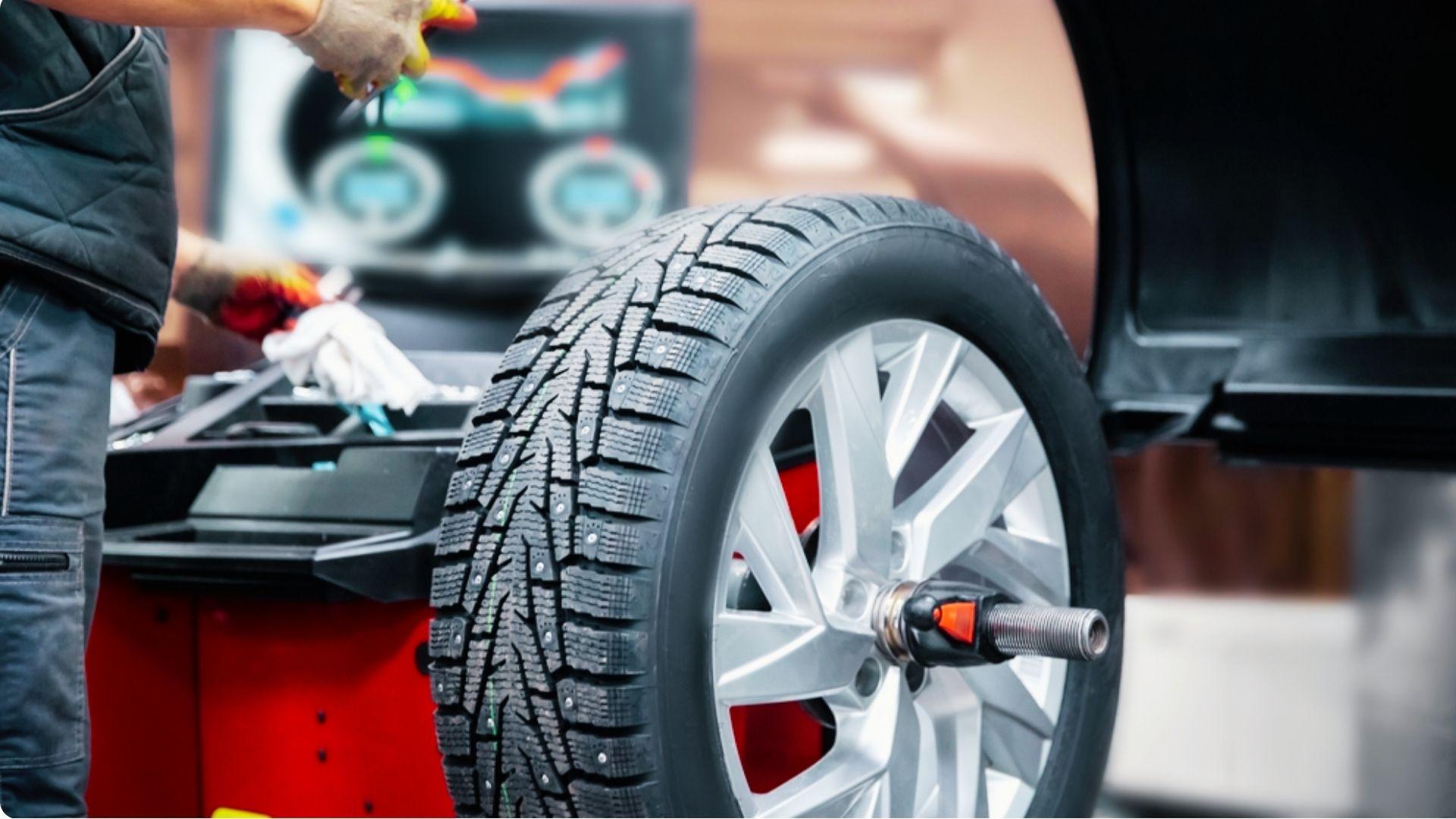
A worn valve stem, on the other hand, should be replaced rather than repaired, a simple job a tire shop can handle quickly.
Fix Bead/Rim Leaks or Replace a Damaged Tire
A bead leak often needs the tire removed and resealed, and rim damage may need to be cleaned or smoothed out.
But if the sidewall is cracked or the tire is too old, replacement is the safest option, since patching that kind of damage isn't reliable.
Can You Drive With a Tire That Loses Air Overnight?
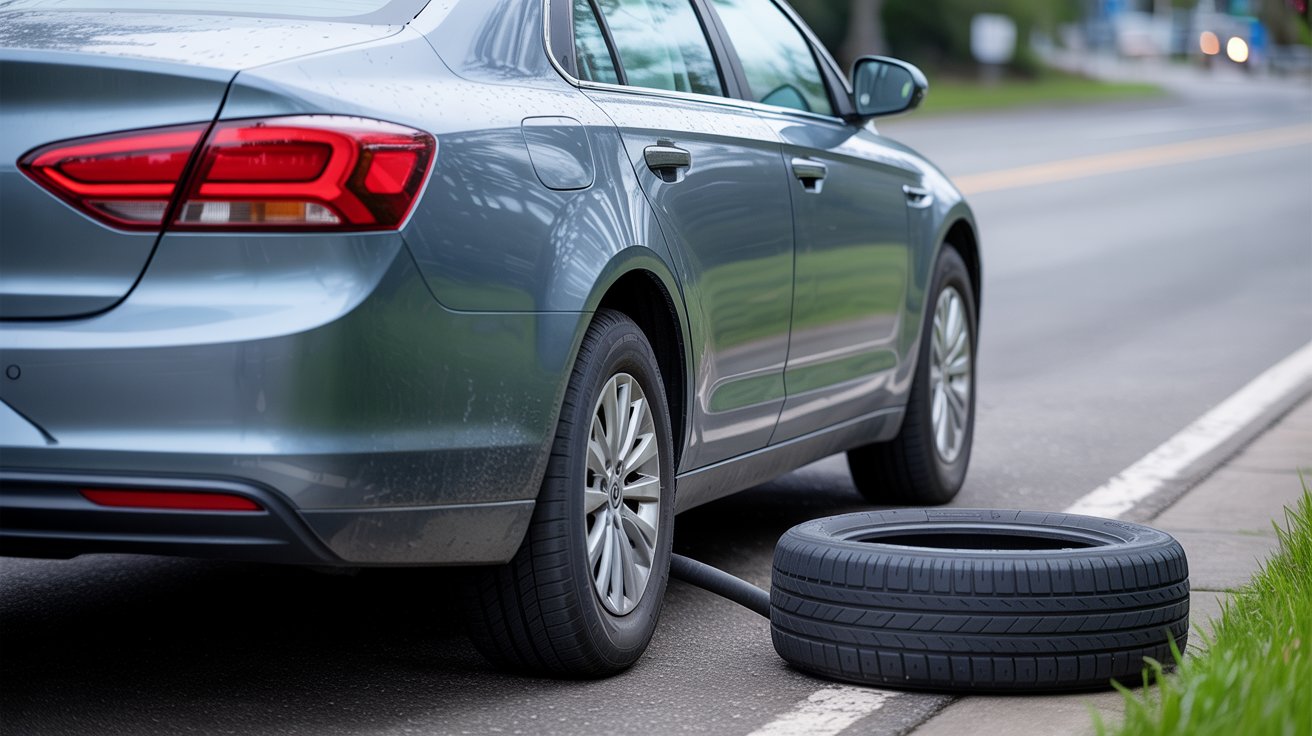
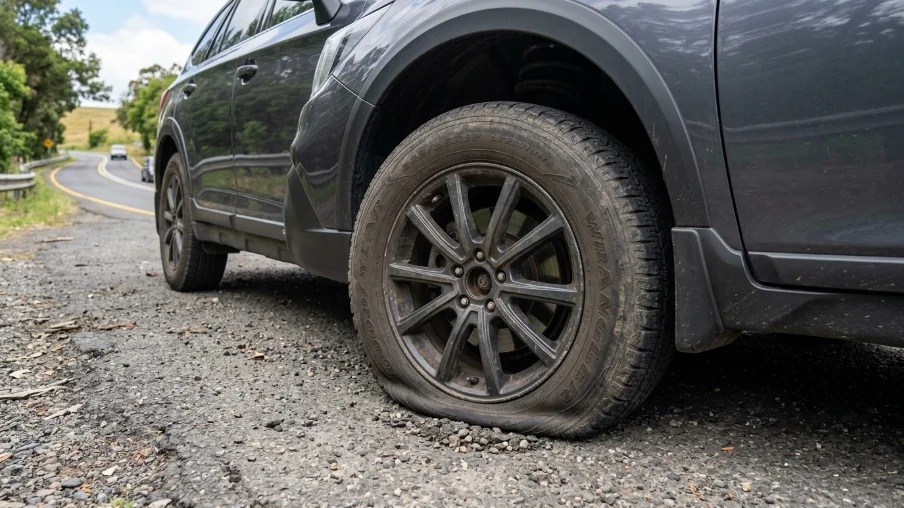
Driving on a tire that loses air is risky and can lead to a blowout or loss of control.
Low tire pressure affects handling and braking, and it also raises the chance of a tire failure while driving.
If your tire pressure drops fast or you notice a wobble, do not drive.
Get the tire checked before heading out.
When to Seek Professional Tire Repair
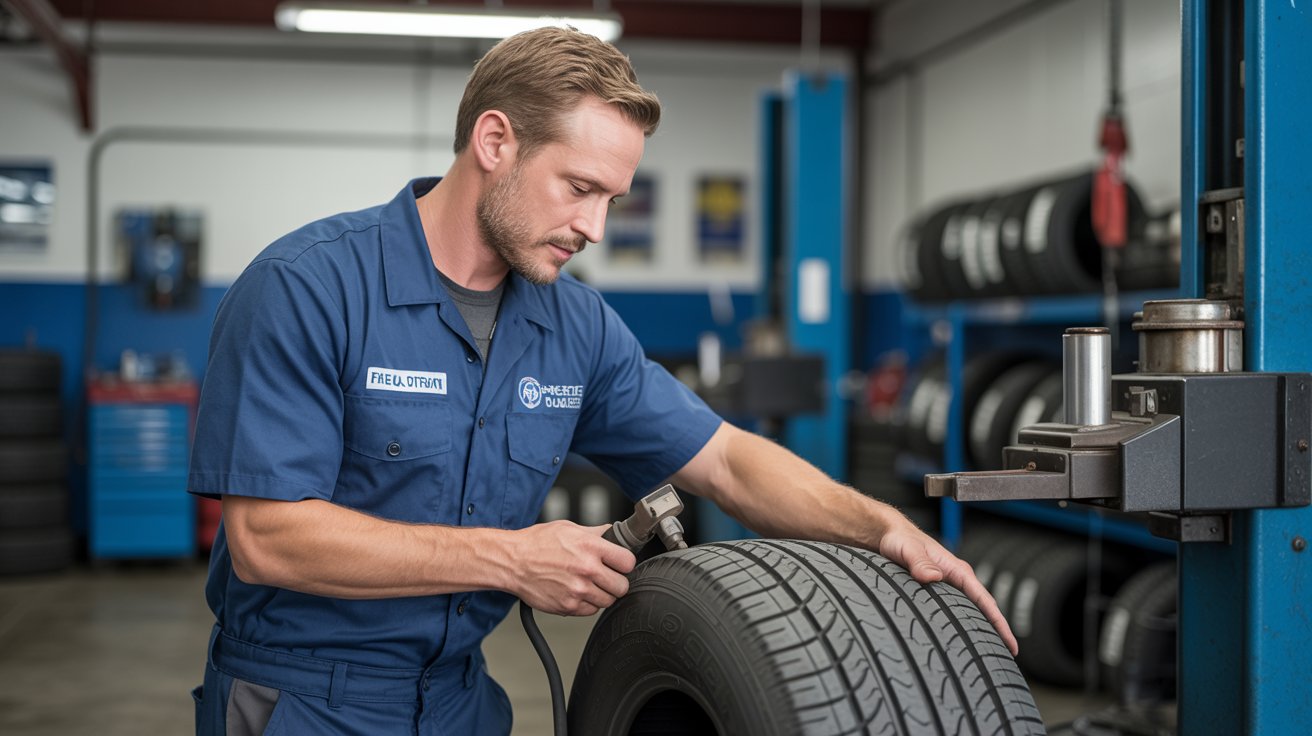
If you cannot find the source of the leak on your own, it is time to see a professional.
A tire shop has the tools to check for hidden punctures, rim damage, and valve problems.
You should also see a professional if your tire keeps losing air even after a repair.
This can mean the damage is bigger than it looks, or there is more than one leak.
See a shop right away if your tire goes flat within a few hours, or if you notice bulges or sidewall cracks.
Getting it checked early can prevent a flat tire and keep you safe on the road.
Tips to Prevent Tires From Losing Air Overnight
Simple habits can help you catch tire problems early and avoid sudden air loss overnight.
- Check tire pressure monthly. Make it a habit to check your tire pressure once a month. This helps you spot a slow leak before it becomes a bigger problem.
- Inspect tires for damage regularly. Take a few minutes to look over your tires for cracks, cuts, or objects stuck in the tread.
- Replace valve stems during tire service. Ask your mechanic to replace valve stems whenever you get new tires. This small step can prevent future leaks.
- Keep wheels clean and corrosion-free. Clean your wheels regularly to stop rust and corrosion from building up. This helps keep the rim seal in good shape.
- Address tire issues early. Do not ignore small signs like a tire that looks slightly low. Fixing problems early can save you from a flat later.
Conclusion
A tire losing air overnight is annoying, but it is almost never a mystery once you know where to look.
I once spent a week topping off a tire before a soapy water test showed a tiny leak near the valve stem, fixed in minutes.
Take a moment this week to check your own tires. A small habit now can save you a stressful morning later.
Have you dealt with a tire losing air overnight? Drop a comment below, and share this post with someone who needs it.
Frequently Asked Questions
Why does my tire lose air only at night?
Cooler night temperatures cause the air inside your tire to contract, which lowers pressure. This drop is normal and does not always mean there is a leak.
How much air loss overnight is normal?
A small drop of 1 to 2 PSI overnight is common, especially in cold weather. A bigger drop usually points to a leak that needs checking.
Can a slow leak fix itself?
No, a slow leak will not go away on its own. It usually gets worse over time and should be checked by a professional.
How do I know if it is the valve stem or a puncture?
A soapy water test can help you tell the difference. Bubbles forming near the valve stem point to a valve issue, while bubbles on the tread suggest a puncture.
Is it safe to drive short distances with a slow leak?
Driving a short distance is usually fine if the tire is not too low. Still, it is best to check the pressure and get it inspected soon.