
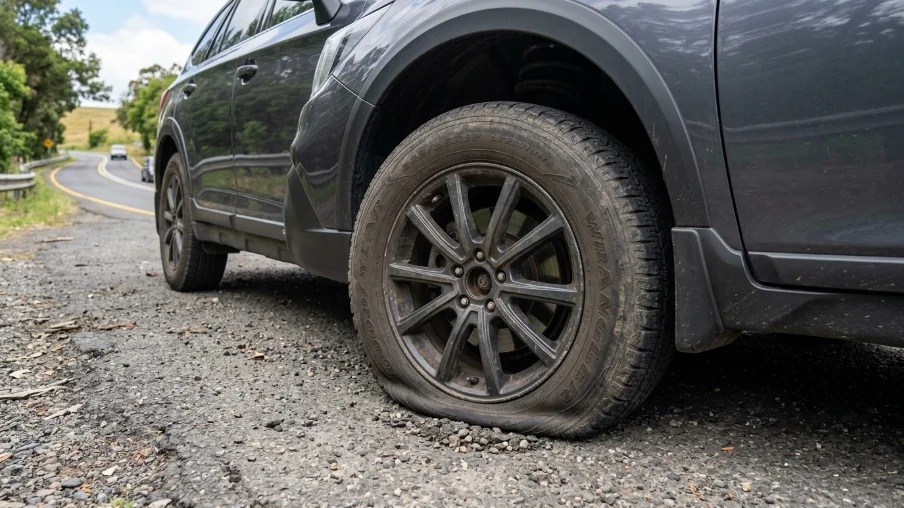
Have you ever wondered what PSI is a flat tire and when low tire pressure becomes dangerous?
A tire that looks slightly low may still be a safety risk, and driving on the wrong pressure can lead to bigger problems.
In this guide, you’ll learn how to identify a flat tire, understand unsafe PSI levels, and know what steps to take next.
We’ll cover warning signs, driving risks, normal tire pressure, and prevention tips to help you make safer choices.
This article is based on trusted tire safety information and practical vehicle care advice to give you clear, reliable answers.
What PSI Is Considered a Flat Tire?
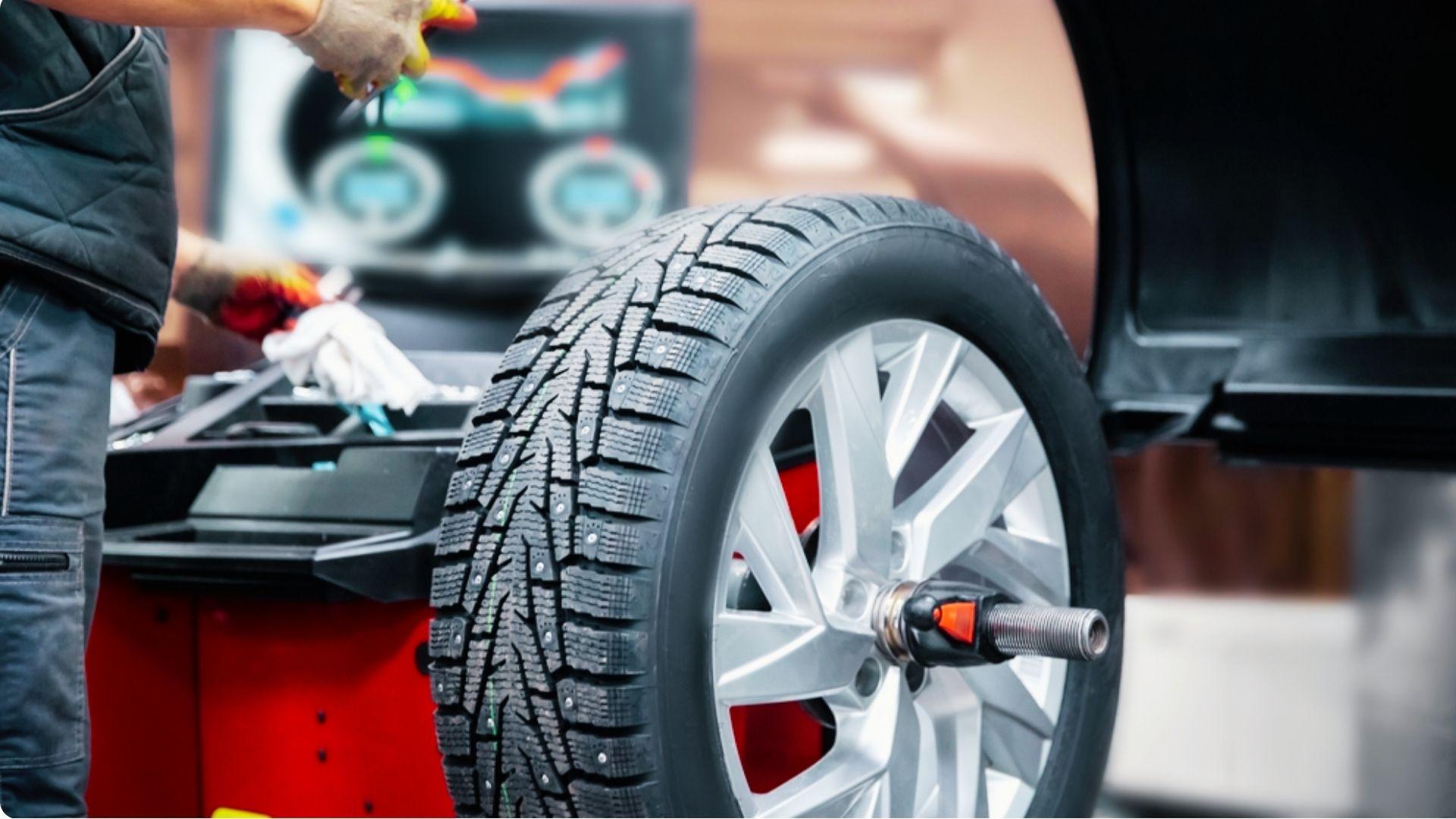
PSI (pounds per square inch) is the unit used to measure the amount of air pressure inside a tire. It shows whether your tire has enough air to support your vehicle safely.
Most passenger vehicles usually need around 30–35 PSI, but the correct level depends on the vehicle and tire type.
A tire is often considered flat when the pressure becomes extremely low or when it cannot properly hold the vehicle’s weight.
Low tire pressure and a flat tire are not the same. A low-pressure tire still contains air but may affect handling, fuel efficiency, and tire wear.
A flat tire has little to no air, causing it to lose its shape and support, making driving unsafe.
How Low Can Tire Pressure Go Before It Becomes Dangerous?
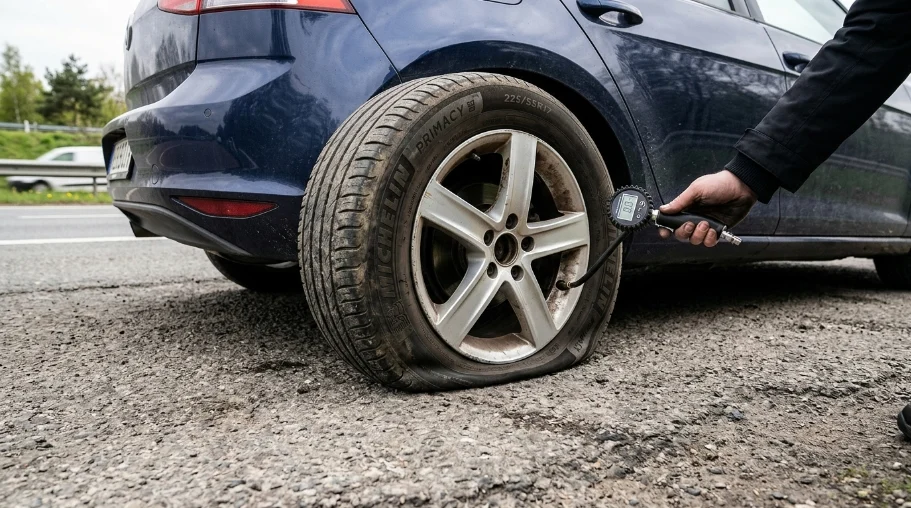
Driving with very low PSI can put your safety at risk because your tires may not perform properly and can suffer serious damage.
Is It Safe to Drive on a Tire With 10 PSI?
Driving on a tire with 10 PSI is not safe because the tire cannot properly support the vehicle’s weight.
Extremely low pressure can make steering harder, increase braking distance, and create poor handling.
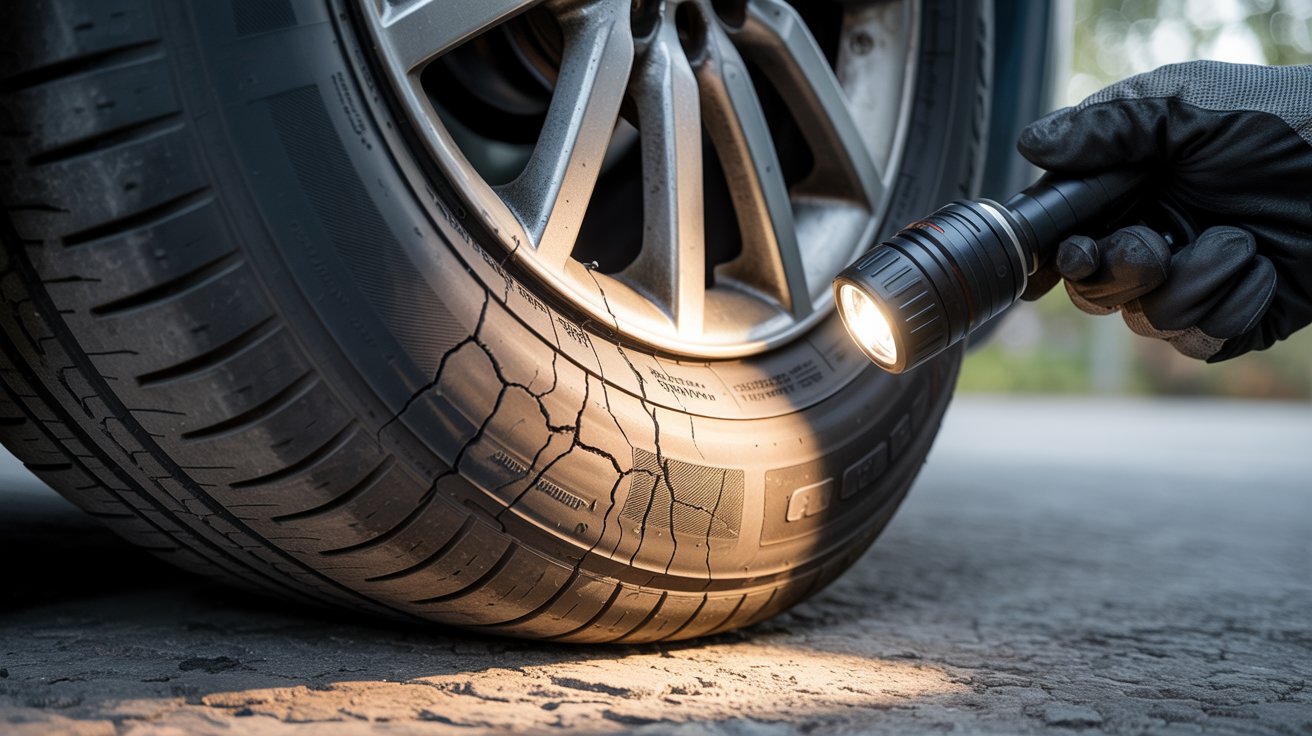
It can also damage the tire’s internal structure, especially the sidewalls, which may lead to a tire failure.
Even a short drive at this pressure can turn a repairable tire into one that needs replacement.
Is 0 PSI Always a Flat Tire?
A tire at 0 PSI usually means it has lost all air pressure and cannot safely support the vehicle.
However, complete air loss can happen in different ways. A sudden puncture may cause rapid deflation, while a slow leak can gradually reduce pressure over time.
In both cases, driving should be avoided to prevent further tire damage.
Signs Your Tire Pressure Is Too Low
Catching low tire pressure early can help you avoid unsafe driving and costly tire damage. These signs are often easy to notice if you pay attention while driving or inspecting your vehicle.
Visible Tire Sagging or Flattening
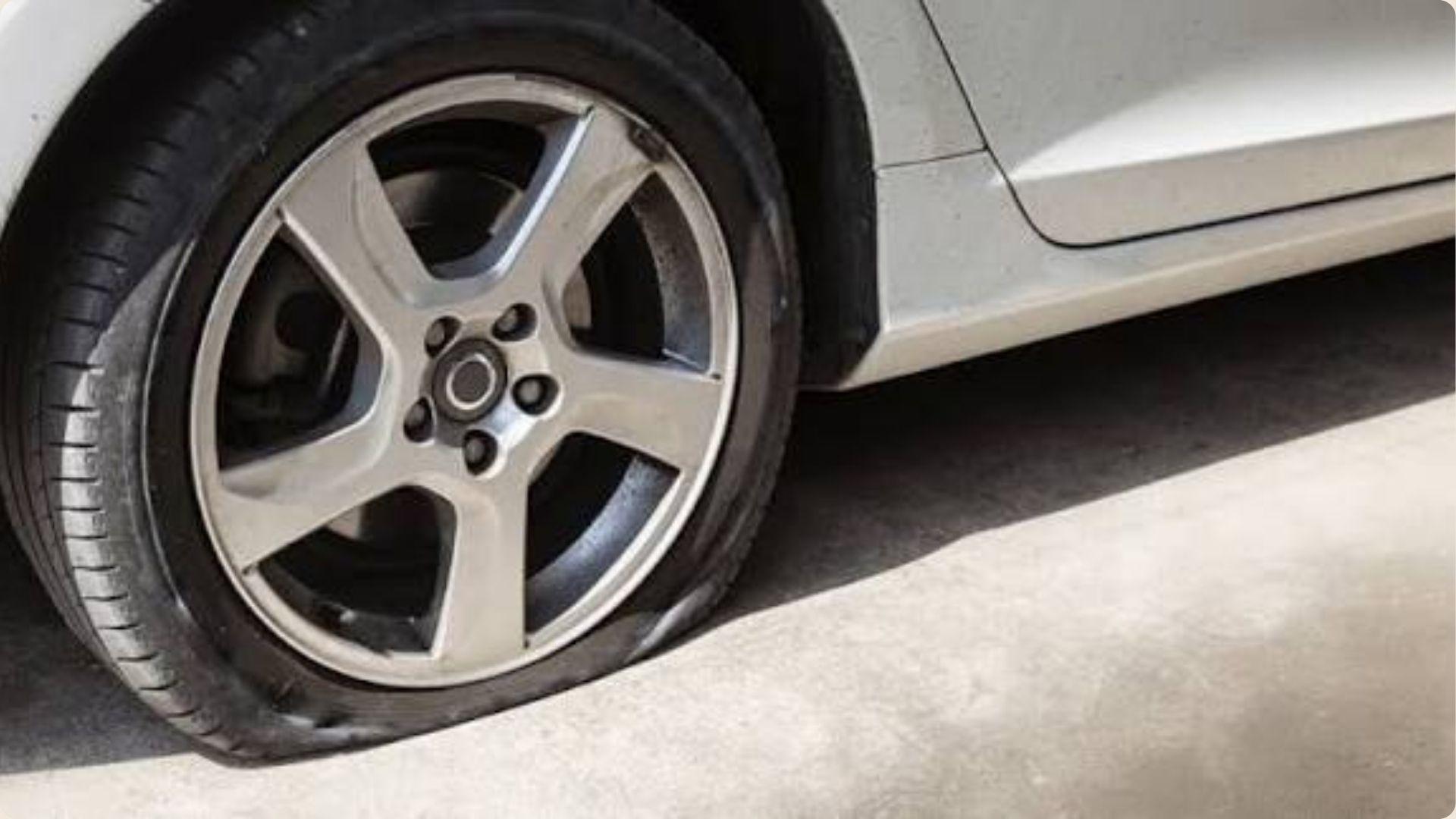
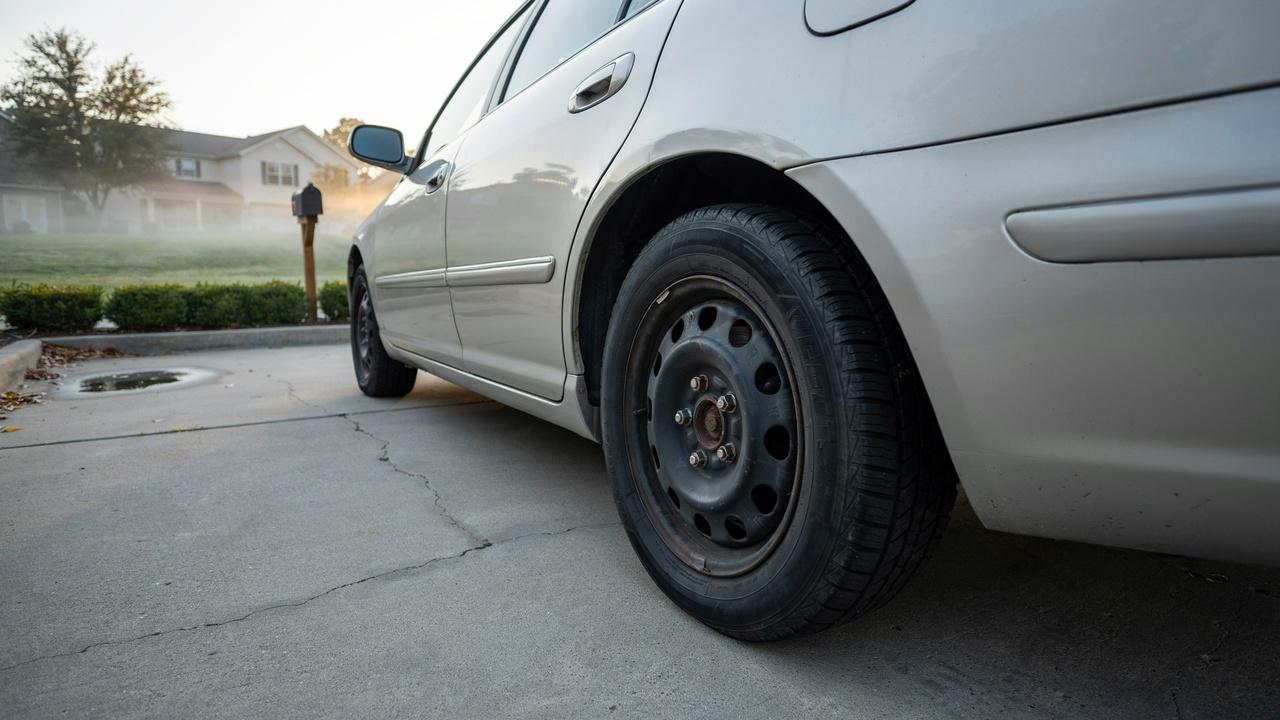
When tire pressure drops, the tire starts to lose its normal round shape. You may notice the bottom looks flattened or the sides appear softer than usual.
This happens because the tire no longer has enough air to properly support the weight of the vehicle.
Even a slight sag can mean the PSI is lower than it should be and needs immediate checking.
Steering Feels Different

Low tire pressure can change how your vehicle responds on the road. The steering may feel heavier, slower, or less smooth than normal.
You might notice it takes more effort to turn or keep the car straight.
This happens because underinflated tires create more contact with the road, increasing resistance and reducing control.
Vehicle Pulls to One Side
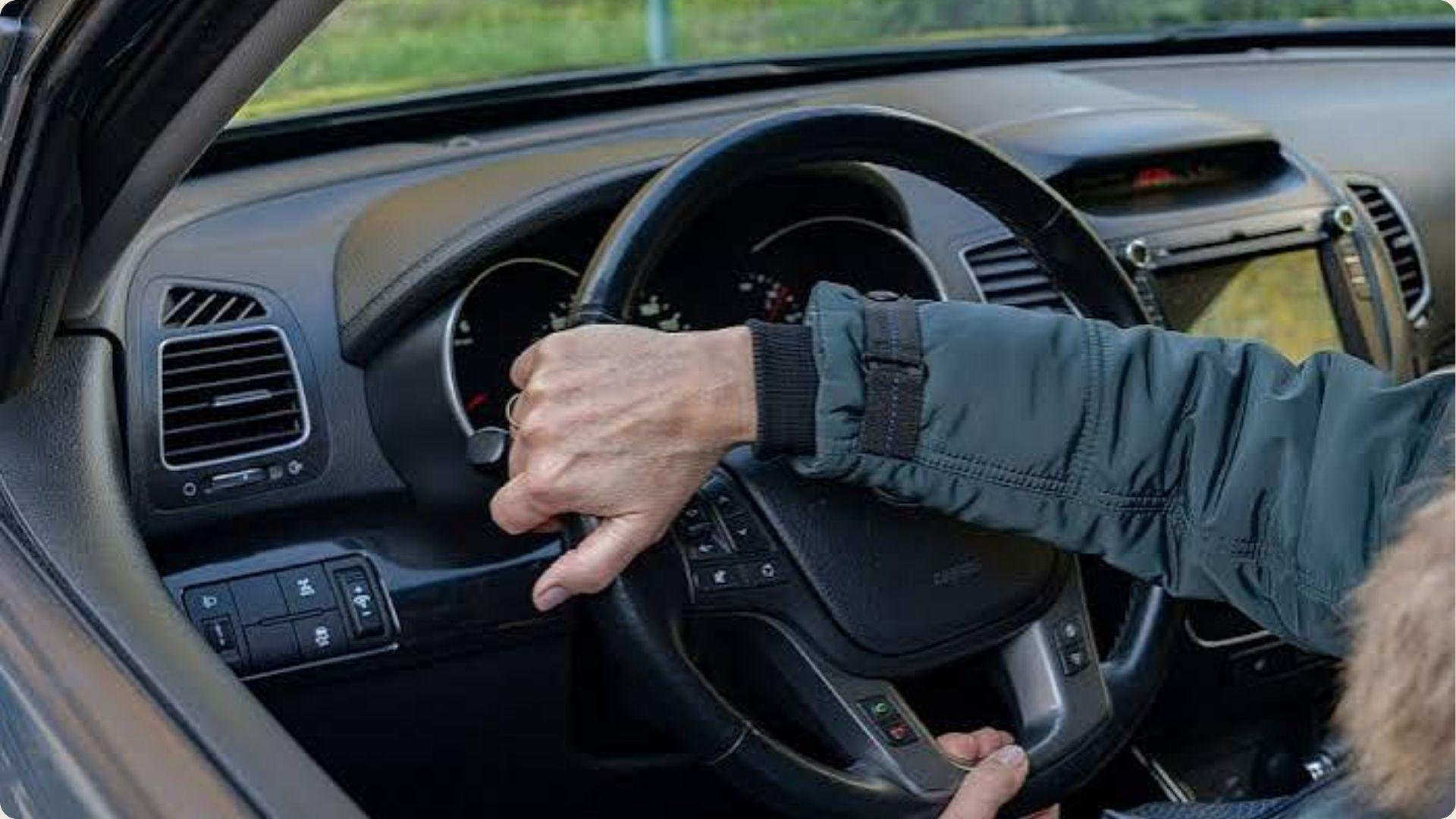
If one or more tires have lower pressure than others, the vehicle may become unbalanced. This imbalance can cause your car to drift or pull slightly to the left or right while driving straight.
It can make driving tiring and less safe, especially at higher speeds or on longer trips.
Tire Pressure Warning Light Appears
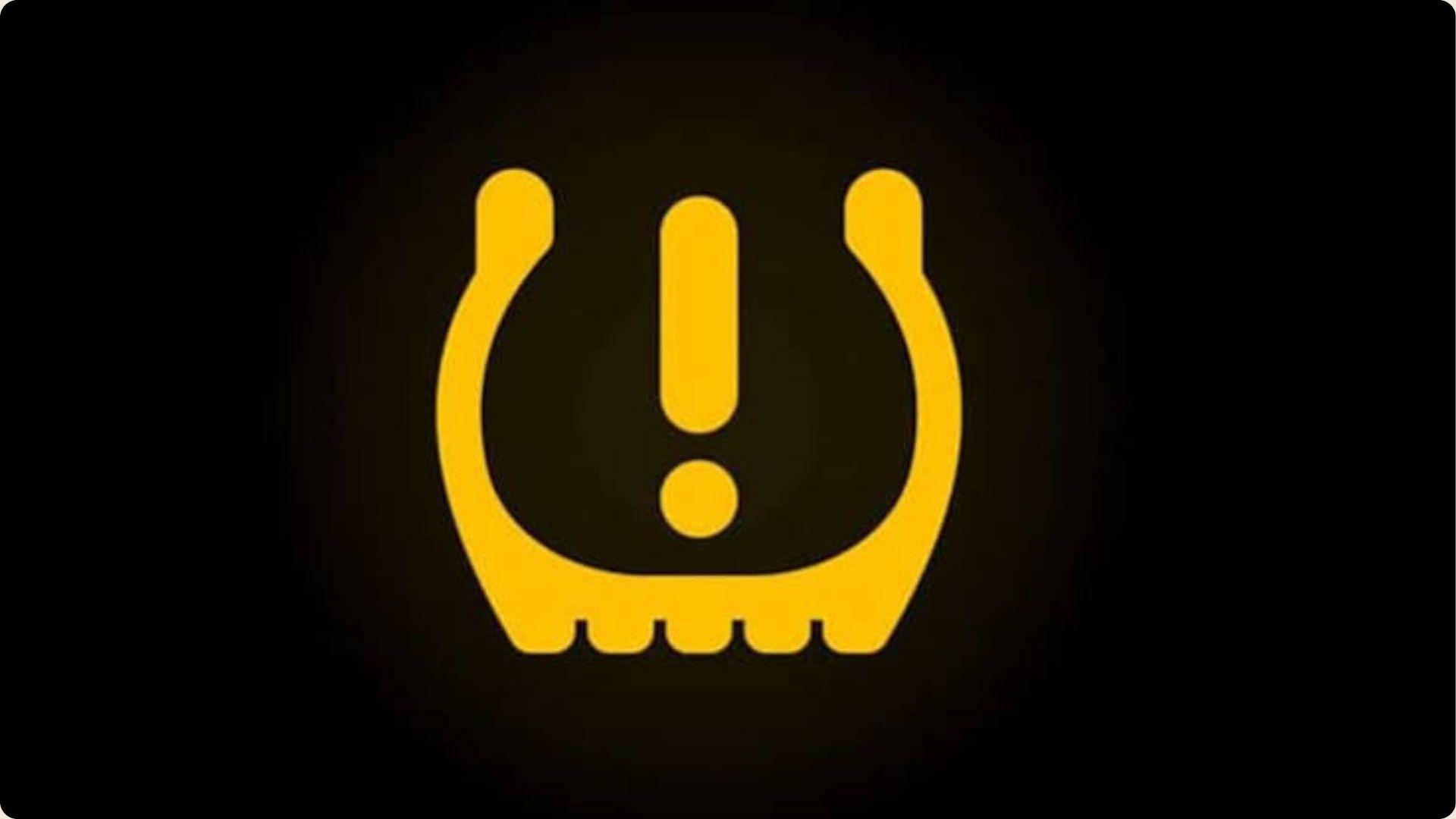
Most modern vehicles come with a TPMS (Tire Pressure Monitoring System). When tire pressure drops below the safe limit, the dashboard warning light turns on.
This is an early alert system that should never be ignored, as it often signals that one or more tires are underinflated and need immediate attention.
Increased Road Noise or Vibration

Underinflated tires do not roll smoothly, which can lead to extra noise and vibration inside the car.
You may feel a slight shaking through the steering wheel or hear a humming sound that wasn’t there before.
These changes happen because the tire is not maintaining proper shape and is making uneven contact with the road.
Poor Fuel Economy
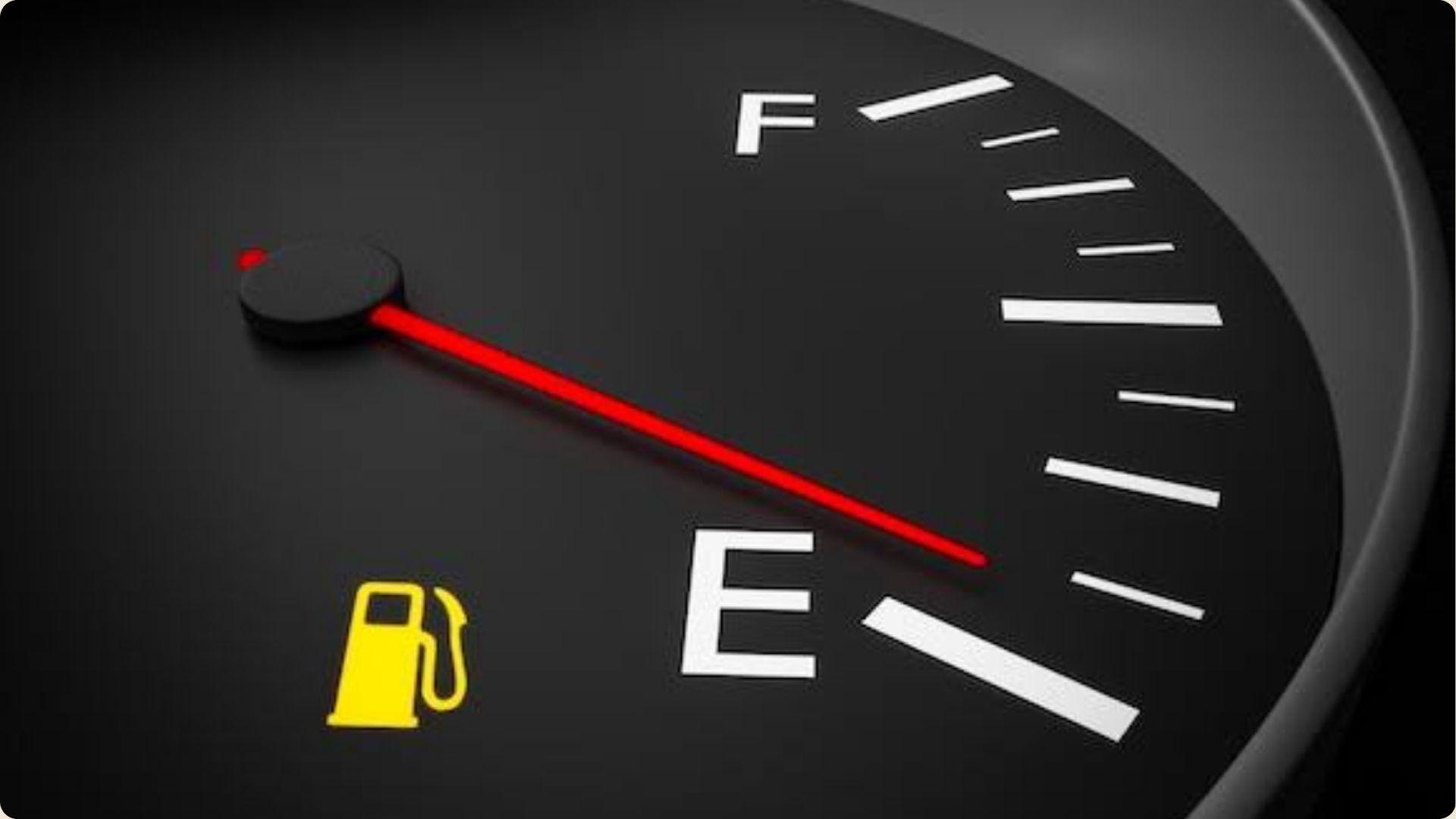
Low tire pressure increases rolling resistance, meaning your engine has to work harder to move the vehicle forward. This leads to higher fuel consumption over time.
Even a small drop in PSI can slowly reduce mileage, making your trips less efficient and more expensive.
What Happens If You Drive With a Flat Tire?
Driving with a flat tire can cause serious damage to your tire and create unsafe driving conditions within a short time.
Tire Damage
When you continue driving on a flat tire, the tire cannot properly support the vehicle’s weight.
This can lead to:
- Sidewall damage: The sidewalls may bend, crack, or become damaged from carrying the vehicle without enough air support.
- Internal tire breakdown: The inside layers of the tire can weaken due to friction and pressure, making future repairs unsafe.
- Need for replacement instead of repair: A severely damaged tire may no longer be repairable and may need complete replacement.
Safety Risks
A flat tire can also affect how your vehicle responds on the road.
Driving with little or no air pressure may cause:
- Loss of control: The vehicle may become harder to steer, especially at higher speeds.
- Reduced braking performance: A damaged or flat tire can reduce stability and increase stopping distance.
- Increased chance of accidents: Poor handling and sudden tire failure can create dangerous situations for you and others.
What PSI Should Your Tires Normally Be?
The correct tire pressure is not the same for every vehicle, and using the right PSI is important for safety and performance.
| Source of Information | Details |
|---|---|
| Driver-side door sticker | Shows the manufacturer’s recommended PSI for front and rear tires |
| Owner’s manual | Provides full tire pressure specifications and load conditions |
| Tire sidewall | Shows maximum pressure, not the recommended daily PSI |
How to Check If Your Tire Is Flat
A quick check can help you confirm whether your tire has lost safe air pressure before it becomes a bigger problem.
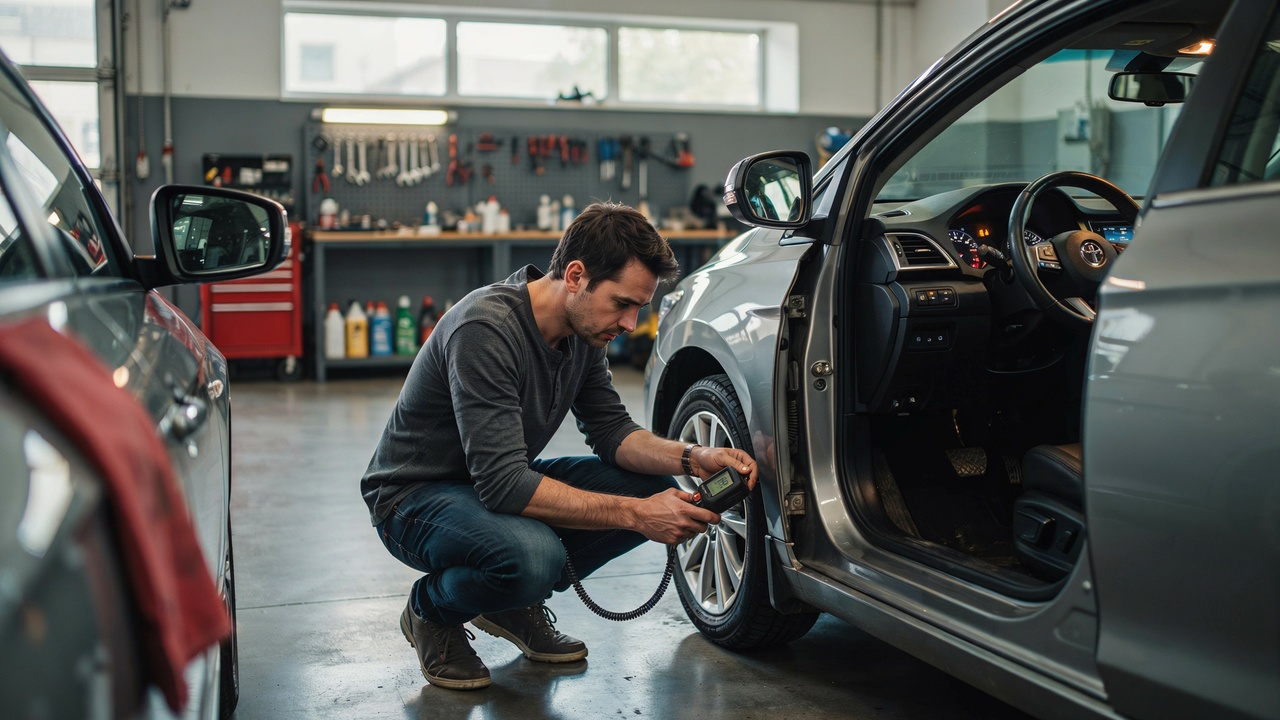
- Use a tire pressure gauge: Measure the current PSI to see if it is below the safe range.
- Check recommended PSI: Compare it with your vehicle’s ideal pressure for accuracy.
- Inspect visible damage: Look for cuts, bulges, or uneven shape on the tire.
- Look for leaks or punctures: Listen for hissing sounds or check for nails or sharp objects.
What to Do If You Have a Flat Tire
Acting quickly and safely can prevent further damage and keep you out of risky driving situations.
- Stop driving if possible
- Move to a safe location
- Use a spare tire or tire repair kit
- Call roadside assistance if needed
- Avoid driving long distances on a flat tire
How to Prevent Flat Tires
Regular care and simple driving habits can significantly reduce the risk of getting a flat tire.
- Check tire pressure regularly
- Inspect tires for damage
- Rotate and maintain tires properly
- Avoid potholes and road hazards
- Replace old or worn tires
Conclusion
Now you know what PSI is a flat tire, how to spot low pressure, and what steps to take before things get worse.
I’ve seen how a simple pressure check can save a long trip from turning stressful, and it really does make a difference.
Think about your next drive, just a quick check can keep you safer and more confident on the road.
If this helped, share your thoughts in the comments or try more simple car care tips here.
Frequently Asked Questions
What PSI is considered a flat tire?
A tire is often considered flat when the PSI drops very low and it can no longer support the vehicle properly. This usually means near-zero pressure or a visibly collapsed tire shape.
Can I drive with low tire pressure?
Driving with low PSI is not safe and can affect control and braking. It can also damage the tire quickly if not fixed soon.
How do I know my tire pressure is low?
You may notice sagging tires, warning lights, or changes in steering feel. A tire pressure gauge gives the most accurate reading.
What happens if I ignore low PSI?
Ignoring low pressure can lead to poor fuel efficiency and tire damage. It may also increase the risk of a sudden blowout.
How often should I check tire pressure?
It’s best to check tire pressure at least once a month. Regular checks help maintain safety and better performance.