
Wondering how often you should rotate your tires? You are not alone.
Many drivers skip this simple task and end up paying more for new tires later. This guide covers everything you need to know about tire rotation intervals.
We will look at rotation schedules by vehicle type, the factors that change how often you should rotate, warning signs to watch for, and the most common rotation patterns.
I have tested these tips on my own car, so this advice comes from real experience, not just research.
By the end of this post, you will know exactly when and how to rotate your tires, so your car stays safe and your tires last longer.
What is the Recommended Tire Rotation Interval?
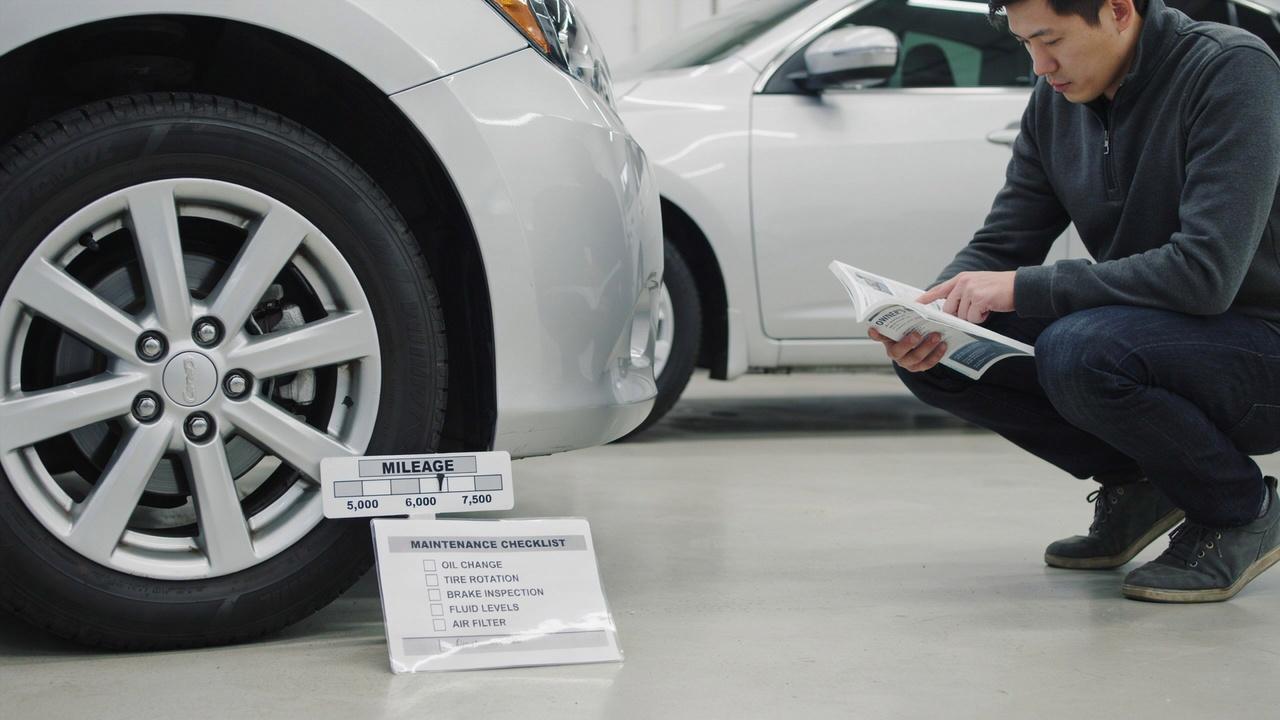
Tire rotation means moving each tire to a new spot on the car. This helps tires wear evenly.
Front and rear tires often wear at different rates due to steering, weight, and braking.
Most car makers recommend rotating tires every 5,000 to 7,500 miles. This often lines up with an oil change, making it easy to remember.
Some cars need more frequent rotation. All wheel drive vehicles wear tires faster on all four corners.
Front wheel drive cars often wear front tires faster due to steering and braking.
Tire type matters too.
Performance tires may need rotation sooner. All season tires often go longer between rotations.
Driving habits also affect wear.
Highway driving causes less uneven wear. City driving with frequent turns and stops wears tires faster.
Always check your owner's manual for the exact number for your vehicle. Skipping rotations can lead to uneven wear, vibration, noise, and shorter tire life.
A simple rule rotates every 5,000 to 7,500 miles, or as your manual states. Set a reminder so you don't miss it.
Tire Rotation Interval by Vehicle Type
Different vehicles wear their tires in different ways, so the right rotation schedule depends on what you drive.
Passenger Cars, SUVs, and Trucks

Most passenger cars and SUVs need a tire rotation every 5,000 to 7,500 miles.
Trucks often carry heavier loads, so they may need rotation a bit sooner.
Checking your owner's manual gives you the exact number for your model.
Electric Vehicles (EVs)
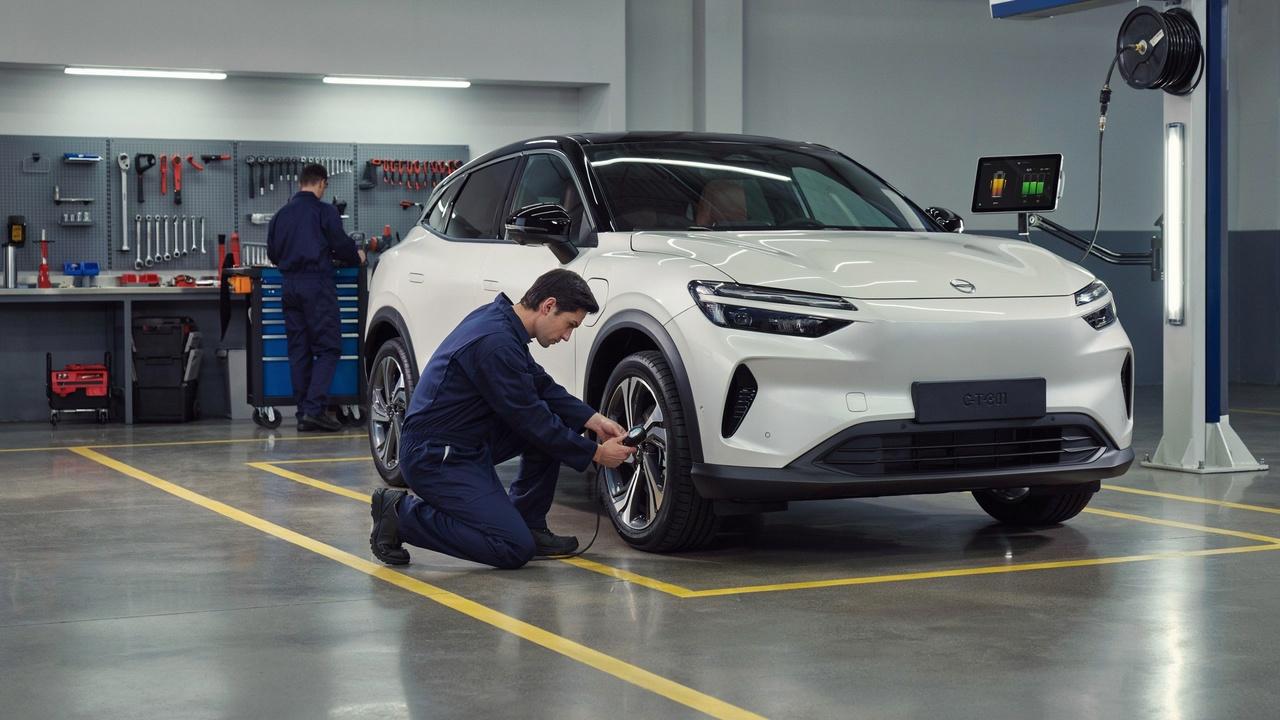
EVs are heavier than gas cars because of their battery packs.
This added weight puts more pressure on the tires, especially in the front or rear depending on the motor setup.
Many EV makers suggest rotating tires every 5,000 miles or sooner.
AWD, FWD, and RWD Vehicles

All-wheel drive vehicles often need more frequent rotations because all four tires work together to move the car.
Front-wheel drive cars tend to wear out front tires faster.
Rear-wheel drive cars usually wear the rear tires faster, so rotation helps balance things out.
Factors That Affect Tire Rotation Interval

Several daily habits and conditions can change how often your tires actually need rotation.
Driving Habits and Road Conditions
Hard braking, sharp turns, and fast acceleration all add extra wear to tires.
Rough roads, potholes, and gravel paths speed up tread wear too.
If you drive in these conditions often, you may need to rotate your tires more frequently.
Towing, Heavy Loads, and Tire Type
Towing a trailer or carrying heavy cargo puts more strain on your tires.
This extra weight can wear tires unevenly if you skip rotations.
The type of tire you use, such as all-season or performance tires, can also affect how often rotation is needed.
Why Following the Correct Tire Rotation Interval Matters
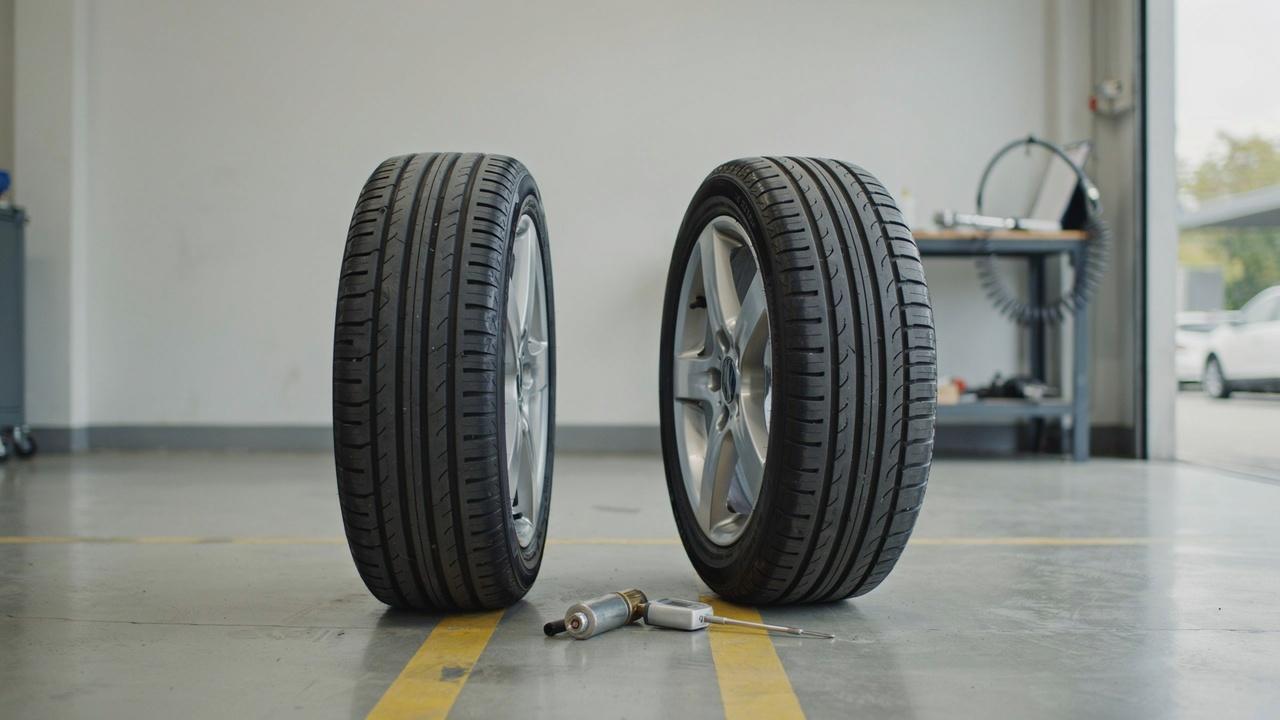
Sticking to a proper rotation schedule keeps your tires safer and saves you money over time.
Prevents Uneven Tire Wear
Tires on different wheels wear at different speeds based on how your car distributes weight and power.
Rotating them regularly spreads out this wear evenly.
This keeps all four tires in similar condition for longer.
Extends Tire Life and Improves Safety
Even wear means your tires last longer before you need to replace them.
It also keeps your car handling well, especially during braking or wet roads.
Good tread depth on all four tires helps maintain proper grip and control.
Signs Your Tires Need Rotation

Your car often gives clear warning signs when tires are due for a rotation.
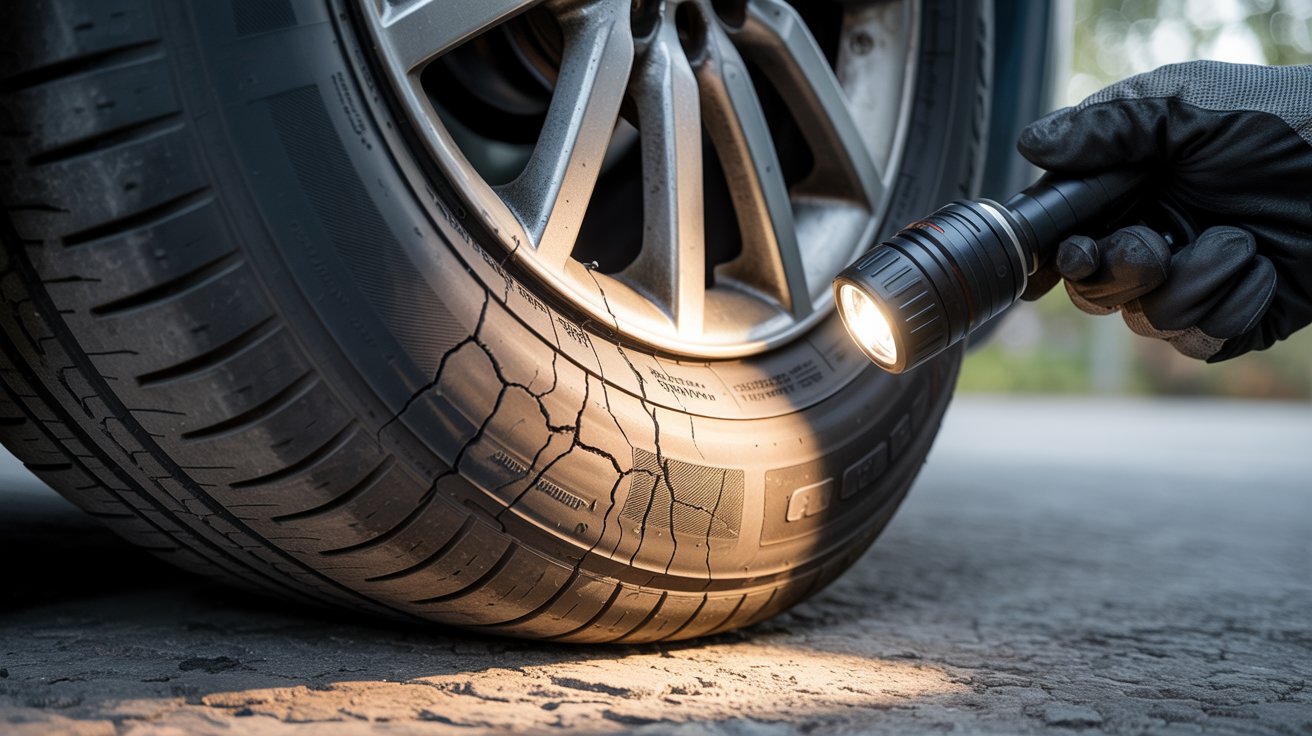
Uneven Tread Wear
Take a close look at your tires every few weeks.
If one tire looks more worn than the others, that is a sign rotation is overdue.
You can also use a simple tread depth tool or a coin to check.
Vehicle Pulling or Vibrations
If your car pulls to one side while driving straight, your tires may be wearing unevenly.
Vibrations in the steering wheel or seat can also point to tire problems.
Both signs mean it is a good time to get your tires checked and rotated.
Common Tire Rotation Patterns
Mechanics use a few standard patterns to rotate tires based on your vehicle's drive type.
Forward Cross
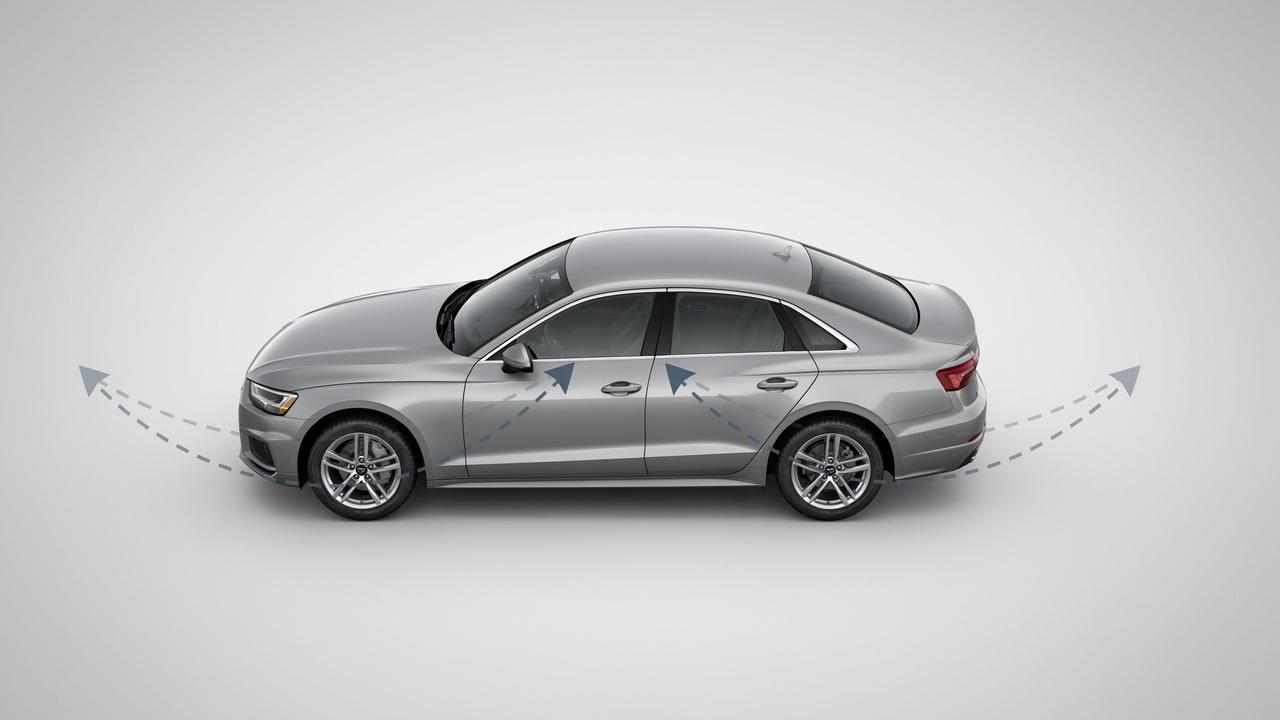
This pattern moves the front tires straight back.
The rear tires move forward and cross to the opposite side.
It is commonly used for front-wheel drive vehicles.
Rearward Cross
This pattern works the opposite way.
The rear tires move straight to the front, while the front tires cross to the opposite rear position.
This pattern suits rear-wheel and all-wheel drive vehicles.
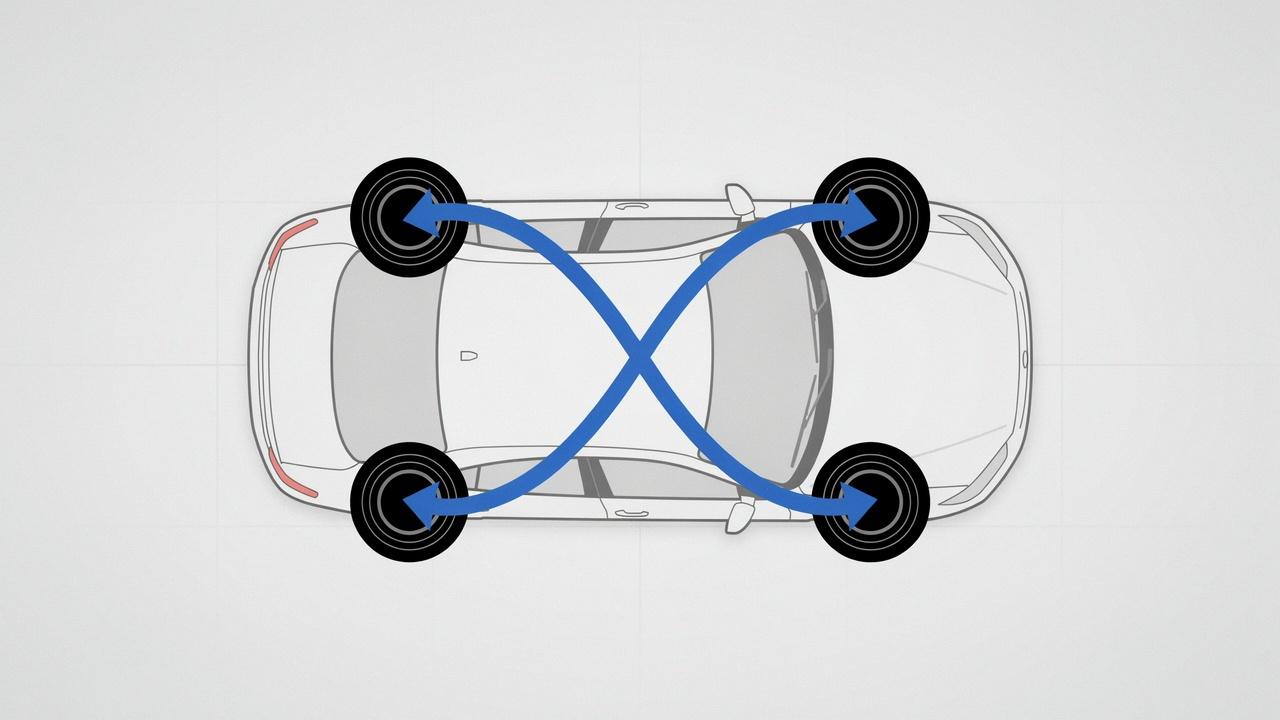
X-Pattern

In this method, all four tires cross diagonally to the opposite side of the car.
Front left moves to rear right, and so on.
This pattern is often used for cars with the same size tires on all four wheels.
Front-to-Back Rotation

This is one of the simplest patterns.
Tires stay on the same side of the car but switch between front and back.
It works well for vehicles with directional tires that should not cross sides.
Tire Rotation Tips
A few simple habits make tire rotation more effective and keep your car safer between services.
- Check tire pressure before and after every rotation, since front and rear tires often need different pressure levels.
- Check tread depth at the same time so you can catch early signs of wear before they turn into bigger problems.
- Follow the tire rotation schedule set by your car maker, since it is based on your vehicle's specific design.
- Sticking to this schedule helps keep your warranty valid and keeps your tires performing the way they should.
- Check your owner's manual or the manufacturer's website for the exact mileage and timing details for your car.
Conclusion
I get it, checking tire rotation intervals is not the most exciting part of owning a car.
I used to put it off too, until a mechanic showed me how unevenly my tires had worn from skipping rotations for too long.
That one visit changed how I think about car care.
Now I mark my rotation dates right next to my oil change reminders, and it has saved me money on tires.
Try it with your own car this month. Then come back and share how it went, or pass this along to a friend who needs the reminder.
Frequently Asked Questions
How often should I rotate my tires?
Most cars need a tire rotation every 5,000 to 7,500 miles. Check your owner's manual for the exact number for your vehicle.
Can I rotate my tires myself at home?
Yes, if you have a jack, lug wrench, and jack stands, you can rotate tires yourself. Many people prefer a shop visit since it pairs easily with an oil change.
Does tire rotation affect my car's warranty?
Some manufacturers require regular rotation to keep tire warranties valid. Skipping rotations could void coverage if uneven wear becomes a problem.
What happens if I never rotate my tires?
Tires will wear unevenly, leading to vibration, noise, and reduced grip. This also shortens the lifespan of your tires and can affect handling.
Is tire rotation different for all-wheel drive cars?
Yes, all-wheel drive vehicles often need more frequent rotation. All four tires work together, so uneven wear can affect handling and traction.