

That little tire icon on your dashboard can be confusing. One day it is off, then suddenly it is on, and you have no idea why.
This guide explains everything about the tire monitor system, from why the light turns on to what it means when it flashes.
You will also learn the difference between direct and indirect systems, and the exact steps to reset it.
I know how stressful this light can feel, especially when you are not sure if it is serious.
I have dealt with this issue many times in my own car, so I am sharing what actually works.
By the end of this post, you will know exactly what your car is telling you, and how to fix it fast.
What Does Tire Monitor System Mean?

A tire monitor system, often called a TPMS, is a small set of sensors built into your car.
Its job is simple. It checks the air pressure inside each tire and tells you if something is wrong.
Most cars use a dashboard light to show this warning.
When the light turns on, it usually means one or more tires have lost pressure.
Some systems even show the exact pressure number for each tire on a screen.
This system works in the background while you drive. You do not need to check it by hand.
It does the checking for you and sends a signal the moment pressure drops too low.
Low tire pressure can cause poor fuel use, faster tire wear, and even blowouts on the road.
A tire monitor system helps you catch these problems early, before they turn into bigger issues.
In short, a tire monitor system keeps an eye on your tires so you do not have to guess. It gives you a clear warning the moment something needs attention.
Why is the Tire Monitor System Light On?
This light usually turns on due to pressure changes, weather shifts, sensor issues, or recent tire work done on your vehicle.
Low or High Tire Pressure
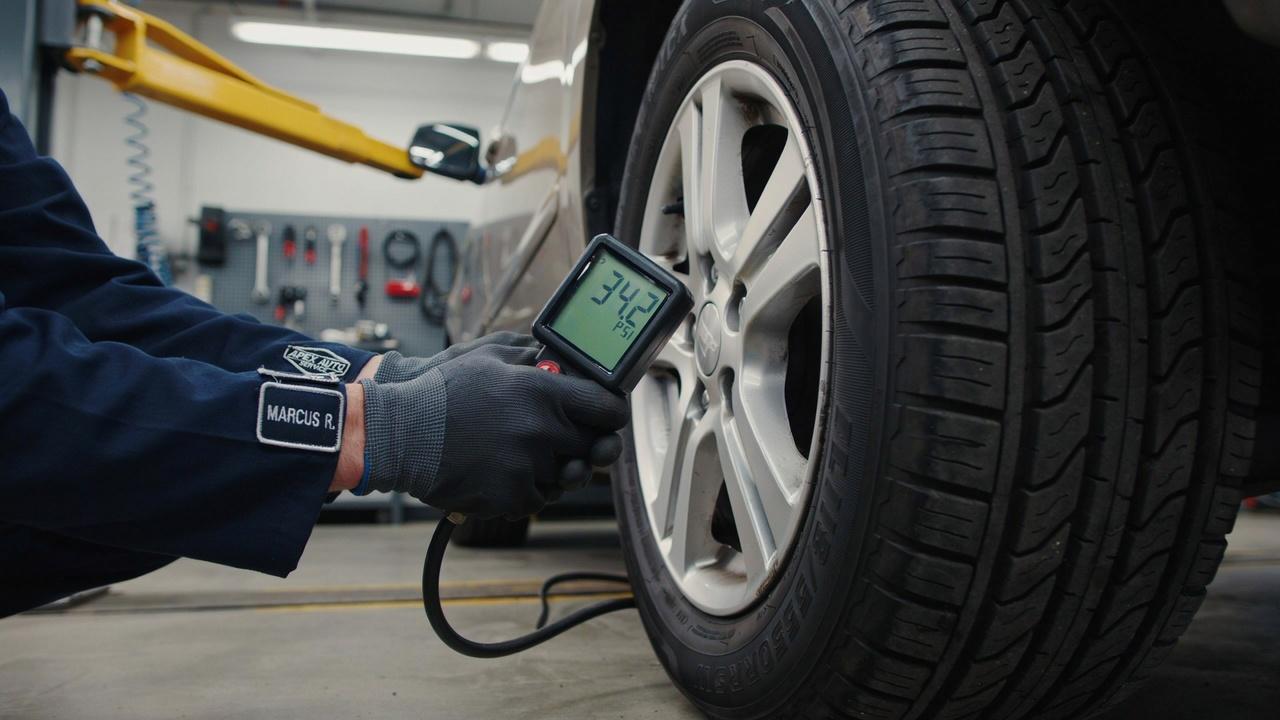
This is the most common reason. Your tires lose or gain air pressure over time.
Once the pressure moves outside the safe range, the system warns you right away.
Temperature Changes
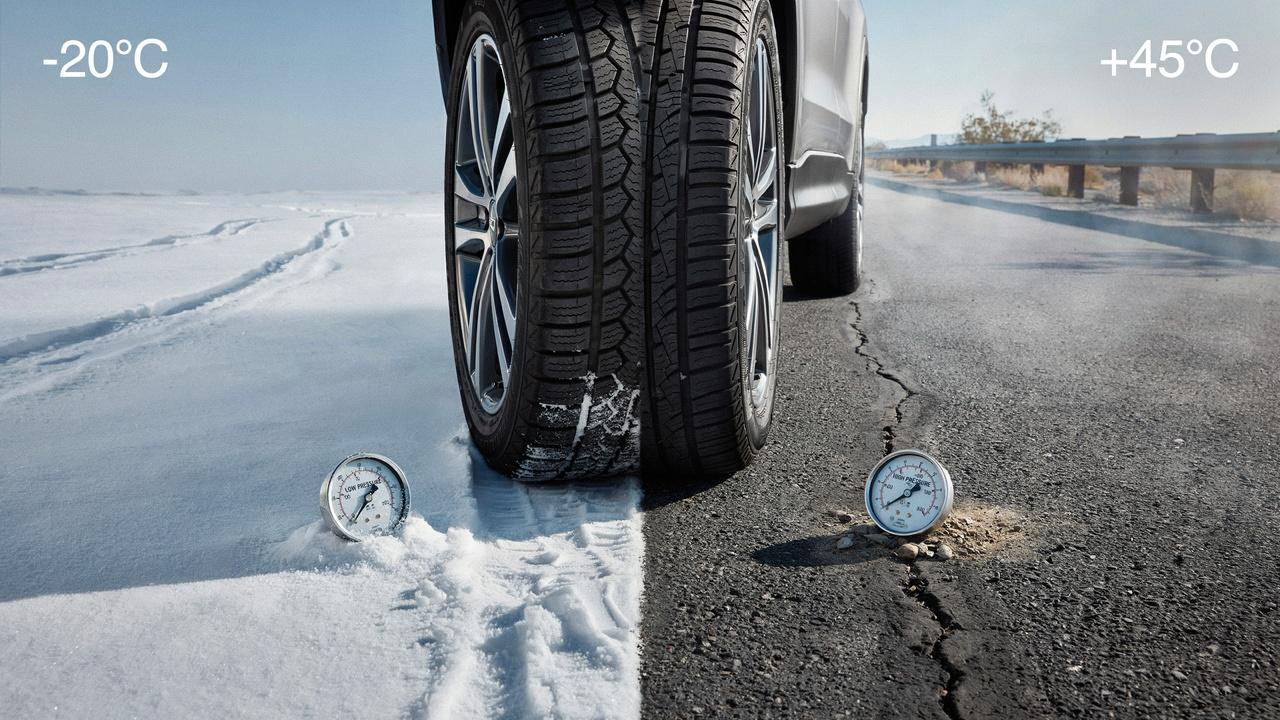
Cold weather lowers tire pressure. Hot weather raises it.
A quick swing in temperature is often enough to trigger the light, even if your tires are fine.
Faulty TPMS Sensors or Dead Batteries
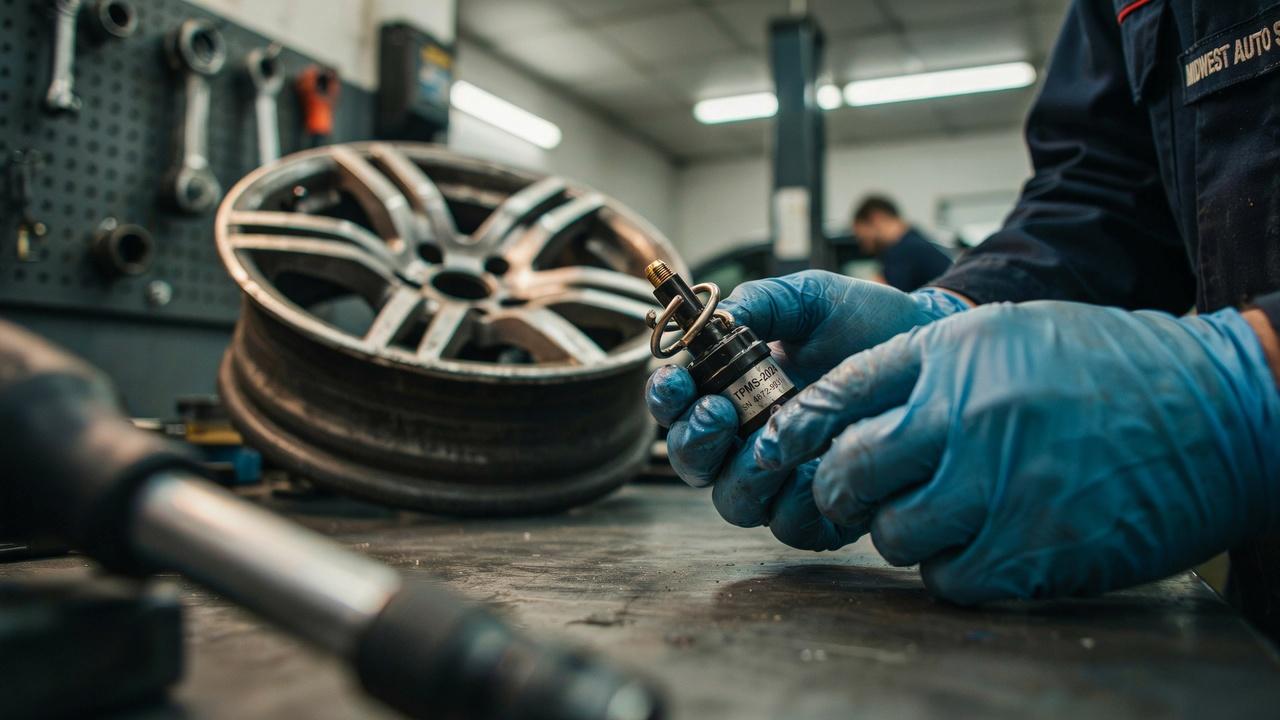
Each tire usually has its own sensor.
These sensors run on small batteries that wear out over years of use.
Once a battery dies, the system can no longer read that tire correctly.
Tire Rotation or Replacement Issues
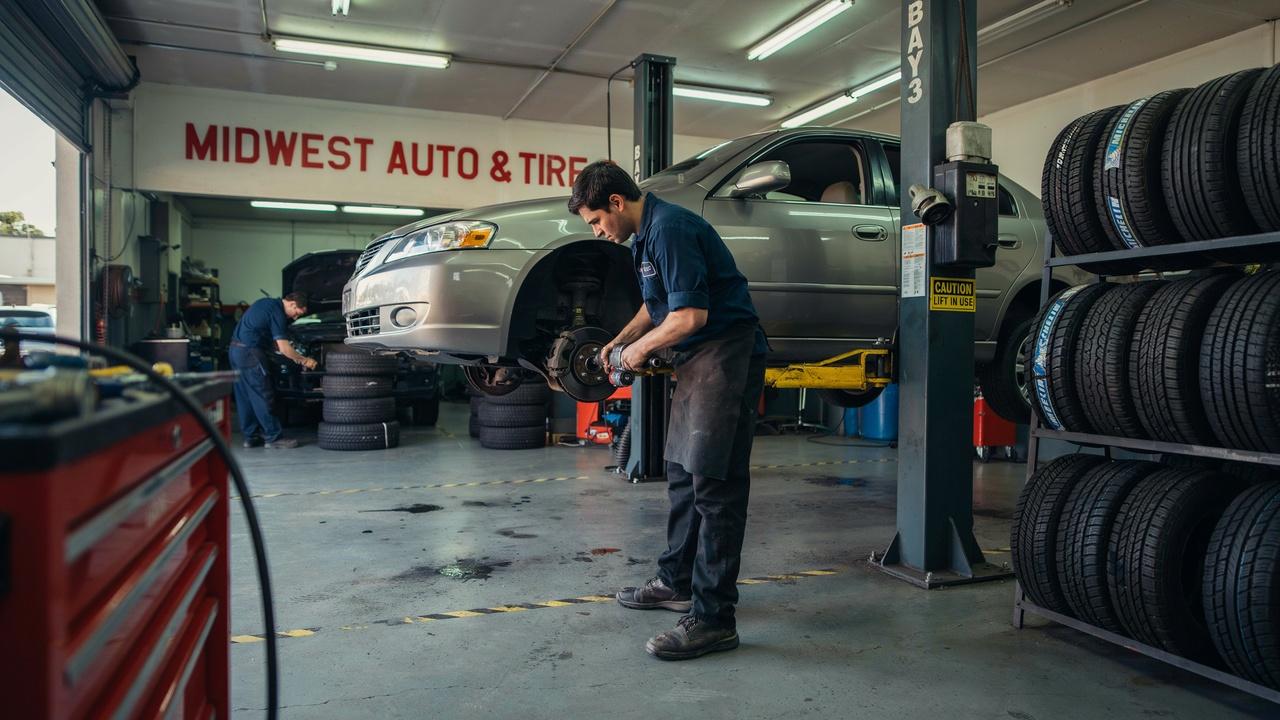
If you just rotated your tires or installed new ones, the system may need to relearn their positions.
Skipping this step is a common cause of the light staying on.
Service Tire Monitor System Meaning Explained

This message points to a problem within the tire pressure system itself, not just low air, and needs a closer look.
What the Message Means
This phrase shows up when the system detects an internal fault.
It is different from a normal low-pressure warning. It often points to a sensor problem or a system error.
Common Causes
Dead sensor batteries, damaged sensors, or a glitch after tire service can all trigger this message.
Sometimes a simple reset clears it. Other times a sensor needs replacing.
Tire Monitor System Meaning Chevy Drivers Should Know
Chevy vehicles often show this exact message on the dashboard.
It usually means the same thing across most Chevy models.
A scan tool or dealer visit can confirm the exact cause.
How to Fix and Reset the Tire Monitor System

Fixing this light involves checking pressure, looking for damage, and resetting the system properly so it reads tires again.
Check and Adjust Tire Pressure
Use a tire gauge to check each tire.
Compare the numbers to the recommended pressure listed on the driver door sticker.
Add or release air until each tire matches that number.
Inspect for Leaks or Tire Damage
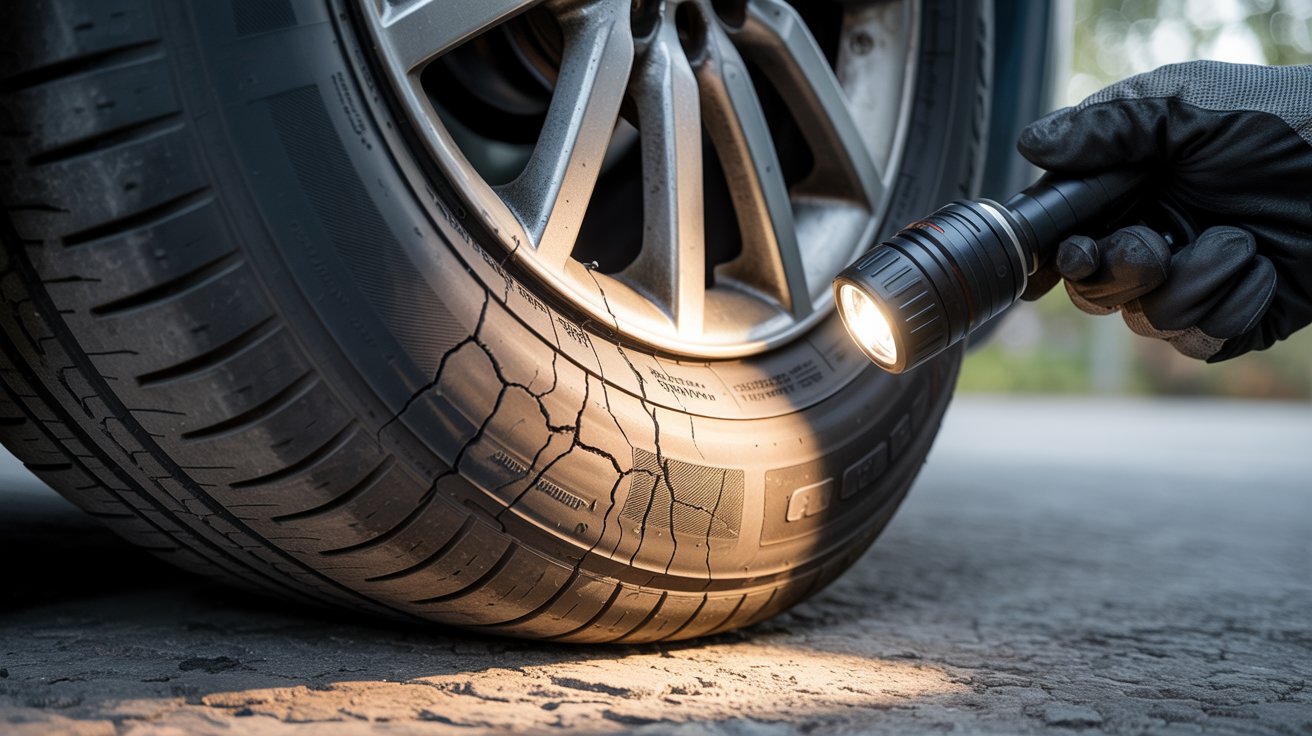
Look for nails, cracks, or worn spots on each tire.
A slow leak can drop pressure over several days without any obvious sign.
A visual check can catch problems early.
Reset or Relearn the TPMS
Most vehicles need a relearn process after a tire change.
This can be done through the dashboard menu or with a TPMS tool.
The owner's manual usually lists the exact steps.
What to do if the Light Stays On
If the light stays on after a reset, a sensor may be faulty.
A mechanic can scan the system to find the exact tire or part causing the issue.
Why is the Tire Monitor System Light Flashing?
A flashing light points to a system fault rather than a simple pressure issue, and it often calls for quick attention.
Flashing vs Solid Light
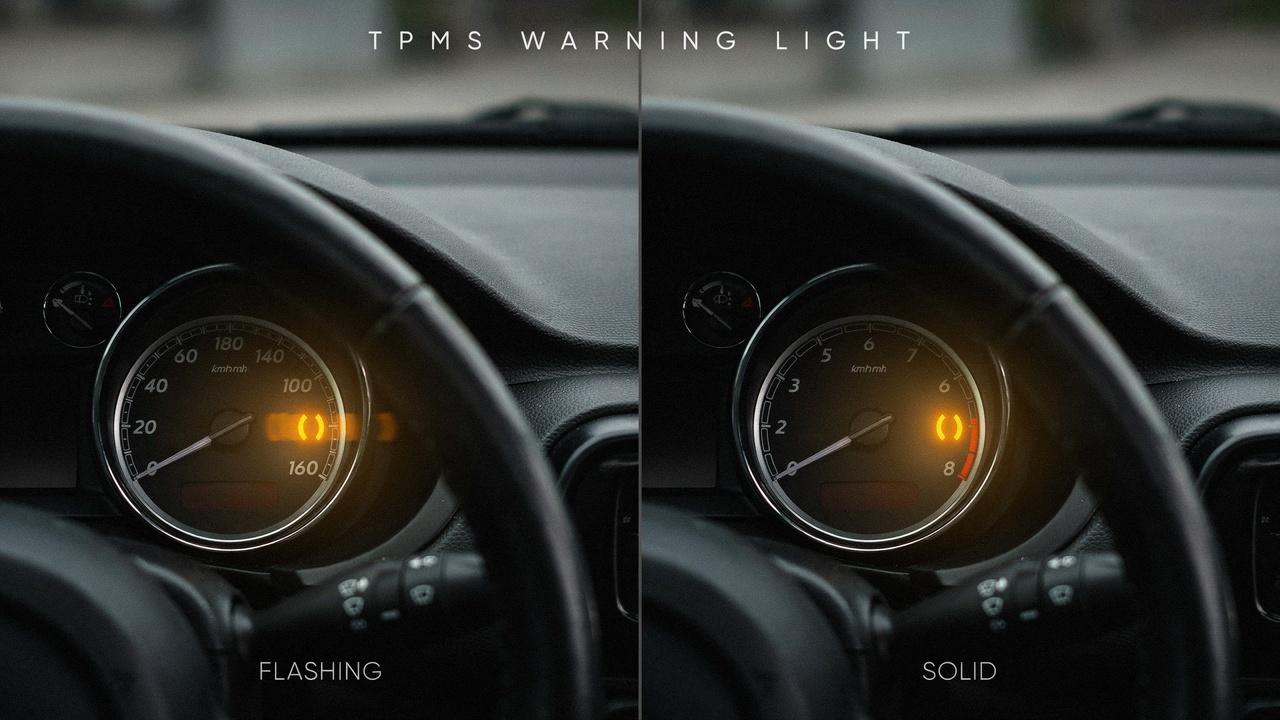
A solid light usually means low pressure.
A flashing light often means a sensor or system error.
Knowing the difference helps you respond the right way.
Sensor and System Problems
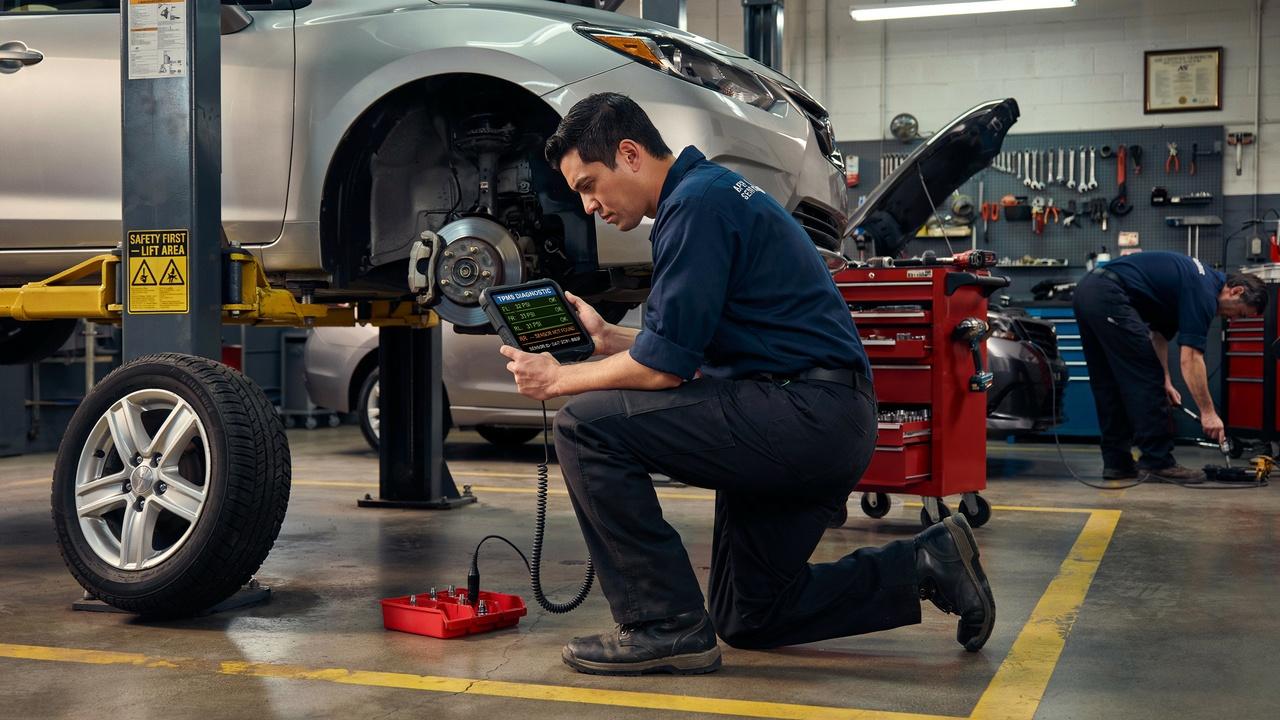
A flashing light may flash for about a minute after startup, then turn solid.
This pattern usually points to a sensor fault rather than air pressure.
A scan tool can confirm the exact problem.
Direct vs Indirect Tire Monitor Systems
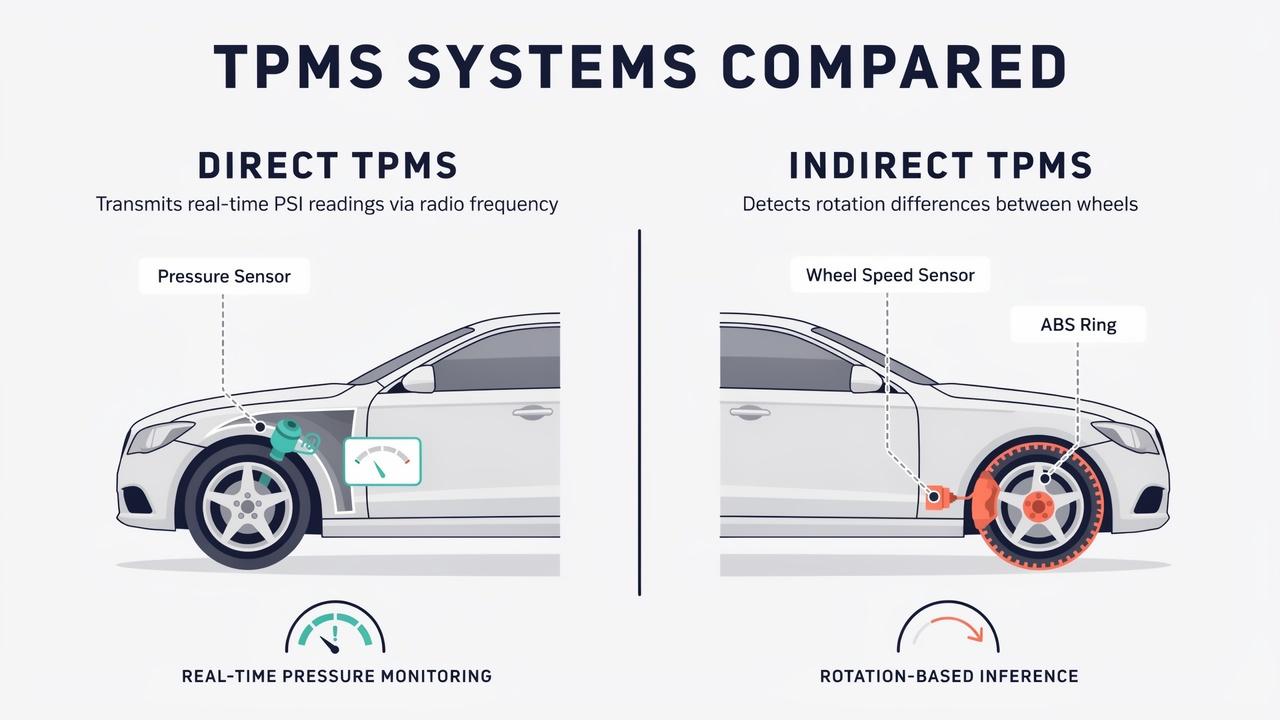
There are two main types of tire monitor systems, and each one reads tire pressure in a different way.
| Feature | Direct TPMS | Indirect TPMS |
|---|---|---|
| How it works | Uses sensors inside each tire | Uses wheel speed sensors |
| What it measures | Actual air pressure in real time | Wheel rotation speed to guess pressure |
| Accuracy | Gives exact pressure numbers | Less precise, gives a general alert |
| Cost | Higher cost | Lower cost |
| Data sent to dashboard | Sends real pressure readings | Sends a warning without exact numbers |
| Maintenance | Sensors may need battery replacement | No battery to replace |
| Best for | Drivers who want precise readings | Drivers who want a basic warning system |
Knowing which type your vehicle has helps you understand its warnings better and respond the right way.
Can You Drive With the Tire Monitor System Light On?

Driving with this light on can be safe for short trips, but it depends on the cause and how serious the issue is.
If the light is solid and tire pressure is only slightly low, short drives are usually fine, though you should check and fix the pressure soon and avoid long trips until the issue is resolved.
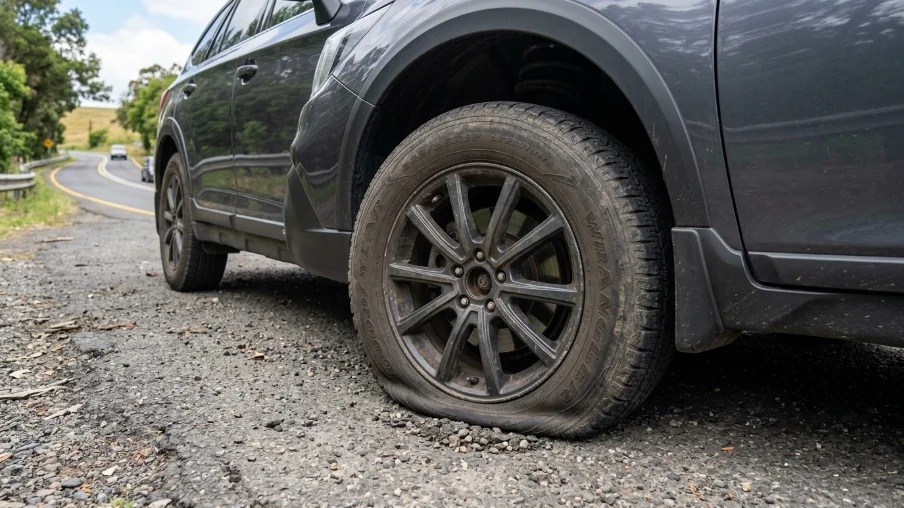
On the other hand, if a tire feels soft, makes noise, or the light flashes along with other warnings, stop and check right away, since driving on a badly underinflated tire can lead to a blowout.
Tips to Prevent Tire Monitor System Problems
Simple habits like routine checks and proper care can stop most tire monitor warnings before they start.
- Check tire pressure once a month to catch small drops before they turn into bigger problems and to help your tires last longer.
- Inspect each tire for damage and correct pressure before any long drive to lower the risk of trouble on the road.
- Check pressure more often during cold months, since temperature swings cause it to change with the seasons.
- Keep tires properly filled all year to improve handling and fuel use.
- Ask your mechanic to check TPMS sensors during routine tire service to catch weak batteries or damaged sensors early, before they trigger a warning light.
Conclusion
I get it, that tire monitor system light can feel like background noise until the day it actually matters.
I learned that the hard way after brushing off a slow leak for days, only to deal with a flat on a busy morning.
Now I check my tires the moment that light shows up, no excuses.
Trust me, a few minutes today can save you a headache tomorrow.
Has this light ever caught you off guard? Share your story in the comments, and pass this along to a friend who needs the reminder.
Frequently Asked Questions
What does it mean when the tire monitor system light comes on?
It usually means one or more tires have lost air pressure. It can also point to a sensor issue or a recent tire service that needs a reset.
Can I drive with the tire monitor system light on?
Short drives are usually fine if the light is solid and pressure is only slightly low. Long trips should wait until the issue is checked and fixed.
Why does the tire monitor system light turn on in cold weather?
Cold air causes tire pressure to drop quickly. This drop is often enough to trigger the warning light, even without a leak.
How do I reset the tire monitor system after a tire change?
Most cars have a relearn process in the dashboard menu or settings. The owner's manual lists the exact steps for your specific vehicle.
Why does the tire monitor system light keep flashing?
A flashing light usually points to a sensor or system fault rather than a pressure issue. A mechanic can scan the system to find the exact cause.