

A tire blowout can happen in seconds. One moment you're driving normally, and the next you're fighting to keep your car steady.
It's a scary experience, and most drivers never see it coming.
This guide breaks down why blowouts happen, from low air pressure to worn tread and road damage.
You'll also learn the early warning signs, like cracks, bulges, and vibrations, so you can catch trouble before it starts.
We'll walk through how to prevent a blowout, what to do if one happens on the road, and simple tips you can use every month to stay safe.
I've researched this topic closely and pulled together advice that real drivers can actually use.
By the end, you'll know exactly what to check and when to act.
What Causes a Tire Blowout?

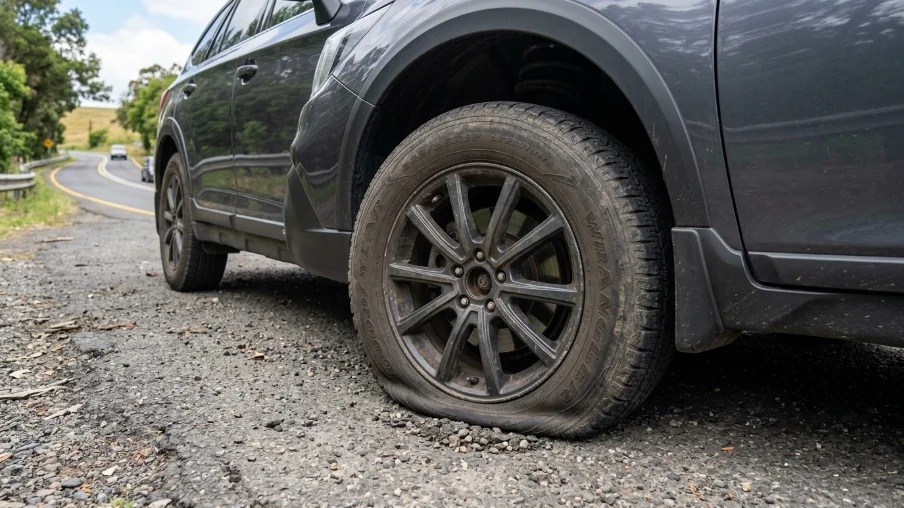
A tire blowout happens when a tire fails suddenly while driving. It can happen at any speed.
Low air pressure is a common cause. A tire with too little air flexes more and builds up heat.
That heat weakens the rubber over time.
Too much air pressure is risky too. An overinflated tire is stiff and can burst easily on a bump or pothole.
Carrying too much weight puts extra strain on tires. This makes them heat up faster and fail sooner.
Worn tread also adds risk. Thin tread cannot handle road heat and friction well.Hot weather raises the chance of a blowout.
Heat already builds up inside a tire, and extra heat from the road can push it past its limit.
Road hazards like potholes and sharp debris can cut or puncture a tire. A small cut can grow into a bigger problem.
Old tires are risky too. Rubber weakens with age, even if the tire looks fine.
Lastly, a manufacturing flaw can cause a tire to fail later, even under normal use.
Main Tire Blowout Causes
Tire blowouts usually happen because of low pressure, excess weight, road debris, worn rubber, or periods of high speed driving.
Underinflated Tires and Heat Buildup
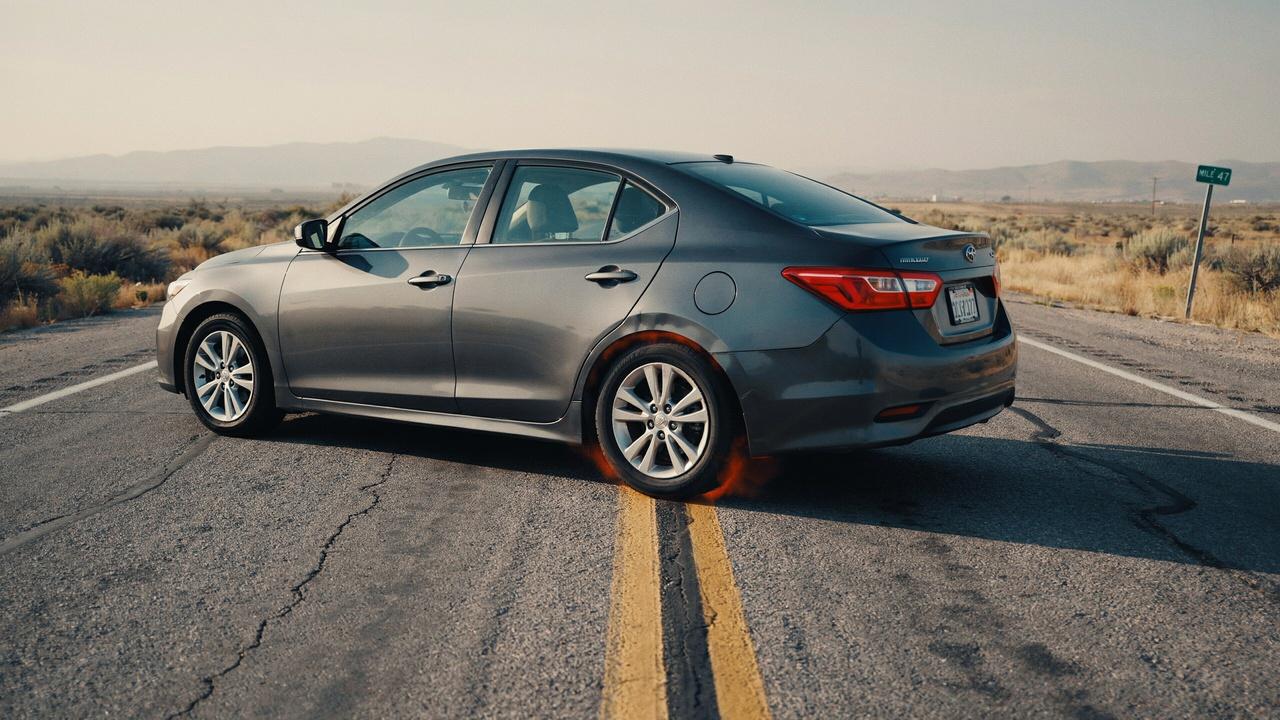
When a tire has too little air, it flexes more than it should.
This extra flex creates friction inside the tire.
Over time, heat builds up and weakens the rubber. Eventually the tire can fail without warning.
Overloading and Excess Weight
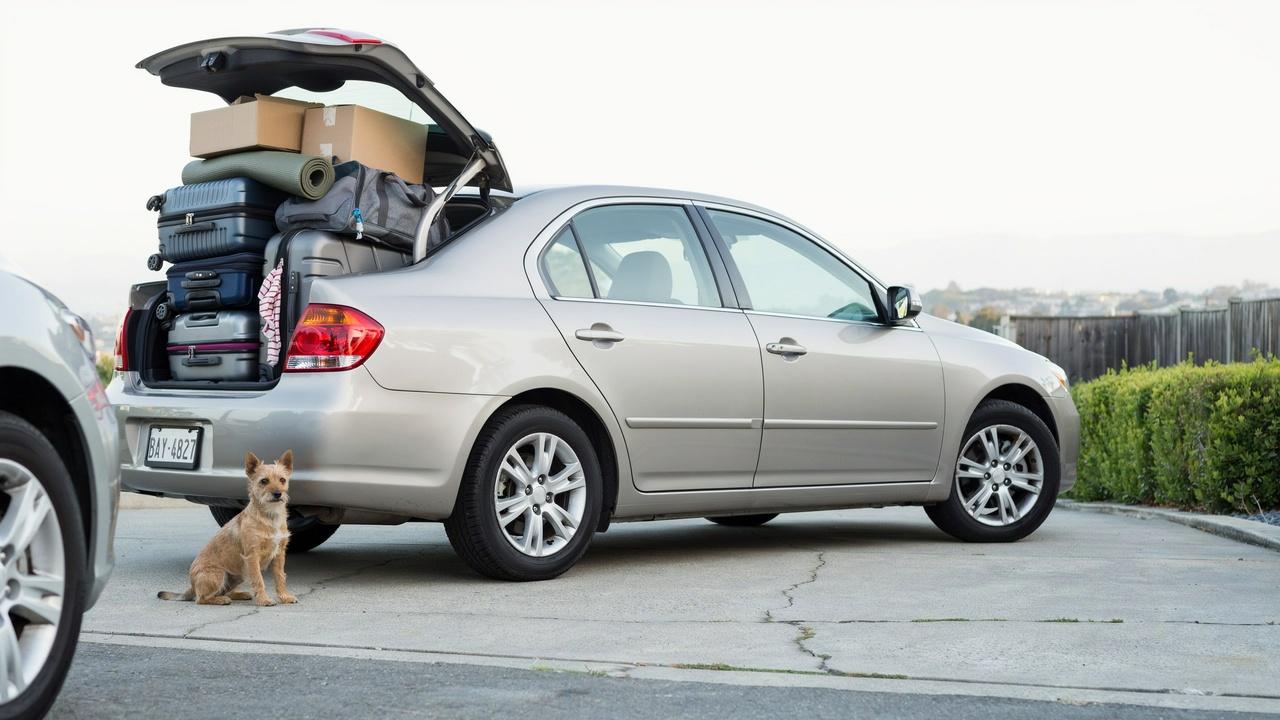
Carrying more weight than a tire is rated for putting extra stress on it.
The tire has to work harder to support the load.
This added strain can cause it to wear out fast or fail suddenly.
Potholes, Nails, and Road Debris

Hitting a pothole or running over debris can damage a tire right away.
Nails and sharp objects can puncture the rubber.
Even a small cut can grow into a bigger problem over time.
Worn-Out or Old Tires
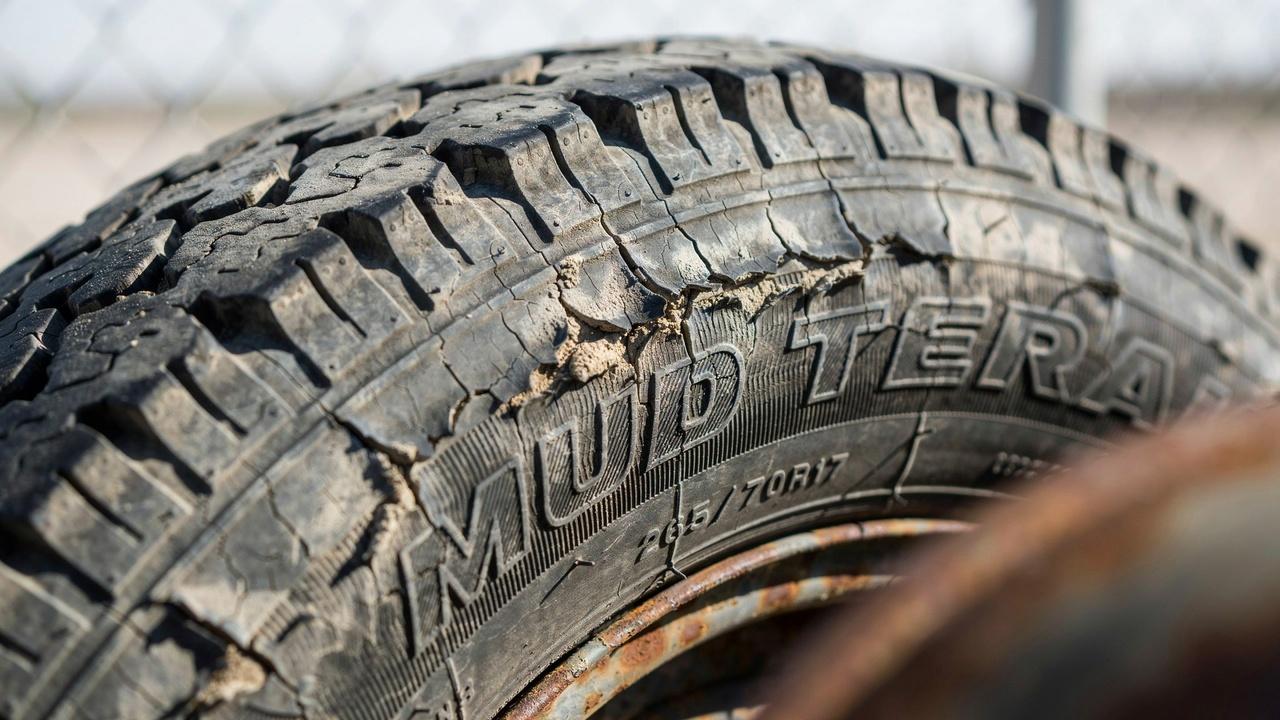
Tires lose strength as they age, even if they look fine.
Rubber breaks down over years of use and sun exposure.
Old tires are more likely to fail under normal driving conditions.
High-Speed Driving and Overheating
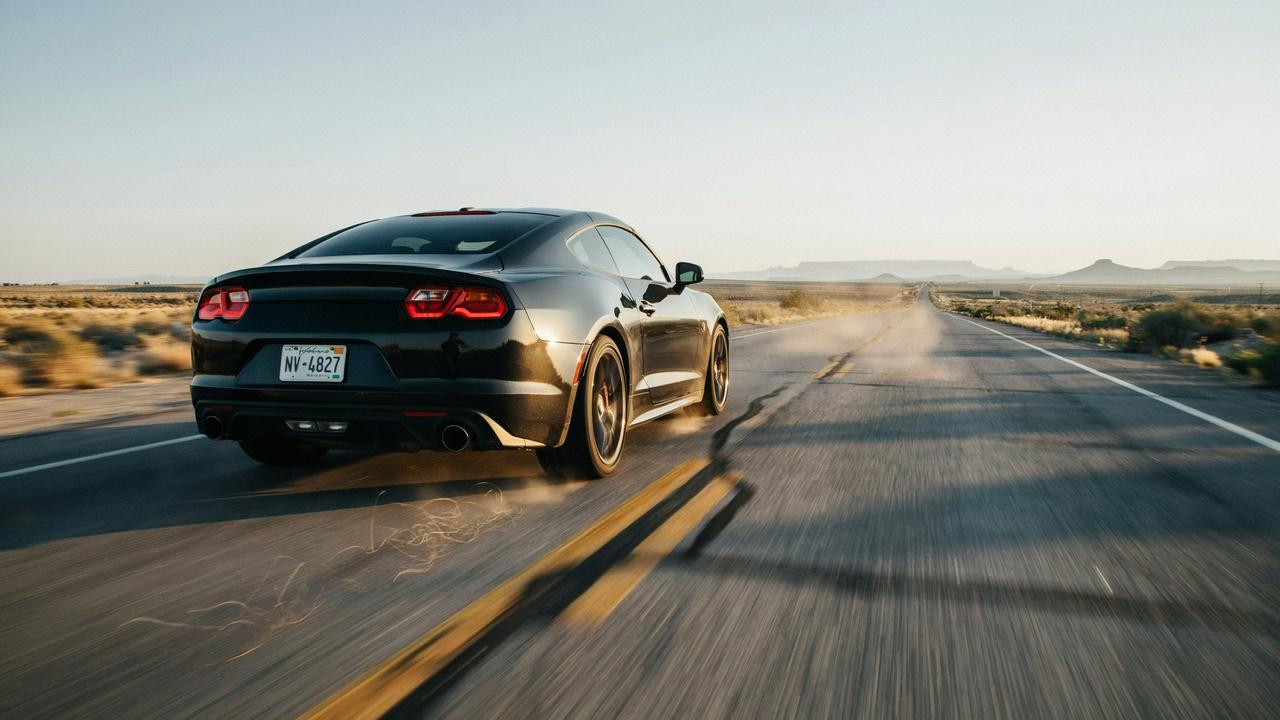
Driving fast for long stretches raises tire temperature quickly.
Heat combined with friction puts extra pressure on the tire structure.
This combination is a common reason for blowouts on highways.
Sidewall and Internal Tire Damage Causes
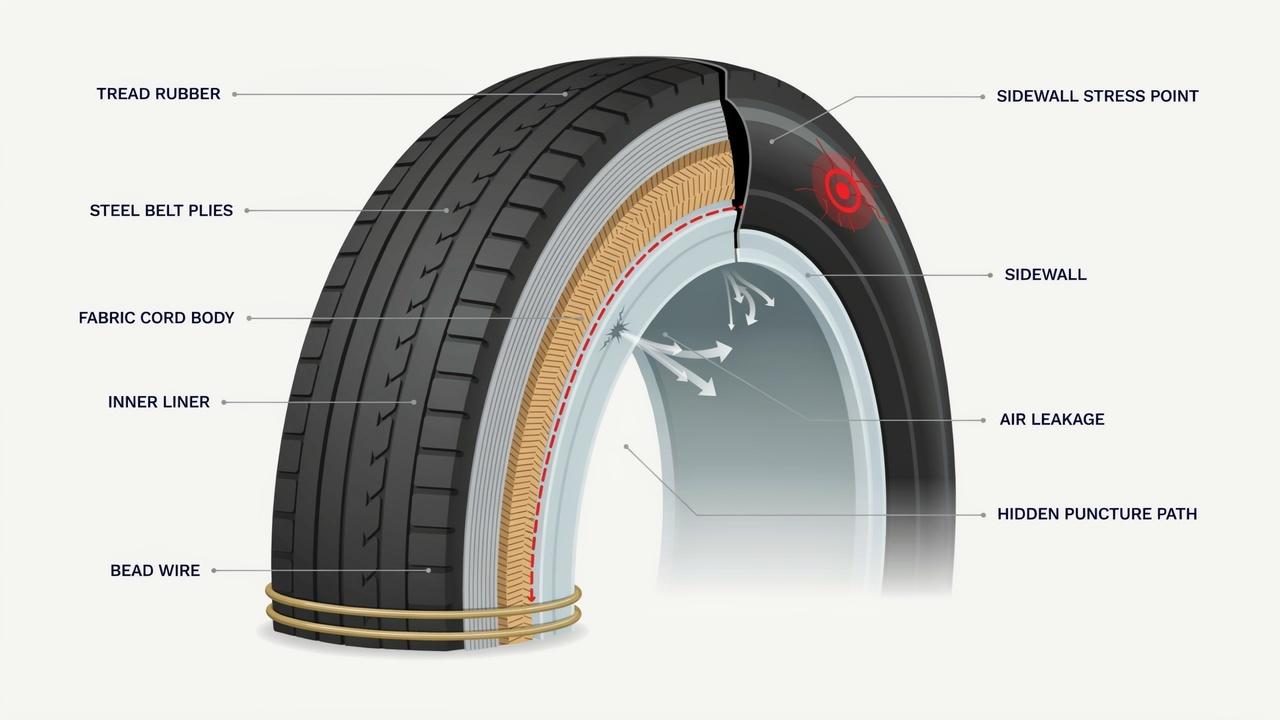
Sidewall and internal tire damage often happen because of hard impacts, low pressure, hidden punctures, or leaks left completely unchecked.
Sidewall Weakness from Impact or Low Pressure
The sidewall is thinner and more flexible than the tread.
Hitting a curb or pothole can weaken it right away.
Driving on low pressure adds even more stress to this area.
Inner Liner Failure and Hidden Punctures
Some punctures happen on the inside of the tire, where they cannot be seen.
The inner liner keeps air sealed inside. If it fails, air slowly escapes until the tire gives out.
Slow Leaks Leading to Structural Damage
A slow leak might seem harmless at first.
Driving on a tire that is losing air puts strain on its structure.
Over time, this can lead to a sudden and serious failure.
Vehicle-Specific Blowout Risks
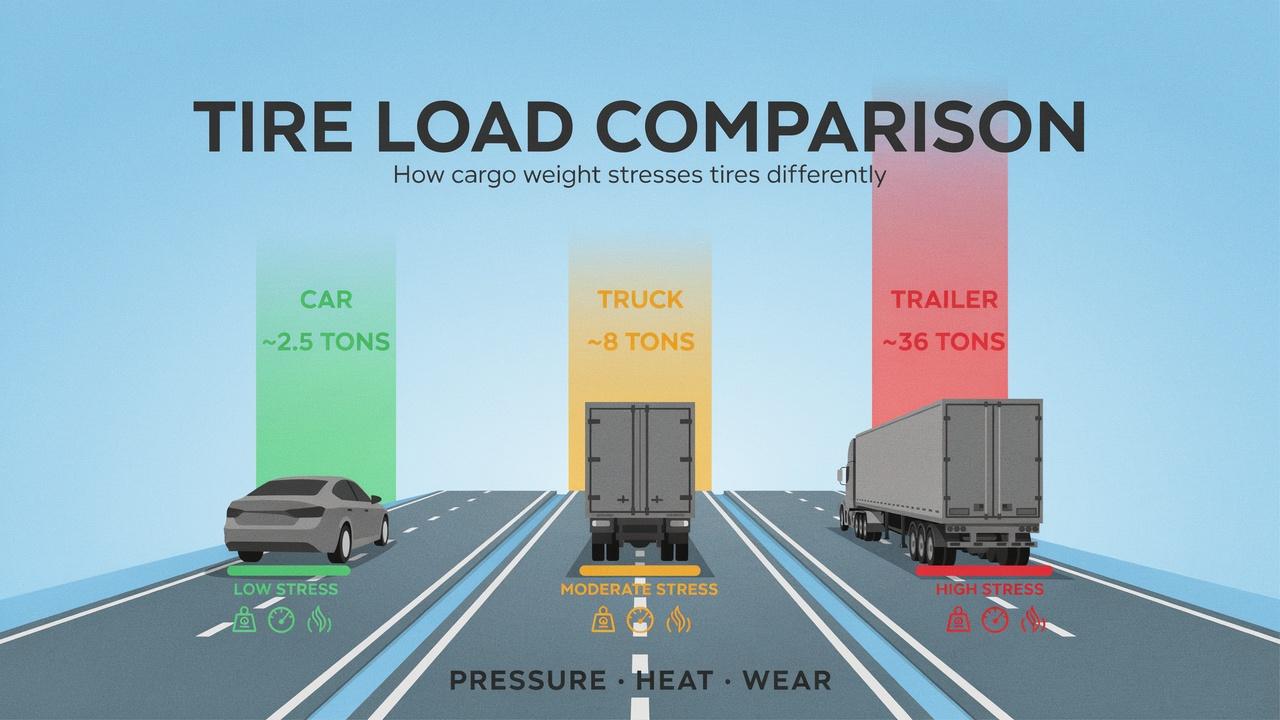
Different vehicles face different blowout risks based on tire type, weight distribution, speed, and how the vehicle is driven.
Truck and Trailer Tire Blowout Causes
Trucks and trailers often carry heavy loads over long distances.
This extra weight puts more pressure on the tires.
Uneven loading or low pressure can quickly lead to a blowout.
Rear Tire Blowout and Oversteer Risk
A blowout on a rear tire can cause the back of the vehicle to swing out.
This is known as oversteer. It can be harder to control than a front tire blowout.
Warning Signs of a Tire Blowout
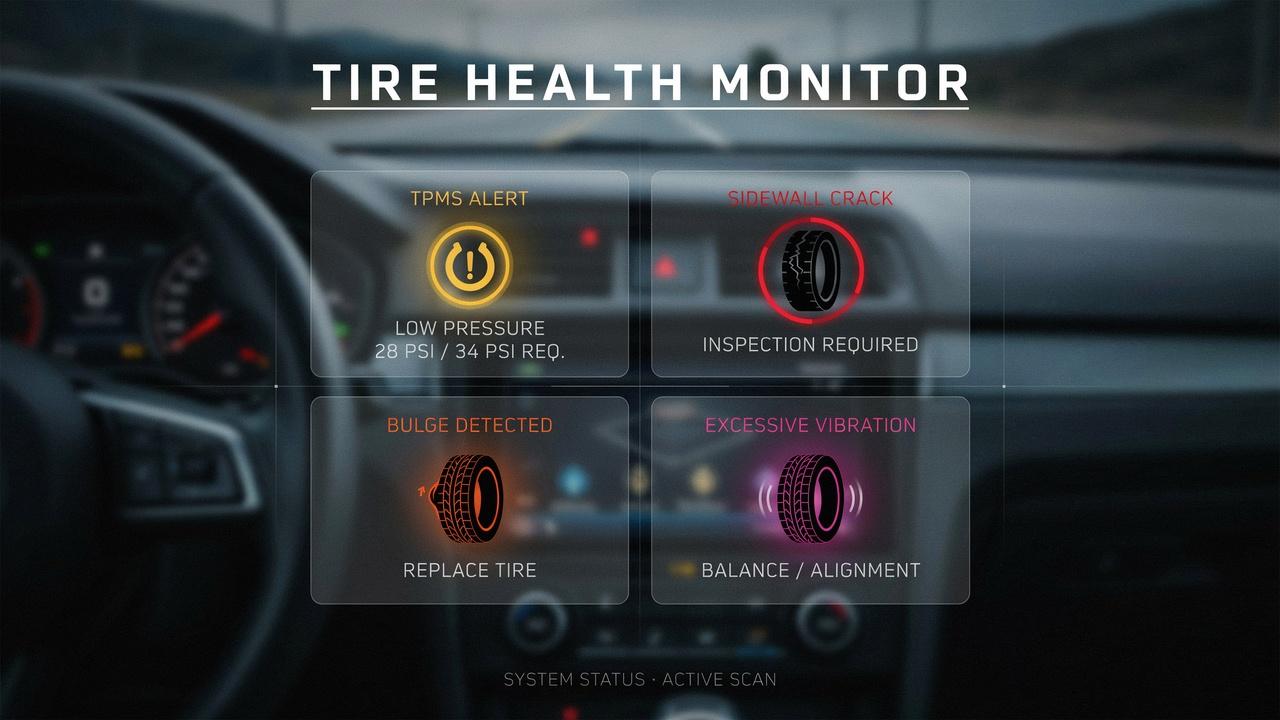
Tires often show early signs before a blowout, such as cracks, bulges, pressure loss, or unusual vibration patterns while driving.
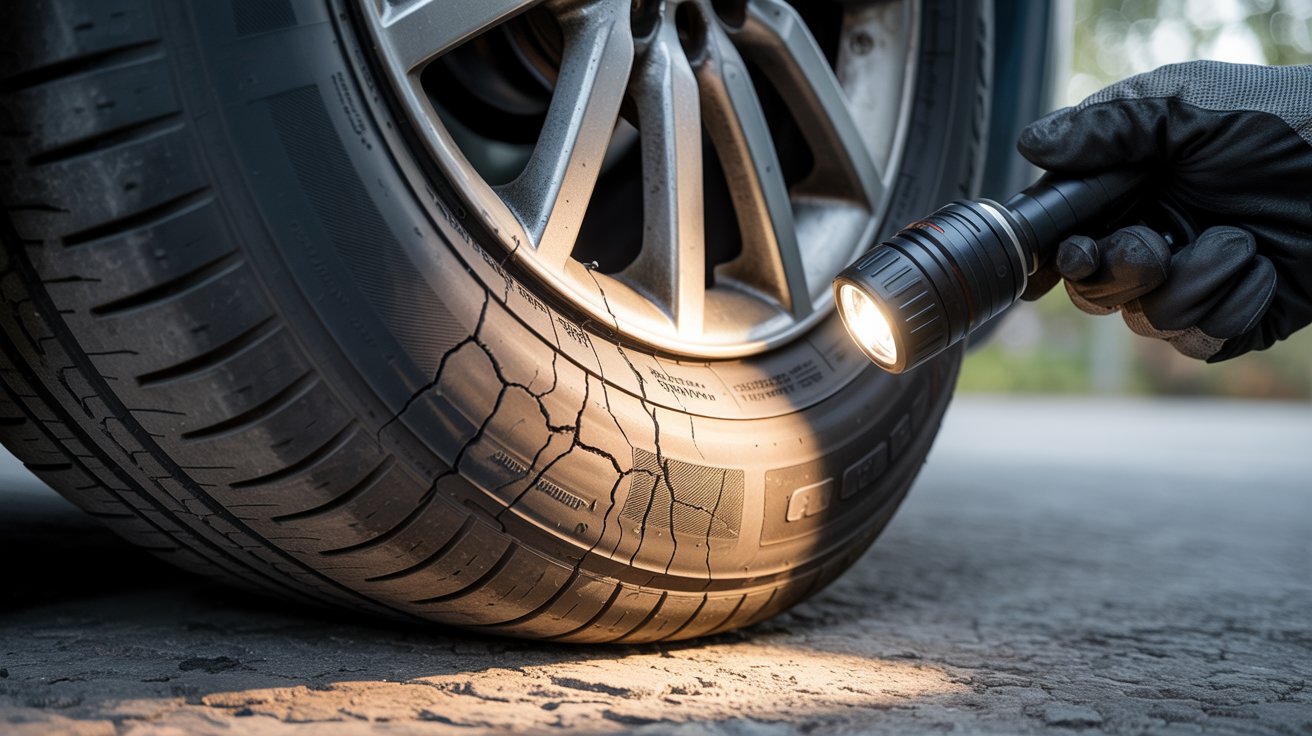
Cracks, Bulges, or Uneven Wear
Cracks in the rubber show that a tire is aging or damaged.
Bulges mean the inner layers are weak.
Uneven wear can point to alignment or pressure problems.
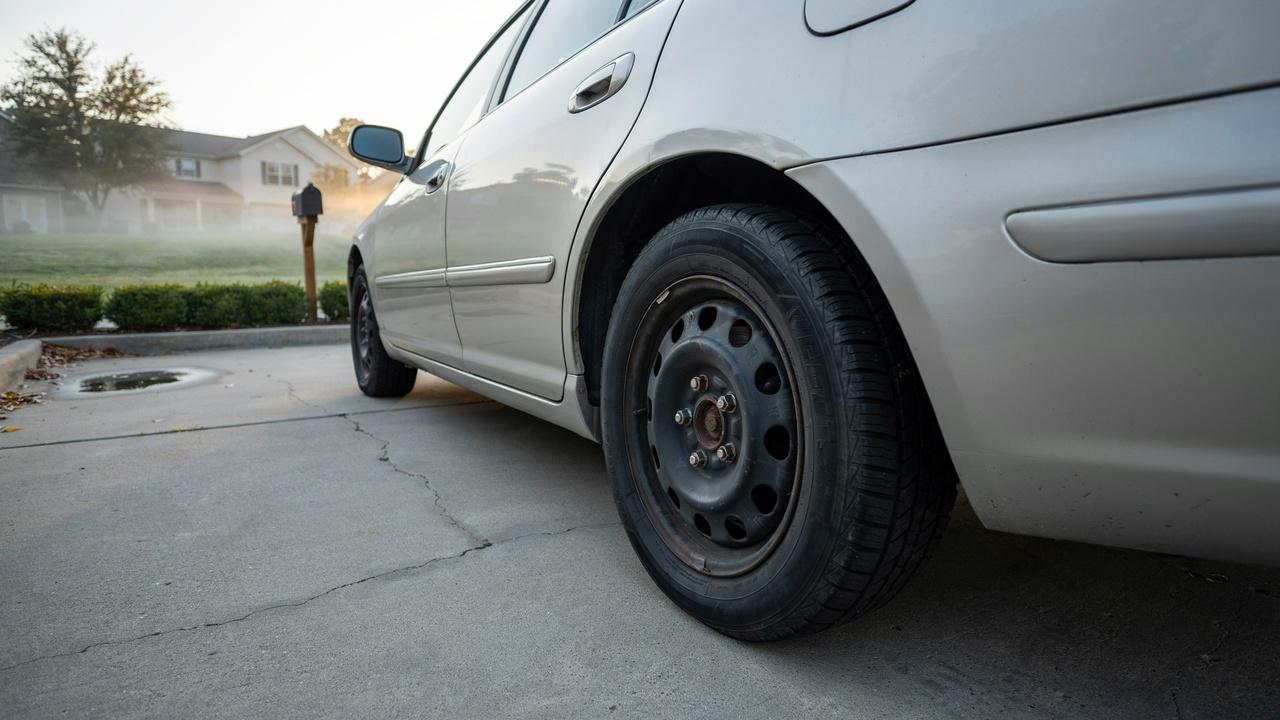
Frequent Air Pressure Loss
If a tire keeps losing air even after you fill it, something is wrong.
This could mean a small puncture or a leak in the valve. Ignoring it can lead to bigger trouble.
Vibrations While Driving
Shaking or vibration while driving can mean a tire problem.
It might be uneven wear, damage, or an imbalance.
Getting it checked early can help prevent a blowout later.
How to Prevent Tire Blowouts
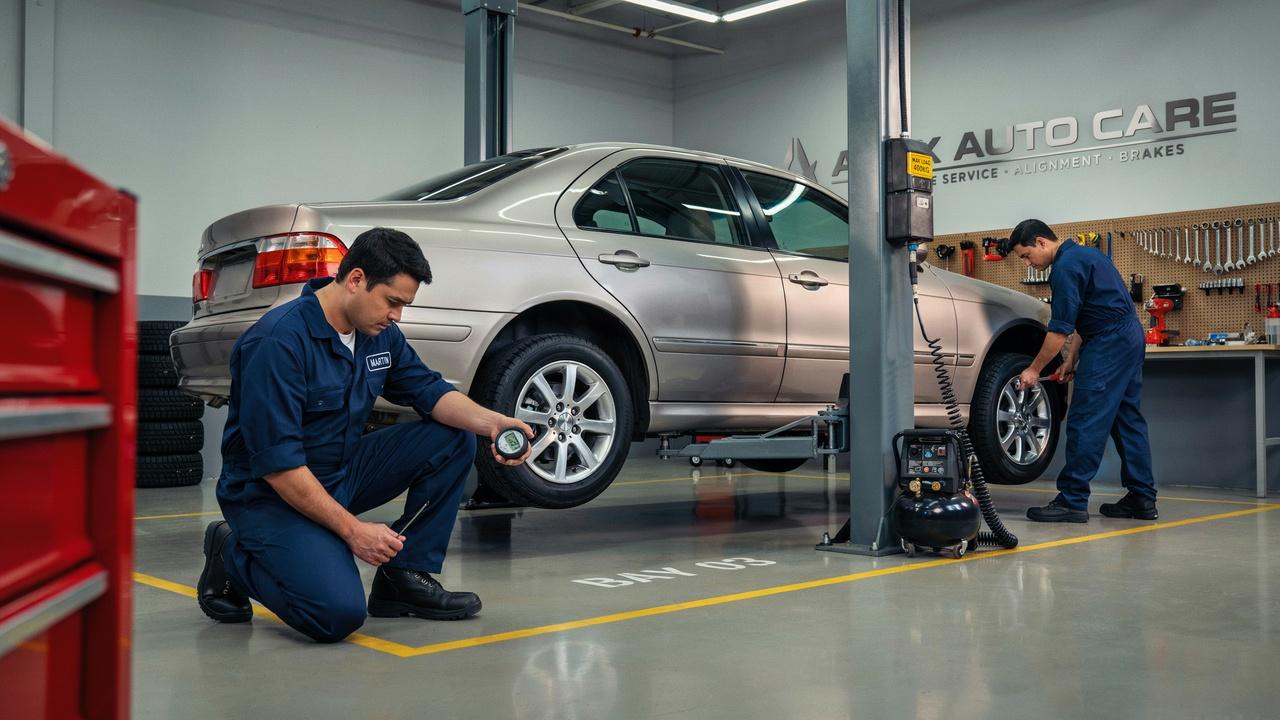
Preventing tire blowouts mainly comes down to proper air pressure, regular checks, careful driving habits, and timely tire replacement schedules.
Maintain Correct Tire Pressure
Check your tire pressure at least once a month.
Use the number listed in your manual, not just what is printed on the tire.
Correct pressure reduces heat and stress.
Drive Carefully on Rough Roads
Slow down on bumpy or damaged roads. Try to avoid potholes and large debris when possible.
Careful driving lowers the chance of sudden tire damage.
Follow Regular Tire Maintenance Schedule
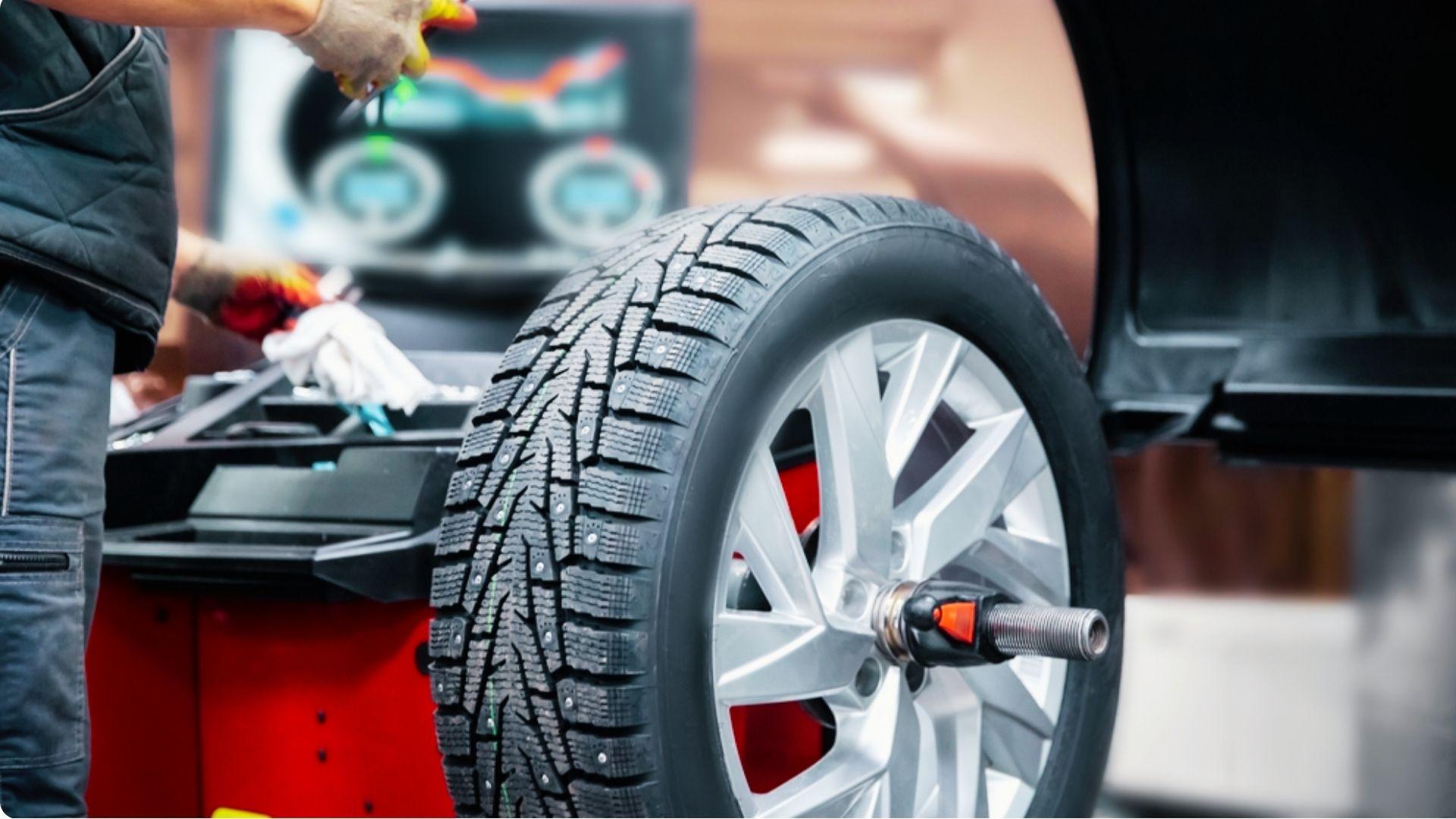
Get your tires inspected regularly by a professional.
Rotation and balancing help tires wear evenly.
Staying on schedule catches small problems before they turn serious.
What to do if a Blowout Happens

If a blowout happens, staying calm and following the right steps can help you keep full control and stay safe.
Stay calm and avoid slamming the brakes. Sudden braking can make the vehicle harder to control.
Ease off the gas pedal slowly. Let the car slow down on its own.
Keep a firm grip on the wheel and try to keep the vehicle going straight.
Once you have control, steer toward the side of the road. Turn on your hazard lights and check the damage safely.
Tips to Avoid Tire Blowouts
These simple tips can help drivers lower blowout risk through regular checks, careful habits, and timely tire care routines.
- Check tire pressure regularly. Do this monthly and before long trips.
- Inspect tires for damage before long drives. Look for cracks, bulges, or anything stuck in the tread.
- Avoid overloading your vehicle. Stick to the weight limit in your manual, especially for trucks and trailers.
- Rotate and balance tires on schedule. This helps them wear evenly and keeps weight spread out correctly.
- Replace tires before they become worn out. Check tread depth often and don't wait until a tire is bald.
Conclusion
I'll be honest, the first time I felt a tire go on the highway, my hands were shaking long after I pulled over safely.
That moment taught me how much a simple pressure check could have changed things.
Tire blowouts are scary, but they're also one of the most preventable car problems out there.
A few minutes of attention each month can save you from a stressful situation later.
If this helped you, drop a comment with your own tire story, share it with someone who needs the reminder, and check out our other car safety guides.
Frequently Asked Questions
What Causes a Tire to Blow Out Suddenly?
Most blowouts happen due to low tire pressure, overloading, or hidden damage like cuts and worn rubber. Heat buildup from these issues weakens the tire until it fails.
Can you Drive after a Tire Blowout?
No, driving on a blown tire can damage your wheel and vehicle further. Pull over safely and replace or repair the tire before continuing.
How do I know if my Tire is about to Blowout?
Watch for bulges, cracks, frequent air loss, or vibrations while driving. These signs often appear before a full blowout occurs.
Is it Safe to Repair a Tire After a Blowout?
It depends on the damage. Small sidewall punctures usually cannot be repaired safely, so a full tire replacement is often the better choice.
How often should I check my Tire Pressure to avoid Blowouts?
Check your tire pressure at least once a month and before any long drive. This simple habit catches problems early and reduces blowout risk.