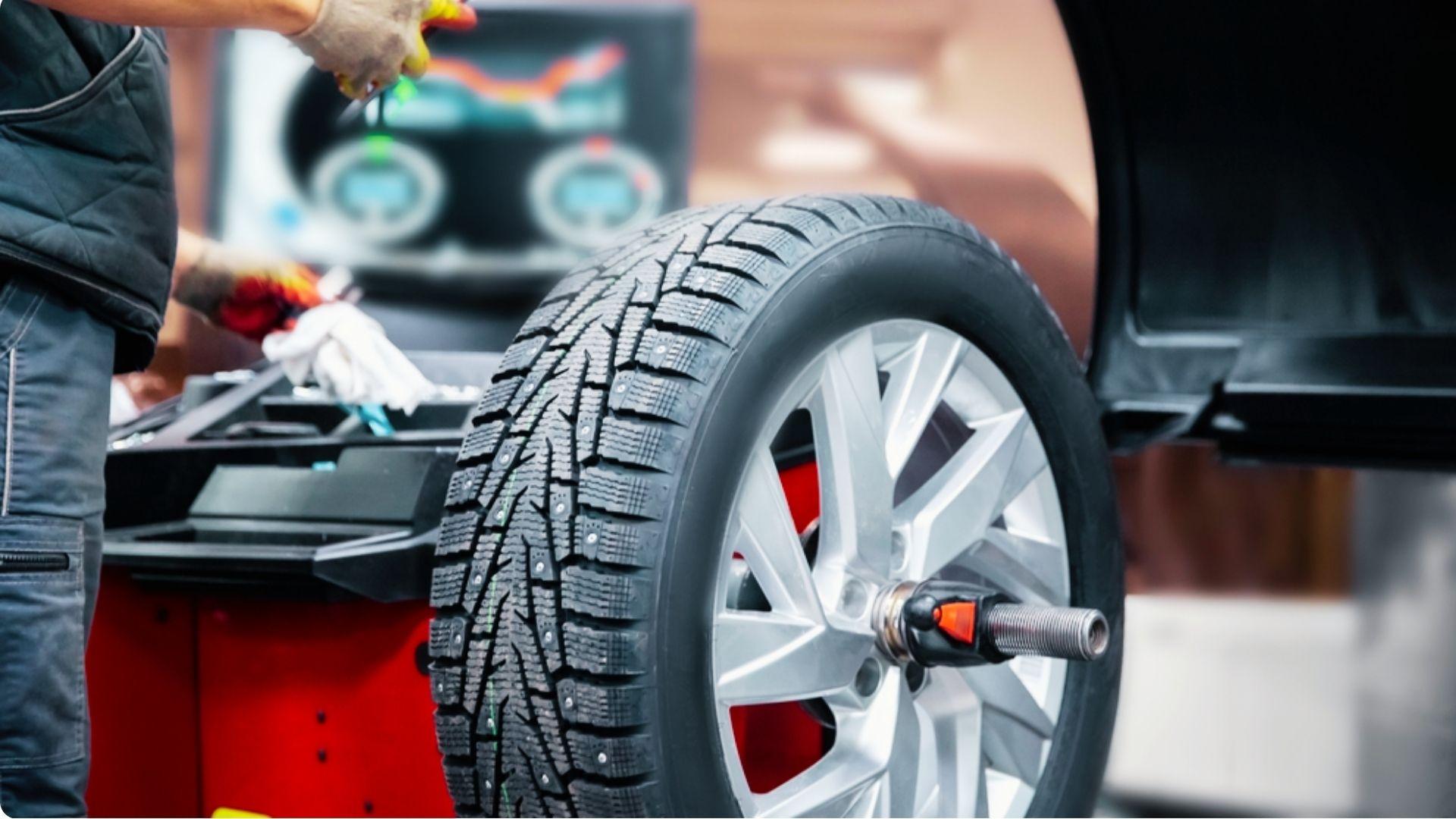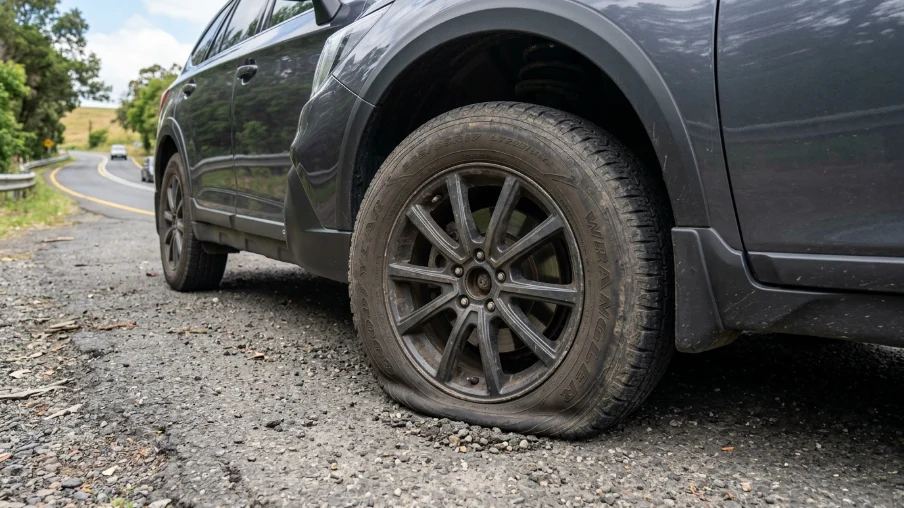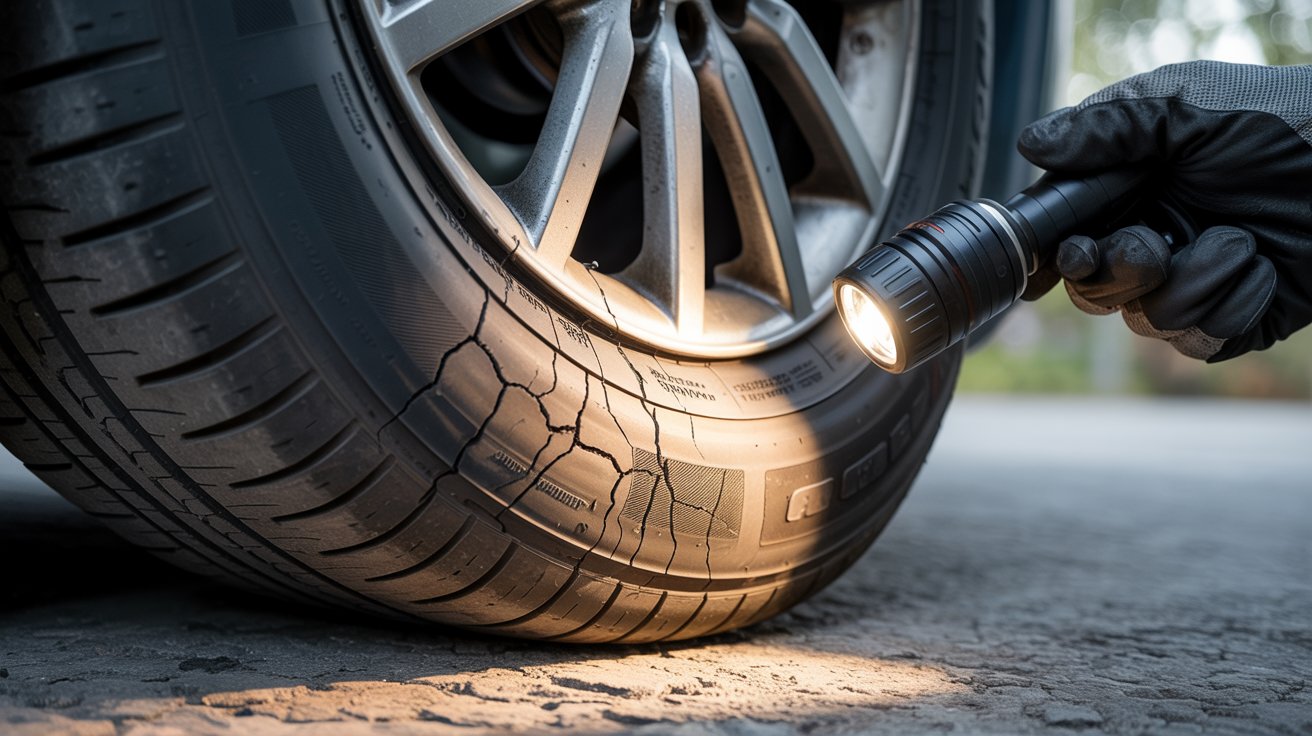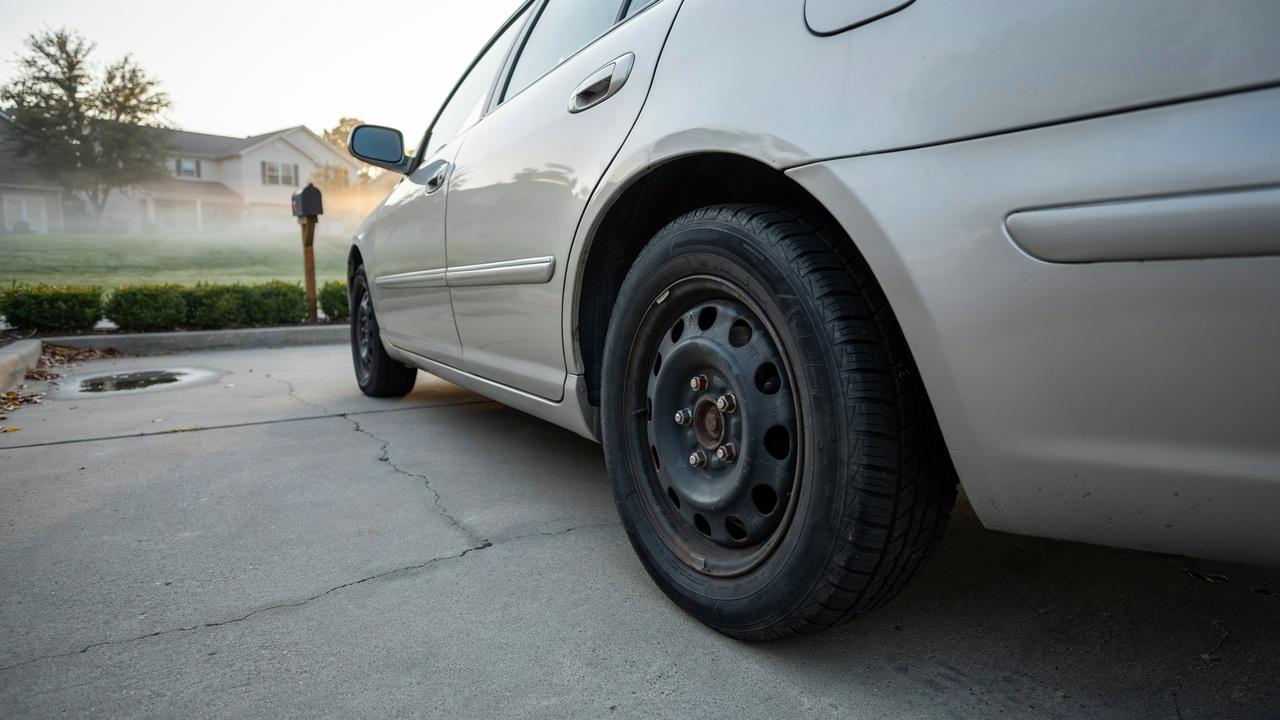


That low tire light catching your eye on the dashboard is never fun, especially when you're not sure what to do next.
Putting air in a tire at a gas station is actually simple, and you don't need any special skills to get it right.
In this guide, I'll show you exactly how to find the correct PSI, use the air pump, and check your pressure step by step.
You'll also learn about common mistakes, how much it usually costs, and the best time to fill your tires.
I've handled this job more times than I can count, so I know the small details that trip people up.
By the end, you'll feel ready to handle it yourself, no guesswork needed.
Putting Air in a Tire at a Gas Station is Easy
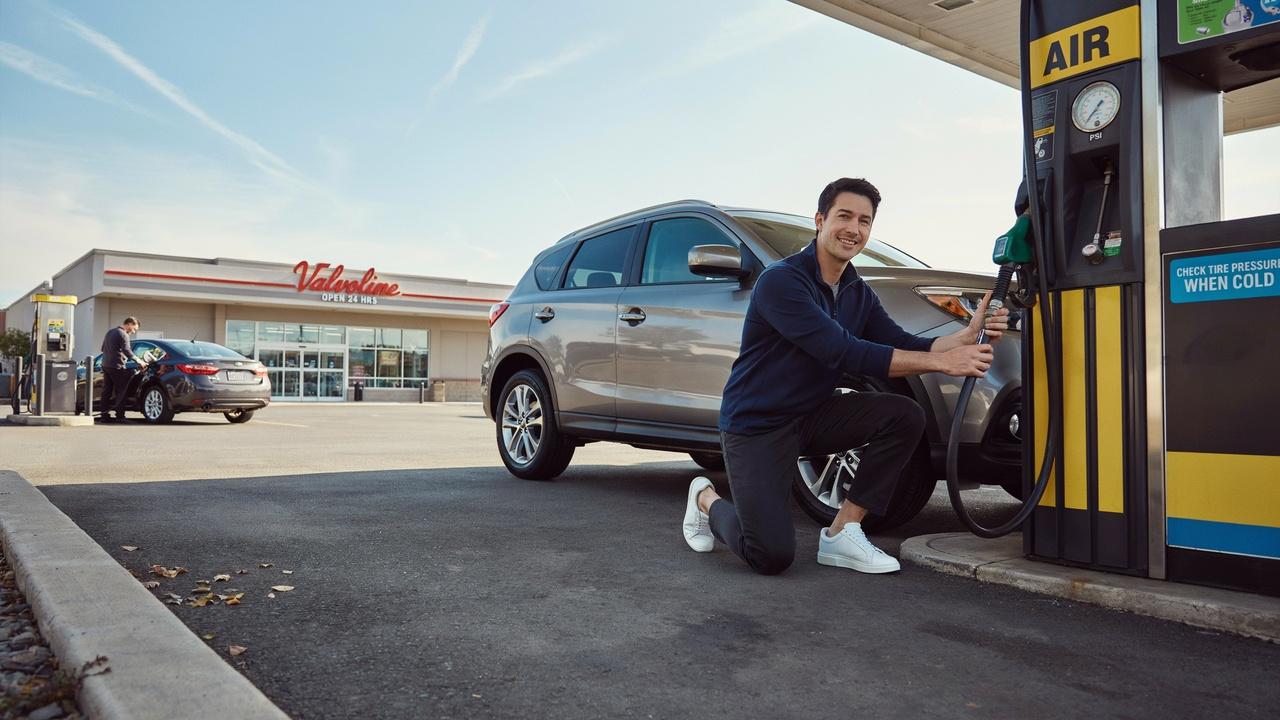
Putting air in a tire at a gas station is quick and simple. You do not need any special tools.
First, check the right tire pressure for your car. This number is usually on a sticker inside the driver's door.
Most gas stations have an air pump near the fuel area. Some are free, while others need a small payment.
Remove the valve cap and press the air hose firmly onto the valve stem.
Fill the tire in short bursts and check the pressure often.
If you add too much air, press the small pin in the valve to let some out. Check again until it matches the right number.
Repeat this for all four tires. Cold tires give the most accurate reading.
Put the valve caps back on when done. This small habit keeps your tires safe and your drive smooth.
How to Put Air in Tire at Gas Station Step-by-Step
A simple guide that walks you through every step needed to fill your tires with air at a regular gas station.
Low tire pressure can sneak up on anyone. The good news is that fixing it only takes a few minutes once you know what to do.
Step 1: Park Safely Near the Air Pump
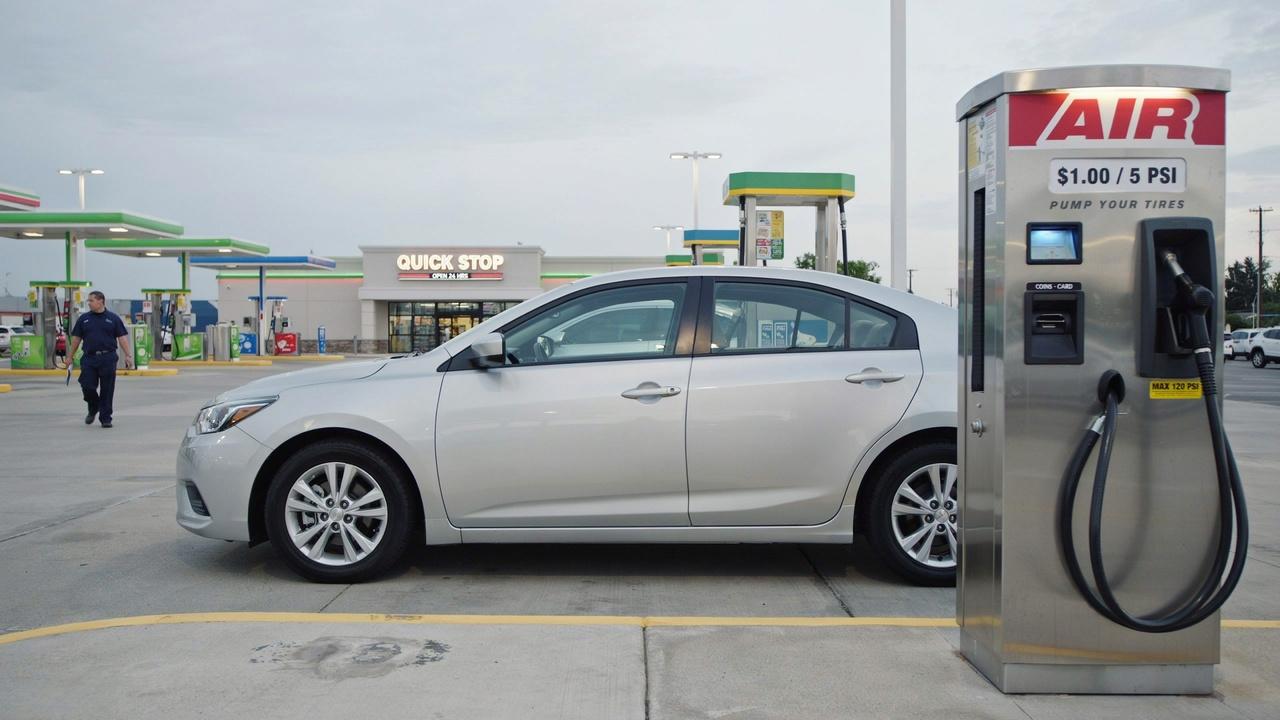
Pull your car close enough to the air pump so the hose can reach all four tires.
Leave room for other drivers to move around you, and turn off your engine before you get out.
Step 2: Find the Recommended Tire Pressure (PSI)
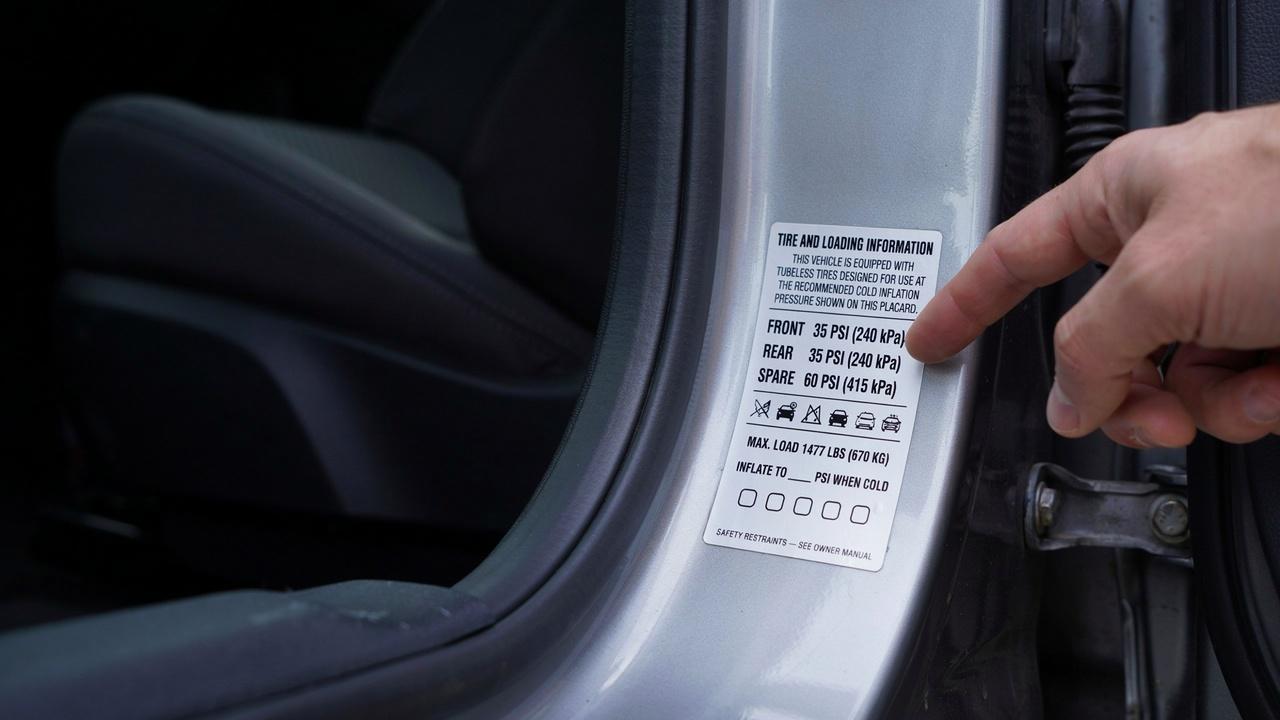
Check the sticker inside your driver's door for the correct PSI number.
This number is set by the carmaker and is different from the one printed on the tire itself.
Step 3: Remove the Valve Cap
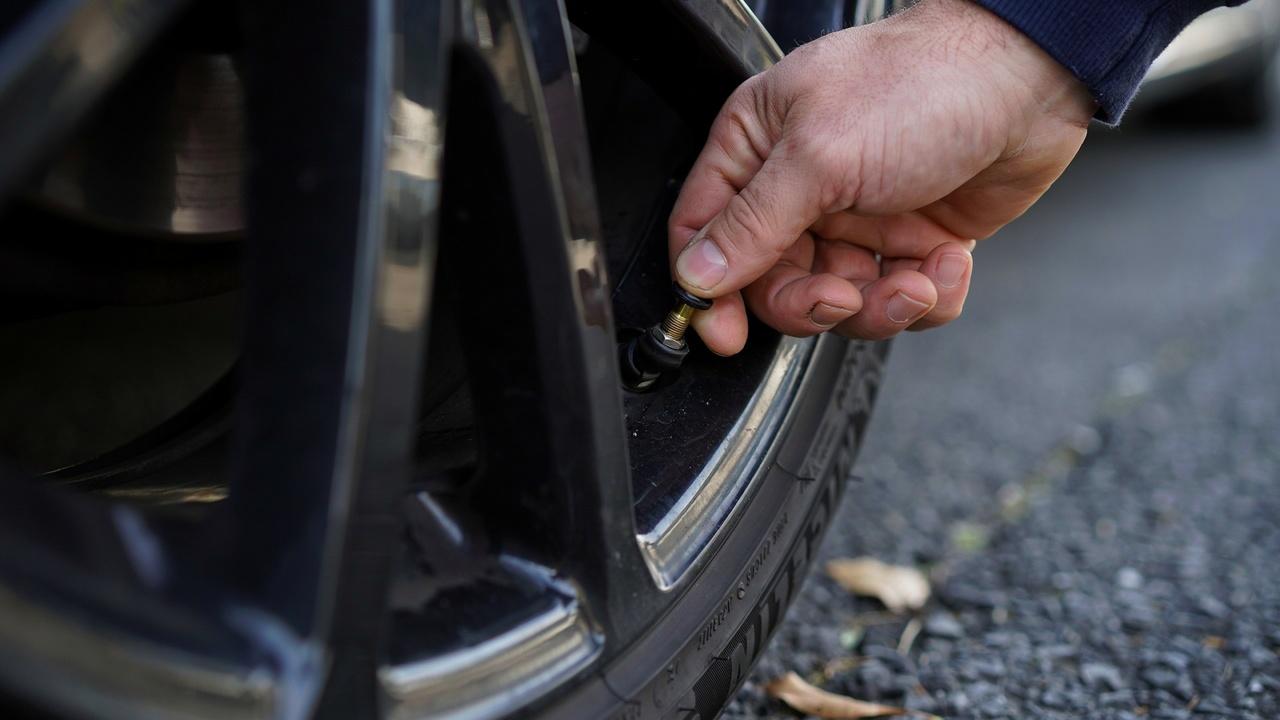
Twist off the small cap on the tire valve and set it somewhere safe.
Losing this cap means dirt and moisture can get into the valve over time.
Step 4: Pay for or Activate the Air Pump
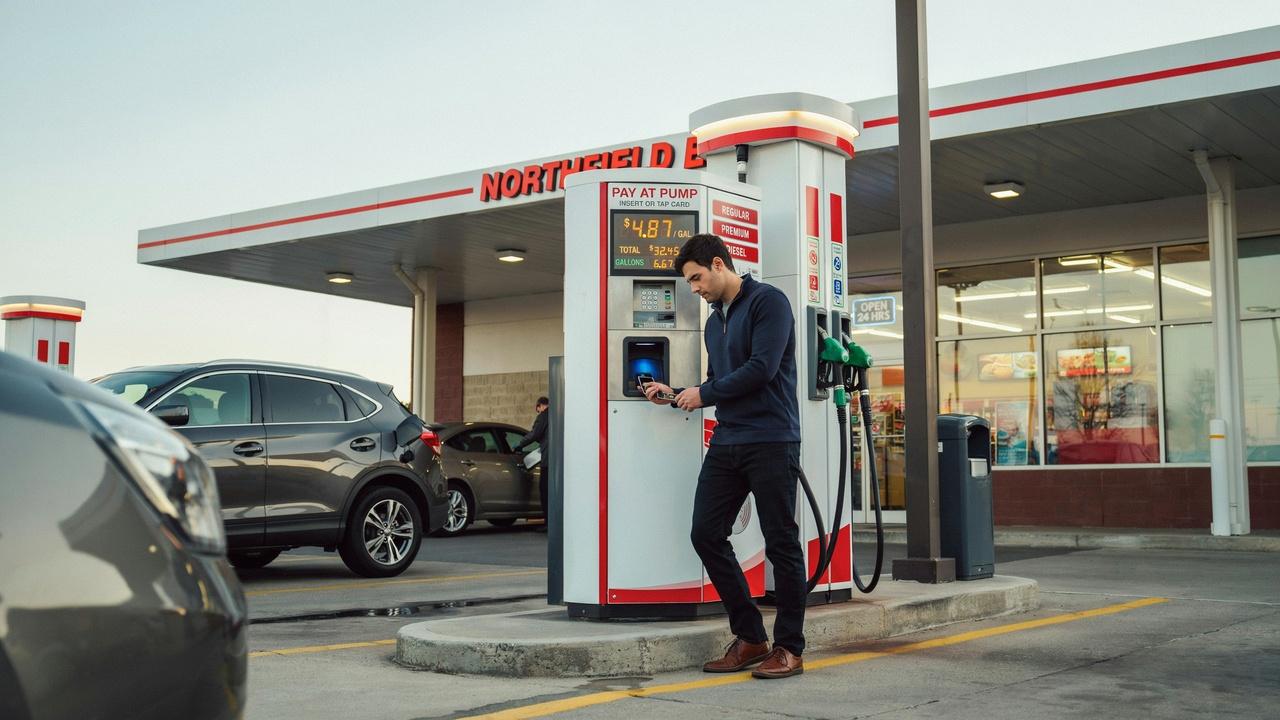
Some pumps run for free, while others need coins, a card, or an app to start.
Follow the instructions printed on the machine to turn it on.
Step 5: Attach the Air Hose to the Tire Valve
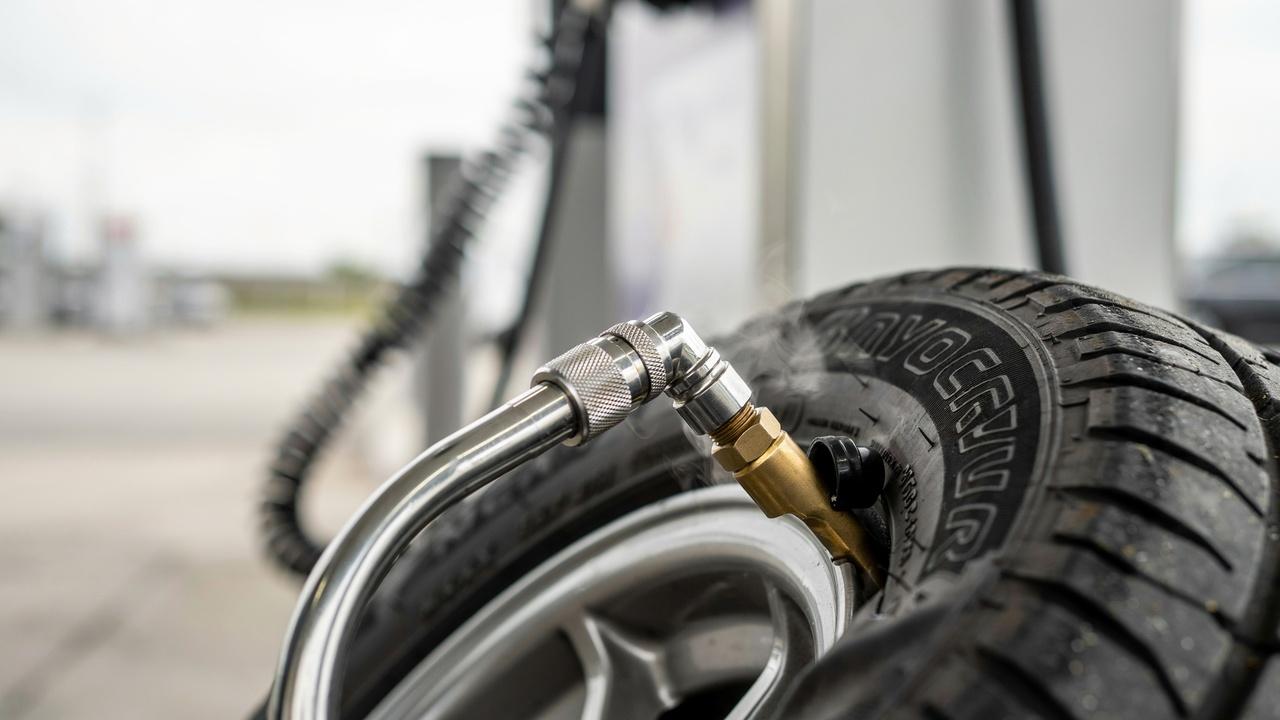
Press the hose nozzle firmly onto the valve stem until you hear air filling the tire instead of leaking out.
A short hiss at first is normal, but it should stop once the hose locks into place.
Step 6: Add Air and Monitor the Pressure
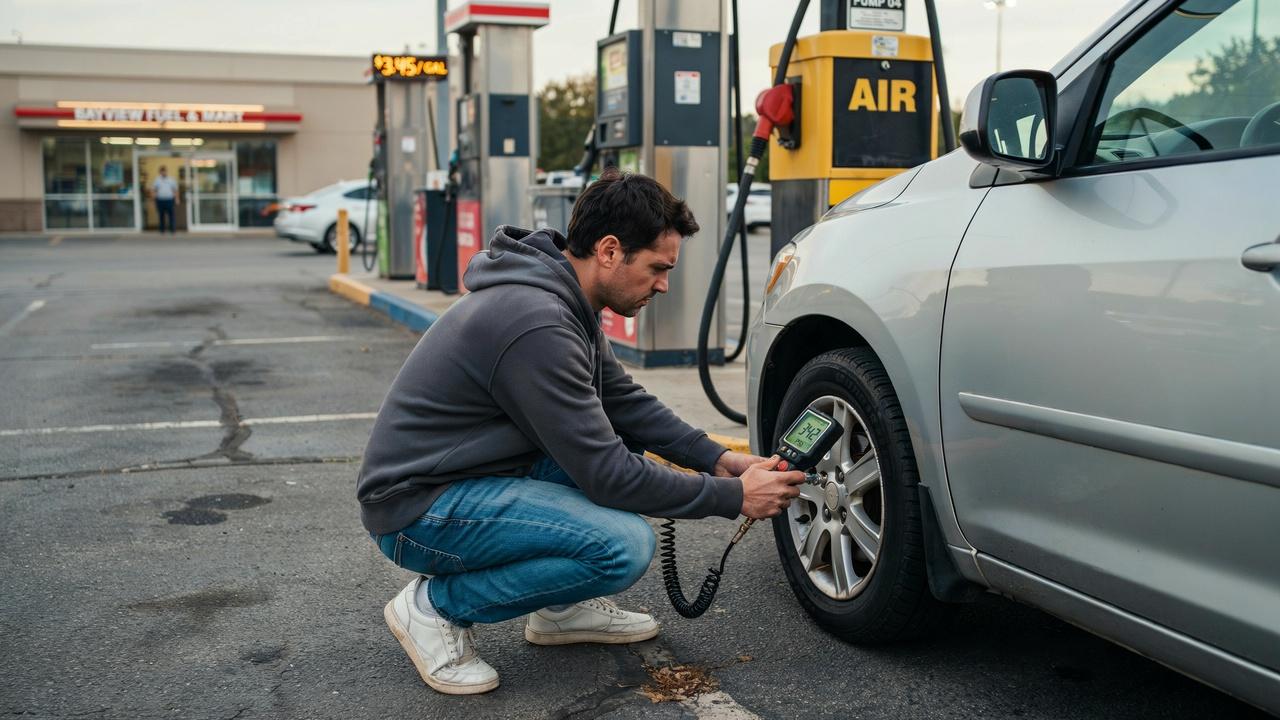
Add air in short bursts and check the gauge between each one.
This keeps you from going past the correct PSI by accident.
Step 7: Recheck the Tire Pressure
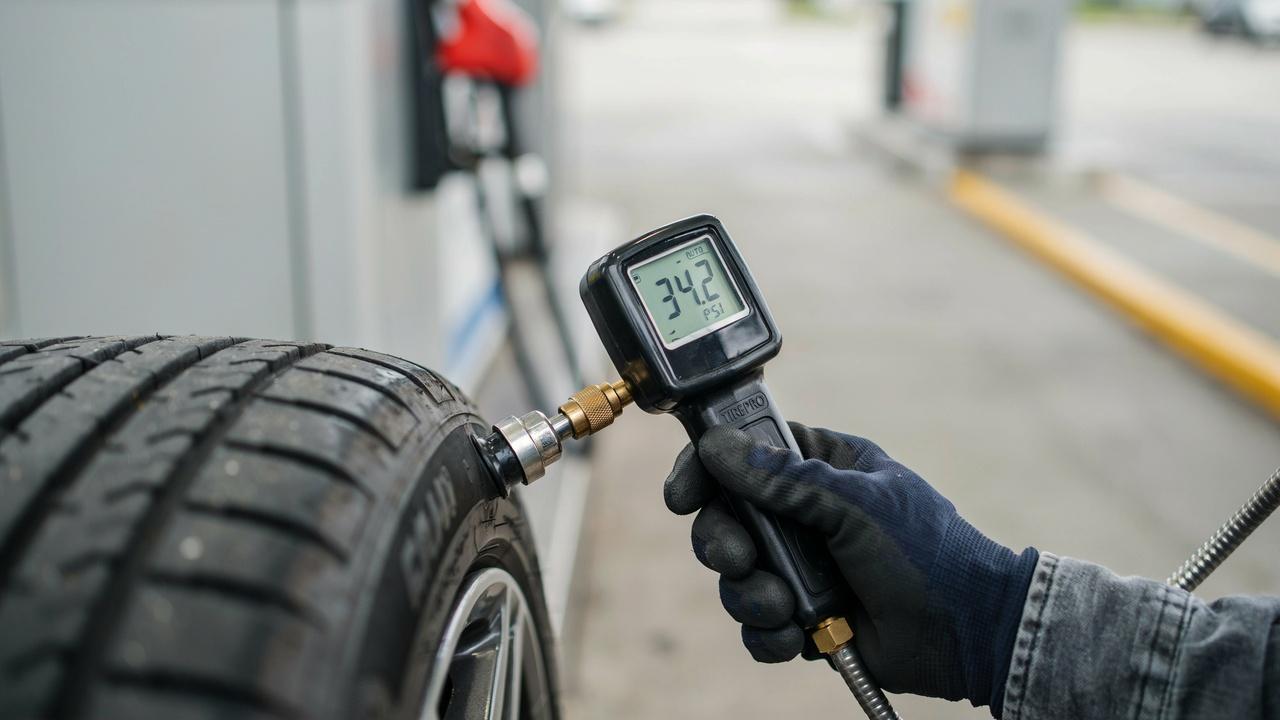
Once you think the tire is full, remove the hose and check the number again with a gauge.
If it's too high, press the small pin in the valve to let a little air back out.
Step 8: Replace the Valve Cap and Repeat for Other Tires
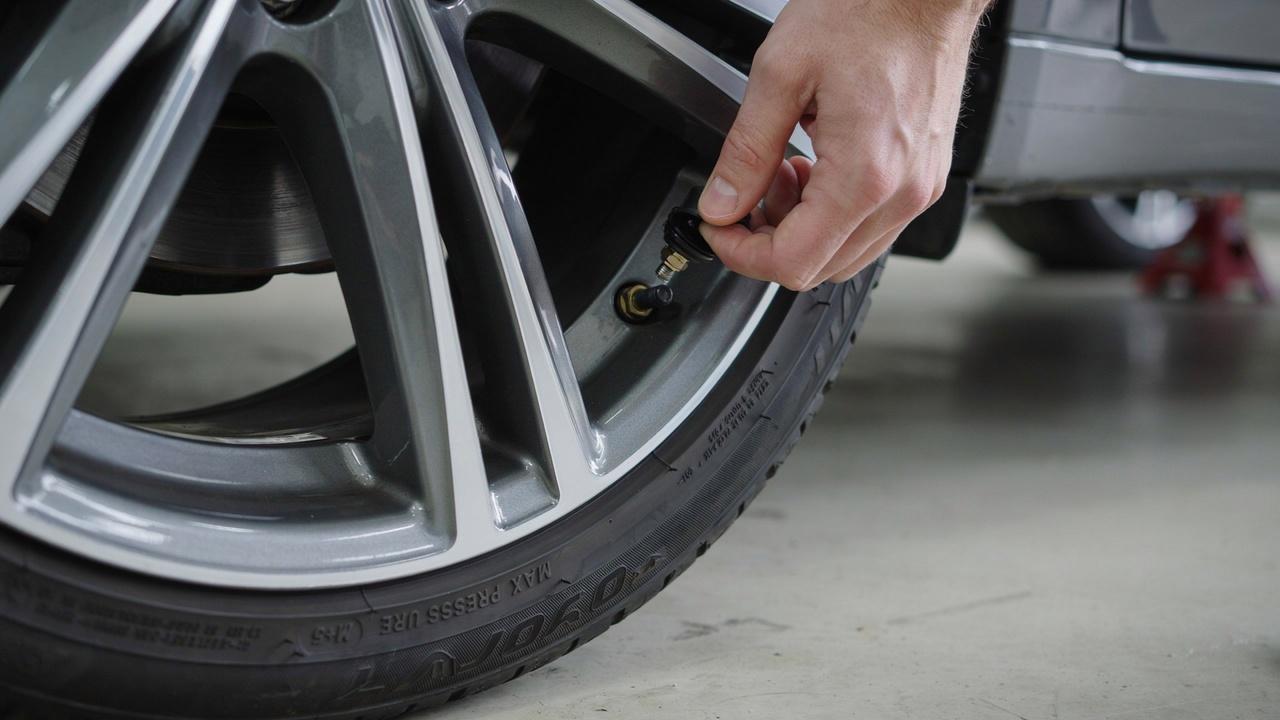
Screw the valve cap back on and move to the next tire.
Repeat the same steps until all four tires match the correct PSI.
What You Need Before Putting Air in a Tire at a Gas Station
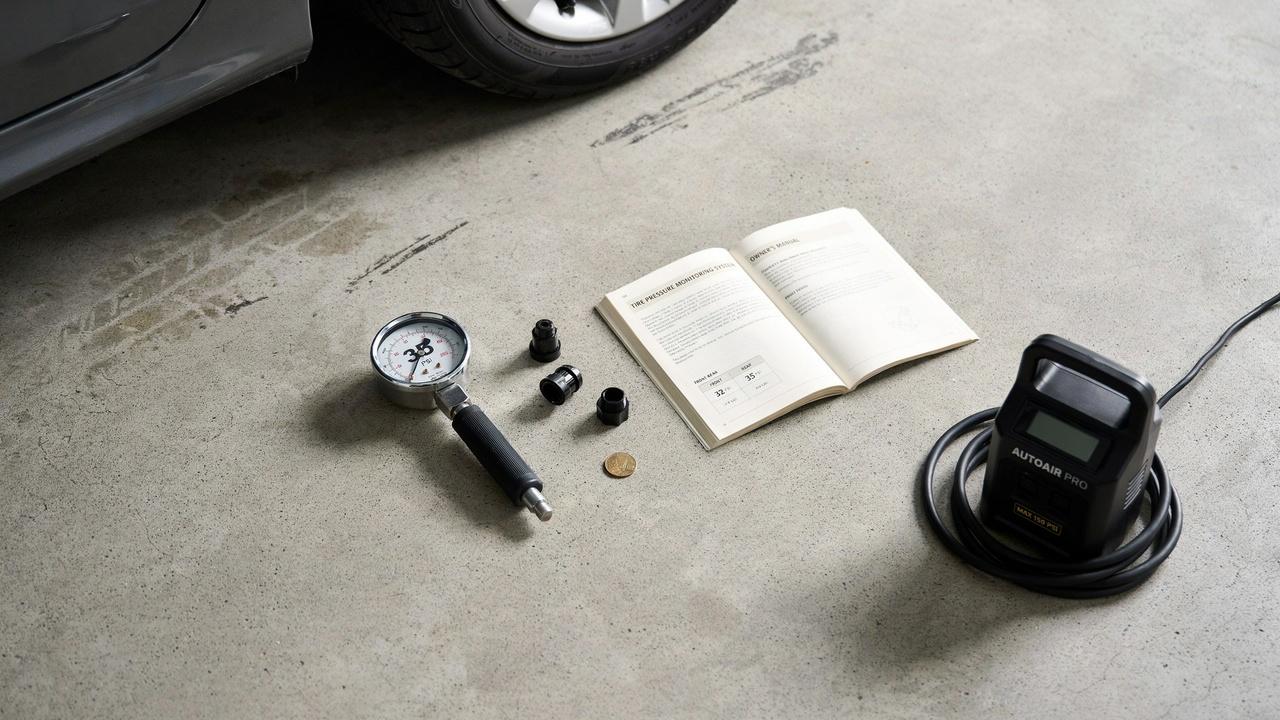
A quick rundown of the basic items and information you should have ready before you start filling your tires.
A little preparation makes the whole process faster and less frustrating.
Where to Find Your Vehicle's Recommended PSI
The correct PSI number is almost always printed on a sticker inside the driver's door frame.
Some owner's manuals list it too, in case the sticker has worn off.
Tools You'll Need
A tire pressure gauge is the main tool you'll want on hand, even if the gas station pump has its own built-in gauge.
Keeping one in your glove box means you're never stuck guessing.
Free vs Paid Air Pumps
Some gas stations offer air for free as a courtesy to customers, while others charge a small fee per use.
Paid pumps usually accept coins or cards and shut off automatically after a set time.
What PSI Should You Put in Your Tires?
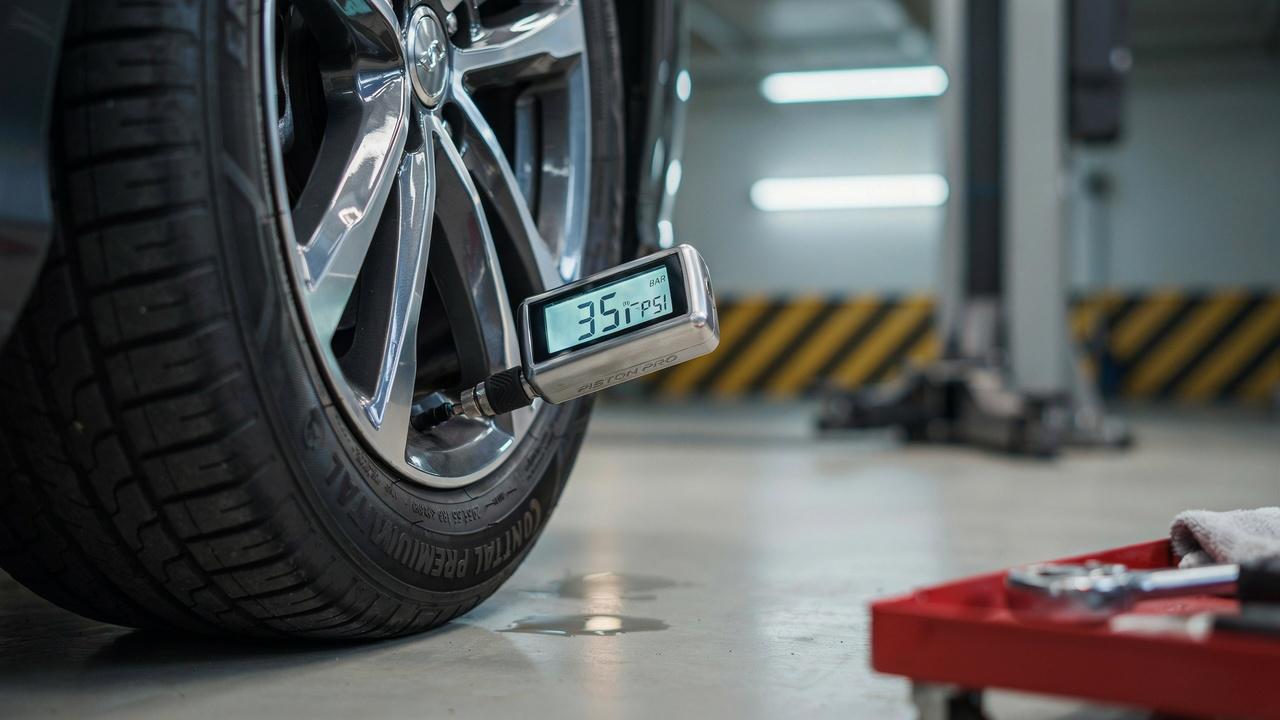
An explanation of the correct tire pressure number to use and why the number on the tire sidewall can mislead drivers.
Getting this number right matters more than most drivers realize.
Recommended PSI for Most Cars
Most passenger cars need somewhere between 30 and 35 PSI, but the exact number depends on the make and model.
Always go with the figure listed on the door sticker rather than a general estimate.
Why You Should Ignore the Tire Sidewall PSI
The number stamped on the tire's sidewall shows the maximum pressure the tire can safely hold, not the ideal pressure for your car.
Using that number instead of the door sticker can lead to overinflated tires and a rougher ride.
How Much Does It Cost to Put Air in Tires at a Gas Station?
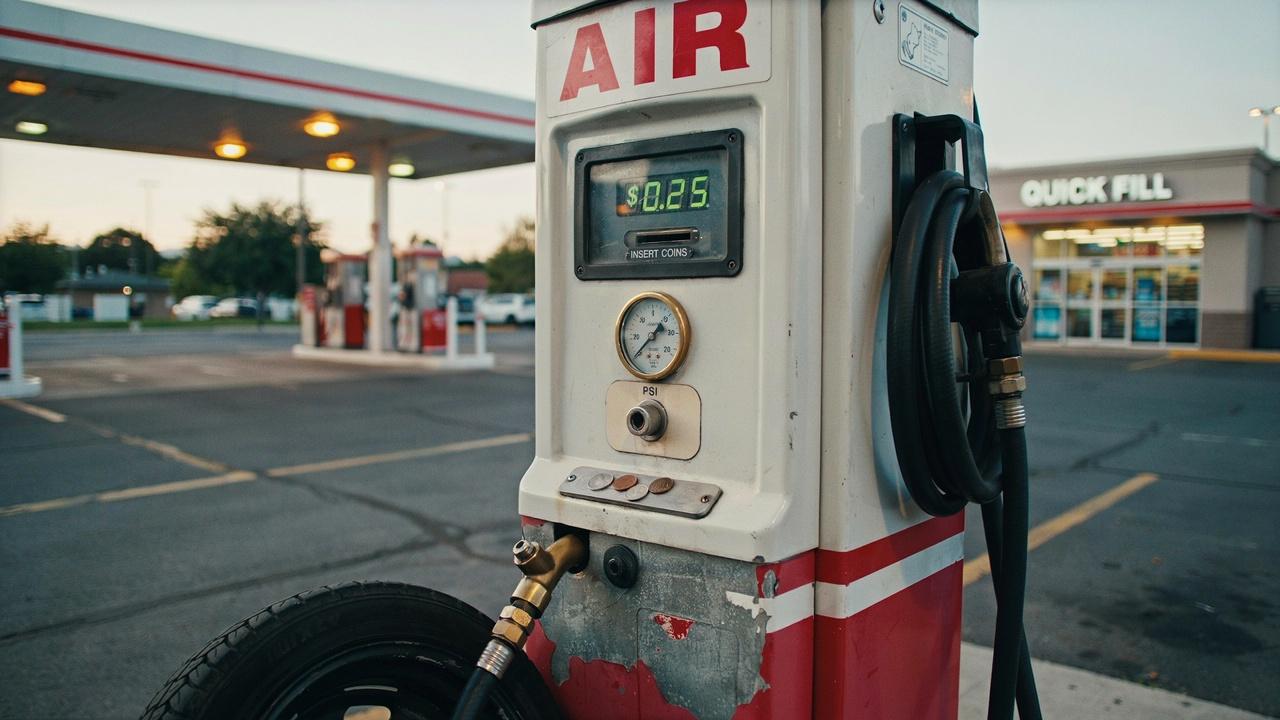
A breakdown of typical air pump prices and a list of places where drivers can fill tires free of charge. Costs vary quite a bit depending on where you stop.
Average Cost of Air Pumps
Paid air pumps usually cost somewhere between fifty cents and two dollars for a few minutes of use.
Some machines charge per tire, while others give you one timed session for all four.
Where to Find Free Air Pumps
Many grocery stores, auto parts shops, and some gas stations offer free air as a way to bring in customers.
Checking online reviews or maps apps beforehand can help you spot one nearby.
Common Mistakes to Avoid When Putting Air in Tires
A list of frequent errors drivers make while airing up tires, along with simple ways to avoid each one.
A few small slip ups can cause bigger problems down the road.
- Overinflating the tires: Adding too much air makes the tire harder and reduces its contact with the road, leading to a bumpier ride and uneven tread wear over time.
- Underinflating the tires: Too little air causes the tire to flex more than it should, which builds up heat and wears down the edges faster.
- Forgetting to recheck the pressure: Skipping the final check means you might end up with a tire that's still too low or slightly too high.
- Using the wrong PSI: Relying on the sidewall number or a rough guess instead of the door sticker can throw off the whole process.
- Checking pressure right after driving: Hot tires give a higher reading than normal, so adding air at this point often leads to underinflation once the tires cool.
- Ignoring the spare tire: Many drivers fill up the four main tires but forget the spare, leaving it flat when it's actually needed.
Tips for Using a Gas Station Air Pump
Practical advice that helps drivers get accurate readings and avoid damage when using a public air pump.
These small habits make tire maintenance much smoother over time.
- Carry your own tire pressure gauge, since gas station pump gauges aren't always reliable
- Keep a digital gauge in your glove box for a quick, accurate backup reading
- Fill tires in short bursts rather than one long stream for better control over the final pressure
- Keep a few spare valve caps in your car, since they're easy to lose and missing ones let in dirt and moisture
- Check tire pressure once a month and before any long trip to catch slow leaks early
Conclusion
Keeping your tires properly inflated really is one of those small habits that pays off in a big way.
I used to skip checking mine for months, until a slow leak left me stranded on a hot afternoon, looking for the nearest air pump.
Now I check before every long drive, and it takes barely five minutes.
Next time you're at a gas station, take a second to check your tires too. It's a tiny step that keeps you safer on the road.
Got a tire tip of your own? Drop it in the comments, or share this post with a fellow driver who could use it.
Frequently Asked Questions
How often should I check my tire pressure?
You should check your tire pressure at least once a month and before any long road trip. Cold weather can also cause a noticeable drop, so it's worth checking more often during winter.
Can I use any gas station air pump for my car?
Yes, most gas station air pumps work for cars, trucks, and SUVs alike. Just make sure the hose nozzle fits your valve stem properly before you start.
What happens if I put too much air in my tires?
Overinflated tires become harder and touch less of the road surface than they should. This can cause a rougher ride and lead to uneven wear in the middle of the tread.
Is it bad to drive on a slightly underinflated tire?
Driving on low air pressure for too long can cause extra heat buildup and faster wear along the edges. It also affects fuel efficiency and can make the car feel less stable while turning.
Do electric and hybrid cars need different tire pressure?
Many electric and hybrid cars do need a different PSI because of their extra battery weight. Always check the sticker inside the driver's door for the exact number, since it varies by model.