

A flat tire can throw off your whole day. Maybe you heard a strange thump, or maybe the car just feels off balance.
Either way, you want a straight answer fast.
This guide will walk you through how far you can safely drive on a flat tire, what damage it can cause, and the right steps to take when it happens.
We will also cover whether a flat tire can be fixed, how low tire pressure differs from a full flat, and simple ways to avoid this problem in the future.
I have dealt with my fair share of flat tires over the years, so this advice comes from real experience, not guesswork.
By the end, you will know exactly what to do the next time a flat tire catches you off guard.
How Far Can You Drive on a Flat Tire?
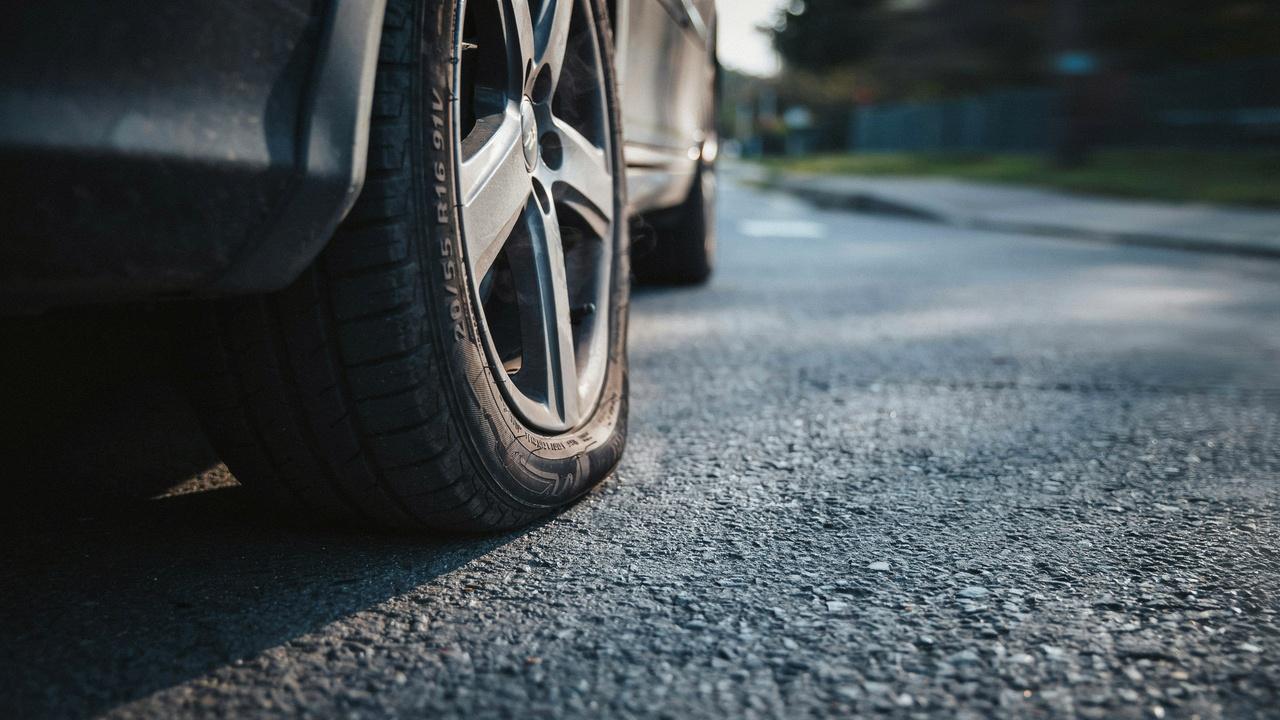
A flat tire can happen anytime. Knowing how far you can drive on one helps you stay safe and avoid more damage.
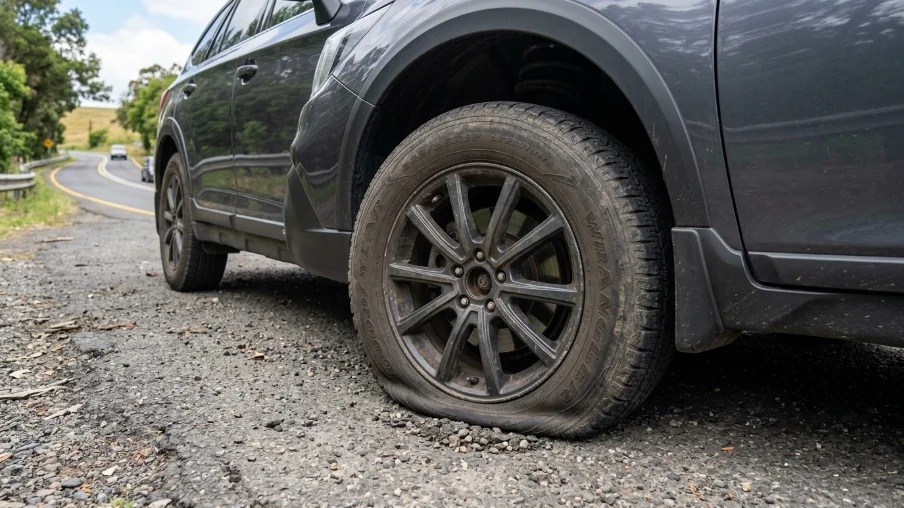
Once air is gone, the rubber presses on the metal rim. Driving like this wears down the tire fast.
Don't drive more than a mile or two on a flat tire.
Just go far enough to reach a safe spot. Run-flat tires can manage about 50 miles under 50 mph, but only as a backup.
Speed, tire type, road conditions, and puncture size affect how long a flat will last. Extra weight makes it worse.
Driving too far on a flat can damage the rim, suspension, and steering. It also raises the risk of losing control.
If you get a flat, slow down, turn on your hazards, and pull over safely.
Use a spare or repair kit, or call for help.
Checking tire pressure, watching tread wear, and rotating tires regularly can help prevent flats.
A flat tire is never fun, but handling it right makes a big difference.
Drive only a short distance, then get to safety.
How Far Can You Drive on a Flat Tire Safely?

A quick look at how far a flat tire lets you drive safely, and when you should stop before damage starts.
When It May Be Safe to Drive a Short Distance
If you are on a busy road or a narrow shoulder, it may be safer to move forward a short distance first. Look for a parking lot, a wide shoulder, or a quiet side street.
Drive slowly, usually under 10 to 15 miles per hour, and keep your hazard lights on.
This short move can get you out of danger from passing traffic.
When You Should Stop Driving Immediately
If you hear loud scraping, see sparks, or smell burning rubber, stop right away.
This usually means the tire has come apart and you are now driving on the rim.
Stop as soon as it is safe to do so, even if that means pulling over closer to traffic than you would like.
Continuing to drive at this point causes more harm than good.
What Happens If You Drive on a Flat Tire?

An honest breakdown of the damage a flat tire can cause to your car the longer you keep driving.
Damage to the Tire and Rim
A flat tire loses its shape fast, and driving on it grinds the sidewall against the road until it shreds.
A shredded tire cannot be fixed, only replaced.
Once the tire is gone, the bare rim hits the pavement directly.
This can bend or crack it, often costing more to fix than the tire itself.
Damage to Suspension and Safety Risks
Driving on a flat puts extra stress on suspension parts like struts and control arms.
It can also damage brake lines if the rim keeps grinding against the road.
Steering gets harder and stopping takes longer, raising the risk for you and others, especially on highways or in wet weather.
What Should You Do If You Get a Flat Tire?
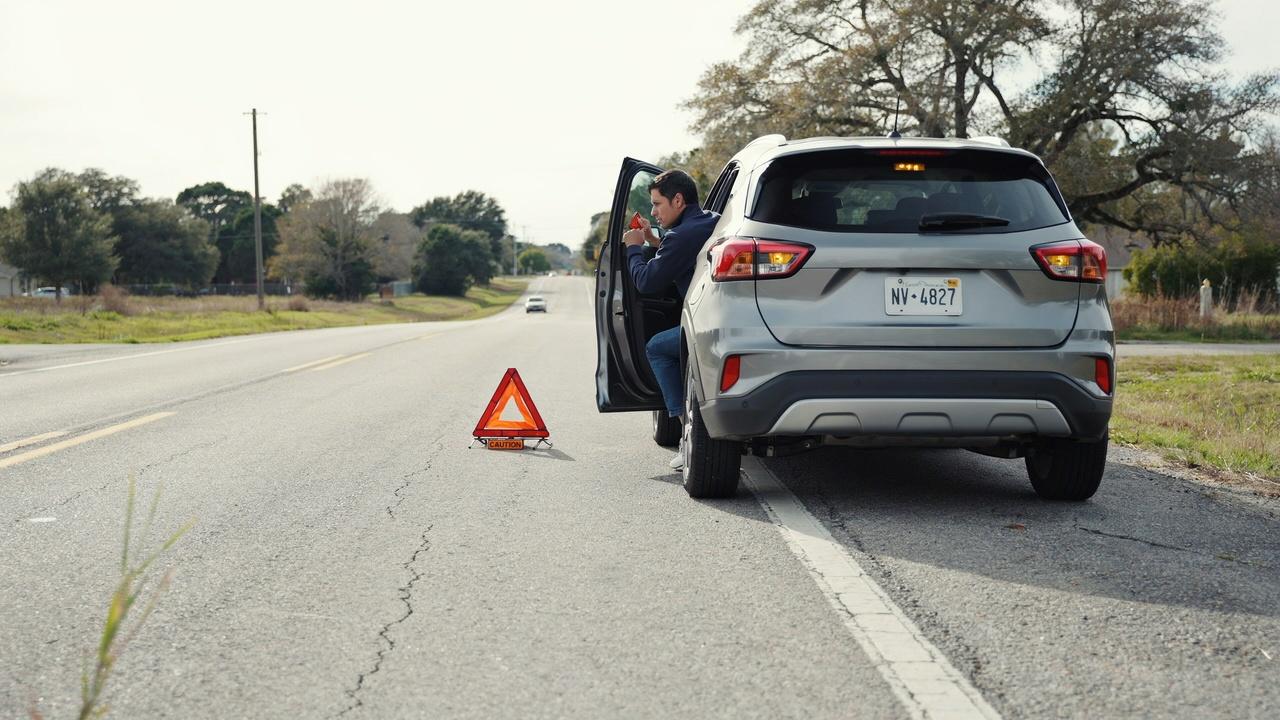
Simple steps to follow calmly and safely the moment you notice your tire has suddenly gone flat on the road.
Slow Down and Turn on Your Hazards
Ease off the gas pedal and avoid hard braking, since it can pull the car to one side.
Hold the wheel firmly and let the car slow on its own.
Turn on your hazards right away so other drivers notice you, especially at night.
Pull Over in a Safe Spot
Find a flat, wide area away from traffic, like a parking lot or wide shoulder.
Avoid stopping on a curve, hill, or narrow road if you can.
Change the Tire or Call for Help
If you have a spare and feel comfortable doing it, change the tire using your jack and owner's manual steps.
If not, or the spot feels unsafe, call roadside assistance instead.
Can a Flat Tire Be Repaired After Driving on It?
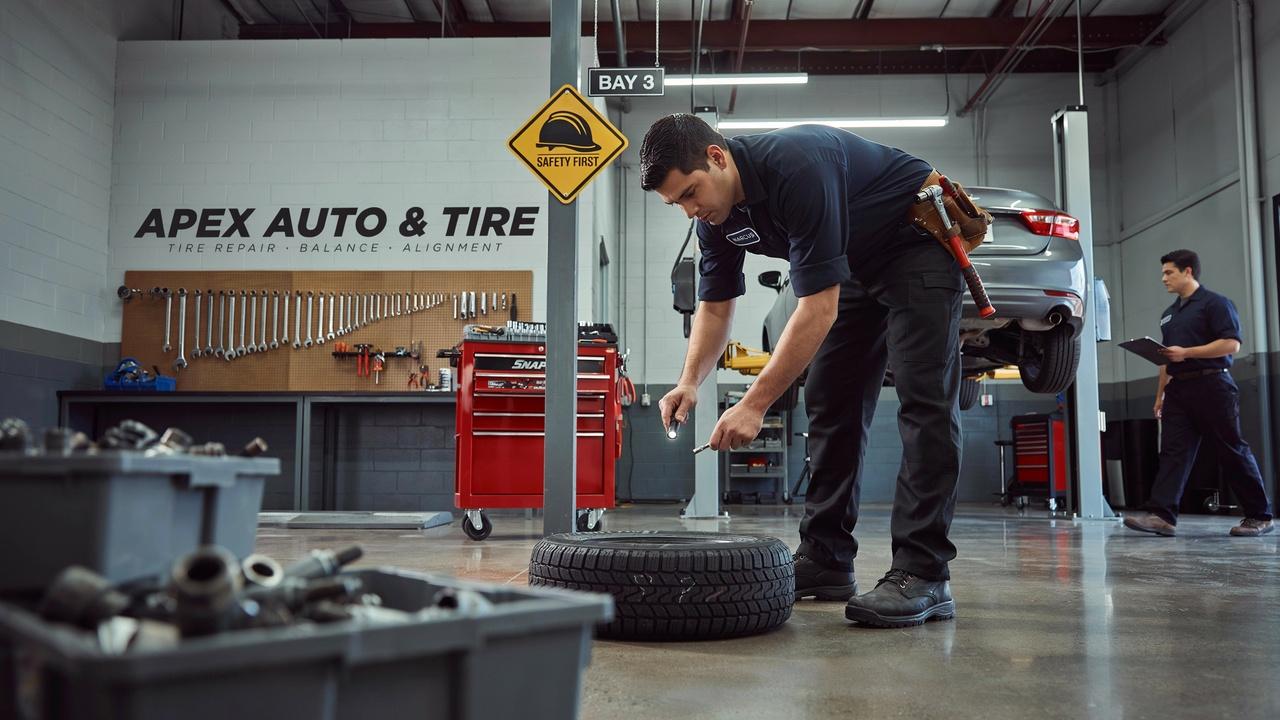
How to tell if a flat tire can still be patched up or if it needs full replacement.
When a Flat Tire Can Be Repaired
A small puncture in the tread, found early, can often be patched or plugged.
This works best if the tire was not driven on for very long after going flat.
A trained tire technician can check the inside of the tire for hidden damage before repairing it.
When You Need to Replace the Tire
If the sidewall is damaged, the tire has been driven flat for any real distance, or the inside shows signs of separation, replacement is the only safe option.
Sidewall damage in particular cannot be repaired safely.
A tire that has been driven on while flat often has damage you cannot see from the outside.
When in doubt, a new tire is the safer choice.
Can You Drive on a Tire With Low Air Pressure?
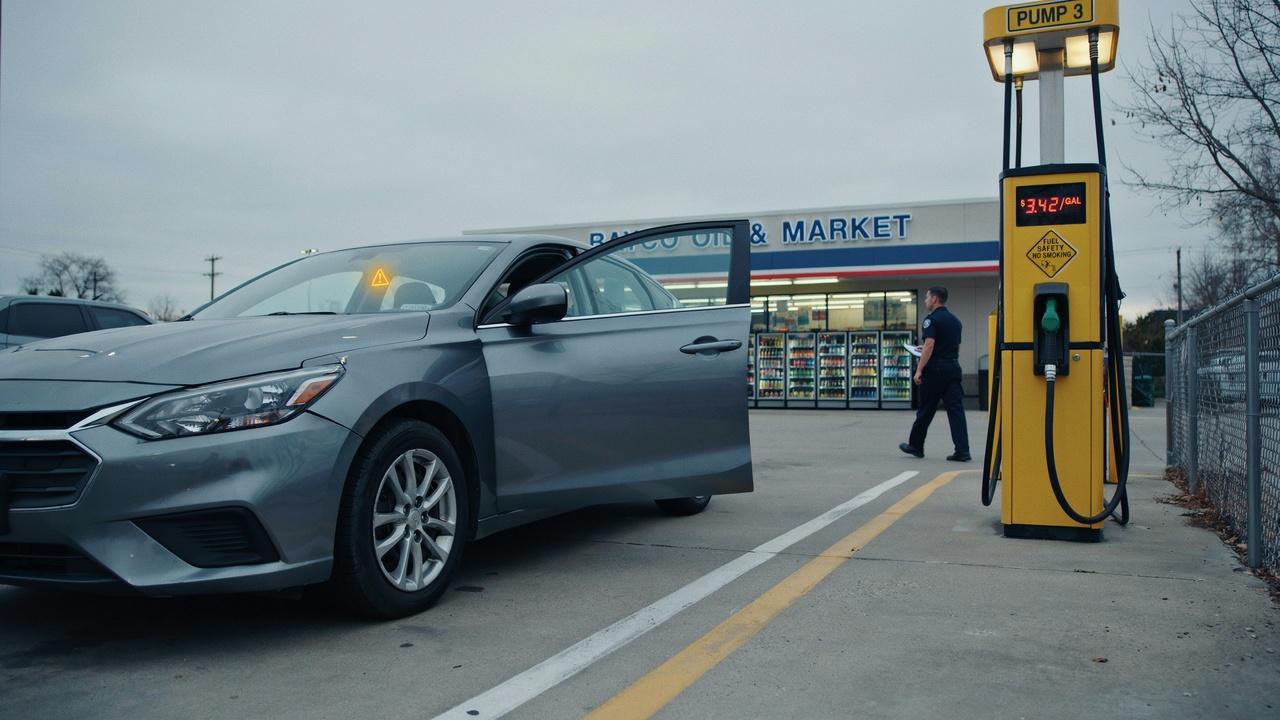
The difference between low tire pressure and a full flat, and what is actually safe to do about it.
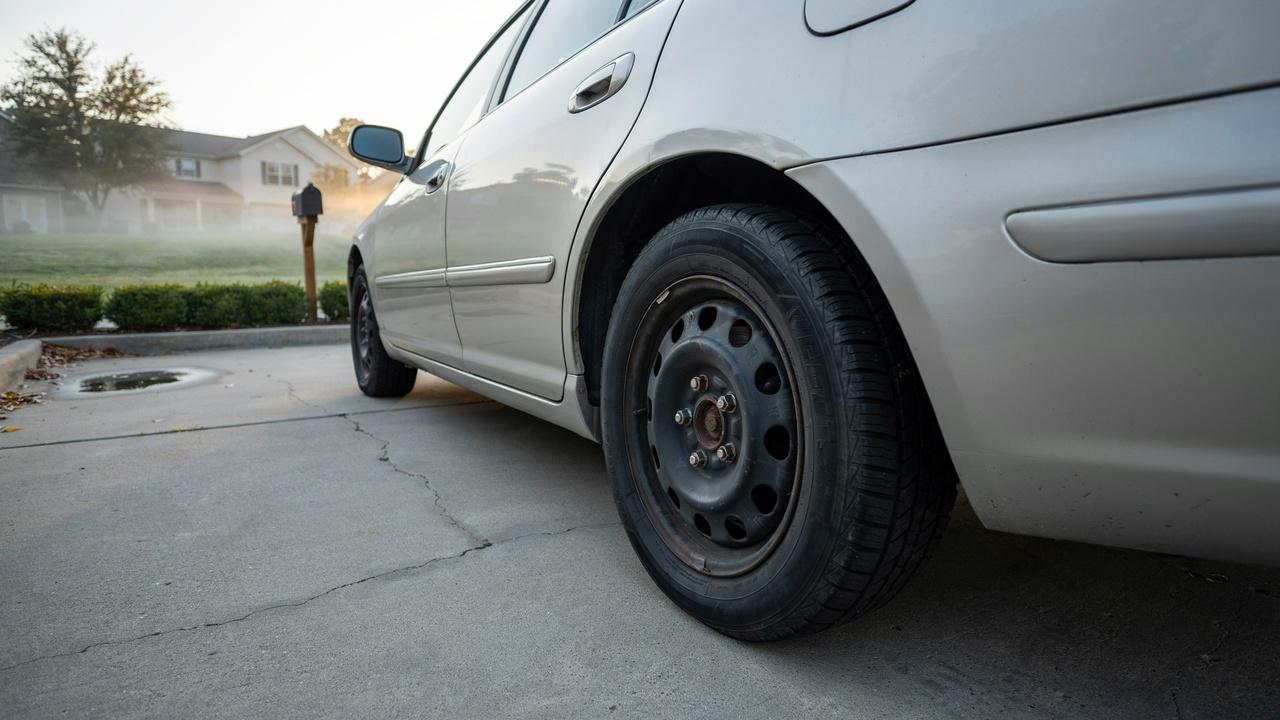
Low Tire Pressure vs. a Flat Tire
| Point | Low Tire Pressure | Flat Tire |
|---|---|---|
| Air Level | Holds some air, just not enough | Has lost almost all its air |
| Shape | Tire keeps its round shape | Tire loses its shape completely |
| Driving Safety | Generally safe to drive a short while | Not safe to drive far at all |
| Handling | Car may feel slightly off but stays stable | Car can pull to one side or feel unstable |
| Fix | Can often be solved by adding air | Usually needs a spare tire or repair |
Is It Safe to Drive With Low Tire Pressure?
Driving short distances with low pressure, such as to the nearest gas station, is usually fine.
Just drive slowly and check the pressure again as soon as you can.
Driving long distances on low pressure is not a good idea.
It wears down the tire faster and can lead to a blowout.
Tips to Avoid Driving on a Flat Tire
Simple habits that help you catch tire problems early and avoid getting stuck with a flat tire later.
- Check your tire pressure once a month using a simple gauge from any auto parts store. Check more often during cold weather, since temperature drops can lower pressure quickly.
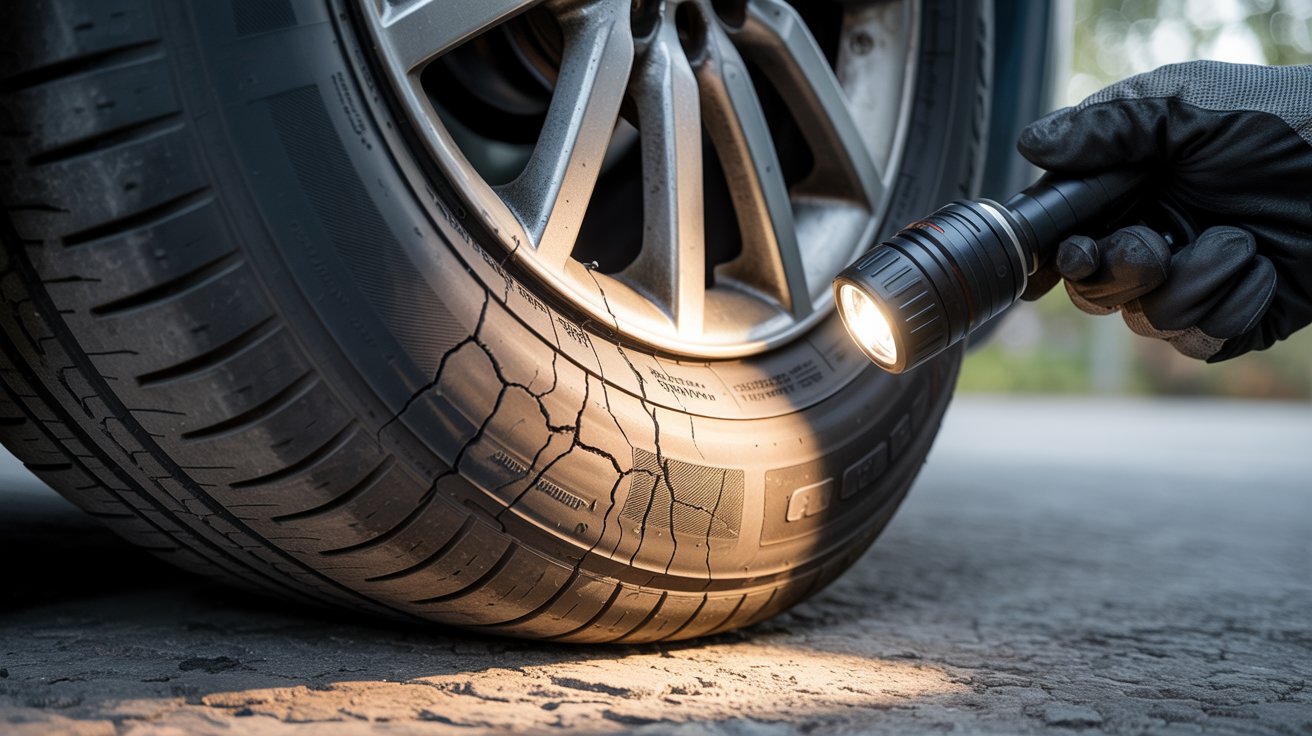
- Look over your tires every so often for cuts, bulges, or uneven wear. These signs often show up before a tire actually goes flat.
- Pay attention to the tire pressure warning light on your dashboard. Do not ignore it, even if the tire looks fine.
- Watch for strange noises, a pulling feeling in the steering wheel, or a rougher ride. These can point to a tire problem before it turns into a full flat.
- Keep a spare tire, jack, lug wrench, tire pressure gauge, and a can of tire sealant in your car at all times, so you can handle a flat calmly instead of being caught off guard.
Conclusion
I still remember the first time I got a flat tire on a quiet road late at night, with no idea what to do next.
That one moment taught me how much a little preparation saves you from real stress later.
A flat tire can catch anyone off guard, but knowing how to react makes all the difference.
Next time you check your car, take a minute to glance at your tires too.
Got your own flat tire story? Share it in the comments, or pass this post along to a friend who might need it.
Frequently Asked Questions
Can you drive a mile on a flat tire?
Driving a full mile on a flat tire is not safe and can badly damage the tire, rim, and suspension. Pull over as soon as you find a safe spot, ideally within a few hundred feet.
How do you know if a tire is flat or just low on air?
A flat tire looks visibly squashed and the car feels hard to control, while low air pressure usually just triggers a dashboard warning light. Checking the tire with a gauge is the easiest way to tell.
Can a tire be saved after driving on it while flat?
A small puncture caught early can sometimes still be patched, depending on the damage. But if the sidewall is harmed or the tire was driven flat for any distance, replacement is the safer choice.
Is it safe to drive on a spare tire for a long distance?
Most spare tires, especially smaller ones, are only meant for short distances at lower speeds. Check your owner's manual for the exact mileage and speed limit for your spare.
What should I keep in my car in case of a flat tire?
A spare tire, jack, lug wrench, tire pressure gauge, and a can of tire sealant are good basics to keep on hand. These items help you handle a flat calmly without waiting too long for help.