

A flashing tire pressure light can turn a normal drive into a worried one.
Is it safe to keep going? Is something actually wrong with your tires? You are not alone in asking this.
This guide walks you through what a flashing tire pressure light means, why it happens, and how to fix it.
We will cover common causes, quick checks you can do right now, and steps to clear the warning for good.
You will also find tips for specific brands like Toyota, Subaru, and Honda.
I have dealt with this exact warning light more than once, and the fixes are usually simpler than they seem.
By the end of this article, you will know exactly what to check and when to worry.
Let's get your dashboard back to normal.
What Does a Flashing Tire Pressure Light Mean?
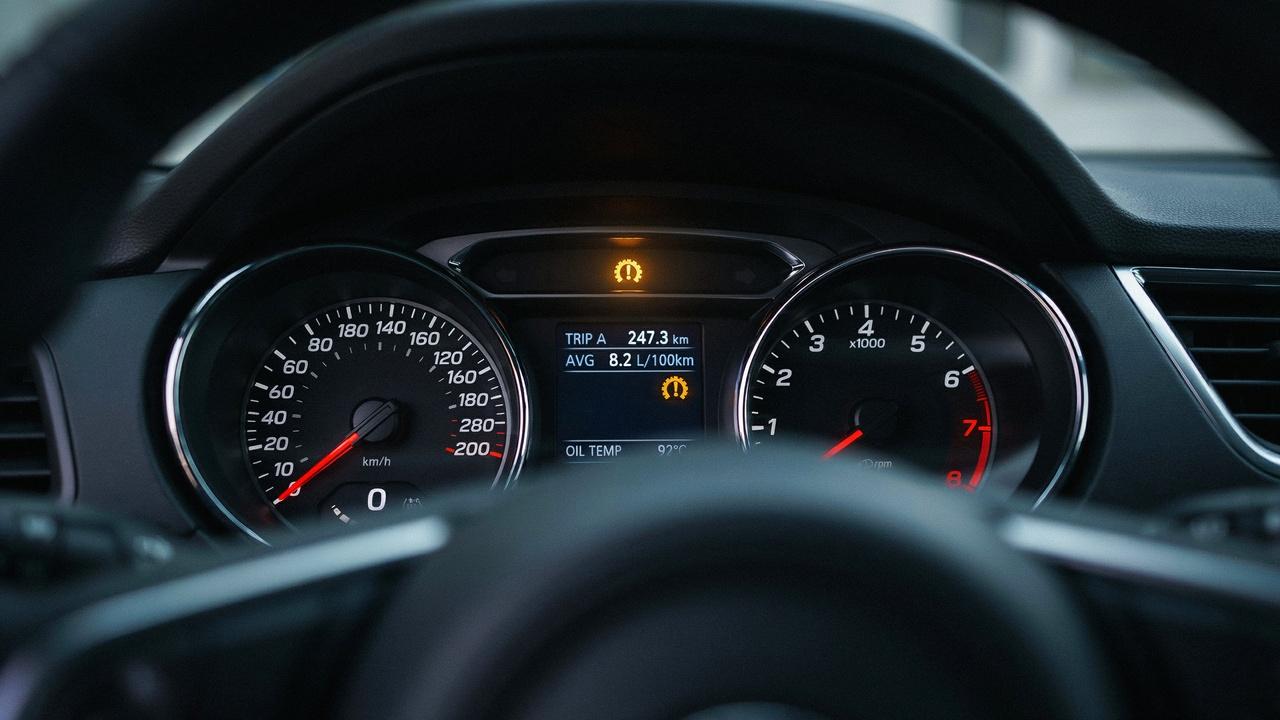
A steady light means low tire pressure. Add air and it usually turns off.
A flashing light is different. It often means the tire pressure system itself has a problem, not just the air in your tires.
This can happen if a sensor battery is weak or dead. It can also happen if the system loses contact with a sensor or gets stuck in a fault state.
If it flashes briefly during startup and then turns solid, that is normal. But if it keeps flashing, the system cannot give accurate readings.
Get it checked by a mechanic or tire shop soon. In the meantime, check your tire pressure by hand with a gauge to stay safe.
Is a Flashing Tire Pressure Light Dangerous?

A flashing tire light usually points to a sensor or system problem, not just low air, and needs quick driver attention.
Can you drive with a flashing tire pressure light?
You can drive a short distance, but it is not something to put off.
A flashing light often means the system itself has an issue, not just low air.
Get it checked as soon as you safely can.
When it becomes a safety risk
It turns risky when tire pressure drops fast or a tire starts losing air quickly.
Low pressure changes how your car handles, especially in turns or on wet roads.
Pulling over to check is always the safer choice.
What happens if you ignore it
Ignoring the light can lead to a blowout or uneven tire wear over time.
It can also raise your fuel use. Small issues left alone often turn into bigger repair bills later.
Common Causes of a Flashing Tire Pressure Light
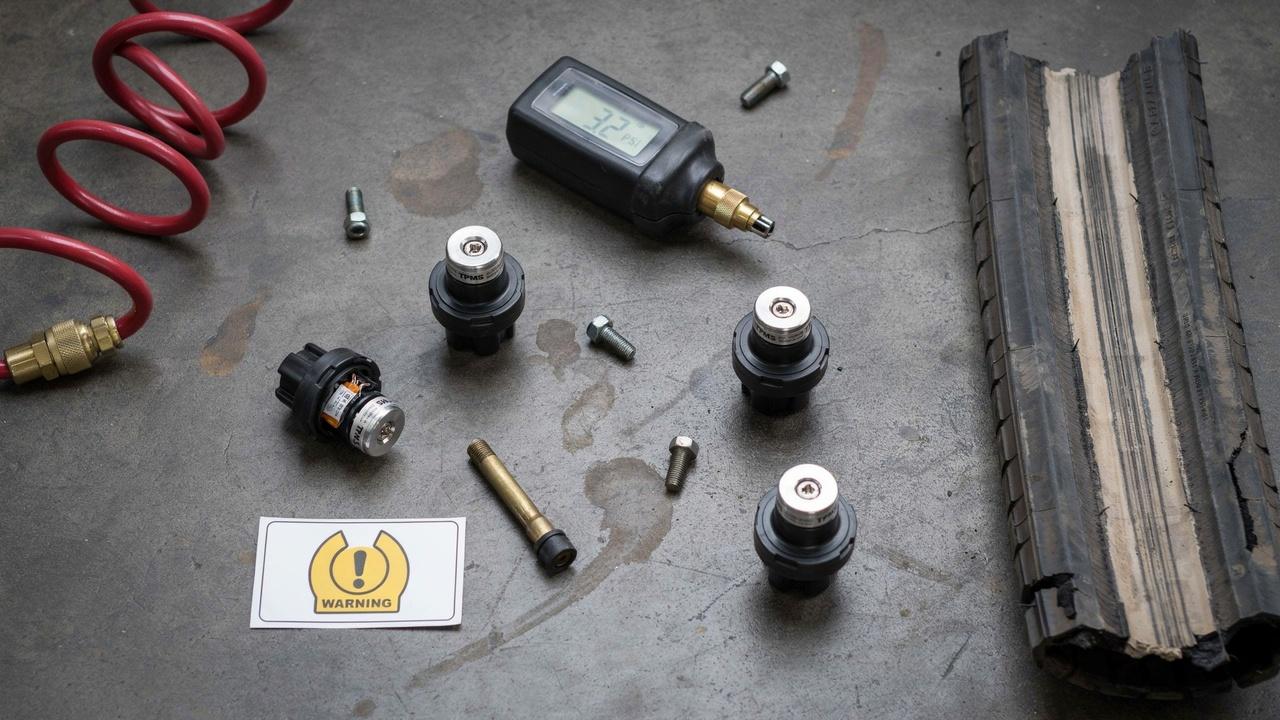
Several issues can trigger this warning, including low air pressure, sensor faults, weather shifts, or a system glitch.
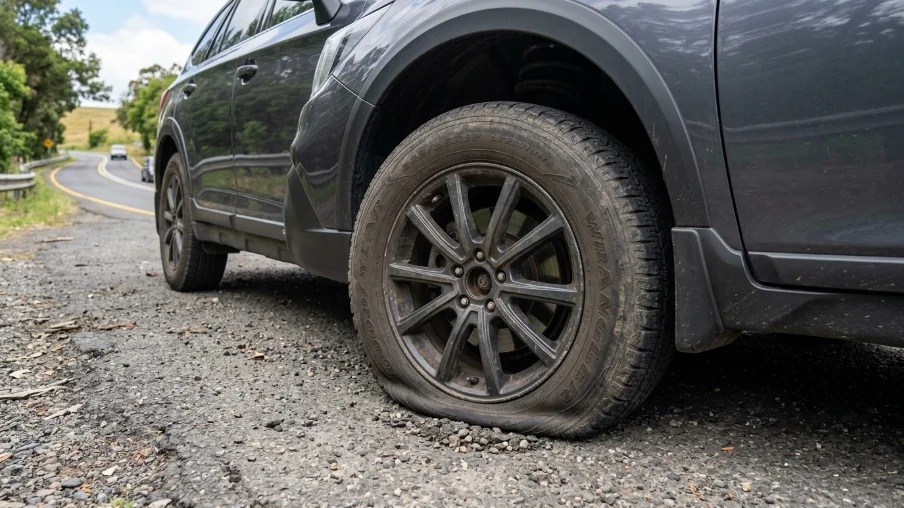
Low tire pressure or sudden air loss
This is the most common reason the light comes on.
A slow leak or a nail in the tread can cause pressure to drop.
A sudden loss of air usually means damage that needs prompt repair.
Faulty TPMS sensor or dead sensor battery
Each tire has a small sensor that tracks pressure.
These sensors run on batteries that wear out after a few years.
A dead or broken sensor can trigger the light even when your tires are fine.
Tire rotation without TPMS reset
After a rotation, the system sometimes needs to relearn sensor positions.
Skipping this step can confuse the system. The light may keep flashing until the reset is done.
Cold weather tire pressure drop
Cold air causes tire pressure to drop on its own.
This often sets off the warning light during colder months.
Checking pressure on a cold morning can confirm if this is the cause.
Communication or system malfunction
Sometimes the problem has nothing to do with the tires.
A wiring issue or a faulty control module can break the link between sensors and the dashboard.
This usually needs a diagnostic tool to track down.
Quick Checks Before You Panic
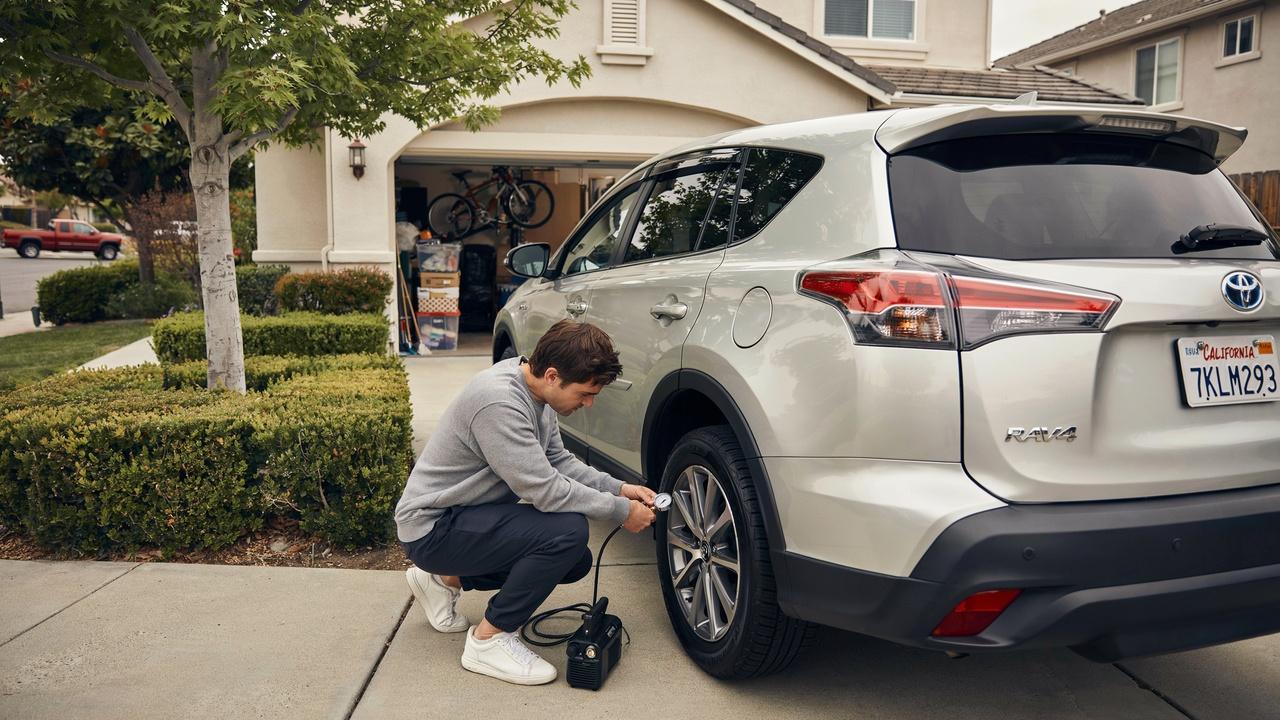
Simple steps like checking pressure, inspecting tires, and reviewing service history can explain most warning light triggers fast.
Check Pressure and Inspect Tires
Use a basic gauge on all four tires, plus the spare if it has a sensor, and compare readings to the number on your door sticker this gives you a clear starting point.
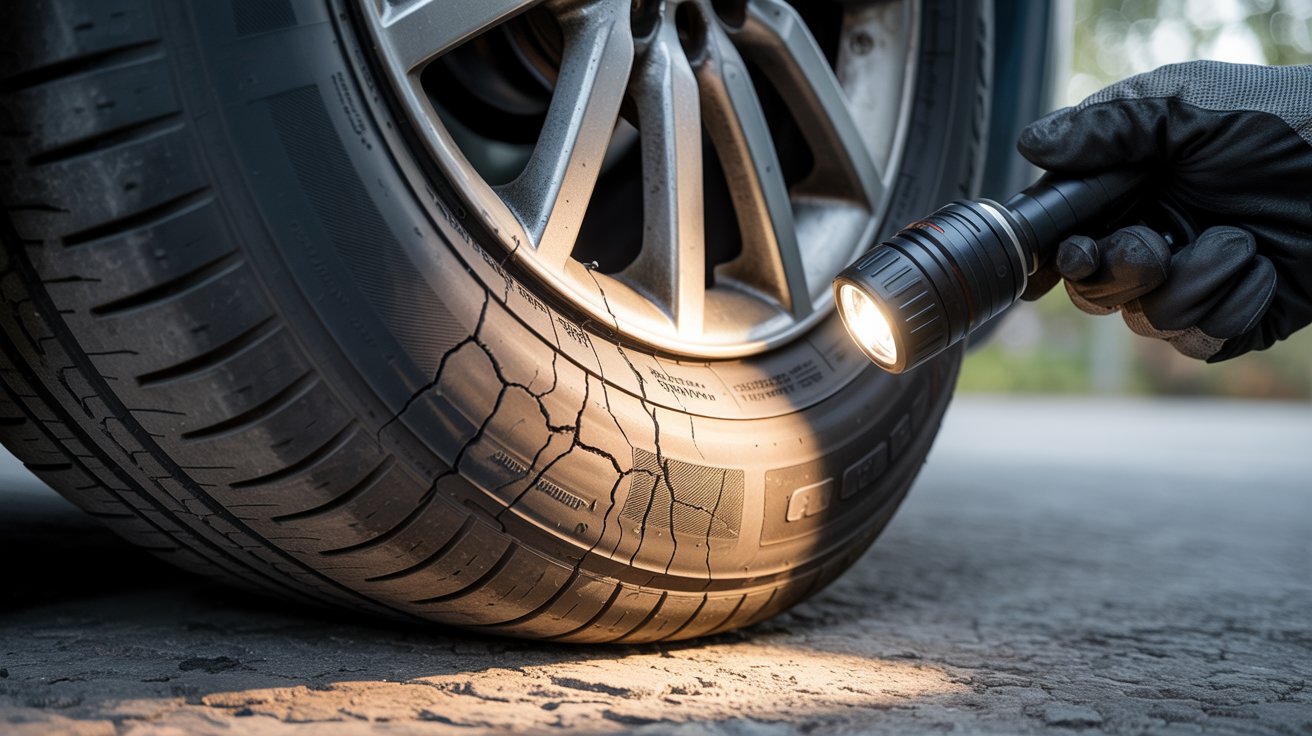
Then walk around your car and look closely at each tire for nails, cuts, or bulges along the sidewall, since damage like this often explains a sudden pressure drop.
Review Service History and Warning Patterns
Think back to any recent tire work, including rotations or new installs a skipped reset after service is a common trigger, and catching this early can save you a trip to the shop.
Also notice if the light blinks for a while before turning solid, since this change in pattern says something about the type of problem and helps you decide what to do next.
How to Fix a Flashing Tire Pressure Light

Fixing this issue often means adjusting air levels, repairing tires, resetting the system, or replacing a failed sensor.
Inflate or Repair Tires
Add air to match the number on your door sticker, not the tire's max PSI.
Patch small punctures replace tires with sidewall cuts or major damage.
Reset the System or Replace Sensors
Use the reset button or settings menu per your owner's manual this often clears the light once the issue is fixed.
A dead sensor battery usually means the whole sensor needs replacing.
Flashing Tire Pressure Light Then Solid What It Means
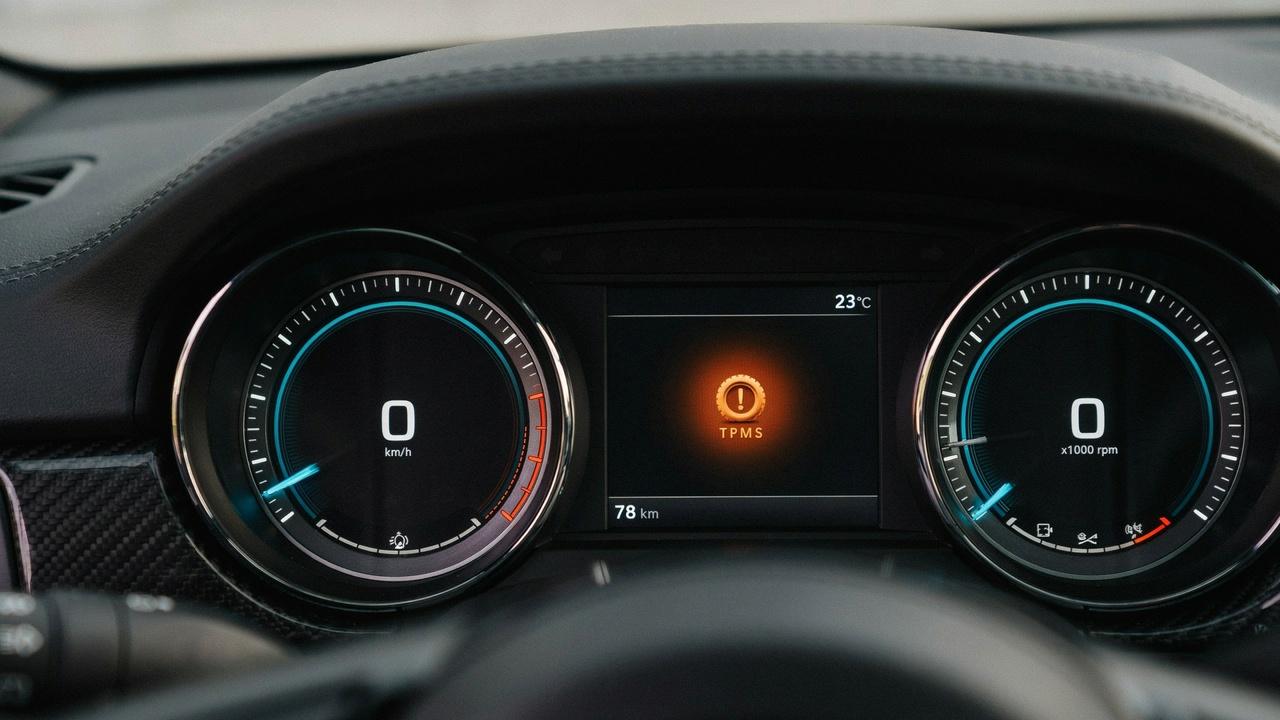
A light that switches from flashing to solid usually signals a change in tire pressure status or sensor function.
Why the warning changes behavior
A flashing light often means the system is checking or relearning sensor data.
Once it settles, it can turn solid to confirm a low pressure reading.
This shift is built into how the system reports problems.
TPMS system error vs low pressure warning
A solid light usually points to low air in one or more tires.
A flashing light more often points to a sensor or system issue.
Knowing the difference helps you respond the right way.
What action you should take
If the light turns solid, check and adjust tire pressure right away.
If it keeps flashing, plan for a sensor check instead. Either way, do not wait too long to act.
Vehicle-Specific Flashing Tire Pressure Light Issues

Toyota, Subaru, and Honda models can show different flashing patterns and reset steps for this same warning light.
Toyota Flashing Tire Pressure Light
On many Toyota models, a light that flashes for about a minute before turning solid points to a system fault.
This often needs a dealer scan tool to clear fully. A simple air top-up will not always fix it.
Subaru Flashing Tire Pressure Light
Subaru vehicles often show this pattern after a tire rotation or new tire install.
The system may need to relearn sensor positions through a reset procedure.
The owner's manual usually lists the exact steps for your model year.
Honda Flashing Tire Pressure Light
Honda models sometimes flash this light due to a weak sensor battery.
Replacing the sensor and pairing it again with the system usually solves it.
A dealer or tire shop can confirm which sensor is failing.
When to Visit a Mechanic
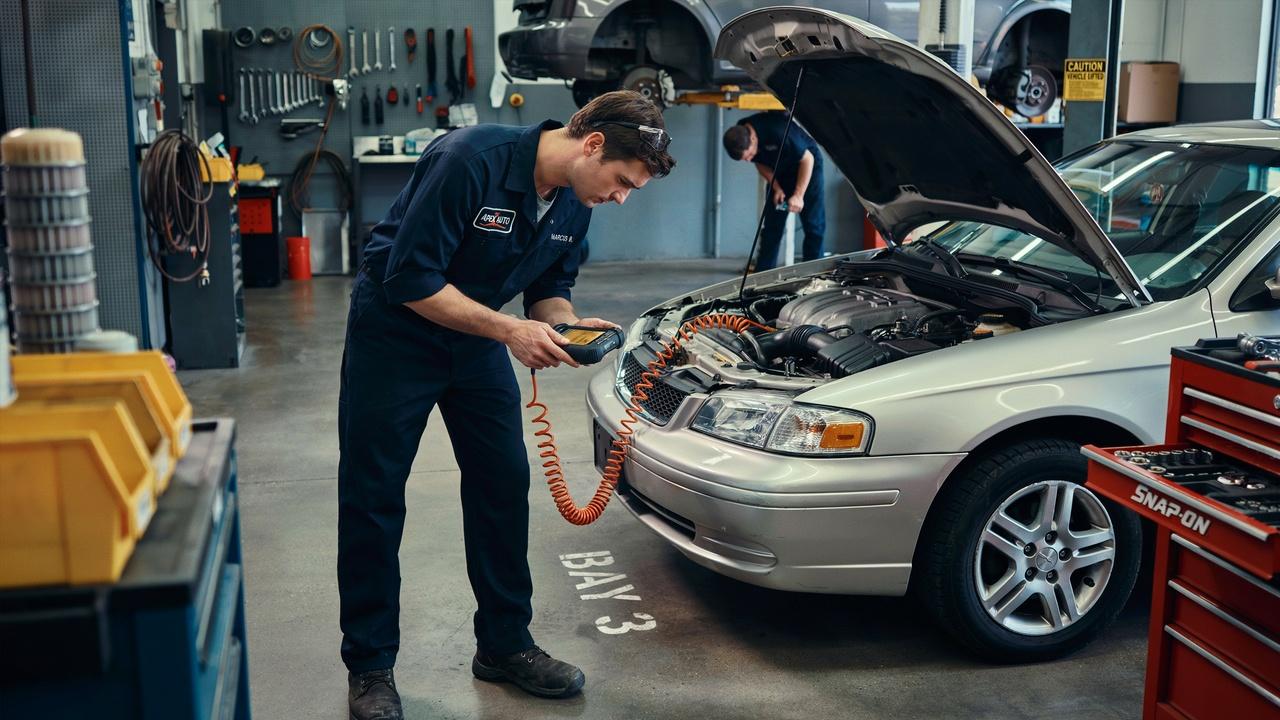
If the light flashes for more than a few minutes, or keeps coming back after a reset, it is time to get a professional check.
Repeated flashing after you have already checked pressure and looked for damage usually points to a sensor or wiring fault.
A mechanic can pinpoint the exact cause with the right tools, which saves you time and guesswork.
Tips to Prevent Flashing Tire Pressure Light Issues
Regular pressure checks, timely resets, and early leak detection go a long way toward avoiding this warning light.
- Check tire pressure monthly and before trips. This small habit catches drops before they turn into warning lights.
- Always reset TPMS after tire rotation. Most shops handle this automatically, but it is worth confirming.
- Monitor seasonal temperature changes. Cold mornings in fall and winter often cause pressure drops.
- Inspect tires for slow leaks early. Catching a leak early usually means a cheap, easy fix.
- Keep a portable tire pressure gauge in your car. It lets you confirm a warning light without needing a gas station pump.
Conclusion
I've had my own flashing tire pressure light moment, that quiet panic of seeing it blink on the highway with no gas station in sight.
Turns out it was just a cold morning and a tire that needed a few more pounds of air.
Most of the time, it really is that simple.
So next time your flashing tire pressure light comes on, take a breath and run through these checks first.
Got a story about your own dashboard scare? Drop it in the comments, share this with a fellow driver, or stick around for more car care tips.
Frequently Asked Questions
Why is my tire pressure light flashing but my tires look fine?
A flashing light often points to a sensor issue or a system reset that is needed, not low air. Check for recent tire service and confirm pressure with a gauge to be sure.
Can a flashing tire pressure light fix itself?
Sometimes, yes, especially after warm weather returns or a drive resets the system. If it keeps flashing after a day or two, it likely needs a manual check or reset.
Is it safe to drive on the highway with this light flashing?
Short highway trips are usually fine if your tires look normal and pressure is close to correct. Still, plan to get it checked soon rather than ignoring it for too long.
Why does the light flash for a minute then turn solid?
This pattern often means the system is confirming a true low pressure reading after an initial check. Once solid, it is best to add air right away.
Do I need a mechanic to reset the TPMS light?
Not always. Many cars let you reset the system yourself through a button or a menu. If the light returns quickly, a mechanic visit is the next step.