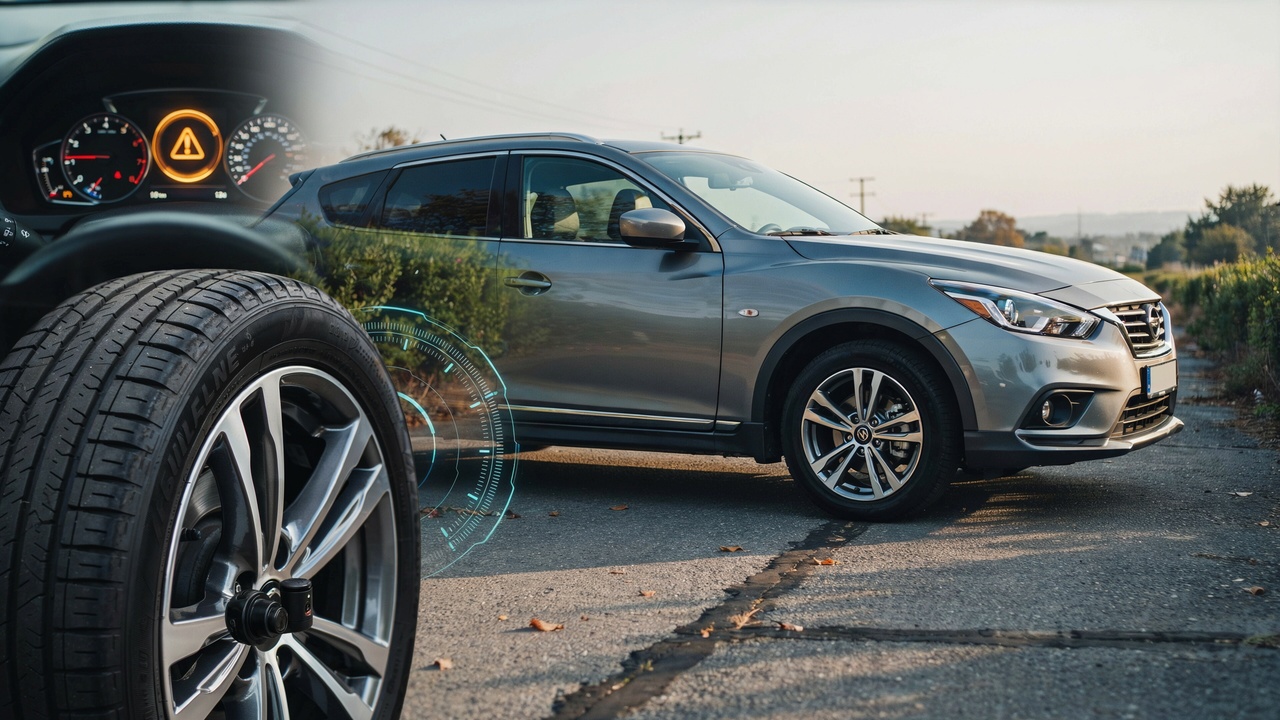

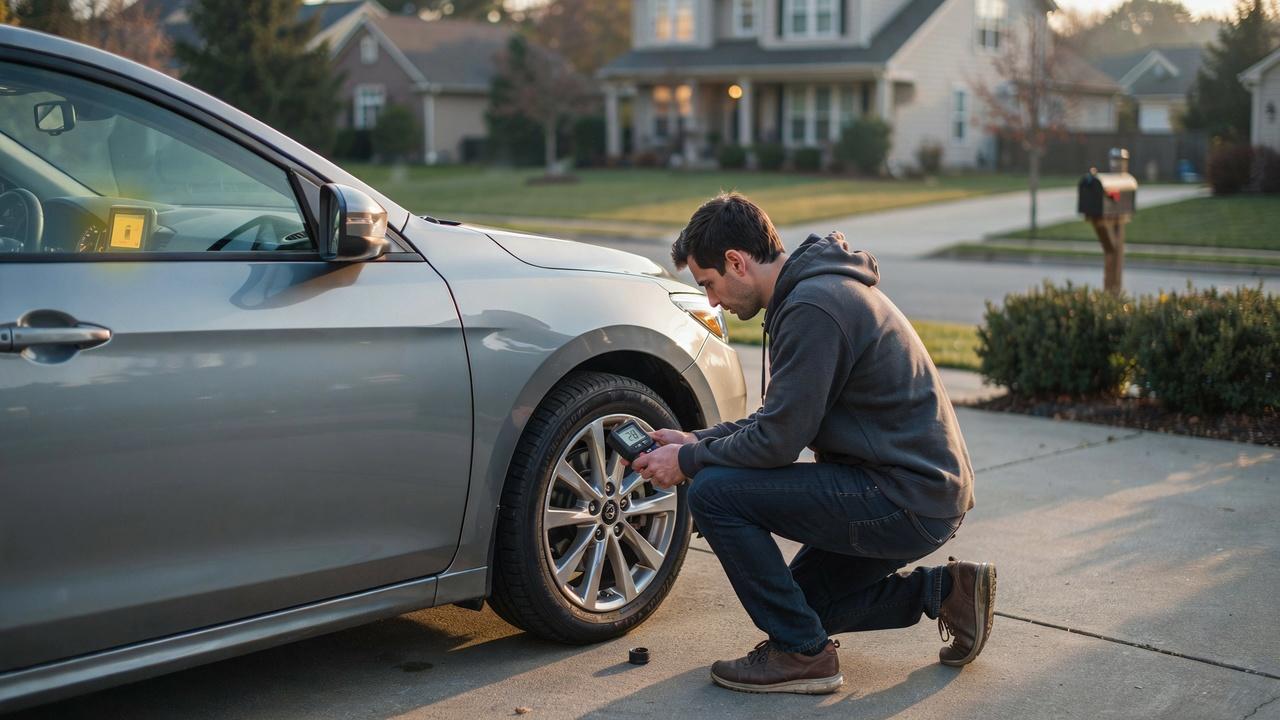
Filled up your tires, but that warning light is still glowing? You're not alone, and it's more common than you think.
This article will explain exactly why that happens.
You'll learn the real reasons the light stays on, even after you've added air.
We'll also cover how to check your pressure correctly, fix the light for good, and reset your system the right way.
I've had this same issue with my own car, so I know how frustrating it feels. This guide is built from real experience, not guesswork.
By the end, you'll know what's causing the problem and how to solve it with confidence.
Why Is My Tire Pressure Light Still On After Filling Tires?

Filling your tires does not always turn the light off right away. Here are the main reasons why.
You may not have reached the exact PSI level listed on the driver's door sticker. Even one low tire can keep the light on.
The system also needs a few minutes of driving to reset. The light often clears on its own after a short drive.
A slow leak from a nail or damaged valve stem can let air escape over time, bringing the light back.
Cold weather can lower your reading too. This is normal and not always a problem.
A worn out sensor battery can also cause the light to stay on, even with good tires.
Lastly, check your spare tire. Some cars track its pressure too, and a low spare can trigger the light.
If the light stays on after checking all five tires, have a mechanic look for leaks or a sensor issue.
How to Check If Your Tire Pressure Is Correct
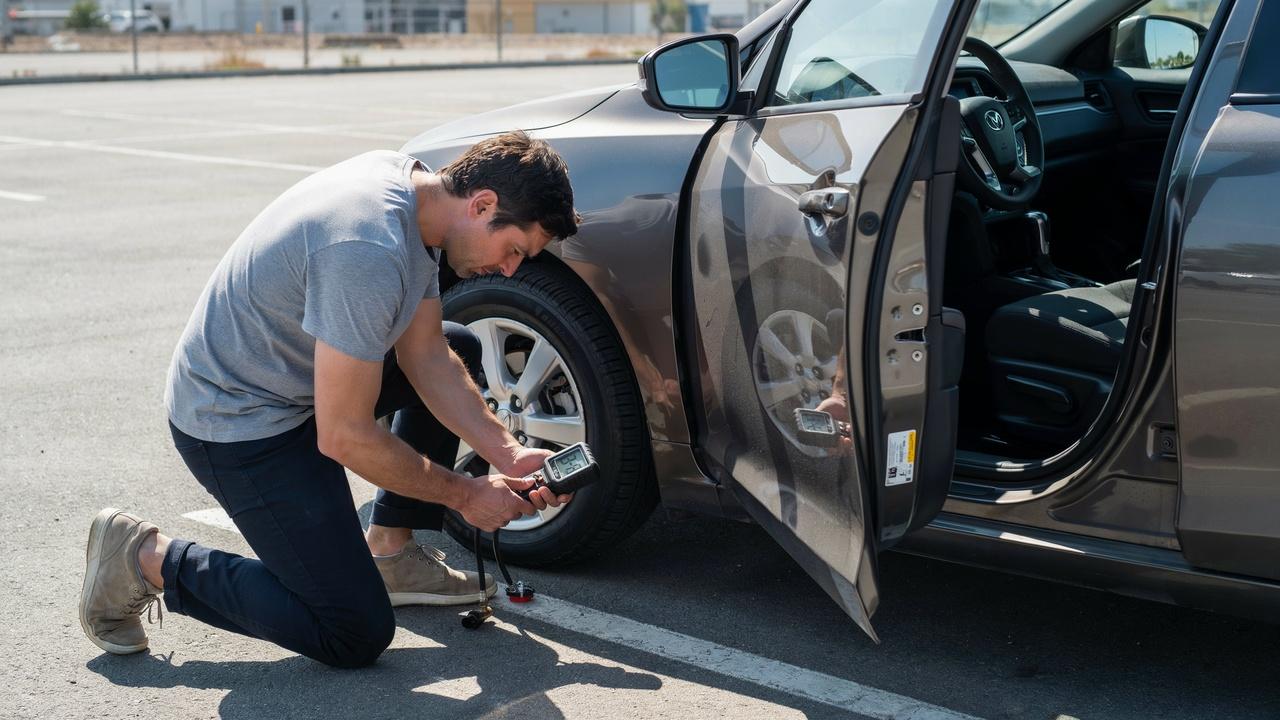
This section explains where to find the right PSI number and how to measure your tire pressure the right way.
Find the Recommended Tire PSI
Every car has a recommended tire pressure number. You can find it on a sticker inside the driver's side door. It is also listed in your owner's manual.
Do not use the number printed on the tire itself. That number shows the maximum pressure the tire can hold, not what your car needs.
Measure Tire Pressure Accurately
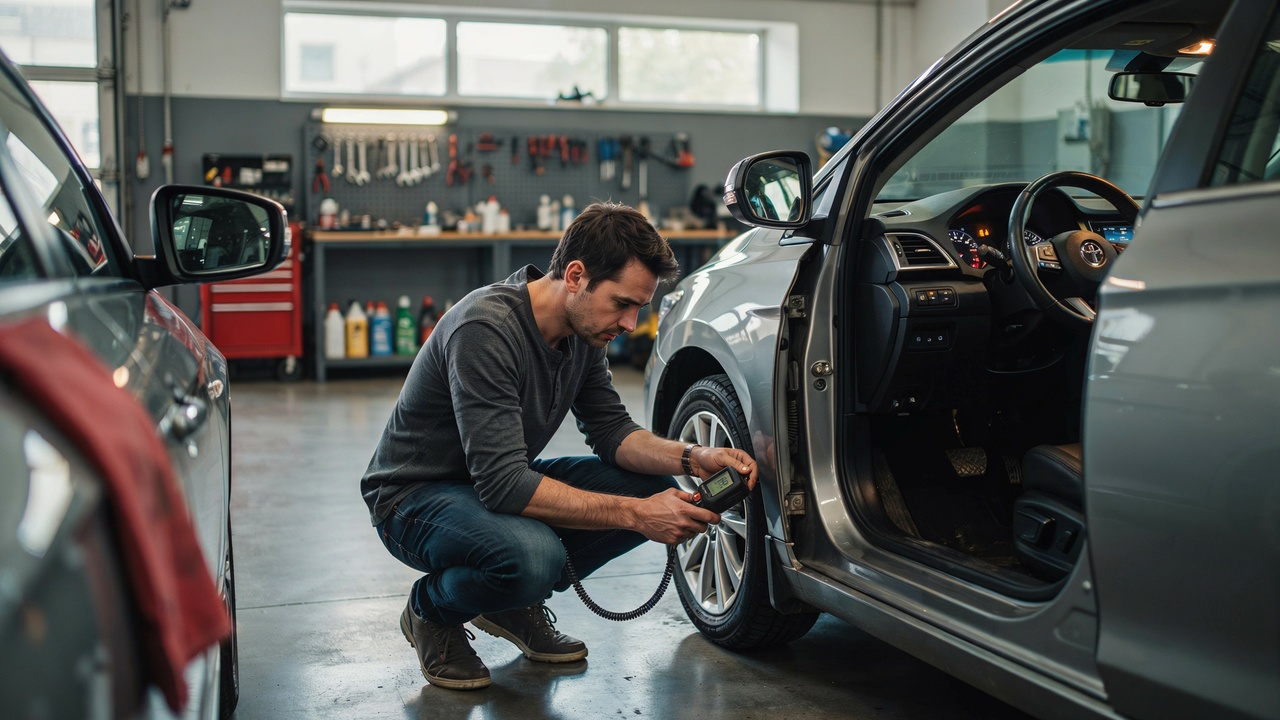
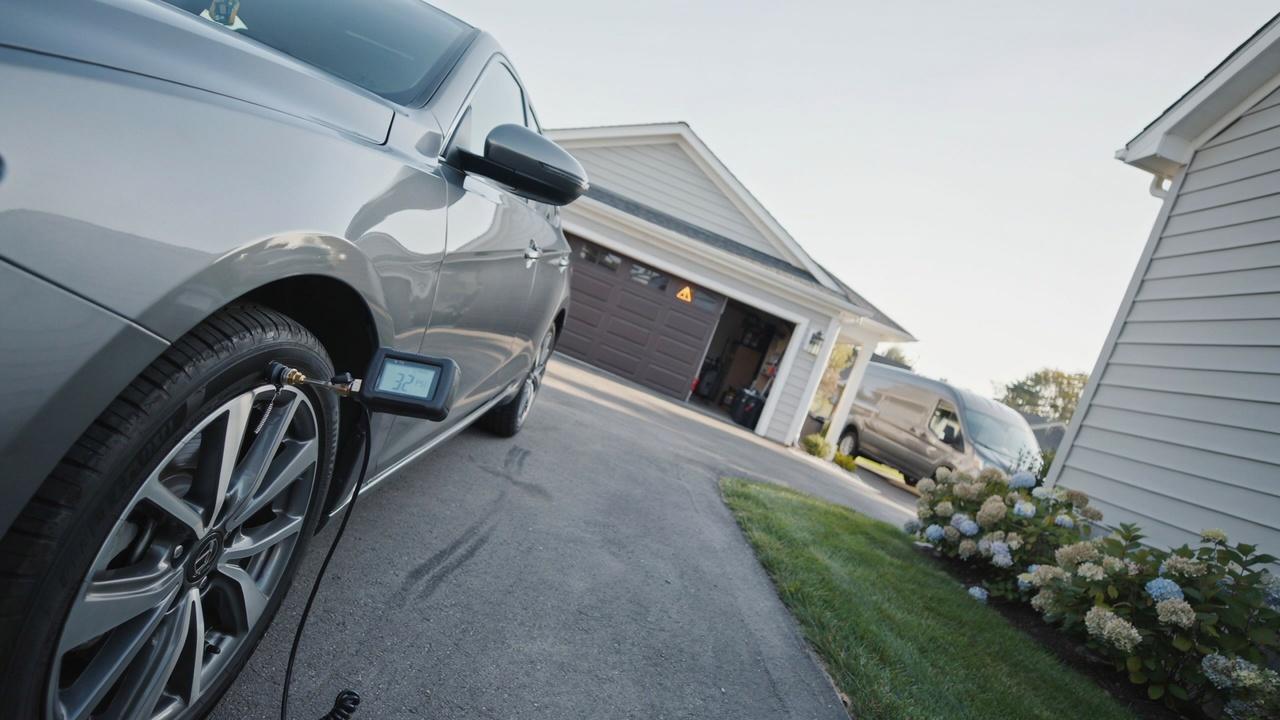
Use a reliable tire gauge to check your pressure. Digital gauges are easy to read and tend to be more accurate than older dial types. Check your tires when they are cold.
Driving heats up the air inside the tire and gives you a false reading. Try to check pressure first thing in the morning, before the car has been driven.
Check All Tires, Including the Spare
Many drivers forget the spare tire. It can lose air over time just like the others, even if it sits unused for months.
Check all four tires plus the spare on a regular basis. This way you avoid surprises if you ever need to use it.
How to Fix a Tire Pressure Light That Stays On
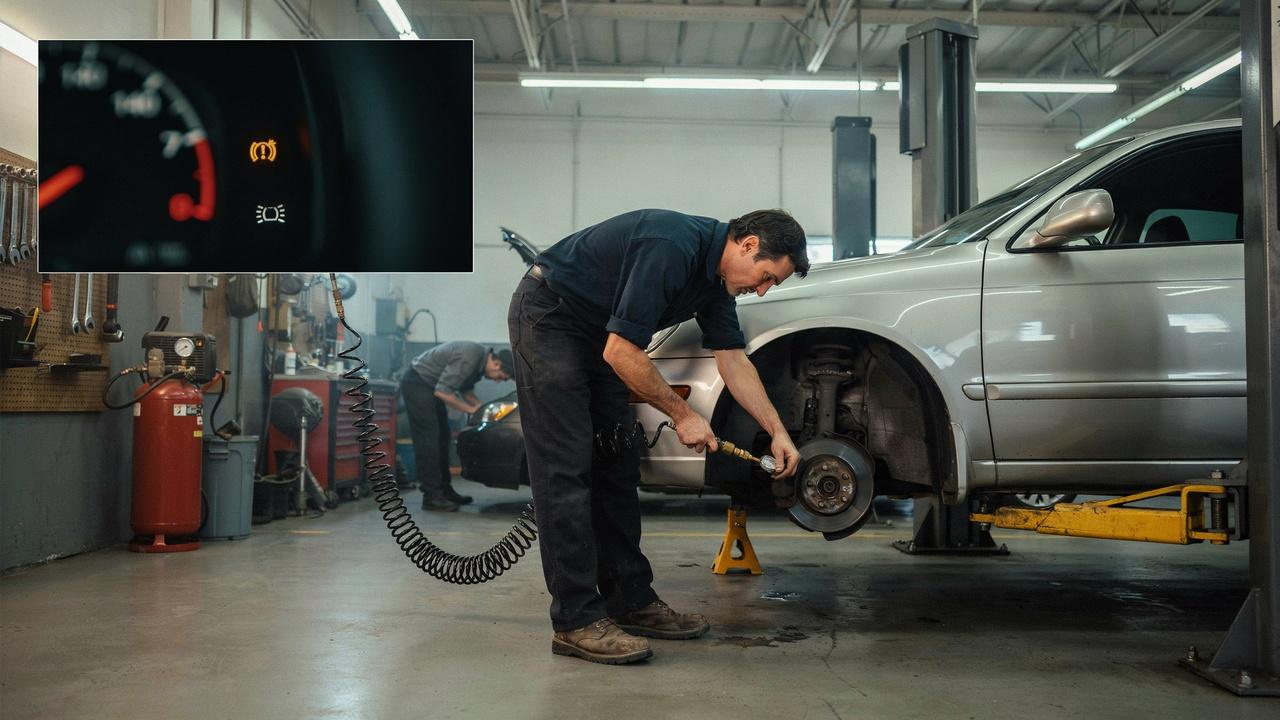
This section covers practical steps to fix a tire pressure light that won't turn off, from inflation to sensor checks.
Inflate or Deflate the Tires to the Correct PSI
If your tires are underinflated, add air until they match the recommended PSI. If they are overinflated, let some air out using the small pin inside the valve stem.
Check the pressure again after a few minutes. Small adjustments can make a big difference in how the light behaves.
Drive the Vehicle to Recalibrate the System
After adjusting your tire pressure, drive the car for about ten minutes at a steady speed.
Many tire pressure systems need this short drive to recheck the sensors and turn the light off on their own.
If the light does not turn off after a short drive, you may need to reset the system manually.
Reset the Tire Pressure Monitoring System
Some cars need a manual reset after you fix the pressure. This usually involves a button or a setting in the dashboard menu.
The reset process tells the car's computer that the pressure issue has been handled.
Without this step, the light may stay on even though your tires are fine.
Replace a Faulty TPMS Sensor
Sometimes the light stays on because a sensor has failed, not because of the tire pressure itself. TPMS sensors run on small batteries that wear out after several years.
If a sensor has failed, it usually needs to be replaced rather than repaired.
A mechanic can confirm which sensor is causing the issue.
How to Reset the Tire Pressure Light
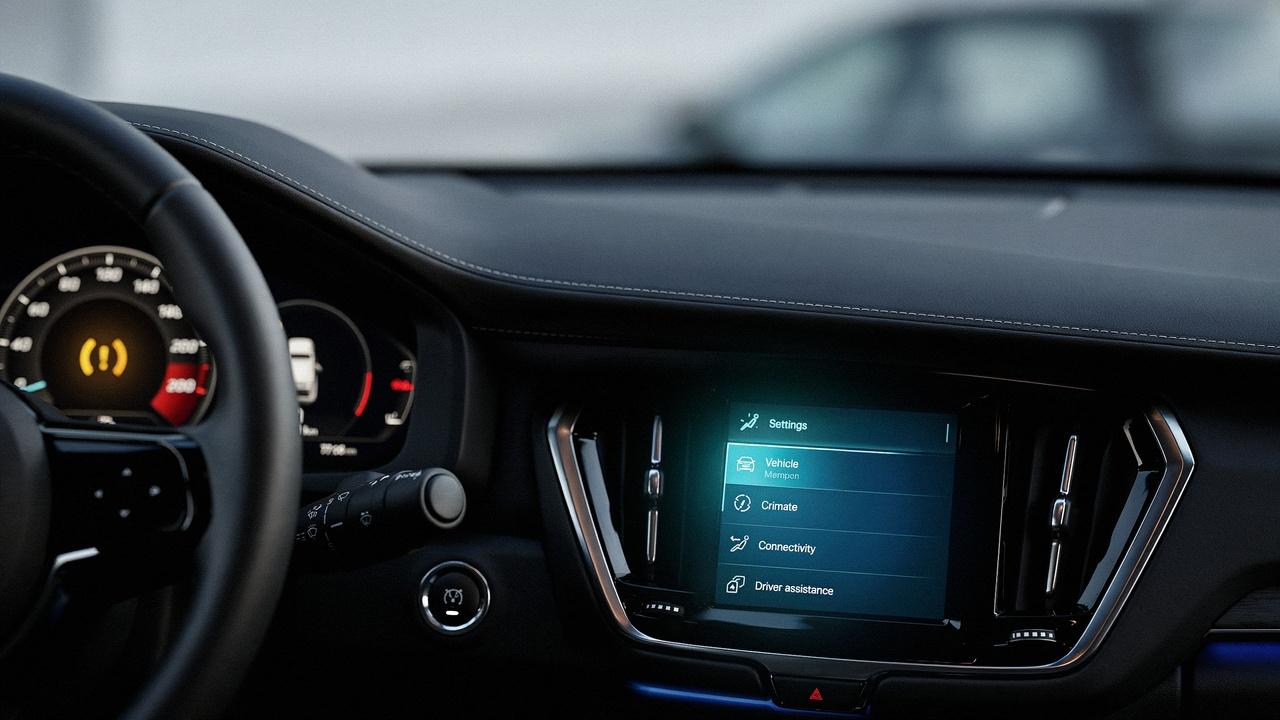
This section shows the different ways to reset the tire pressure light depending on your vehicle type and dashboard setup.
Reset Using the TPMS Reset Button
Many vehicles have a dedicated TPMS reset button. It is often located under the steering wheel or inside the glove box.
To use it, turn the key to the on position without starting the engine. Hold the button until the tire pressure light blinks, then release it.
Reset Through the Vehicle Settings Menu
Newer cars often let you reset the TPMS through the dashboard display. Look for a settings or vehicle menu and find the tire pressure option.
Follow the on-screen steps. The process usually takes less than a minute once you find the right menu.
Reset by Disconnecting the Battery
If your car does not have a reset button or menu option, disconnecting the battery for about fifteen minutes can sometimes clear the light.
This method resets the car's computer system as a whole. It works as a backup option when other methods are not available.
What to Do If the Tire Pressure Light Is Still On After Resetting

This section explains what to check next if resetting the system did not turn off the warning light.
Inspect the Tires for Leaks or Damage
A light that won't reset often means a slow leak. Check each tire for nails, cuts, or punctures.
A soapy water test works too, bubbles mean a leak.
Check the TPMS Sensor
If the tires look fine, the sensor may be damaged, often from a pothole or tire change.
A bad sensor sends wrong readings, keeping the light on even at normal pressure.
If you're still stuck, a mechanic can run a quick diagnostic scan to find the cause.
Is It Safe to Drive With the Tire Pressure Light On?
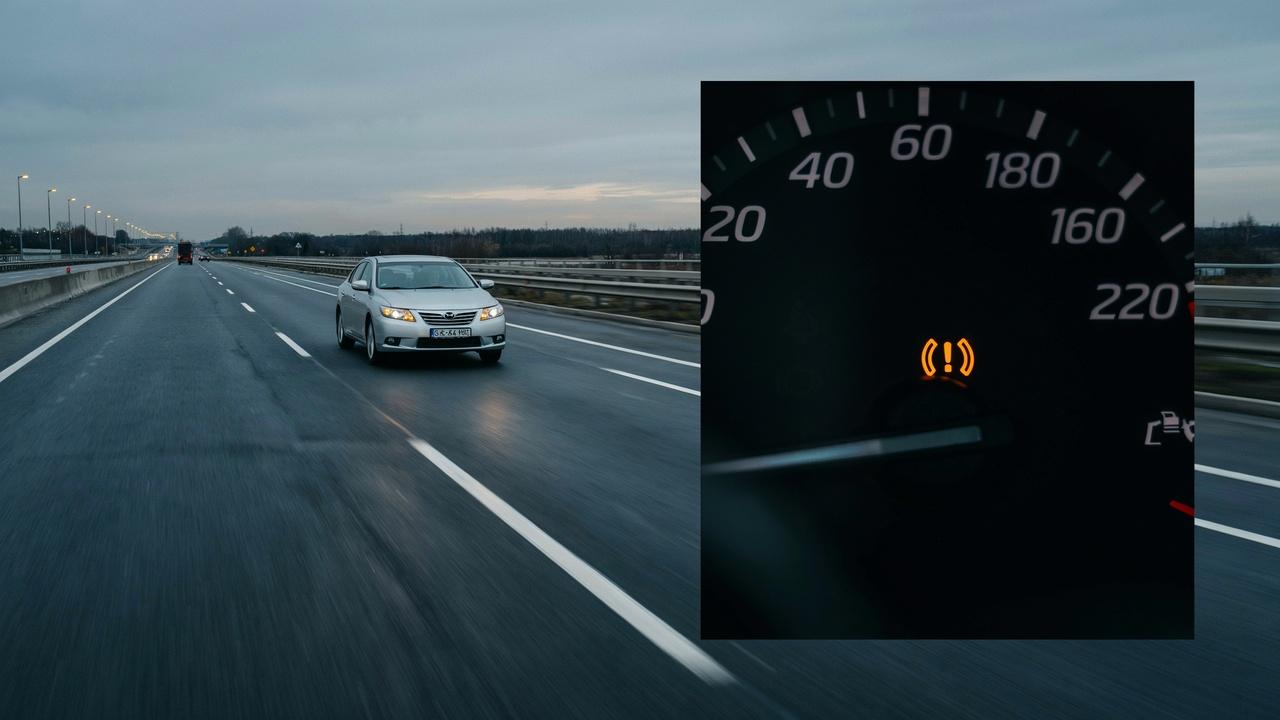
Driving with the tire pressure light on is not something to ignore, since low pressure puts extra strain on the tire and can lead to poor handling, longer braking distance, and uneven wear, while also raising the risk of a blowout at higher speeds or on long drives.
If a tire looks visibly flat or loses pressure suddenly, pull over right away, as driving on a flat can damage the wheel and ruin the tire beyond repair.
The same goes for a hissing sound or a car pulling to one side.
Stop in a safe spot and check the tire before you continue.
Tips to Prevent Tire Pressure Light Problems
This section shares simple habits that help you avoid future tire pressure warnings and keep your tires in good condition.
- Make tire checks part of your monthly routine. It only takes a few minutes and can catch small issues before they grow into bigger problems.
- Keep a simple log or a reminder on your phone to help you stay consistent with checks.
- Tire pressure drops as temperatures fall and rises as temperatures climb, so check more often during major weather changes, especially at the start of winter and summer.
- A pressure that looks fine in warm weather can drop noticeably once it gets cold, so do not assume it stays the same.
- TPMS sensor batteries do not last forever and usually need replacing after five to ten years, so have them checked during regular tire service or oil changes to catch a weak sensor early.
Conclusion
At the end of the day, that tire pressure light is just your car asking for a quick favor.
I learned this the hard way once, ignoring it for weeks until a slow leak turned into a flat on the highway.
Don't make my mistake. Take five minutes this week to check your tires and reset the tire pressure light if it's on.
Got a tip that's worked for you? Drop it in the comments below, and share this post with a friend who's always asking what that little light means.
Frequently Asked Questions
What does it mean when the tire pressure light comes on?
It means one or more of your tires has air pressure below the recommended level. It can also mean a sensor issue rather than an actual pressure problem.
How long can I drive with the tire pressure light on?
You can usually drive a short distance to a gas station or repair shop. Avoid long trips until you check and fix the pressure.
Why does the tire pressure light come back on after I reset it?
This often happens if the pressure was not corrected fully or a slow leak is still present. A faulty sensor can also cause repeated warnings.
Can cold weather trigger the tire pressure light?
Yes, cold air causes tire pressure to drop, which can trigger the warning. This is common at the start of winter when temperatures fall quickly.
Do I need a mechanic to reset the tire pressure light?
Not always, since many cars let you reset it yourself through a button or settings menu. A mechanic is only needed if the light stays on after a proper reset.