


Rotating dually tires is not the same as rotating tires on a regular truck.
With six tires instead of four, it is easy to get confused about where each one should go, and that confusion can lead to uneven wear and wasted money.
This guide breaks down everything you need to know, from pre-rotation checks to the best rotation patterns for your wheels.
You will also learn the common mistakes to avoid and simple tips to help your tires last longer.
I have spent plenty of weekends in my own garage rotating dually tires, and I am sharing what actually works.
By the end of this article, you will know exactly how to handle your dually tire rotation with confidence, no guesswork needed.
Dually Tire Rotation at a Glance
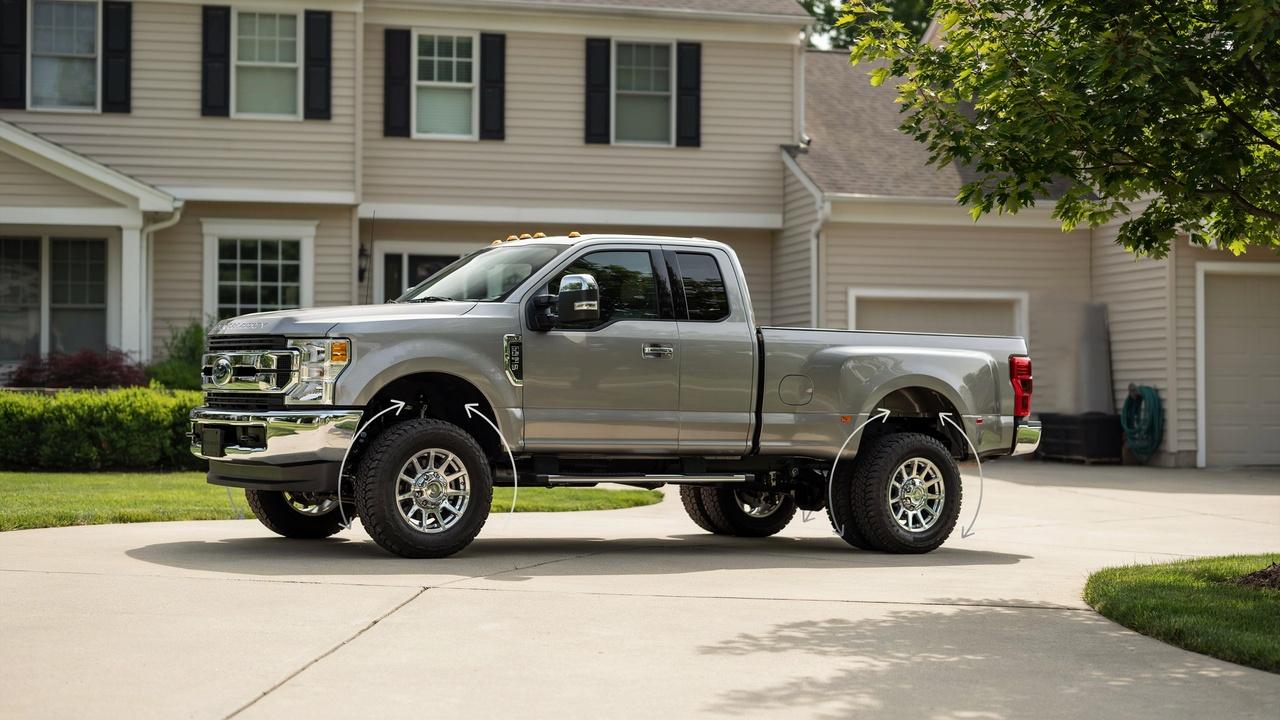
Dually trucks have six tires instead of four. This means tire rotation works a bit differently than on a regular truck.
Rotating dually tires helps them wear evenly. Even wear means better grip and a smoother ride.
Most owners rotate tires every 5,000 to 8,000 miles. This keeps tread wear balanced across all six tires.
A proper rotation pattern moves the inner and outer rear tires, along with the front tires, in a planned order.
This spreads out wear caused by heavy loads and daily driving.
Skipping rotations can lead to uneven tread wear. That can affect handling and shorten tire life.
In short, regular rotation keeps your dually tires lasting longer and performing safely on the road.
Things to Check Before Rotating Dually Tires
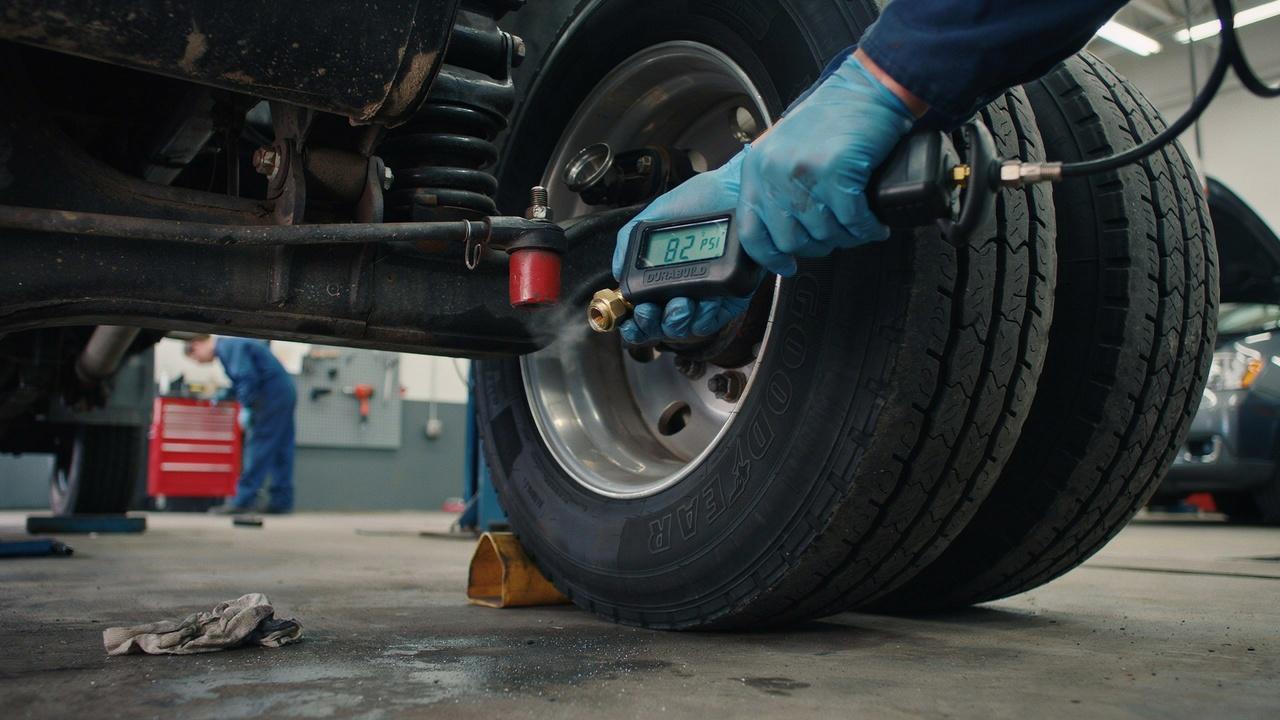
A quick rundown of the basic checks you should do before you start any dually tire rotation job.
Check Tire Pressure on All Six Tires
Check the air pressure on every tire, including the inner rear ones.
Low pressure on even one tire can throw off your rotation plan.
Inspect Tire Tread Depth and Wear Patterns
Look for uneven wear, cupping, or flat spots on each tire.
This can point to alignment or balance problems before you rotate.
Make Sure All Tires Match in Size
All six tires should match in size and brand.
Mixed sizes can cause handling issues on a dually truck.
Gather the Necessary Tools and Safety Equipment
You will need a torque wrench, lug wrench, jack, jack stands, and wheel chocks.
Never rely on a jack alone to hold the truck up.
How to Rotate Dually Tires: Step-by-Step Guide
A simple walk through the full process of rotating dually tires from start to finish.
Step 1: Park the Truck on a Level Surface
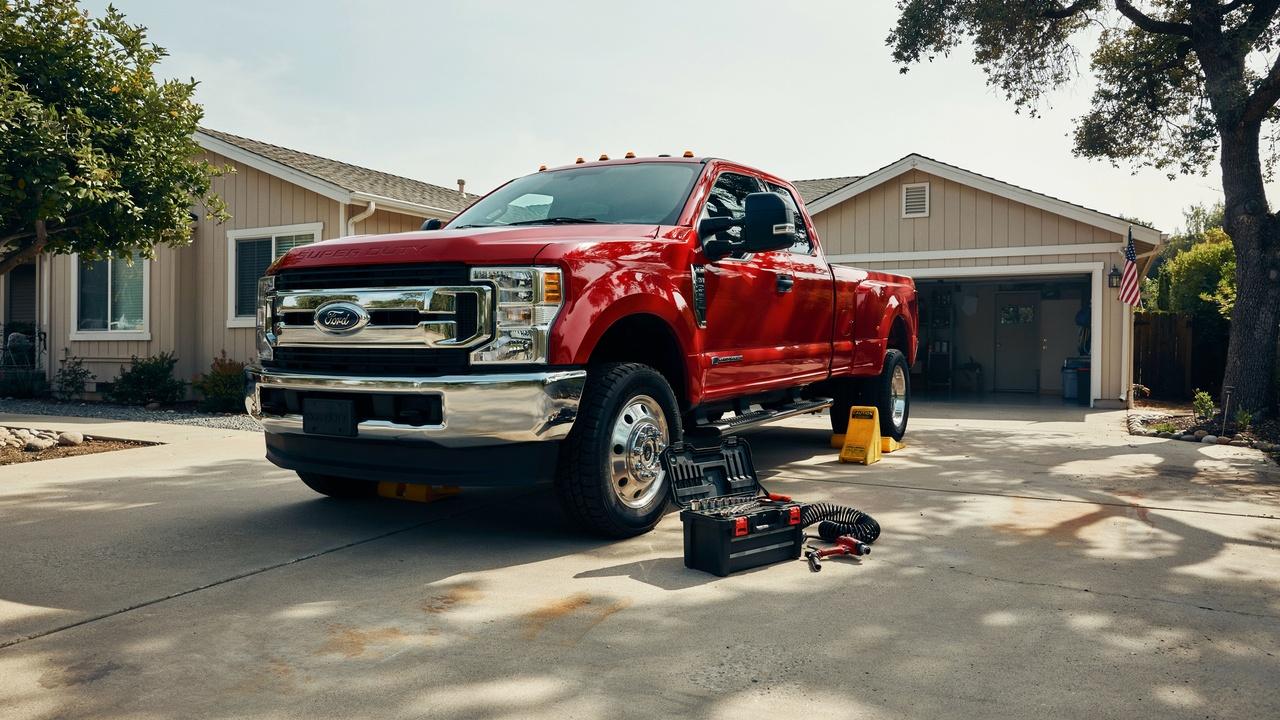
Park on flat, solid ground like a driveway or garage floor.
Set the parking brake and add wheel chocks.
Step 2: Loosen the Lug Nuts and Lift the Truck
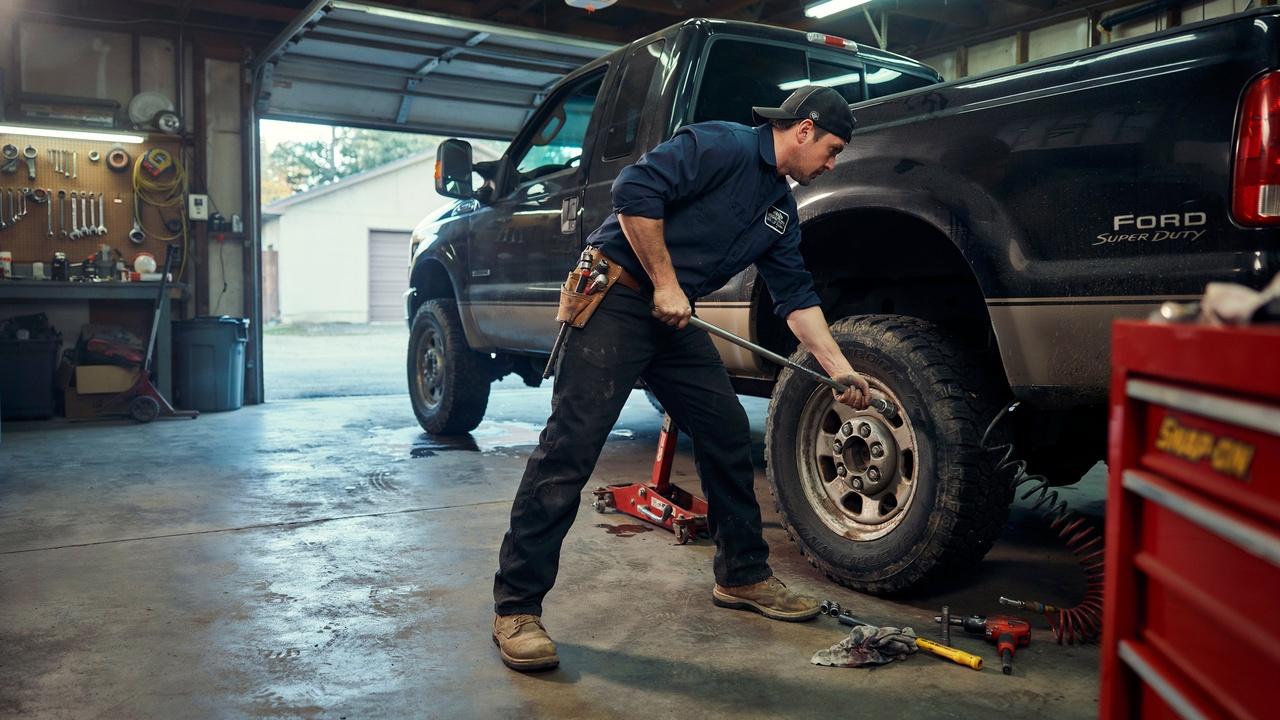
Loosen each lug nut slightly before lifting the truck.
Raise it with a jack, then support it with jack stands.
Step 3: Remove All Six Tires

Pull off each wheel and set it aside in order.
Marking each wheel with chalk helps you track its original spot.
Step 4: Identify the Correct Rotation Pattern
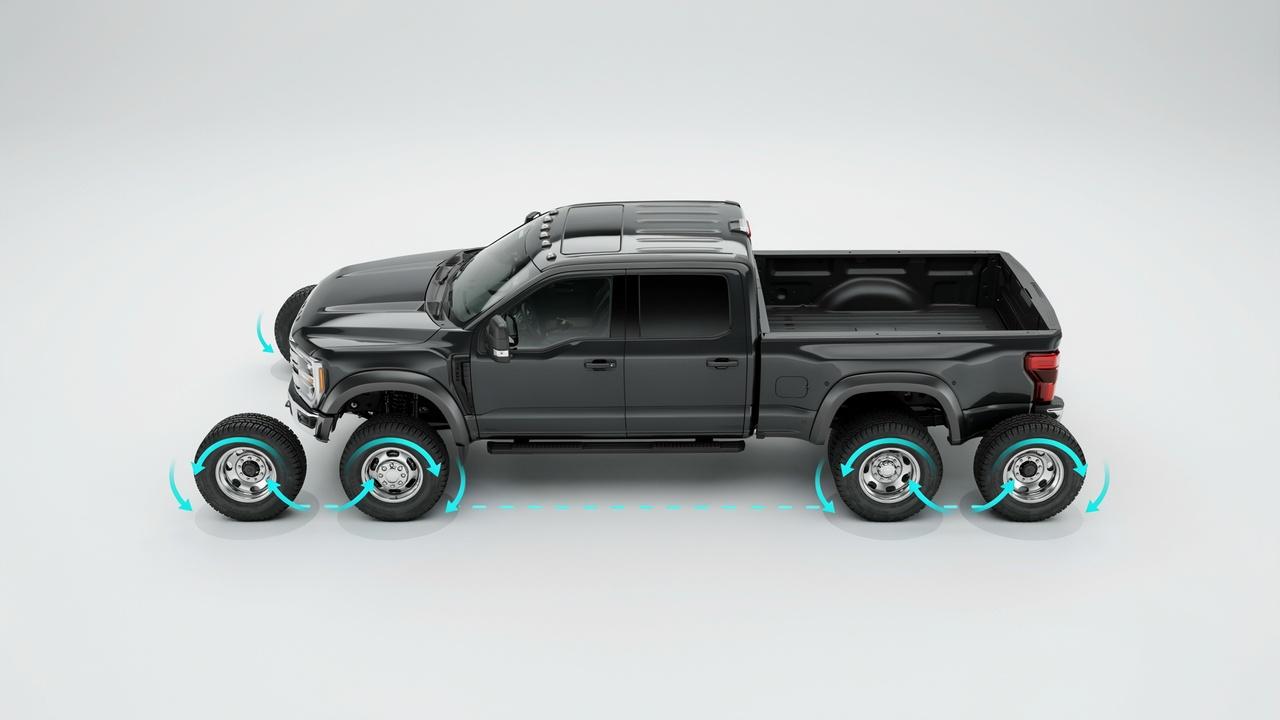
Check your owner's manual for the recommended pattern.
Dually trucks often use a different setup than regular pickups.
Step 5: Move the Tires to Their New Positions
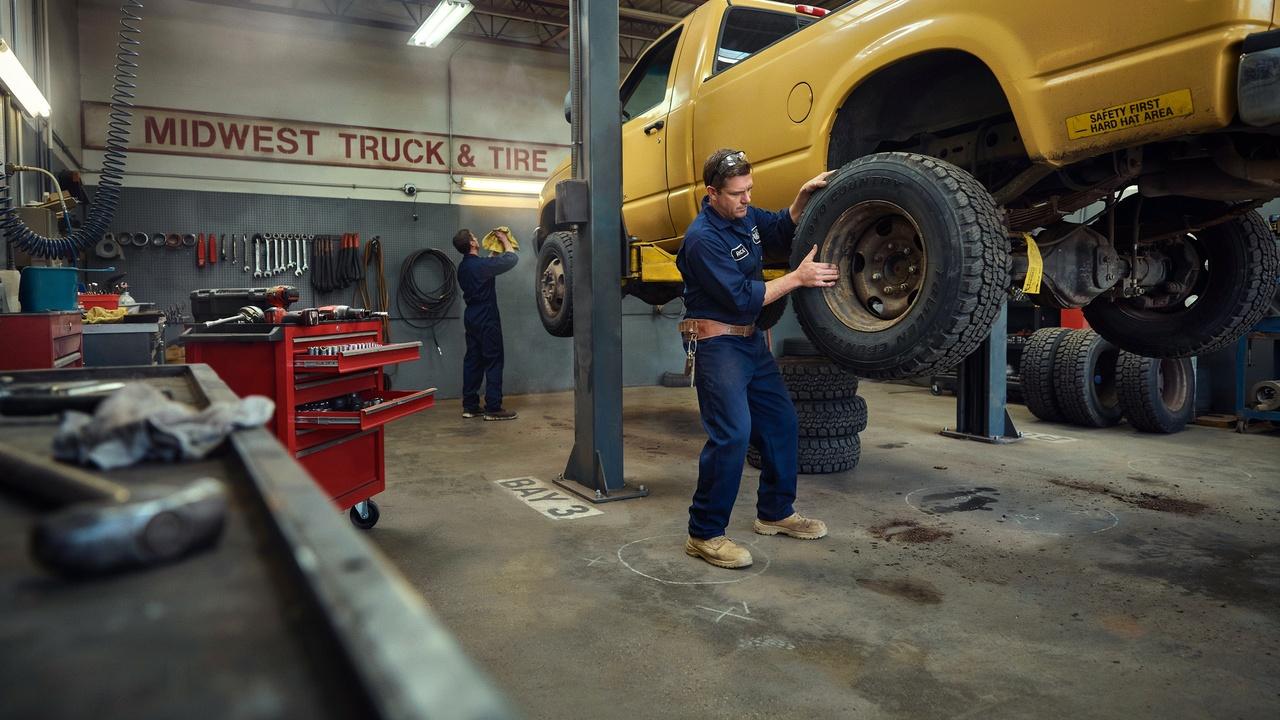
Move each tire to its new spot based on your chosen pattern.
Pay close attention to the inner and outer rear tires.
Step 6: Reinstall the Wheels and Torque the Lug Nuts
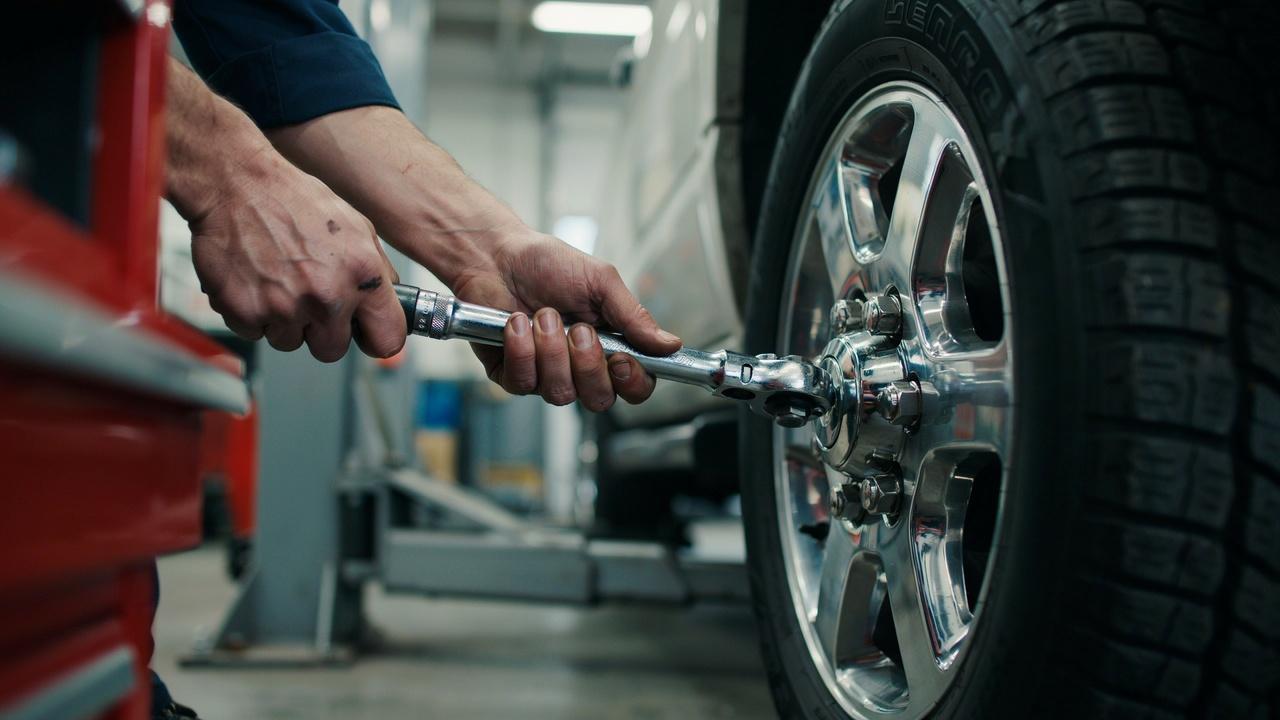
Hand tighten the lug nuts first, lower the truck, then torque them to the exact spec in your manual.
Use a star pattern for even tightening.
Step 7: Check Tire Pressure and Test Drive
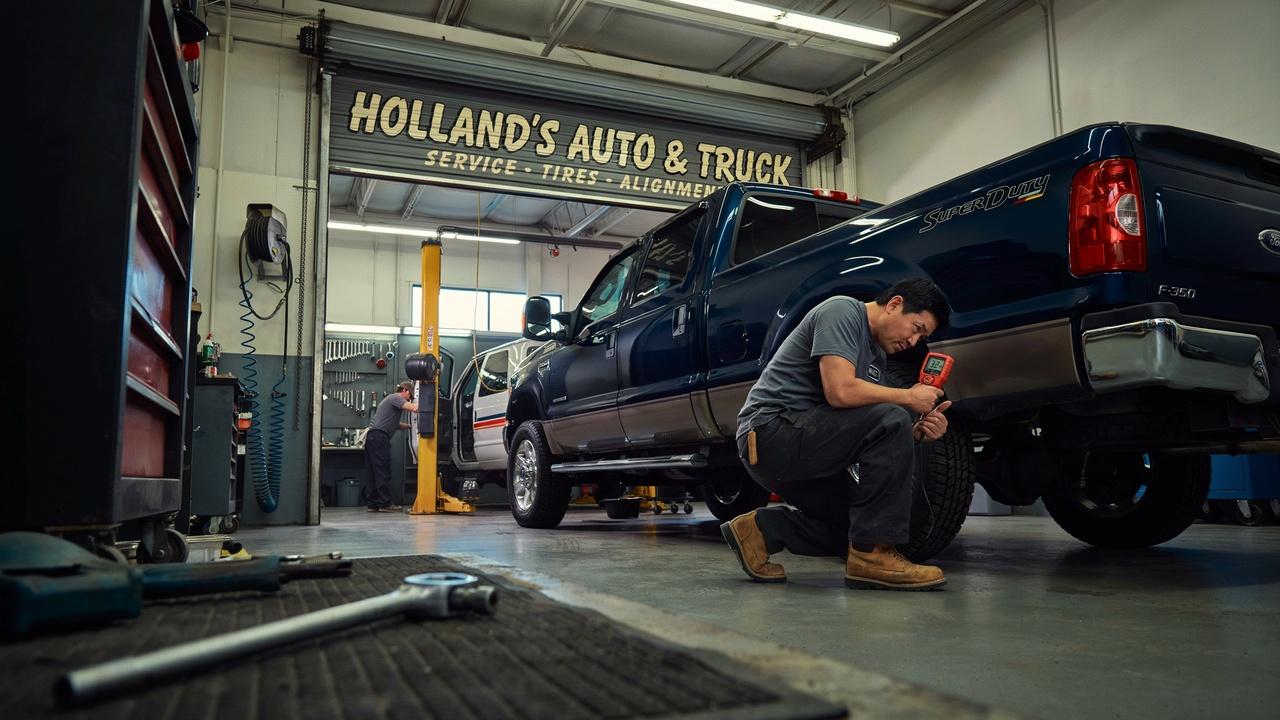
Check air pressure on all six tires once more.
Take a short test drive and listen for noise or vibration.
Best Dually Tire Rotation Patterns
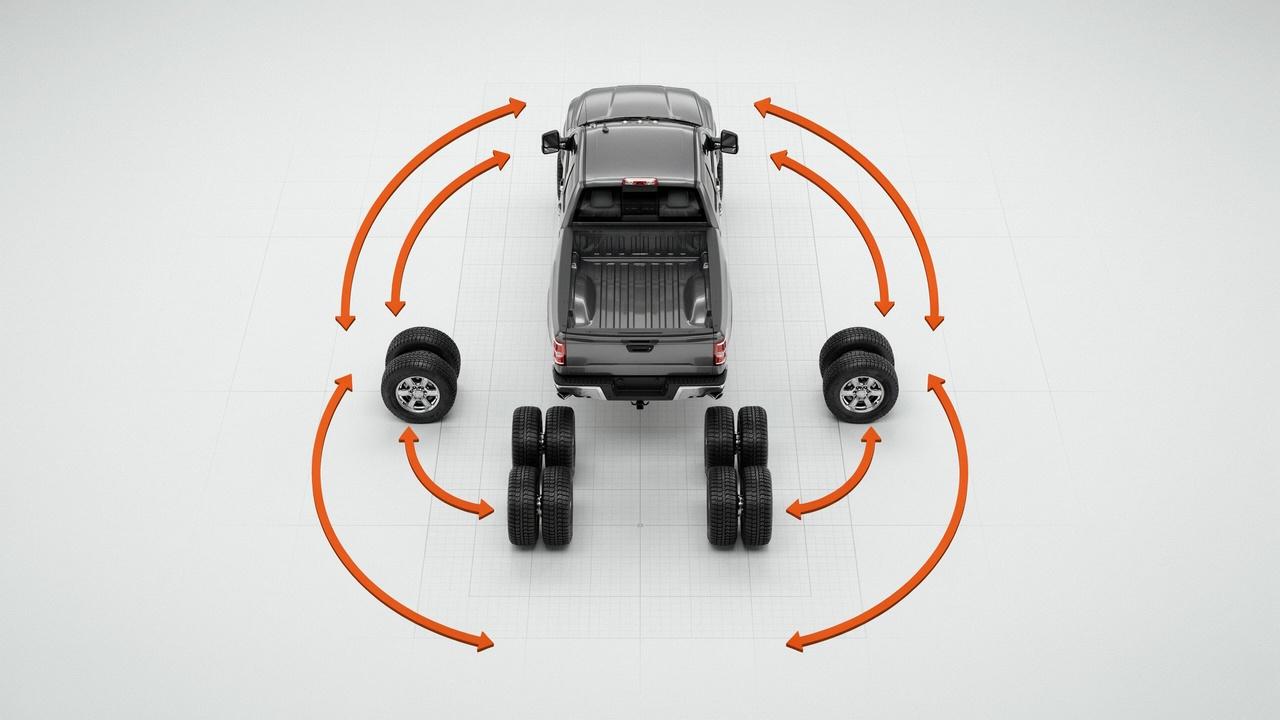
A look at the most common rotation patterns used for dually trucks and when each one works best.
Standard Six-Tire Rotation Pattern
Front tires move straight back, and rear tires cross to the front.
This works well for trucks without directional tires.
Corner or Side-Up Rotation Pattern
Tires move diagonally across the truck.
This pattern helps when wear is uneven from side to side.
Dually Tire Rotation Pattern for Steel Wheels
Steel wheels are simple to swap since they are lighter and have a straightforward lug pattern.
A standard rotation works fine here.
Dually Tire Rotation Pattern for Aluminum Wheels
Aluminum wheels need careful handling to avoid scratches or cracks.
Always confirm torque settings, since they can differ from steel.
How to Rotate Directional Dually Tires
Directional tires can only move from front to back on the same side.
Check the sidewall arrow to confirm the tire faces the right way.
Dually Tire Rotation Pattern Diagram
A simple breakdown of how rotation diagrams work and how to read them correctly.
Six-Tire Rotation Diagram Explained
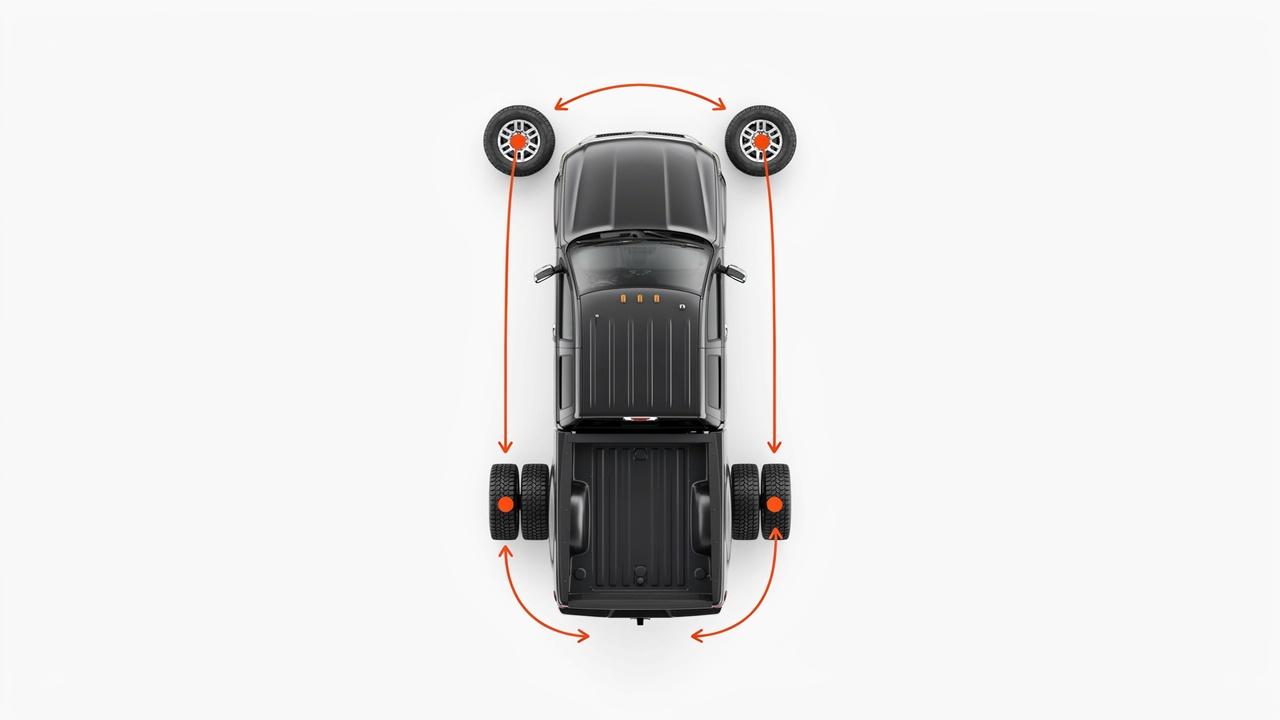
Arrows usually show front tires moving back and rear tires crossing to the front.
Reading this first prevents mix-ups during the job.
Side-Up Rotation Diagram Explained
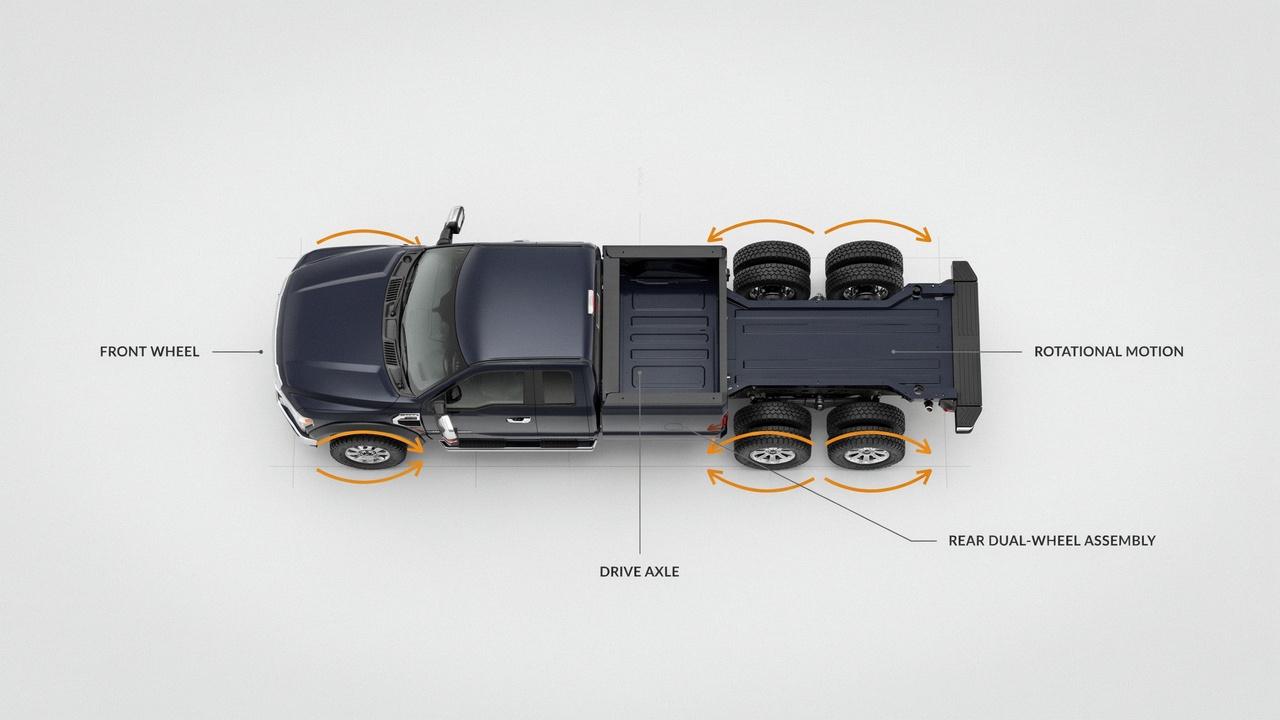
This pattern keeps tires on the same side of the truck without crossing over.
It works well for trucks with directional tires.
Should You Rotate Dually Tires Yourself or Visit a Shop?
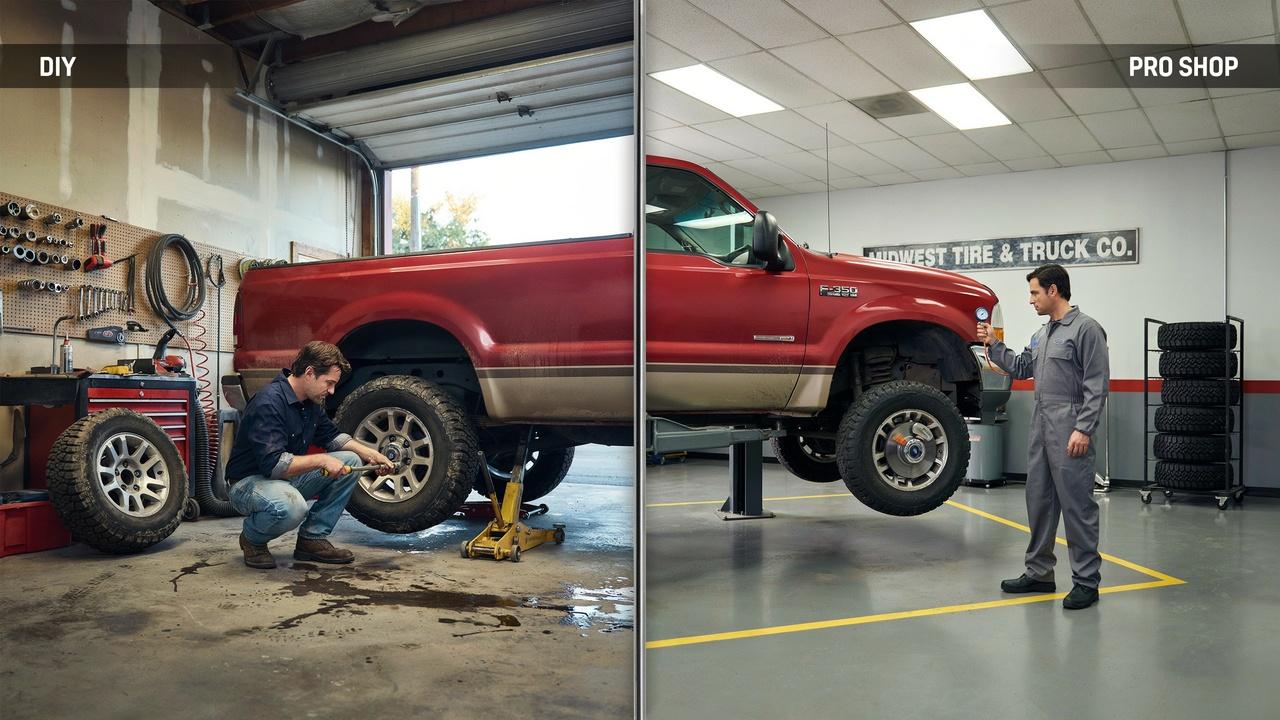
A practical comparison of doing the rotation yourself versus letting a professional shop handle it.
Doing it yourself saves money but takes more time and the right tools, including a torque wrench rated for heavy trucks.
If you lack that equipment, a shop visit is the safer option, and shops can also spot alignment or suspension issues you might miss on your own.
Most shops charge forty to one hundred dollars for this service, and some even include it for free with tire purchases.
Common Mistakes to Avoid When Rotating Dually Tires
A quick list of frequent errors people make during dually tire rotation and how to avoid them.
- Pairing tires with very different tread depths can affect handling and braking.
- Using a rotation pattern made for a regular pickup instead of one suited for dually trucks.
- Forgetting that inner and outer rear tires need separate handling, not a simple swap.
- Skipping pressure checks on the inner rear tires since they sit behind the outer ones.
- Not rechecking lug nut torque after the first fifty to one hundred miles of driving.
- Reinstalling directional tires facing the wrong way after rotation.
Tips to Extend the Life of Dually Tires
A few simple habits that help dually tires last longer and perform better over time.
- Check tire pressure monthly, including the inner rear tires, since proper pressure helps tires wear evenly.
- Rotate tires every five thousand to seven thousand miles to prevent uneven wear.
- Keep wheels balanced and aligned, checking alignment once a year or after noticing odd wear.
- Avoid going past your truck's payload rating, since extra weight puts added strain on tires.
- Keep up with routine checks and steady pressure monitoring to keep your dually truck safe and reliable for the long haul.
Conclusion
I've rotated my own dually tires plenty of times in my garage, and I still double check that torque wrench every time.
It's a small habit that has saved me real money down the road.
Your truck works hard for you, so give it the same care back.
A simple dually tire rotation today can mean fewer headaches and longer tire life tomorrow.
Got a tip from your own garage? Drop it in the comments, share this with another truck owner, or check out our other maintenance guides.
Frequently Asked Questions
How often should I rotate dually tires?
Most truck makers recommend rotating dually tires every five thousand to seven thousand miles. Check your owner's manual for the exact interval for your specific truck.
Can I use a regular tire rotation pattern on a dually truck?
No, dually trucks need a different pattern because of the extra rear tires. Using a standard pickup pattern can lead to uneven wear over time.
Do inner rear tires need a different check than outer ones?
Yes, inner rear tires often get overlooked since they sit behind the outer tires. Always check their air pressure and tread separately during rotation.
What torque setting should I use for dually lug nuts?
The correct torque setting depends on your truck model and wheel type. Always check your owner's manual for the exact spec before tightening.
Is it safe to rotate dually tires without a torque wrench?
It is not recommended, since dual lug nuts need precise torque to seat properly. Using the wrong torque can lead to loose wheels or uneven wear.