
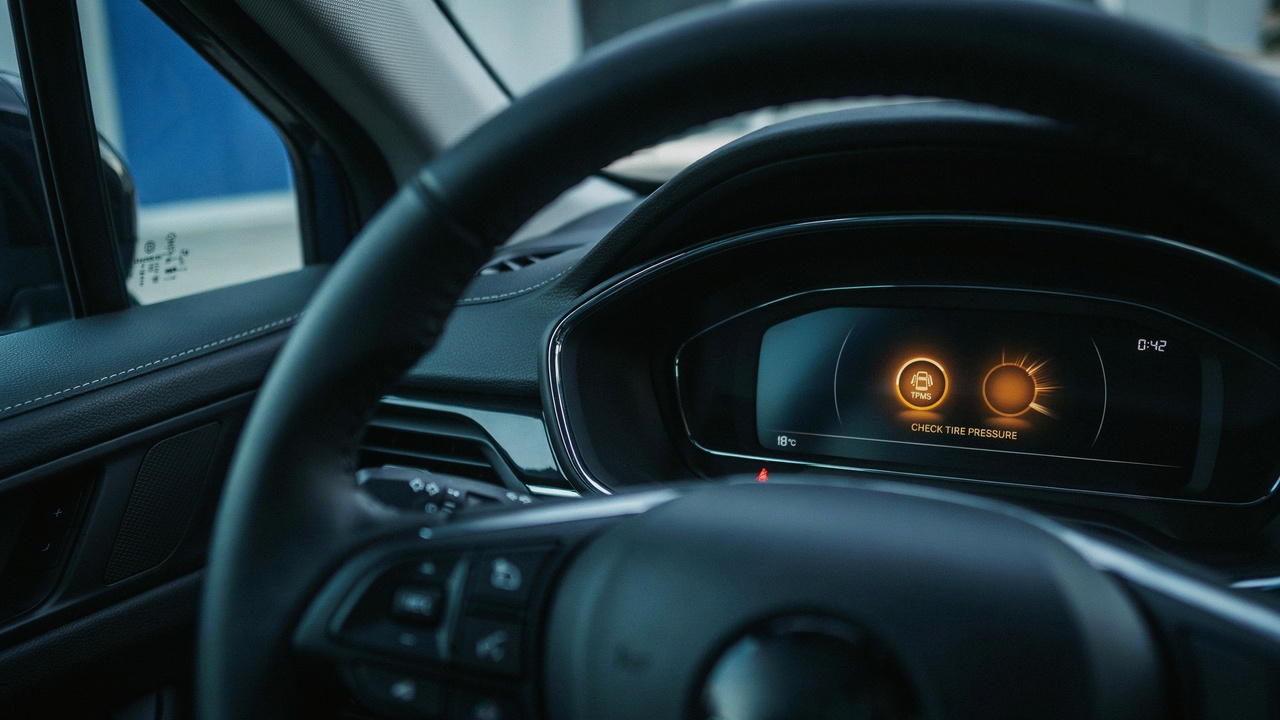
That little tire pressure light catching your eye on the dashboard can feel confusing, especially when it won't stop blinking.
Is it serious? Can you keep driving? Does it mean a tire is actually low, or is something else going on?
This guide breaks it all down in plain terms.
We'll cover the difference between a solid and blinking light, what each one really means, and simple steps to fix the problem yourself.
You'll also find vehicle-specific tips for Toyota, Subaru, and Lexus models, plus easy habits to stop the light from coming back.
I've spent enough time chasing dashboard warnings on cold mornings to know how frustrating this can be.
By the end, you'll know exactly what your light is telling you and what to do next.
What Does a Blinking Tire Pressure Light Mean?
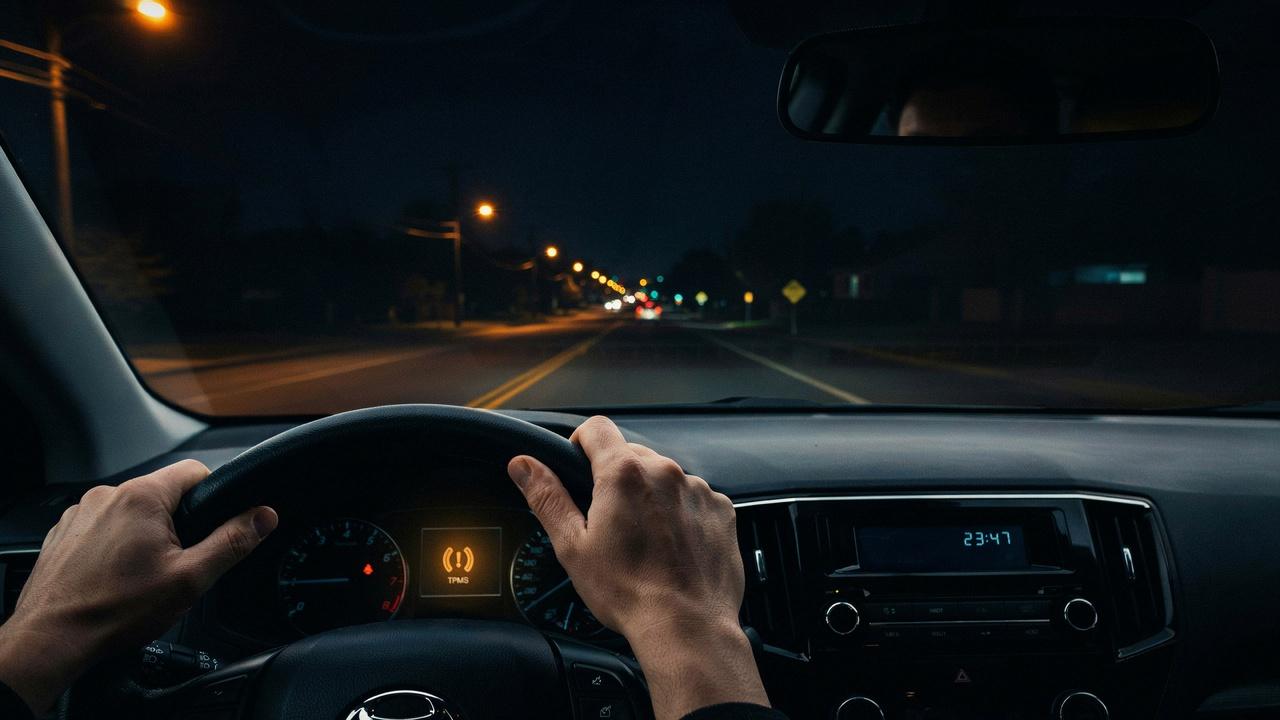
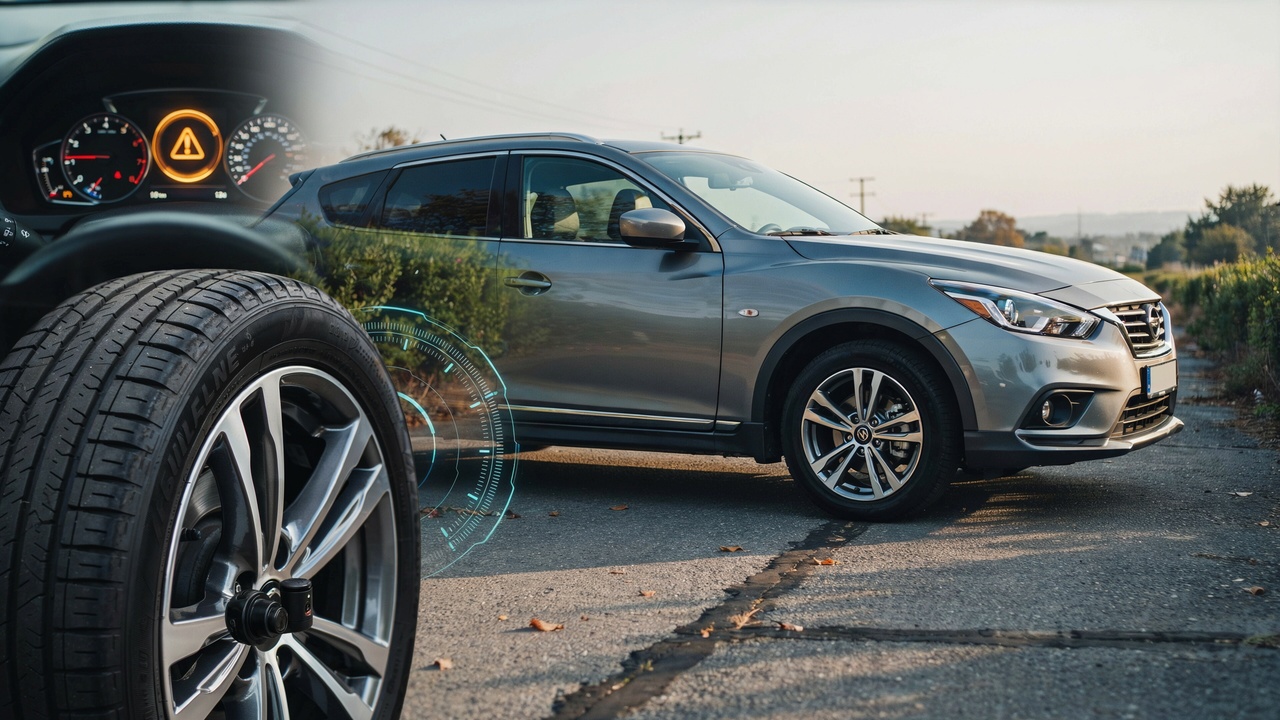
A blinking light is not the same as a steady one. Steady means low tire pressure.
Blinking means the monitoring system itself has a problem. This usually happens when a sensor inside a tire stops working.
The cause could be a weak battery, bad wiring, or a signal that is not reaching the car's computer.
Sometimes the light blinks briefly, then turns solid. That means the system found an issue and switched to a steady low pressure warning.
If it keeps blinking, the system likely cannot read one or more sensors at all.
Cold weather can also trigger this by affecting pressure readings. If this happens, get your tires checked soon.
A mechanic can scan the system and tell you if a sensor needs repair. Ignoring it could mean missing a real pressure drop later.
What Does a Solid Tire Pressure Light Mean?
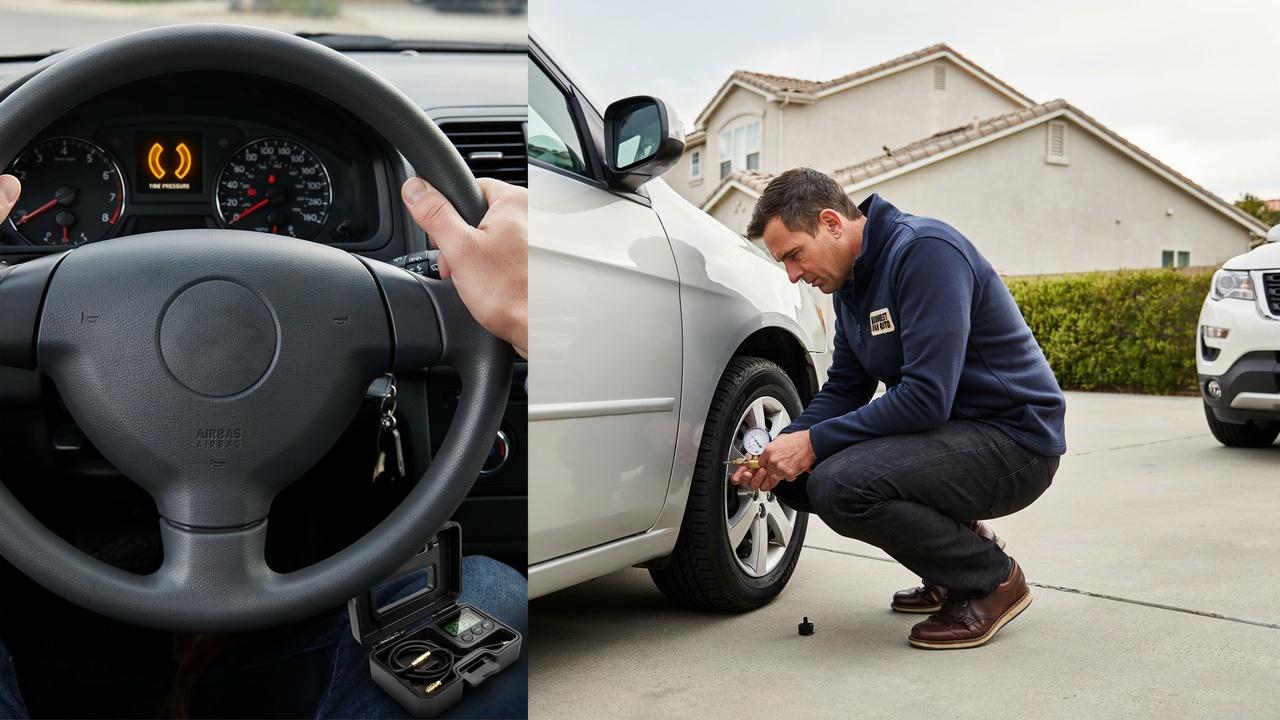
A solid tire pressure light is a plain signal that one or more tires have less air than they should, and it usually calls for a quick check rather than a deep diagnosis.
Most of the time this happens because a tire has slowly lost air over weeks or suddenly after hitting a pothole, so it helps to check each tire with a gauge and fill it to the level listed on the door panel sticker.
Cold weather can also trigger this light fast, since a tire can lose about one psi for roughly every ten degree drop in temperature, which is why the light often comes on during the first cold morning of the season.
In other cases, a tire may have a slow leak from a nail, a crack, or a worn valve stem, and if it keeps losing air even after filling, a shop visit is worth it to check for hidden damage.
Blinking Tire Pressure Light vs Solid Light: Key Differences

Learn how a blinking light signals a sensor or system fault, while a solid light points to actual low pressure.
| Aspect | Solid Tire Pressure Light | Blinking Tire Pressure Light |
| What it means | At least one tire is low on air | The tire pressure monitoring system has an issue, such as a dead sensor battery or a wiring fault |
| Cause | Actual low air in a tire | A system or sensor fault, not necessarily a tire problem |
| How serious is it | Points to a real, fixable tire issue | Can be more frustrating since it often will not turn off, even after filling the tires properly |
| What to do | Check your tires that day and fill them to the correct level | Plan a shop visit soon, since the system may not be tracking your actual tire pressure |
Can I Drive With a Blinking Tire Pressure Light?
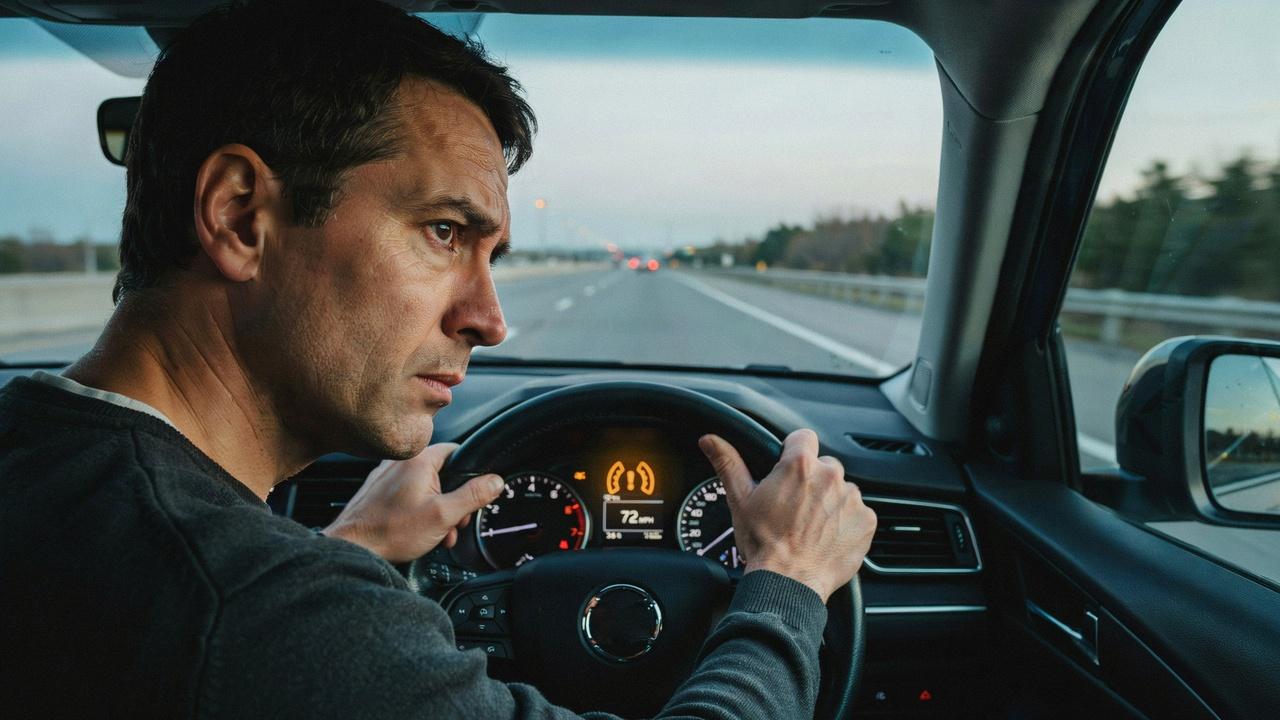
Short trips are usually fine with a blinking tire pressure light, but it should not be ignored for long since the system may stop warning you about real pressure loss.
Driving for weeks with a broken monitoring system means a genuinely low tire could go unnoticed, and that brings its own risks.
Low tires wear faster, handle worse, and raise the chance of a blowout, so getting the cause checked sooner rather than later is the safer choice.
How to Fix a Blinking Tire Pressure Light
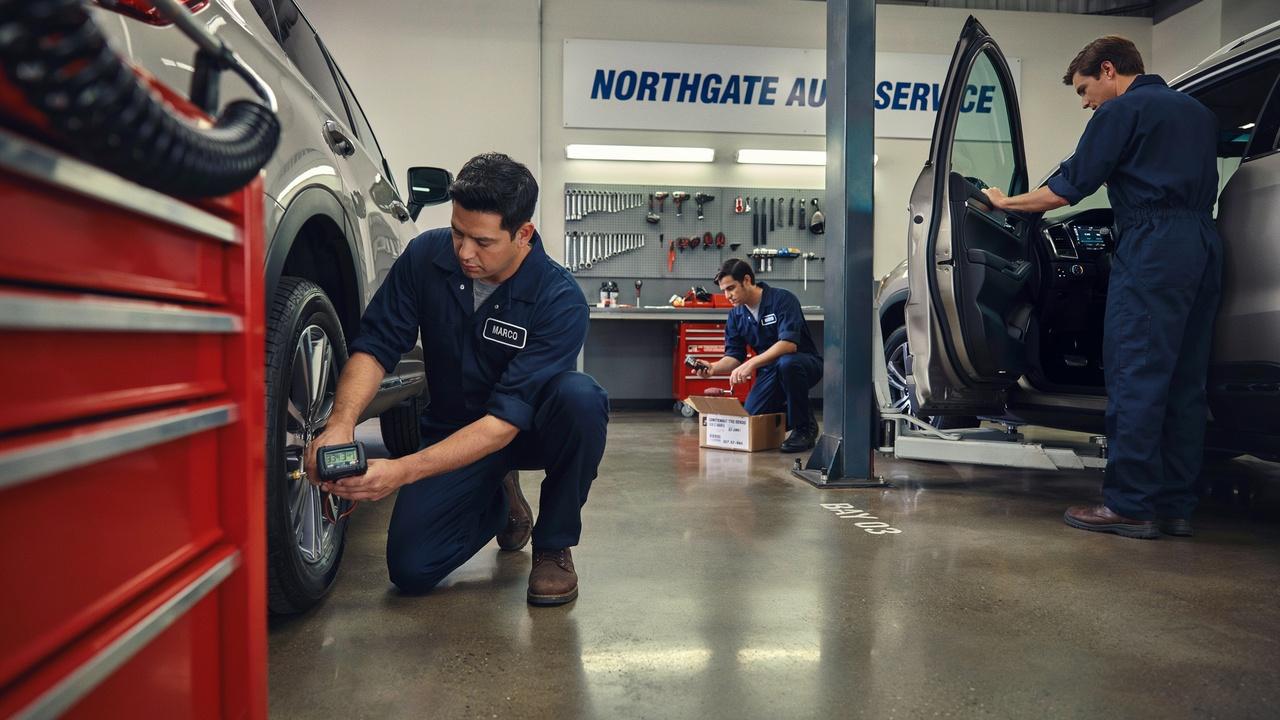
Simple steps to fix a blinking tire pressure light, from checking pressure to resetting or replacing sensors.
Check Tire Pressure
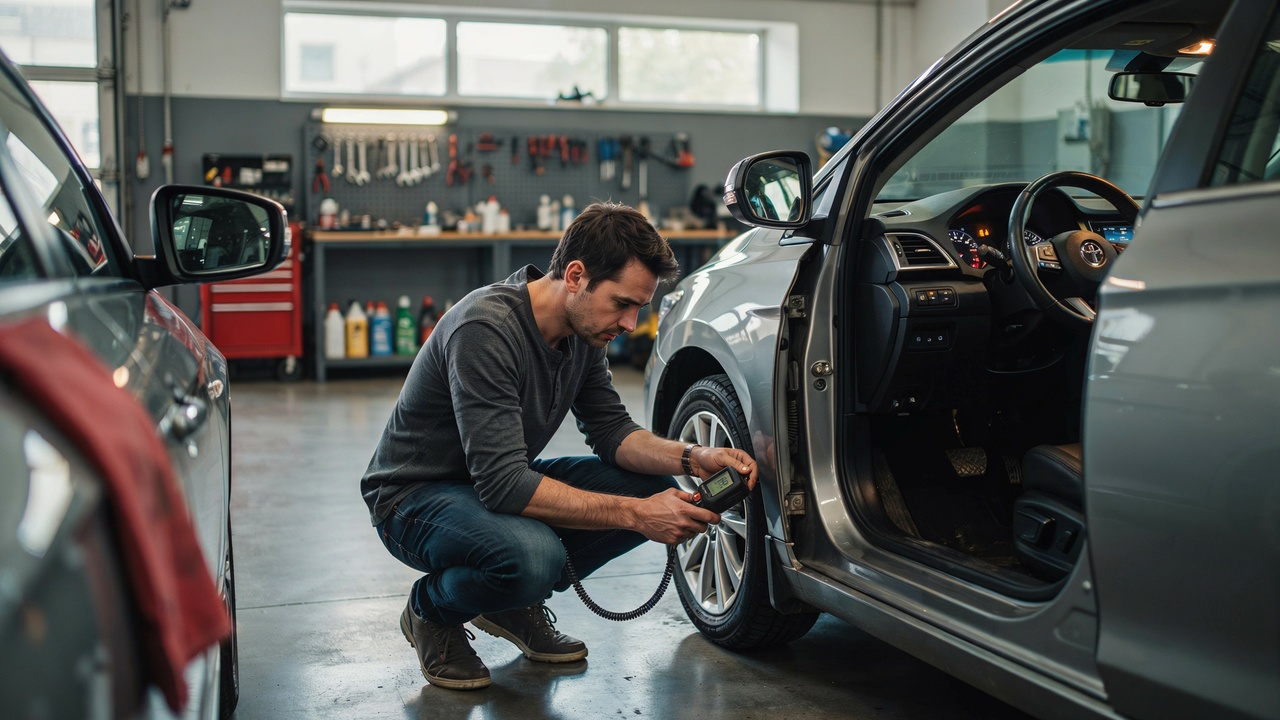
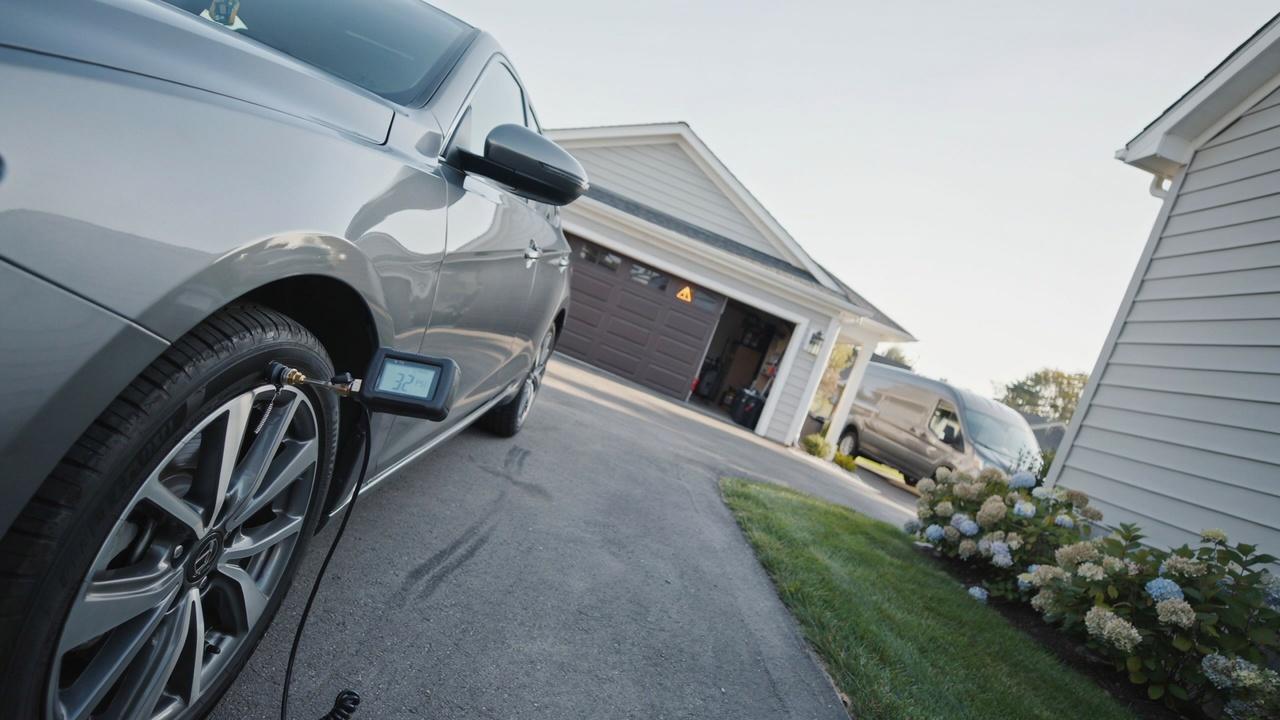
Start with the basics. Check all four tires, plus the spare if your car tracks it.
Fill any low tire to the correct psi.
Reset the TPMS System
After filling the tires, many cars need a manual reset.
This is often done with a button under the dashboard or through the car's menu screen.
Check the owner's manual for exact steps.
Replace Faulty TPMS Sensors
If the light keeps blinking after a reset, a sensor may be dead.
TPMS sensor batteries usually last five to ten years.
A shop can test each sensor and swap out the bad one.
Vehicle-Specific TPMS Issues

A look at common tire pressure light problems and reset steps for Toyota, Subaru, and Lexus models.
Blinking Tire Pressure Light Toyota
Toyota models often need a TPMS reset button held until the light blinks three times.
This is usually done right after filling the tires to the correct level.
Blinking Tire Pressure Light Subaru
Subaru vehicles may need a steady drive of around ten minutes after a tire fill so the system can relearn pressure.
Some models also have a manual reset button.
Blinking Tire Pressure Light Lexus
Lexus models work much like Toyota, since they share the same parent company.
A reset button under the wheel is common, though steps can vary by model year.
Tips to Prevent TPMS Warning Lights
Practical habits that lower the chance of tire pressure warnings turning on without a clear cause.
Here are five habits that lower the chance of unexpected TPMS warnings.
- Make tire checks part of a monthly habit. A quick check with a gauge takes less than five minutes and can catch a slow leak early.
- Check tires closely at the start of each season, since temperature swings change pressure the most.
- Use seasonal checks as a good time to look at tread wear too.
- Any time tires are rotated, replaced, or repaired, ask the shop to reset the TPMS system, since skipping this step is a common reason lights stay on for no clear cause.
- Sensor batteries do not last forever, so if a car is past eight years old, ask a shop to test the sensors during the next tire service.
Conclusion
That little light catching my eye on a cold morning used to send me straight into a panic, until I learned it was just asking for a quick check, not a crisis.
Now I treat my tire pressure light as a helpful nudge rather than a warning siren.
If yours is on right now, take five minutes today to check your tires before you do anything else.
Got a tire pressure light story of your own? Drop a comment below, share this with a friend who needs it, and check out our other car care guides.
Frequently Asked Questions
Why is my tire pressure light blinking instead of staying solid?
A blinking light usually points to a fault in the tire pressure monitoring system itself, like a dead sensor battery. It does not always mean your tires are actually low on air.
How do I reset my tire pressure light after filling the tires?
Most cars have a TPMS reset button under the dashboard or steering wheel that you hold until the light blinks. Check your owner's manual since the exact steps vary by make and model.
Can cold weather alone cause the tire pressure light to turn on?
Yes, a tire can lose about one psi for every ten degree drop in temperature. This is why the light often turns on during the first cold morning of the season.
How long can I drive with a blinking tire pressure light?
Short trips are usually fine, but driving for weeks without a working monitoring system means a real low tire could go unnoticed. It is best to get the cause checked soon.
How often should TPMS sensors be replaced?
TPMS sensor batteries typically last between five and ten years before they need replacing. If your car is past eight years old, ask a shop to test them during your next tire service.