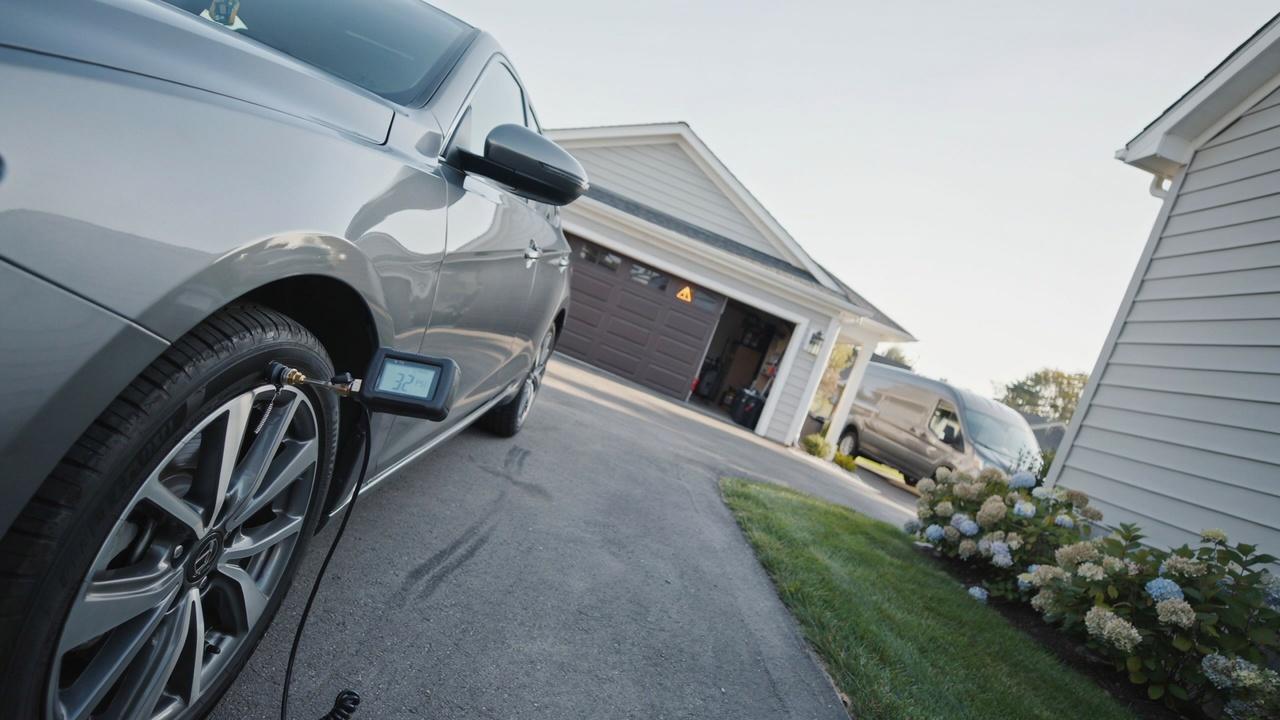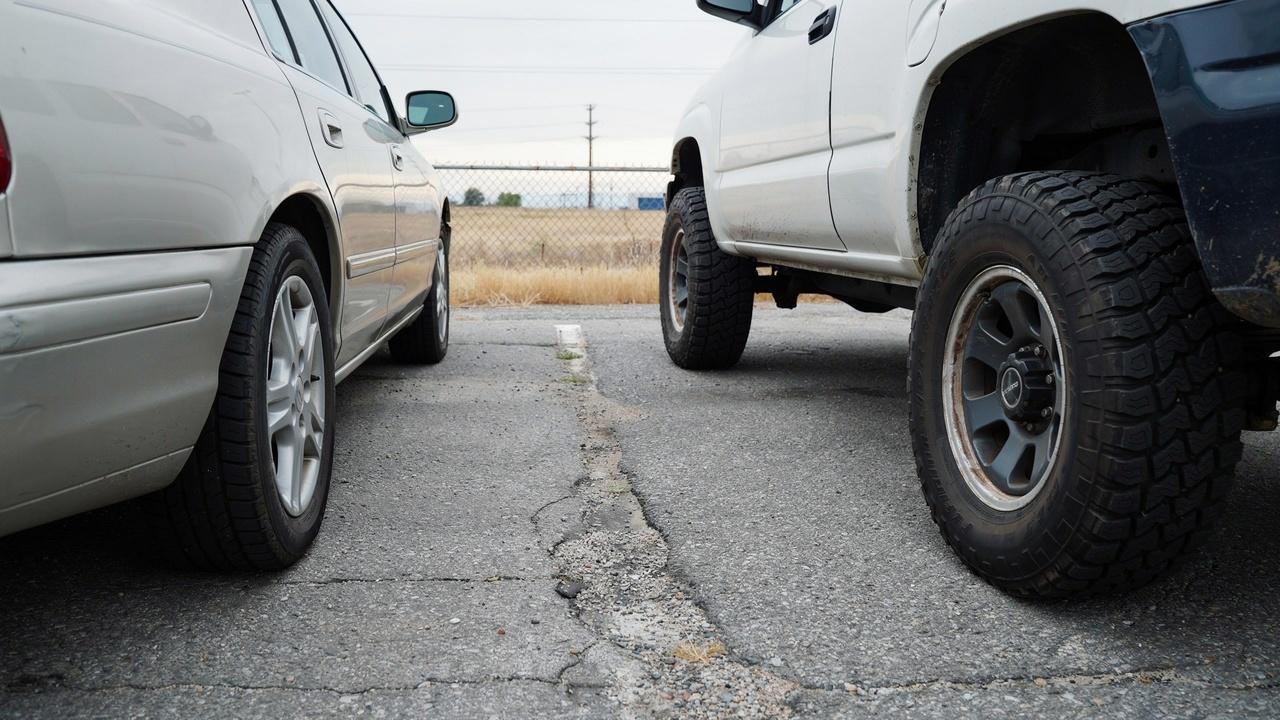

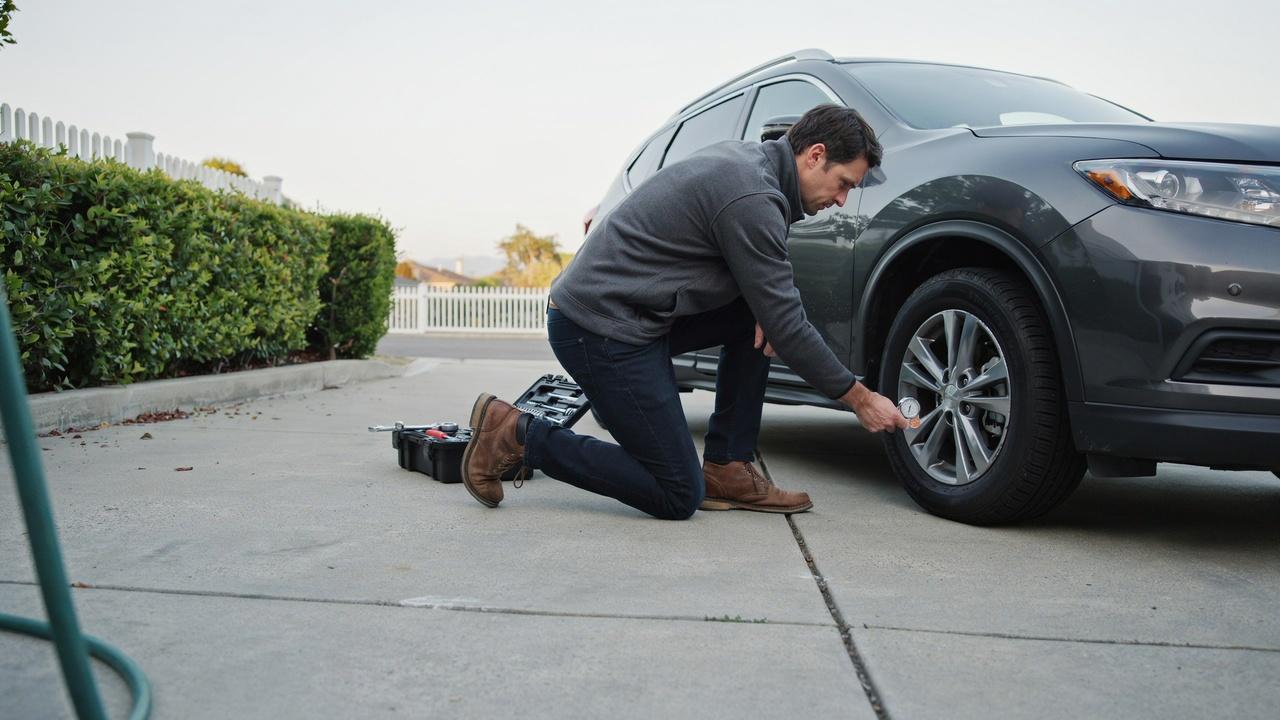
Worn tires can put you and your family at risk on the road.
That's why knowing how to check your tire tread matters more than you might think.
In this guide, you'll learn how to check tire tread depth using simple tools you probably already have at home.
We'll walk you through the penny test, the quarter test, and a few other easy methods. You'll also learn how to spot uneven wear and know when it's time for new tires.
I've checked my own tires this way for years, and it's never let me down.
By the end of this post, you'll know exactly what to look for and feel confident doing it yourself.
Understanding Tire Tread Depth
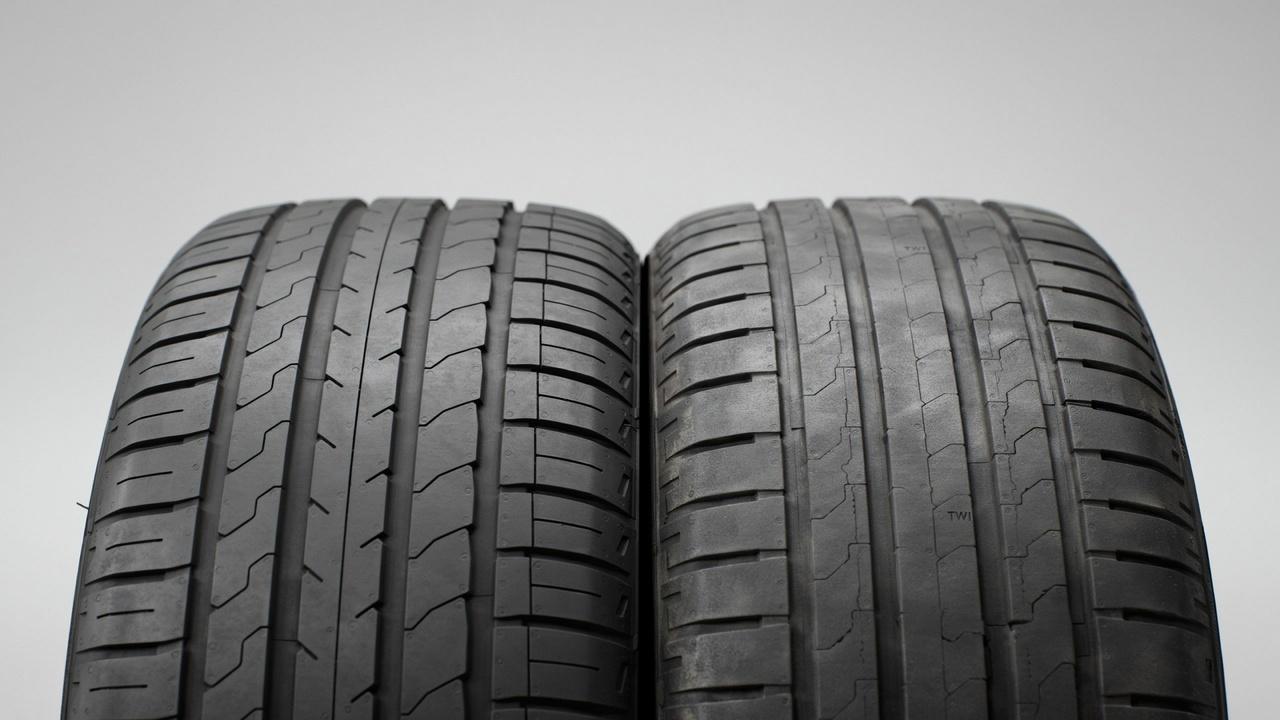
Tire tread depth is the space between the top of the rubber and the bottom of the grooves.
It affects how well your tires hold the road, especially in rain.
New tires usually start with 8 to 10 millimeters of tread. This wears down slowly over time as you drive.
Most places set a legal limit of 1.6 millimeters. Below this, tires should be replaced for safety.
You can check tread depth with a gauge or by looking at the wear bars built into the tire.
A simple coin test also works well at home. Low tread means longer stopping distance and less grip in wet weather. Checking it often helps keep your drive safe.
How to Check Tire Tread: Step-by-Step Guide
A practical walkthrough on checking tire tread depth at home, with easy steps anyone can follow safely.
Step 1: Park Your Vehicle and Inspect the Tires
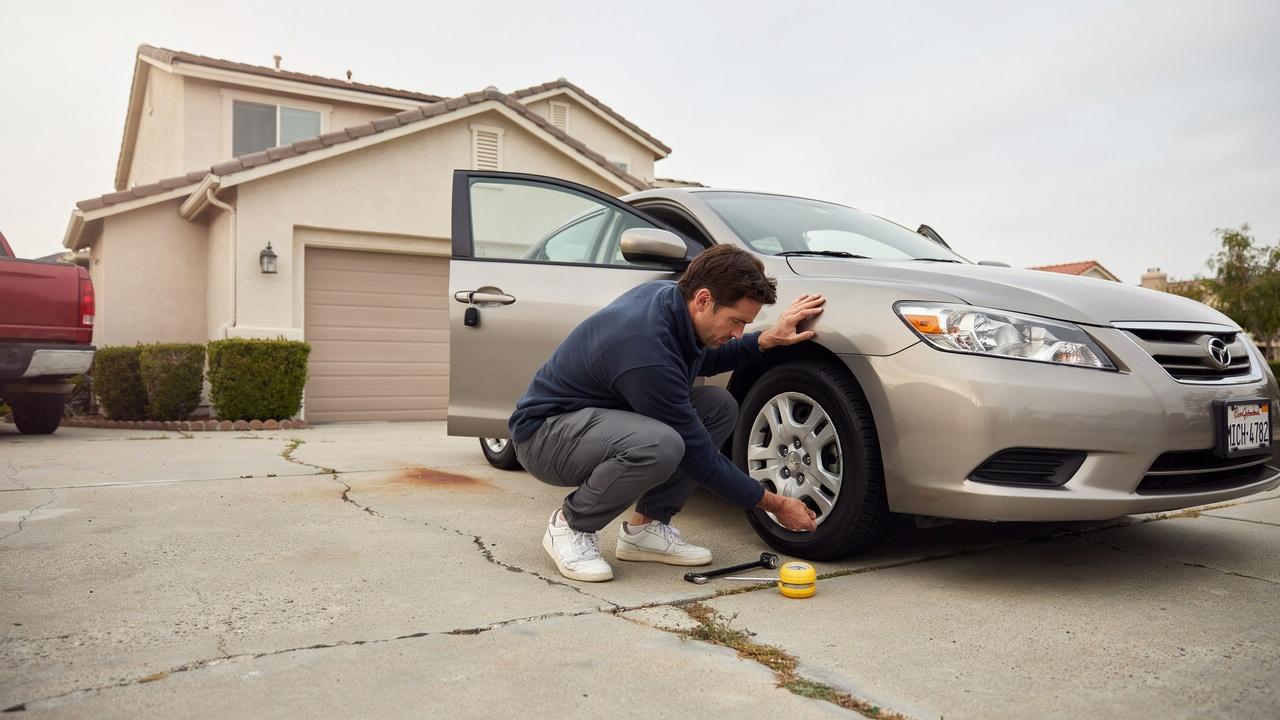
Start by parking on flat, level ground. Turn off the engine and set the parking brake.
Walk around the car and look at each tire closely.
Look for cracks, bulges, or any uneven wear on the surface.
Note any spots that look thinner than the rest.
This visual check sets the stage for the more detailed steps that follow.
Step 2: Check Tread Depth in Multiple Locations
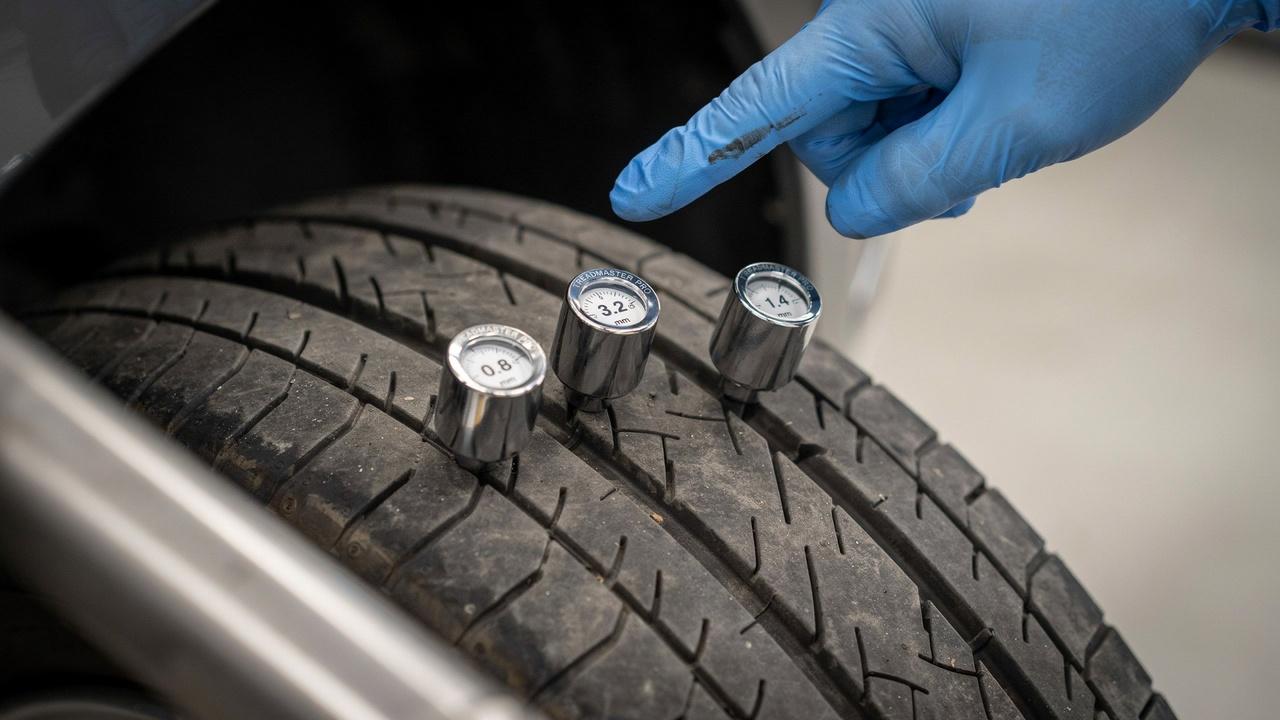
Tires rarely wear evenly across the whole surface.
Check the inner edge, the middle, and the outer edge of each tire.
Wear patterns can point to other issues, like alignment problems or incorrect tire pressure.
Checking several spots gives a clearer picture than checking just one.
Step 3: Compare the Measurements With Recommended Tread Depth
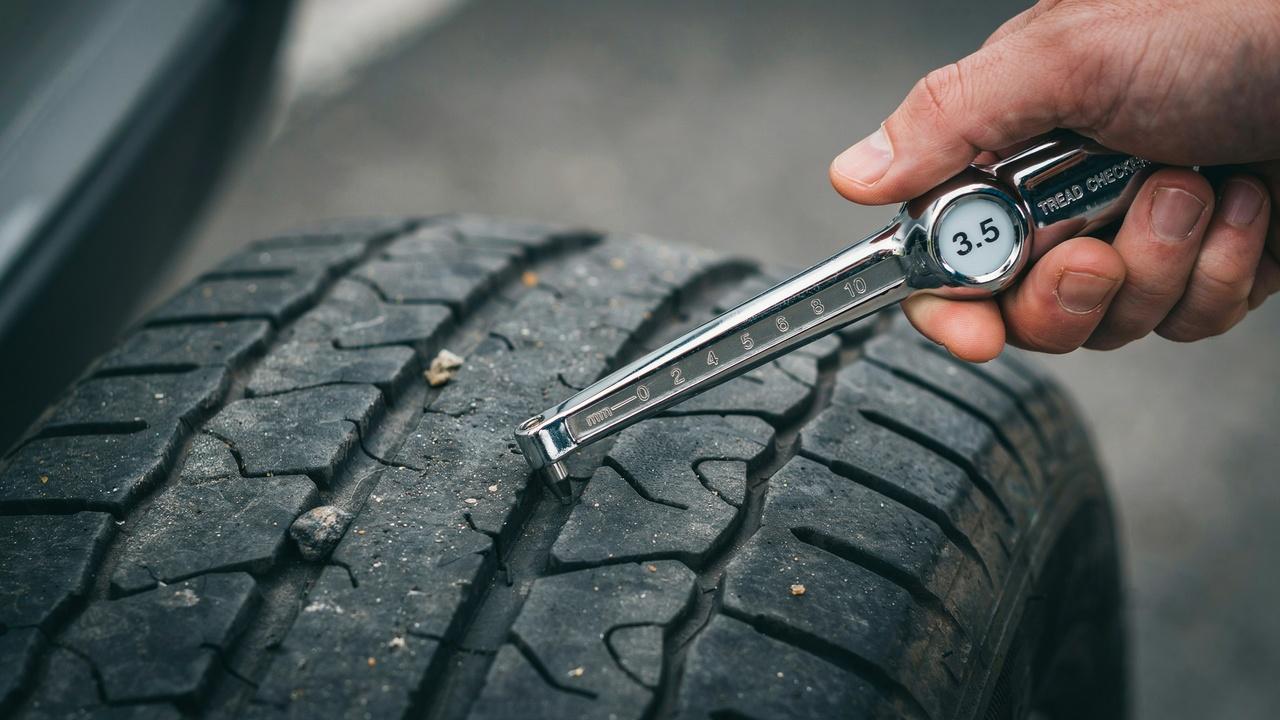
Most places set the legal minimum tread depth at 2/32 of an inch.
Many tire makers and mechanics recommend replacing tires once they hit 4/32 of an inch, especially for driving in rain or snow.
Compare your measurements against these numbers.
If any spot reads close to or below 2/32, that tire needs attention soon.
Step 4: Decide Whether It's Time to Replace the Tires
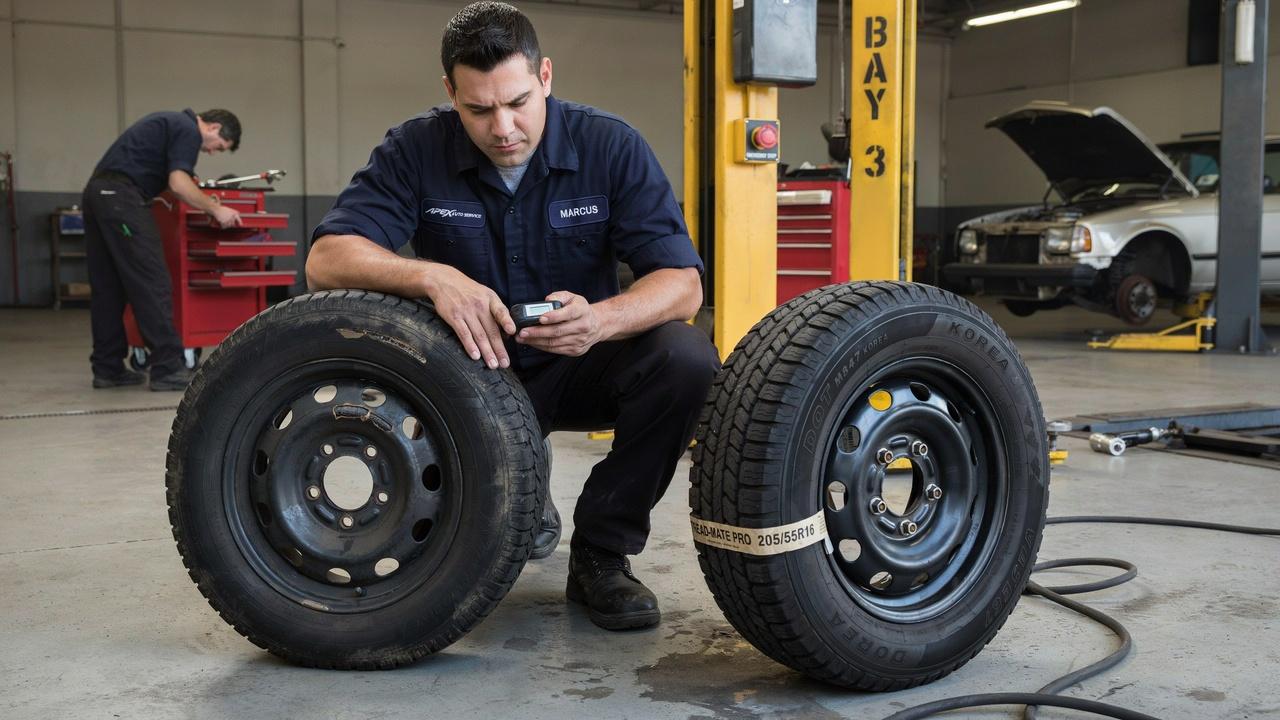
Low tread isn't the only sign to watch for.
Cracking rubber, visible wear bars, or tires older than six years are also reasons to consider new tires.
If your readings are near the legal limit, or if you notice uneven wear, it's a good idea to have a professional take a look.
How to Check Tire Tread With a Penny
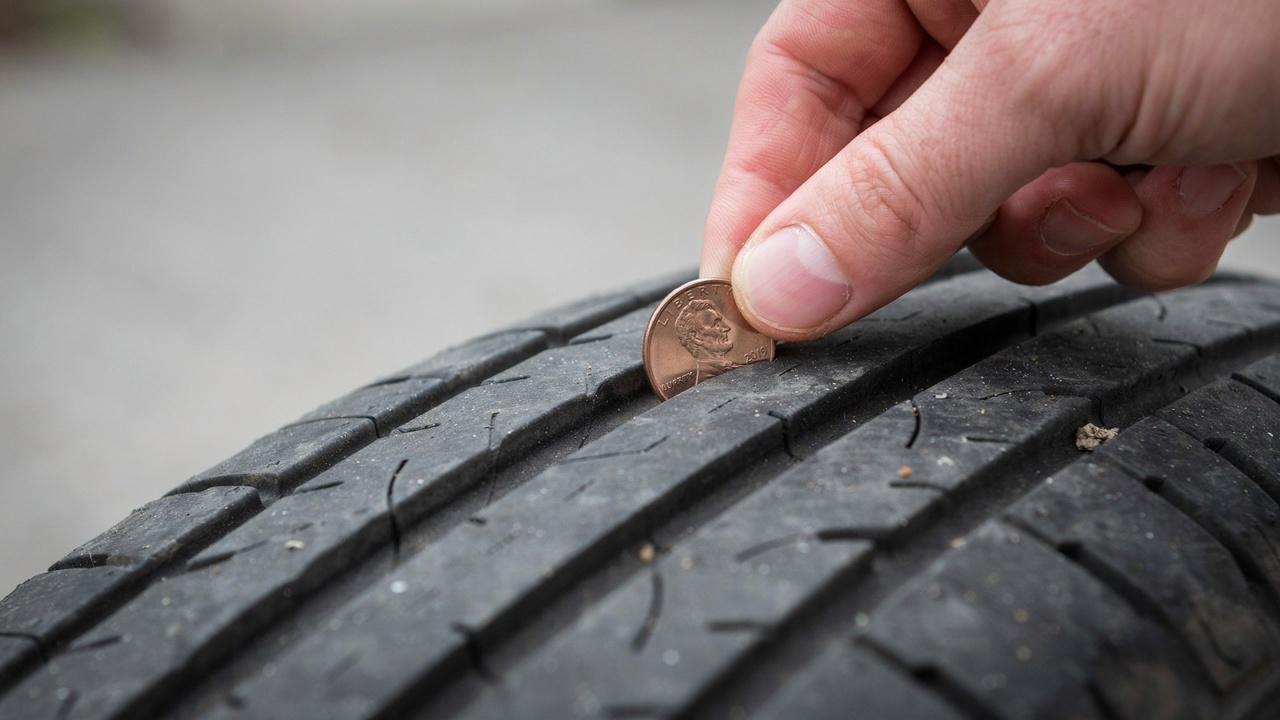
A quick and easy at-home method using a regular penny to get a rough sense of tire tread depth.
How the Penny Test Works
Take a penny and place it into a groove in the tread, with Lincoln's head facing down toward the tire.
Try this in a few different spots on each tire.
What the Results Mean
If part of Lincoln's head is covered by the tread, you still have some depth left.
If you can see all of his head, the tread is worn down and the tire likely needs replacing.
How to Check Tire Tread With a Quarter
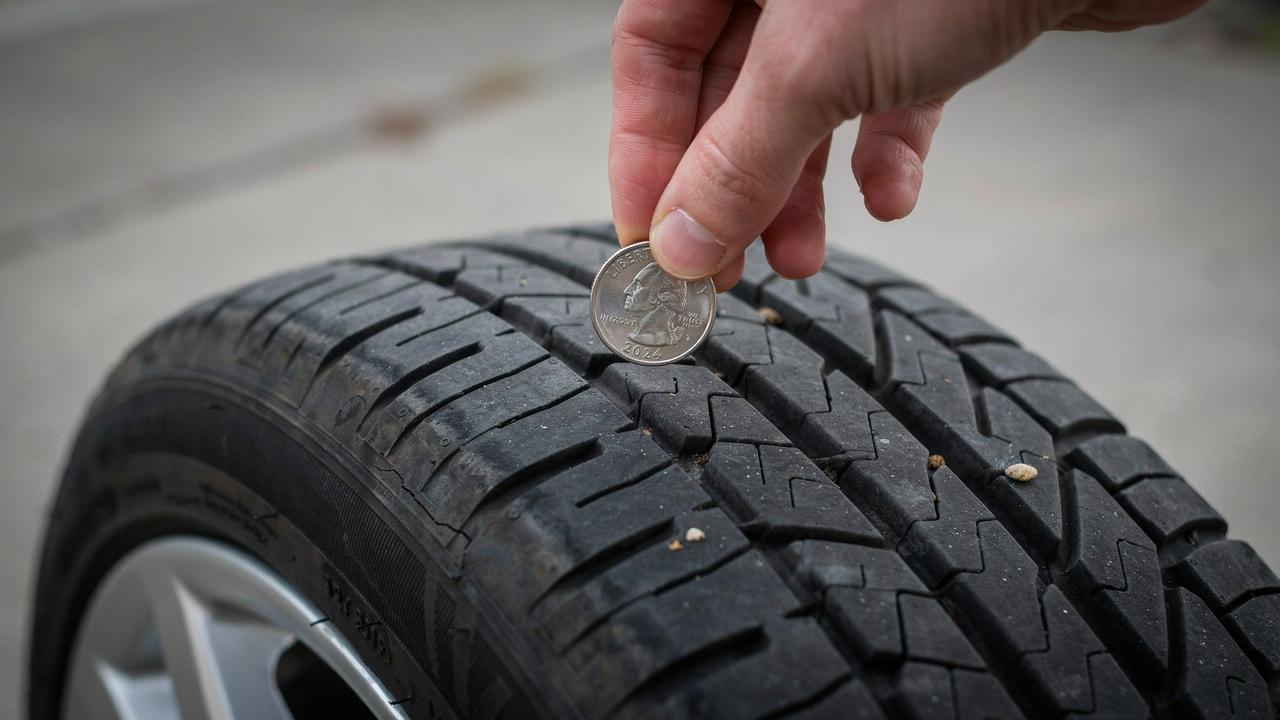
A simple coin test using a quarter that gives an earlier warning than the penny method.
How to Perform the Quarter Test
Place a quarter into the tread groove with Washington's head facing down.
Check a few locations across the tire for consistency.
Why 4/32-Inch Tread Depth Matters
The quarter test checks for about 4/32 of an inch of tread, a bit more than the penny test's 2/32.
This extra margin matters because tires with less tread struggle more in wet or snowy conditions.
Many mechanics treat this as the point to start planning a replacement, not wait until the legal limit.
How to Check Tire Tread With Other Tools
A look at a few more methods, from spare coins to gauges, for measuring tire tread depth.
Using a Coin or Nickel
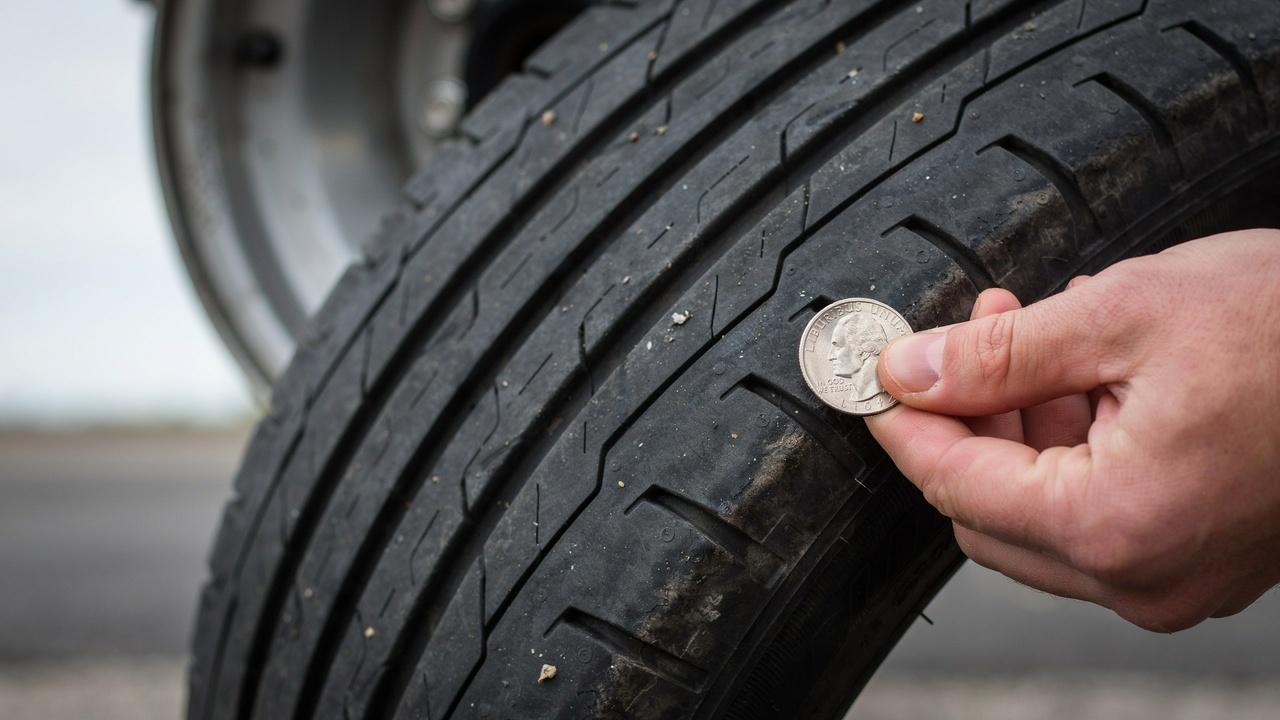
A nickel works in a similar way to a penny, though it's used less often.
Insert it into the groove and check how much of Lincoln's head, on the nickel, is covered.
Using a Ruler
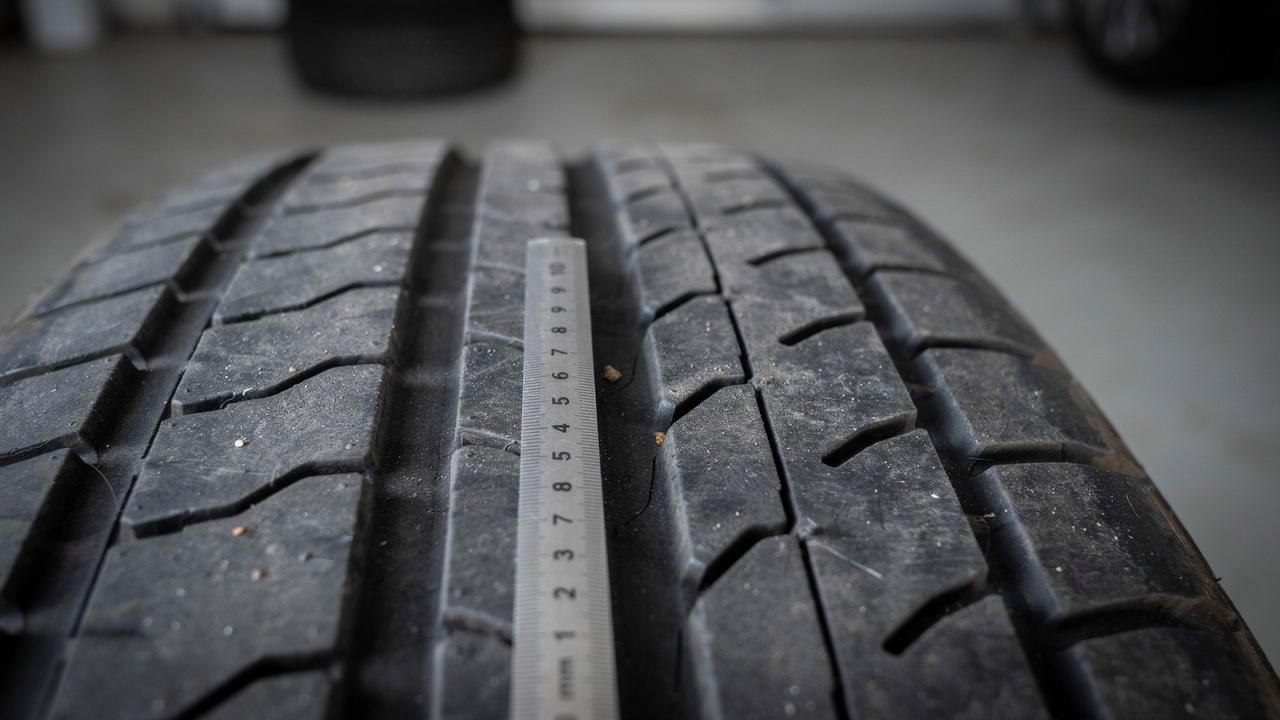
A small ruler or tape measure can give you an actual number.
Place it into the groove and read the depth in millimeters or fractions of an inch.
Using a Tread Depth Gauge
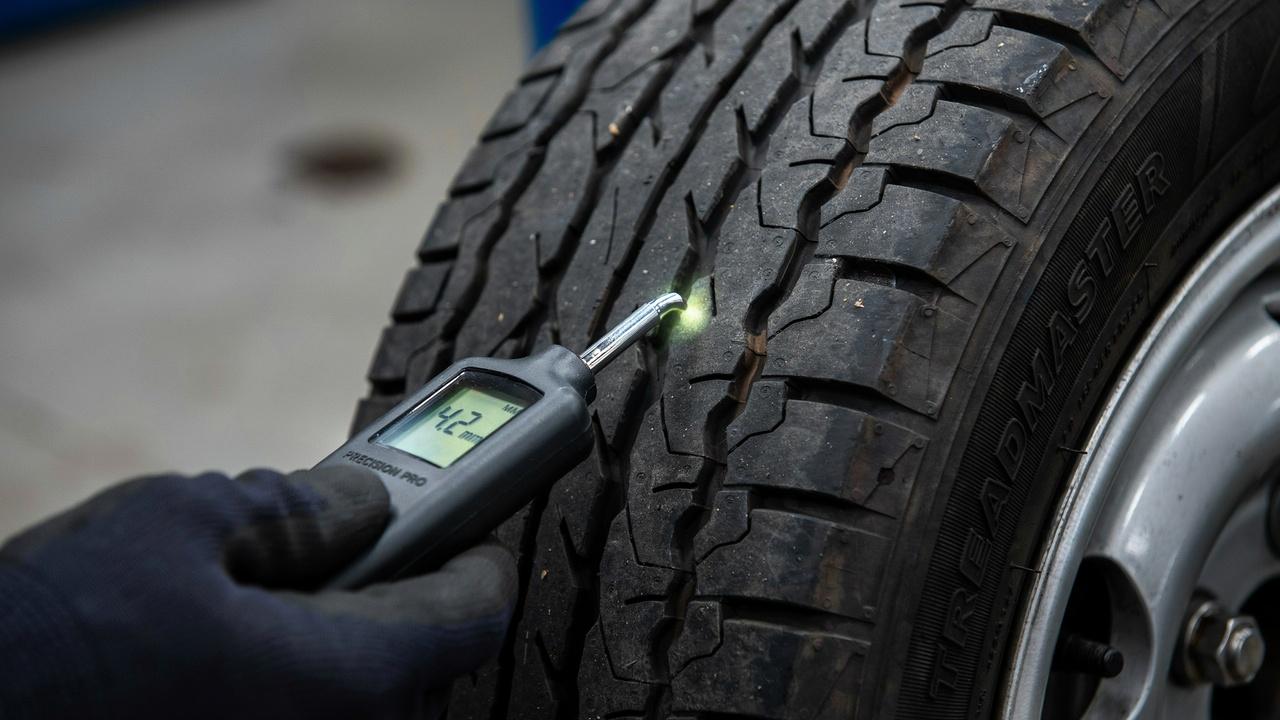
A tread depth gauge is built for this exact job.
It's inexpensive, easy to find at most auto parts stores, and gives a more precise reading than coins.
Checking Tread Wear Indicators
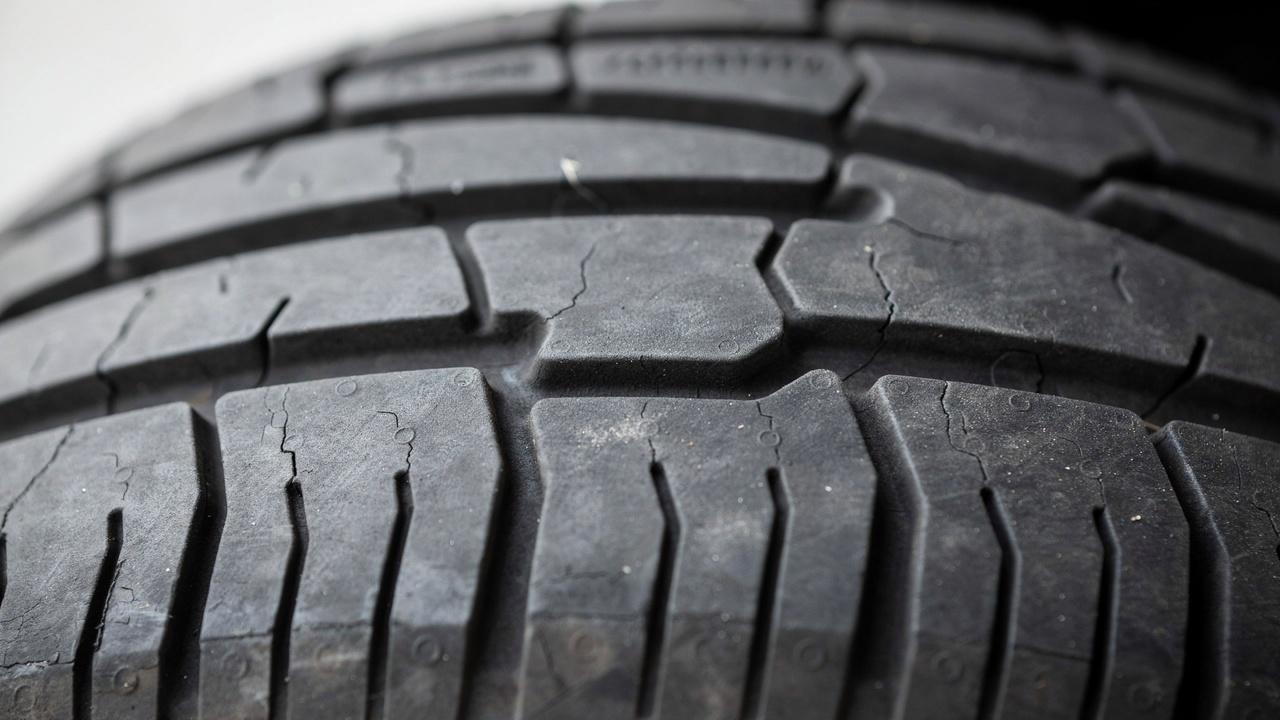
Most tires have built-in wear bars molded into the tread.
These show up as flat rubber strips running across the tread.
When the tread becomes level with these bars, it's a clear sign the tire is due for replacement.
How to Check Tire Tread at Home
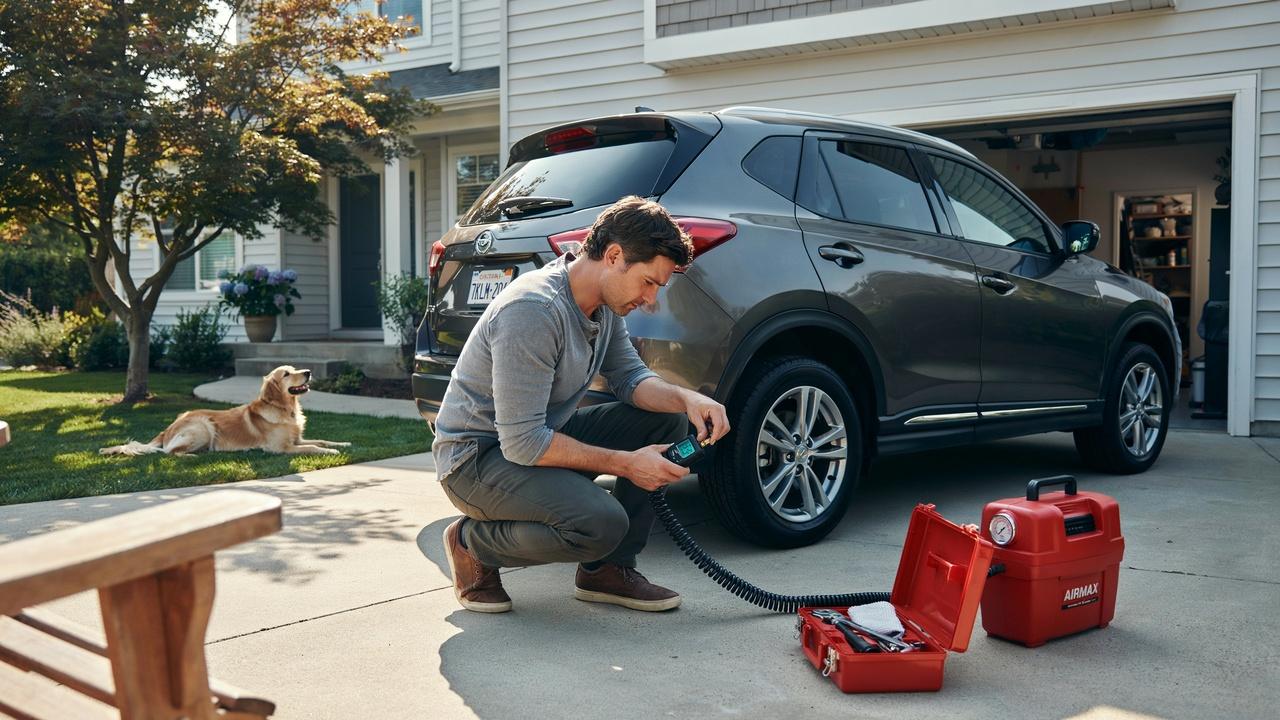
Checking tire tread at home is simple and only takes a few minutes with tools you likely already have.
A coin, a ruler, or a tread depth gauge can all get the job done, with a gauge giving the most accurate reading and a coin working fine for a quick check.
Just be sure to avoid common mistakes like skipping spots on the tire, checking only one tire instead of all four, and overlooking the sidewalls.
Rushing through the process can also cause you to miss early signs of wear, so take your time and check each tire carefully.
Tips for Checking Tire Tread Accurately
A few practical pointers to help you get reliable readings every time you check your tires.
- Check the inner, middle, and outer parts of every tire, since one measurement isn't enough to catch uneven wear early.
- Watch for wear that's heavier on one side, as this often points to alignment or tire pressure issues.
- Catching uneven wear early can save you from buying new tires sooner than needed.
- Don't wait until tires hit the legal minimum tread depth, since that cuts it close.
- Replace tires a bit earlier, especially before wet or winter weather, to keep your drive safer.
Conclusion
At the end of the day, checking your tire tread really comes down to a few minutes and a spare coin.
I've started doing this little check every month myself, right before filling up on gas, and it's become a habit that gives me real peace of mind on long drives.
Your tires carry a lot of trust, so give them a quick look before your next road trip.
Try it this week and see what you find.
Drop a comment with your results, share this with a friend who drives a lot, or check out our other car care guides.
Frequently Asked Questions
How often should I check my tire tread?
Check your tire tread at least once a month, or before any long road trip. Regular checks help you catch wear early before it becomes a safety issue.
What is the legal minimum tire tread depth?
Most places set the legal minimum at 2/32 of an inch. Many mechanics suggest replacing tires closer to 4/32 of an inch for better safety in wet conditions.
Can I use any coin to check my tire tread?
A penny and a quarter are the most common coins used for this check. A nickel works too, though it's less commonly mentioned for this purpose.
Why does my tire wear unevenly on one side?
Uneven wear often points to alignment problems or incorrect tire pressure. Getting this checked early can help your tires last longer and perform better.
Is a tread depth gauge better than the coin test?
Yes, a tread depth gauge gives a more precise number than a coin. It's inexpensive and worth having on hand if you check your tires often.