

A flat tire never picks a good time to happen.
One minute you're driving, the next you're stuck on the side of the road, unsure what to do.
This guide covers everything you need, from the right tools to the exact steps for changing a tire safely.
You'll also learn the mistakes most people make, and when calling for help is the smarter choice.
I've handled flats both on busy roads and in my own driveway, so I know this stress firsthand.
By the time you finish reading, you'll know exactly how to swap a tire with confidence, or recognize when it's time to call for backup instead.
What You Need Before Changing a Car Tire
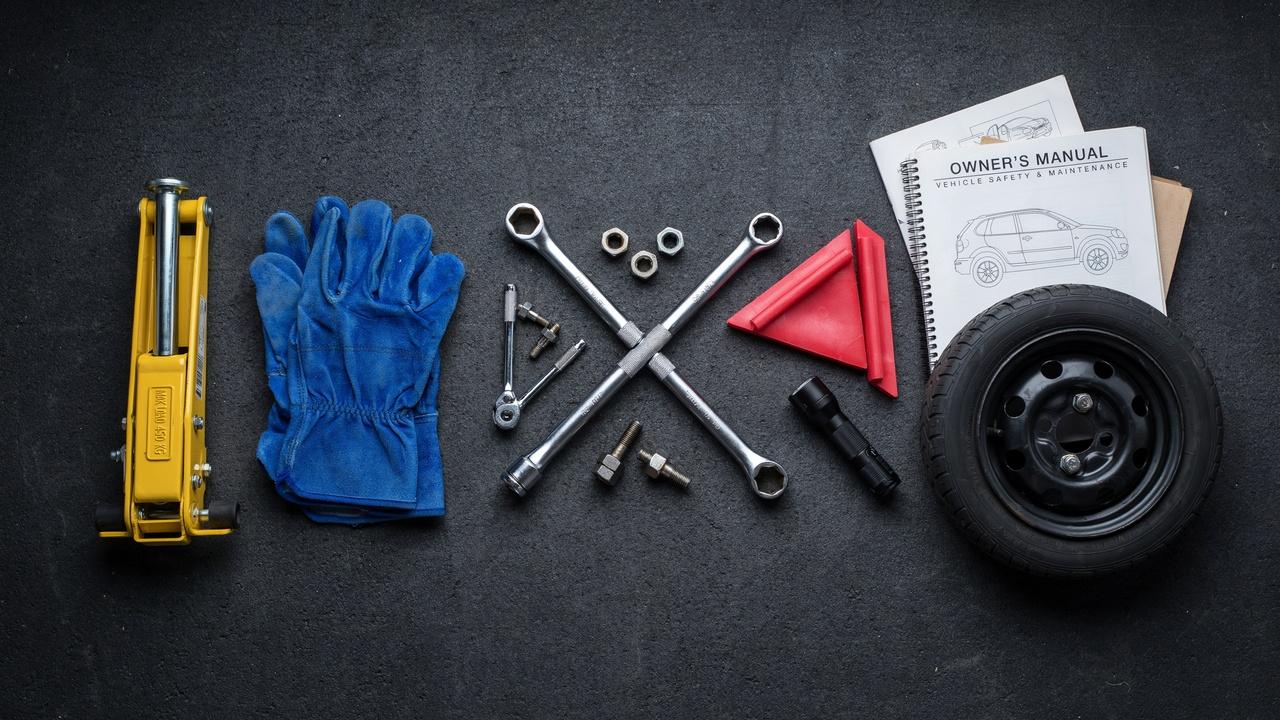
Before you change a tire, make sure you have the right tools ready.
A spare tire is the most important item. Check that it has enough air and is in good shape.
You also need a jack to lift the car. Pick one that matches your vehicle's weight.
A lug wrench helps you loosen and tighten the wheel nuts. Many cars come with one in the trunk.
Wheel wedges or chocks keep the car from rolling. Place them on the tires that stay on the ground.
Gloves protect your hands from dirt and sharp edges. A flashlight helps if you are working in low light.
Keep your car's manual nearby. It often has tips for your exact model.
Park on flat, solid ground before you begin. Turn on your hazard lights so other drivers can see you.
These simple steps and tools make the job safer and easier.
Safety Tips Before You Start
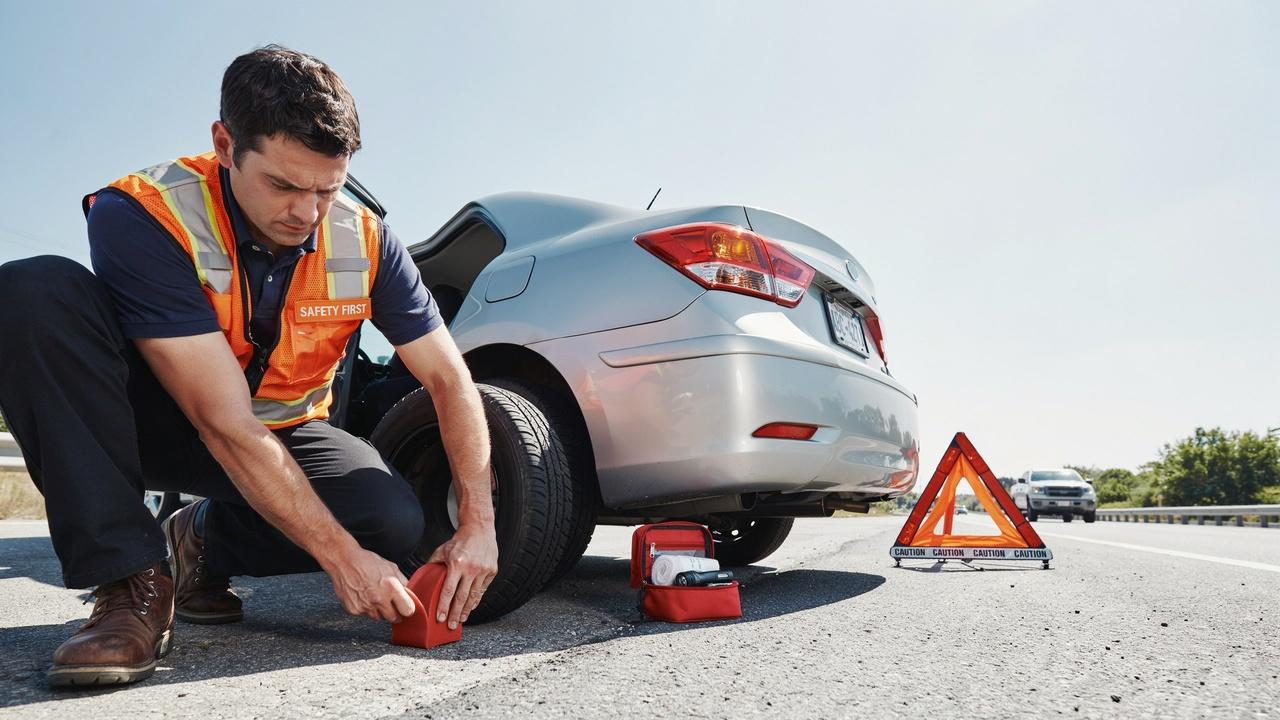
A quick look at the basic safety steps that protect you and your vehicle before you start the tire change.
Park in a safe and level location
Find a flat surface away from traffic. Avoid soft ground, slopes, or bends in the road.
A level spot keeps the car stable and lowers risk.
Turn on hazard lights and apply the parking brake
Switch on your hazard lights right away.
This warns other drivers that your car is stopped. Then apply the parking brake firmly so the car cannot move.
Use wheel wedges to prevent rolling
Place wheel wedges or sturdy rocks near the tires still on the ground.
This adds an extra layer of protection against the car rolling.
How to Change Car Tire In 13 Steps
A clear, step-by-step walkthrough that shows you how to remove a flat tire and fit a spare correctly.
Step 1: Gather your tools and spare tire
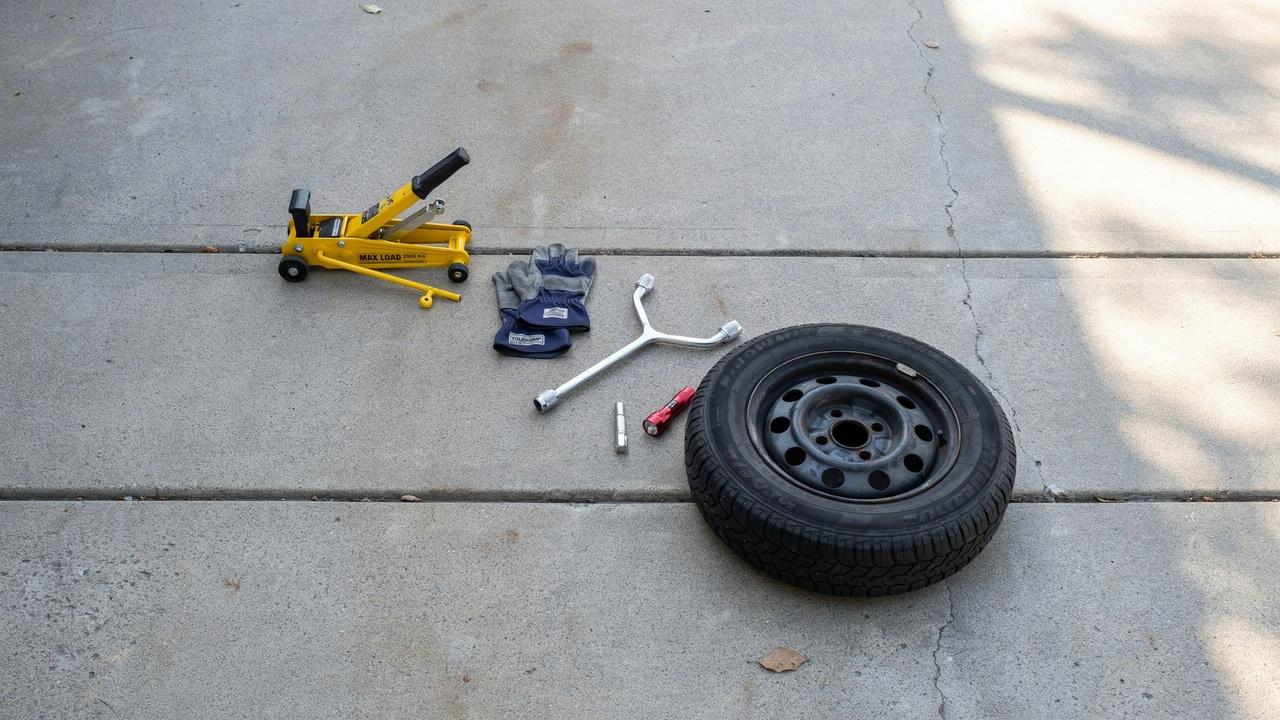
Collect your jack, lug wrench, and spare tire before you begin.
Check that the spare has enough air. Keep everything within easy reach.
Step 2: Park your car in a safe location

Pull over to a flat, stable area. Stay away from busy lanes if you can.
Make sure the ground under the car feels solid.
Step 3: Turn on the hazard lights

Hazard lights let other drivers know your car has stopped.
Turn them on as soon as you notice the flat.
Step 4: Apply the parking brake and place wheel wedges
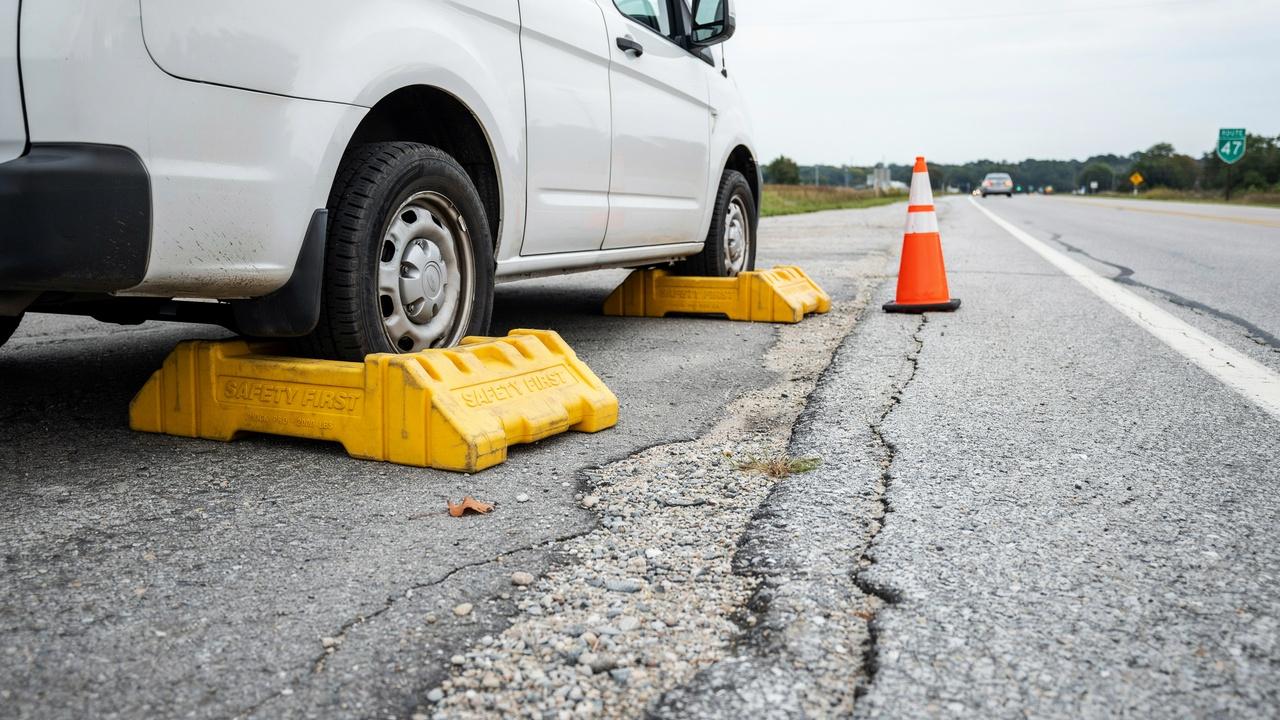
Set the parking brake firmly. Add wheel wedges behind the tires that will stay on the ground.
This keeps the car steady while you work.
Step 5: Remove the hubcap and loosen the lug nuts

Take off the hubcap if your car has one. Use the lug wrench to loosen each lug nut slightly.
Do not remove them fully yet.
Step 6: Position the jack correctly

Find the correct jack point under your car. Check your owner's manual if you are unsure.
Place the jack firmly under this spot.
Step 7: Raise the car until the tire clears the ground

Lift the car slowly with the jack. Stop once the flat tire sits a few inches off the ground.
Make sure the car feels steady.
Step 8: Remove the flat tire
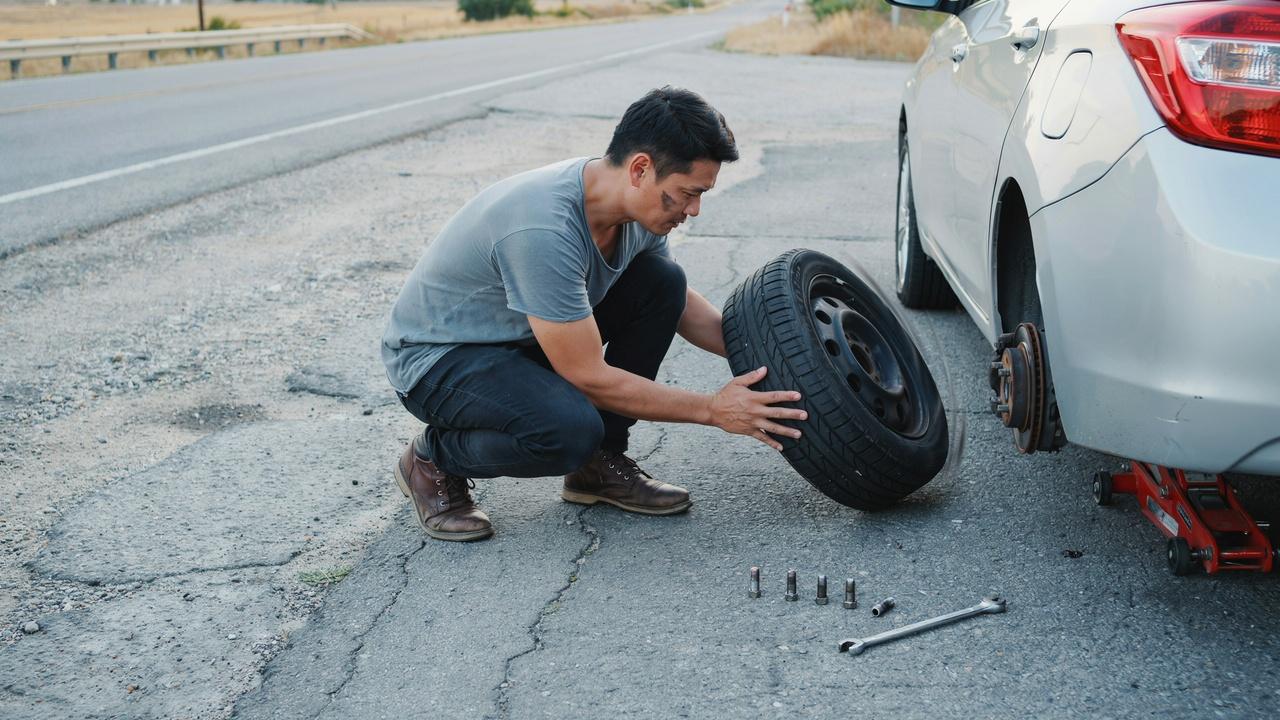
Finish removing the loosened lug nuts.
Pull the flat tire straight off the hub. Set it aside in a safe spot.
Step 9: Mount the spare tire on the hub
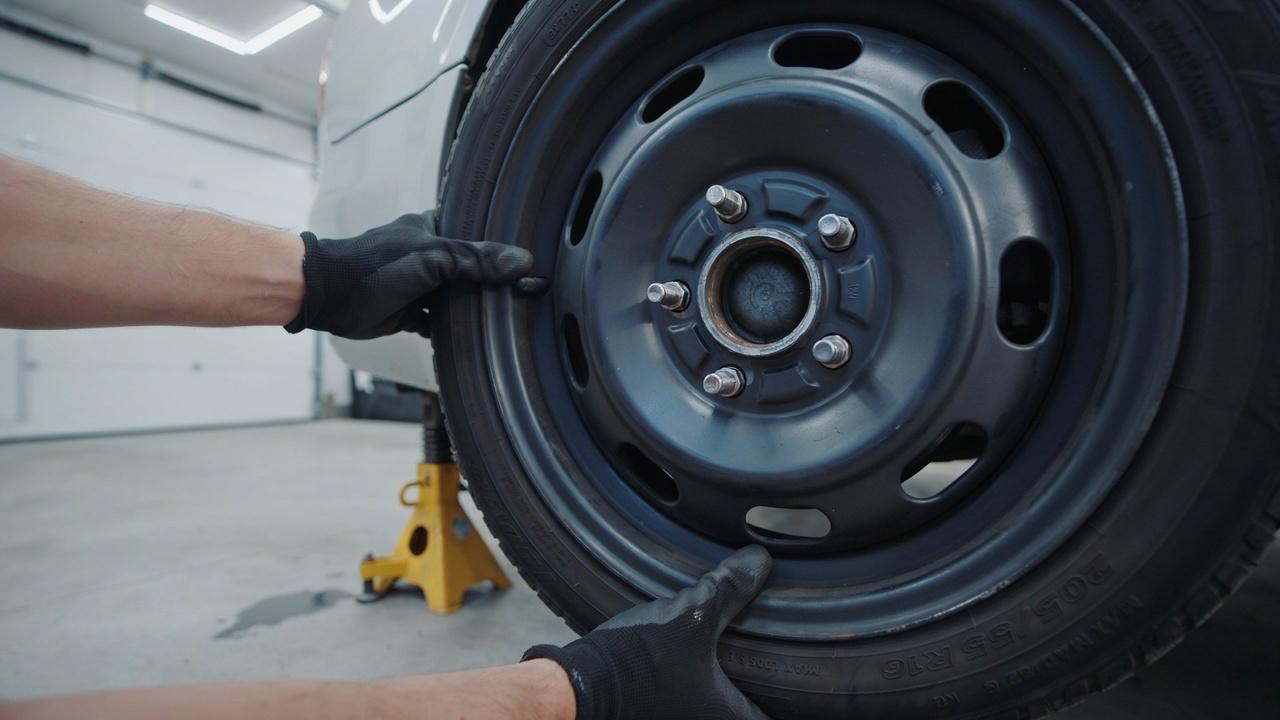
Line up the spare tire with the bolts. Push it onto the hub carefully.
Make sure it sits flat against the surface.
Step 10: Hand-tighten the lug nuts
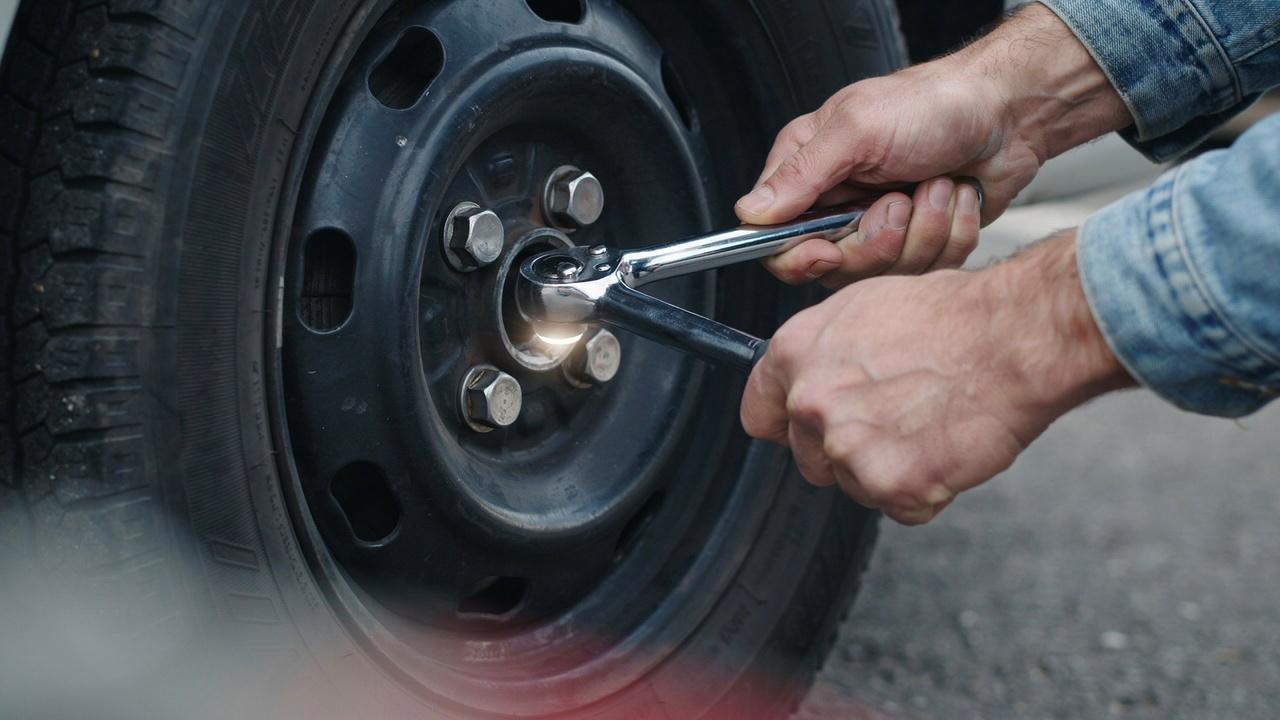
Screw the lug nuts back on by hand. Tighten them in a crisscross pattern.
This helps the tire sit evenly.
Step 11: Lower the car slowly
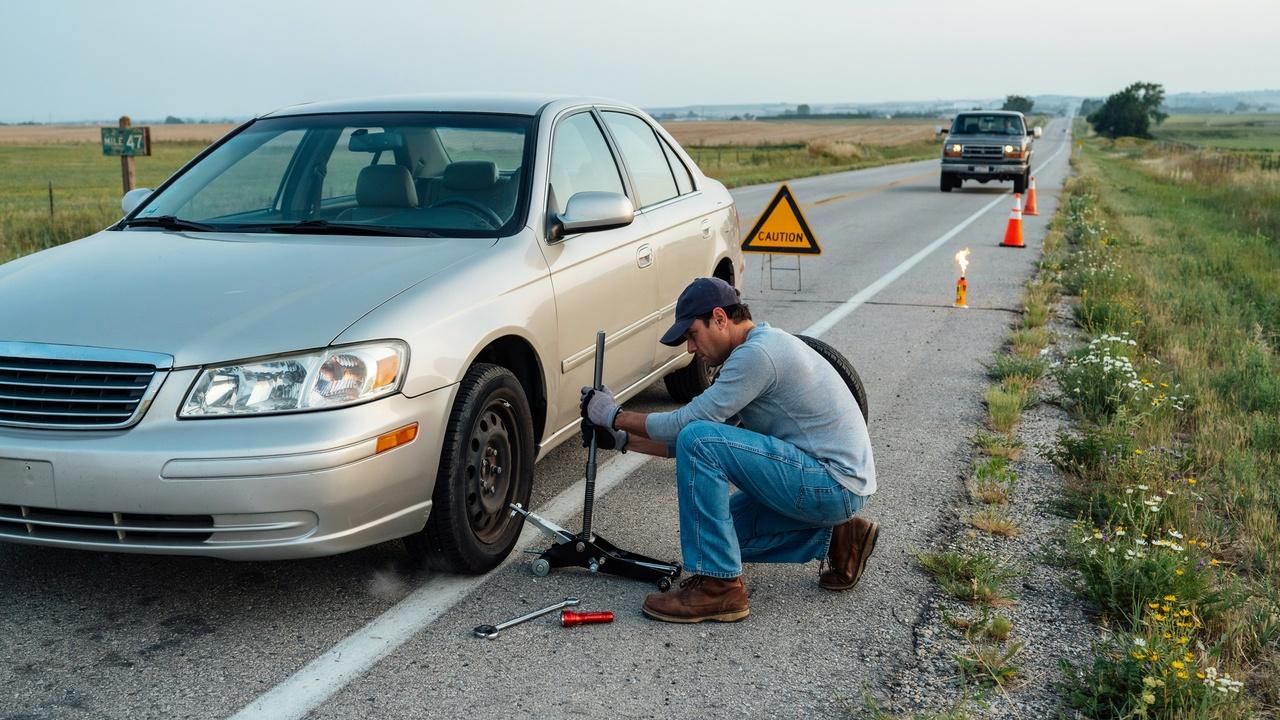
Lower the car gradually with the jack.
Stop once the tire touches the ground but still carries some weight from the jack.
Step 12: Fully tighten the lug nuts
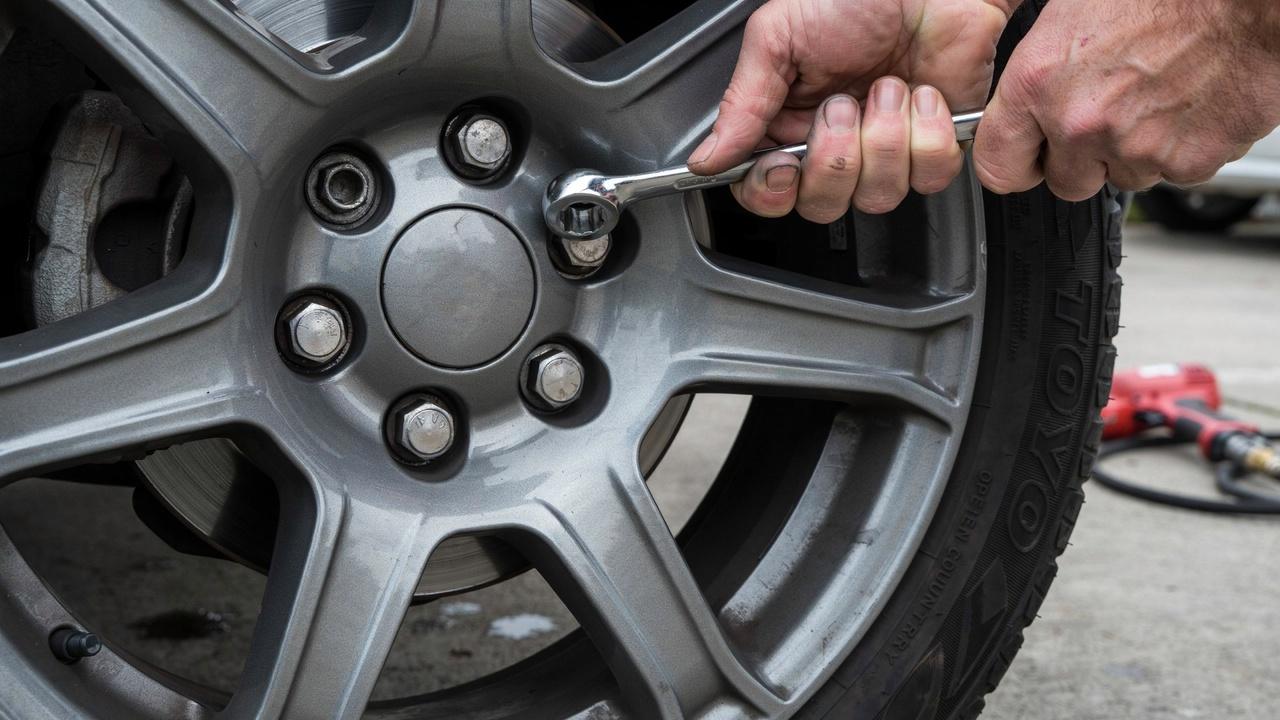
Once the car rests fully on the ground, use the lug wrench to tighten the nuts completely.
Follow the same crisscross order.
Step 13: Check tire pressure and store your tools
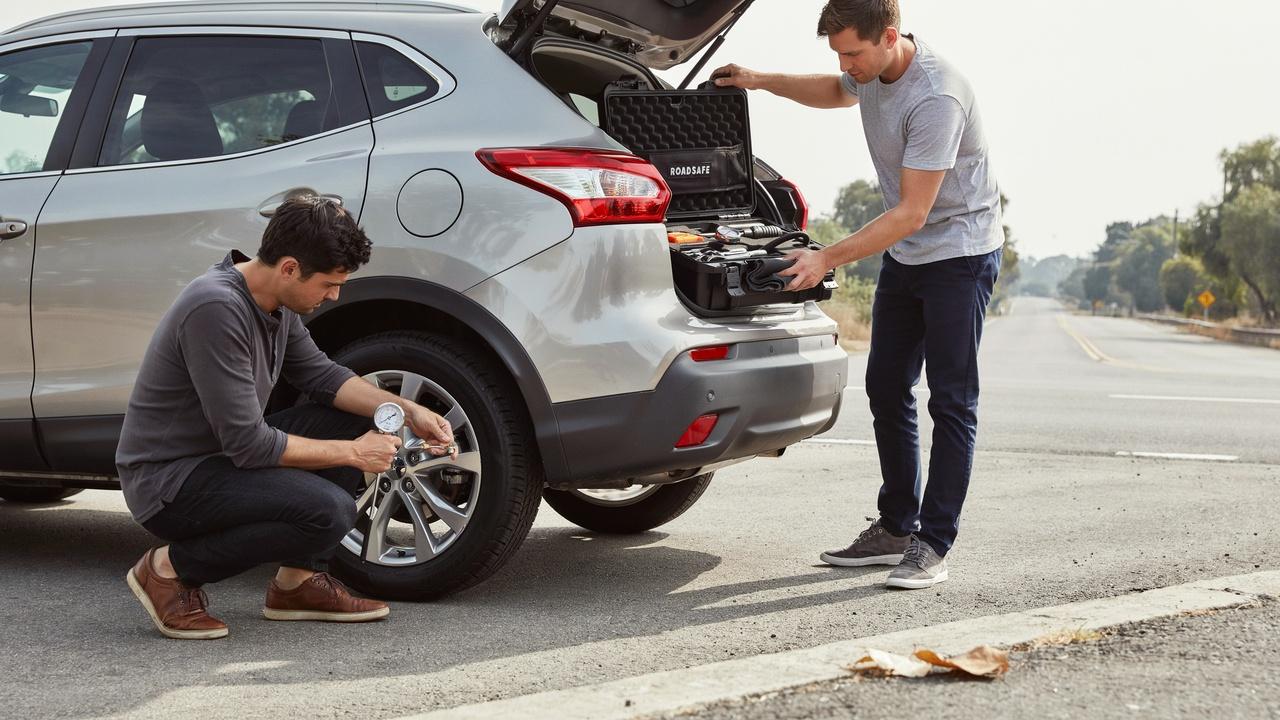
Check the spare tire's air pressure. Pack away your jack and tools.
Drive carefully to a repair shop soon after.
How to Change Car Tire at Home
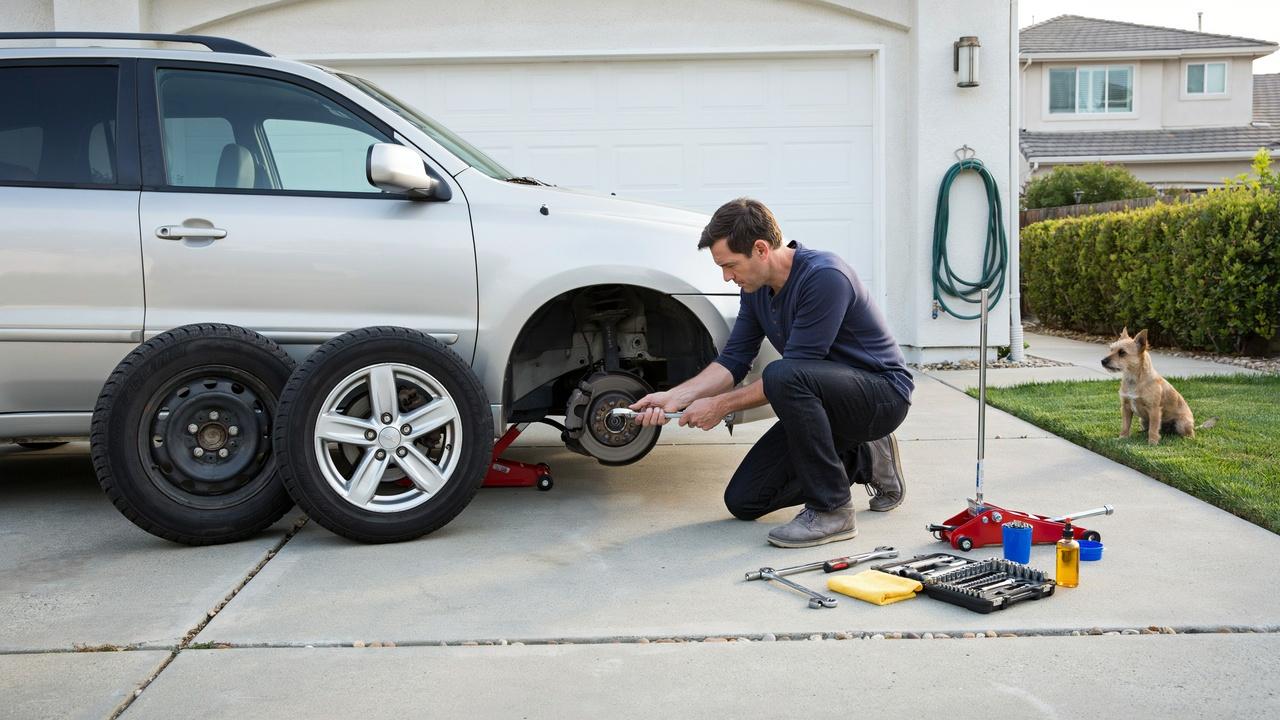
Helpful pointers for changing a tire in your driveway or garage with less stress and more control.
Choose a flat and stable surface
A driveway or garage floor works well for this task.
Avoid grass or gravel, since loose surfaces can shift under the jack.
Use extra safety precautions
At home, you can take your time. Use extra wheel wedges or blocks for added support.
Wear gloves to protect your hands.
Practice changing a tire before an emergency
Practicing at home builds confidence.
You will know exactly what to do if a flat happens on the road later.
How Long Can You Drive on a Spare Tire?

Most temporary spare tires are not built for long drives.
Many car makers recommend going no more than 50 to 70 miles on a spare, with speeds kept under 50 miles per hour.
A full-size spare can often be used like a regular tire.
Even so, it is smart to get your flat tire repaired or replaced as soon as you can.
When Should You Call Roadside Assistance?

Call roadside assistance instead of changing the tire yourself.
If you're in heavy traffic, facing unsafe road conditions, or bad weather it's safer to wait for help.
You should also call for help if you're missing essential tools like a jack or lug wrench, or if your spare tire turns out to be flat as well.
Similarly, if more than one tire is flat or the wheel itself appears bent or cracked, this points to a bigger problem that's best left to professionals rather than something to fix on the roadside.
Common Mistakes to Avoid When Changing a Car Tire
A look at frequent errors that can lead to injury, car damage, or extra trouble during a tire change.
- Lifting the car before loosening lug nuts: Loosen the lug nuts while the tire still sits on the ground. Lifting the car first lets the wheel spin freely, which makes loosening much harder.
- Using the jack on uneven ground: A jack needs a flat, solid surface to work safely. Using it on a slope or soft ground can cause the car to slip or tip.
- Forgetting to tighten lug nuts completely: Loose lug nuts can cause a wheel to wobble or even come off while driving. Always tighten them fully before you drive away.
- Driving too far on a temporary spare: Temporary spares are not made for long trips. Driving too far or too fast on one can damage the spare or strain your car.
- Skipping the wheel wedges: Leaving out wheel wedges or blocks can let the car roll while it's jacked up. Always place them against the tires that stay on the ground.
Tips for Changing a Car Tire Safely and Easily
Extra tips to help you stay prepared and handle a flat tire with more ease and confidence.
- Keep your spare tire properly inflated: Check the air pressure every few months so it's ready when needed.
- Inspect your jack and tools regularly: Make sure your jack, wrench, and wedges are in good shape. Replace worn parts.
- Replace damaged lug nuts immediately: Swap out stripped or rusted lug nuts right away to keep the wheel secure.
- Wear gloves and keep a flashlight in your car: Gloves protect your hands, and a flashlight helps during night changes.
- Learn your vehicle's jack points in advance: Check your manual so you know where to place the jack before you need it.
Conclusion
I still remember the first time I had to change a car tire on a quiet road, hands a bit shaky, unsure if I was doing it right.
Once I got through it, that nervous feeling turned into real confidence.
You don't need to be an expert for this, just patience and the right steps.
Next time you face a flat, you'll know exactly what to do.
Try these steps yourself, then drop a comment and let us know how it went, or share this guide with someone who needs it.
Frequently Asked Questions
How long does it take to change a car tire?
Most people can change a tire in 15 to 30 minutes. The time depends on your experience and the tools you have on hand.
Can I drive on a flat tire to reach a safer spot?
You can drive a short distance at low speed if it's not safe to stop where you are. Doing this for too long can damage the wheel and tire.
Do I need to replace all four tires if one goes flat?
No, you usually only need to replace the damaged tire. If your tires have very different tread wear, a shop may suggest replacing more than one.
What should I do if my lug nuts won't loosen?
Try using a longer wrench or applying steady pressure with your body weight. If they still won't budge, call roadside assistance for help.
Is it safe to use a tire repair kit instead of changing the tire?
A repair kit can work for small punctures as a short-term fix. For larger damage or sidewall issues, changing the tire is the safer option.