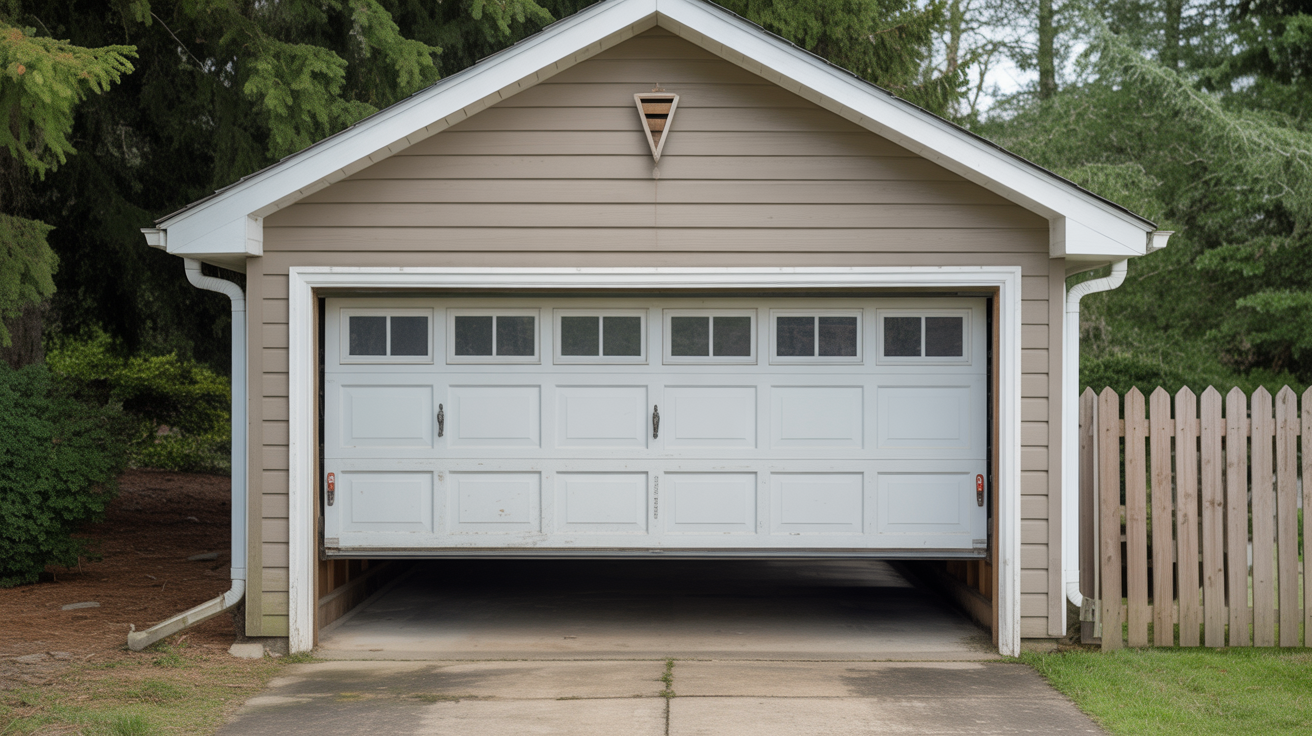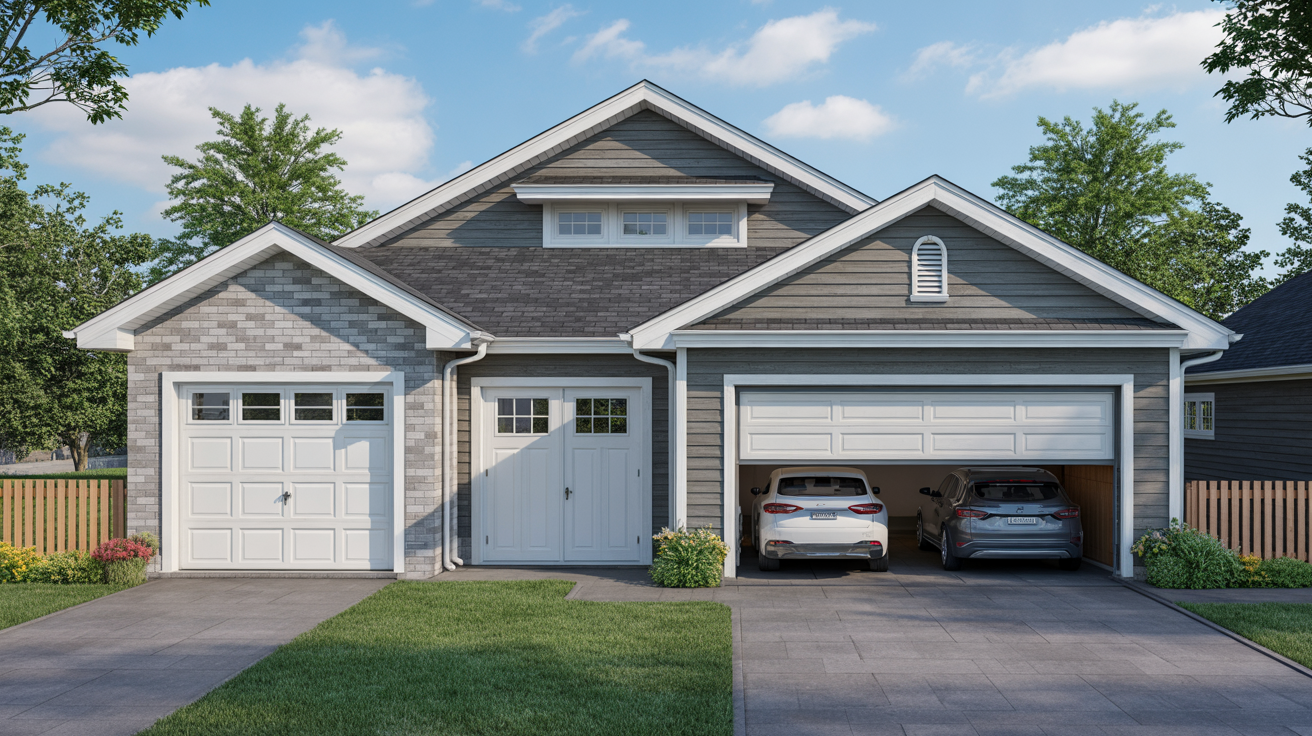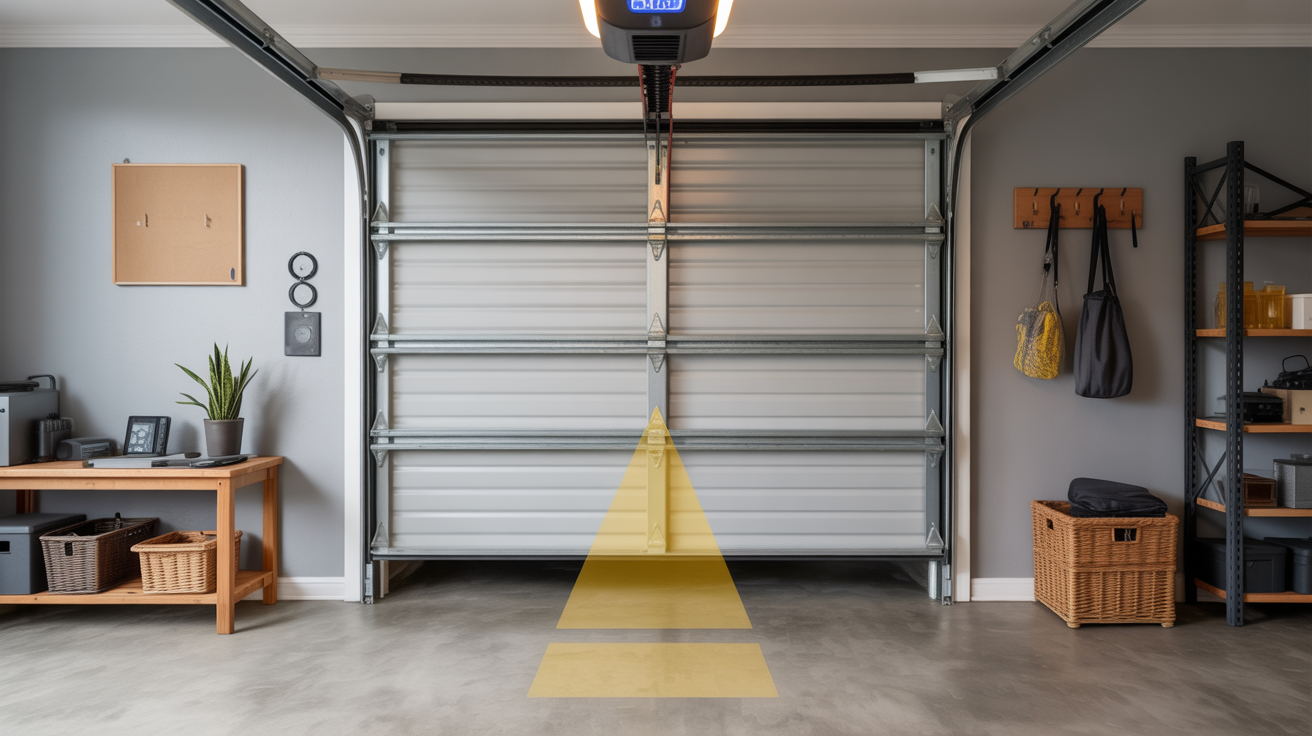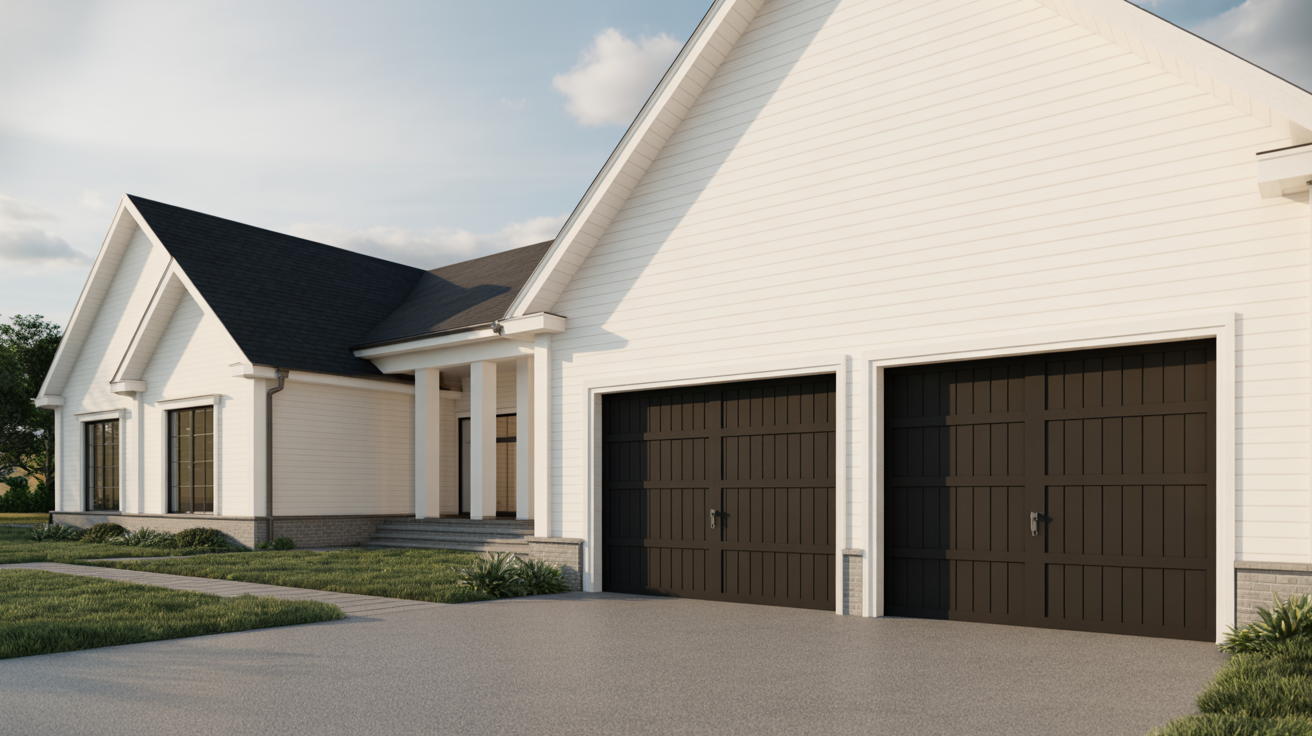

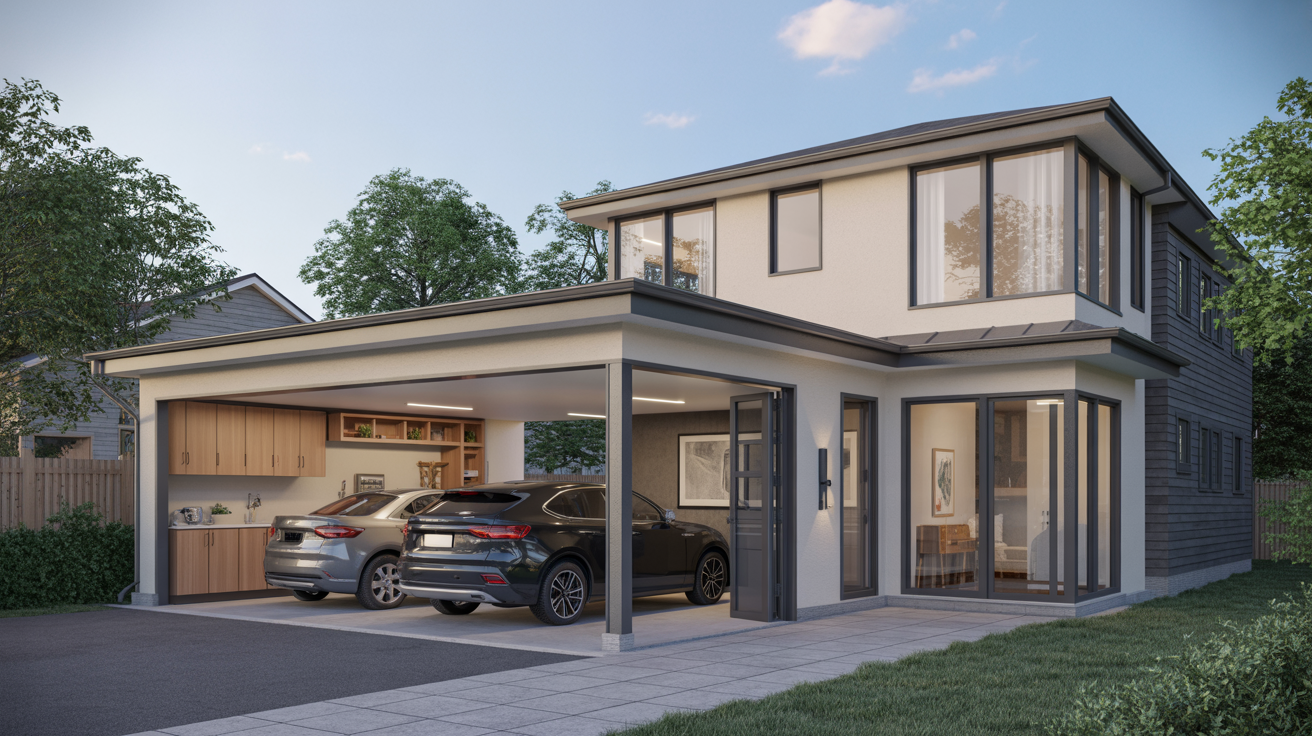
Did you know that over 63% of American homes now include a garage? More homeowners are adding garages to their properties every year. An attached garage shares at least one wall with your main house, creating a direct connection between your car and your home.
This design offers practical benefits like easy access during bad weather, extra security, and increased home value.
In this guide, we’ll share 11 creative ideas for attaching a garage to a house that can work for different lifestyles and budgets. From basic parking spaces to flexible living areas, these options show how an attached garage can do more than just protect your vehicles.
You’ll also learn key design tips to help your new garage blend perfectly with your existing home.
Inspiring Ideas for Attaching a Garage to Your House
Looking for the right garage design can feel overwhelming. These 11 ideas for attaching a garage to a house will help you find the perfect match for your needs and style preferences.
Multi-Car Attached Garage

A multi-car garage provides room for two, three, or more vehicles under one roof. This design works well for families with multiple cars or anyone who needs space for a boat, RV, or motorcycle.
The additional square footage allows you to store lawn equipment, seasonal decorations, and sports gear without crowding your cars.
These larger garages keep your driveway clear and organized. You won’t need to shuffle vehicles around to get one out, and everyone in the family gets their own designated spot.
The extra width also gives you room to open car doors fully without worrying about dings and scratches.
How to Incorporate: Plan for at least 400-720 square feet for a two-car setup, or 600-1,080 square feet for three cars. Add 2-4 feet of extra depth beyond standard dimensions if you want workbench space or storage shelving along the back wall.
Attached Garage with Breezeway Connection

A breezeway creates a covered walkway between your garage and home entrance. This open or enclosed passage protects you from rain, snow, and harsh sun as you move between spaces.
The breezeway can be as simple as a roof overhang or as detailed as a fully enclosed hallway with windows.
This design adds visual interest to your home’s exterior and creates a natural transition space. You can use the breezeway for potted plants, a small seating area, or extra storage hooks for outdoor items.
How to Incorporate: Build a covered structure 4-8 feet wide and 6-12 feet long connecting your garage to a side or back entrance. Install a roof that matches your home’s pitch, and consider adding screens or windows if you want an enclosed space.
Above-Garage Living Space

Building up instead of out makes smart use of your property. A room above your garage can serve as a guest bedroom, home office, playroom, or exercise space.
This bonus area gives you valuable square footage without taking up more of your yard.
The space adapts as your family’s needs change over time. Today’s playroom becomes tomorrow’s teenager retreat or future rental unit.
Many homeowners find this extra room invaluable for accommodating overnight guests or creating a quiet work zone away from the main house.
How to Incorporate: Install a staircase inside the garage or add an exterior entrance for independent access. Include proper insulation, HVAC connections, and a bathroom if you plan to use it as a guest suite or rental space.
Workshop or Hobby Space Garage

Turn your attached garage into a dedicated space for your favorite projects. A workshop garage includes sturdy workbenches, pegboard walls for tool organization, and plenty of electrical outlets for power tools. The concrete floor handles spills and heavy equipment without worry.
This setup works perfectly for woodworking, car repairs, metalwork, or craft projects. You can spread out your materials and leave projects in progress without disrupting family life. Good lighting and ventilation make the space comfortable for hours of focused work.
How to Incorporate: Install a 220-volt electrical circuit for heavy-duty tools, add overhead LED shop lights, and mount a workbench along one wall. Include ventilation fans or a window air exchanger to remove dust and fumes.
Attached Garage with Mudroom Entry

A mudroom connection between your garage and house creates a buffer zone for messy items. This transitional space gives family members a place to remove dirty shoes, wet coats, and muddy gear before entering the main living areas.
Built-in cubbies, benches, and hooks keep everything organized.
The mudroom catches dirt, salt, and moisture that would otherwise track through your home. You can include a sink for washing hands or rinsing items, plus storage for backpacks, sports equipment, and pet supplies.
How to Incorporate: Designate a 6×8-foot area between the garage door and house entrance. Add tile or vinyl flooring, install wall hooks at varying heights, and build bench seating with storage underneath for shoes.
Gear Storage Garage

Outdoor enthusiasts need specialized storage for their equipment. A gear-focused garage includes wall-mounted bike racks, kayak hoists, and vertical storage for skis and snowboards.
Heavy-duty shelving holds camping gear, while hooks and bins organize smaller items like helmets and life jackets.
This design often includes a utility sink or hose connection for cleaning muddy bikes and gear. Durable flooring handles wet equipment without damage. Everything has its place, so you can quickly grab what you need for your next outdoor activity.
How to Incorporate: Install ceiling-mounted pulley systems for kayaks and bikes, mount slatwall panels for adjustable storage, and add a utility sink with hot water access. Use epoxy floor coating to protect against water and mud.
Home Office Conversion

Converting part of your attached garage into office space gives you a quiet work area separate from household noise.
Large windows provide natural light that reduces eye strain during long work days. Proper insulation and climate control make the space comfortable in all seasons.
The physical separation from your living space helps maintain work-life balance. You can soundproof the walls to minimize distractions during video calls and focused tasks.
How to Incorporate: Section off one bay of a multi-car garage or dedicate the entire space if you have alternate parking. Add drywall, flooring, HVAC ducts, and multiple electrical outlets for computers and equipment.
Guest Suite Above Garage

A full apartment above your garage offers privacy for visitors or potential rental income. These suites typically include a bedroom, bathroom, and a small kitchen area. A separate entrance means guests can come and go without disturbing the main household.
Many designs include a small deck or patio where guests can relax outdoors. The suite can also serve as a space for aging parents, adult children, or a live-in caregiver.
How to Incorporate: Build a full second story with proper structural support, including floor joists rated for living space. Install a separate HVAC system, water heater, and electrical panel. Add an exterior staircase for independent access.
Entertainment and Game Room Garage

Converting your garage into a party space creates the perfect spot for gatherings. An open floor plan accommodates pool tables, dartboards, comfortable seating, and entertainment systems. A small bar area with a mini fridge keeps drinks and snacks handy.
Large garage doors can open during nice weather, connecting your indoor space with a patio or deck.
This flow works great for summer barbecues and casual get-togethers. The garage location keeps party noise away from bedrooms and quiet living areas.
How to Incorporate: Finish the walls with drywall, install vinyl plank or carpet flooring, and add soundproofing insulation. Include multiple electrical circuits for appliances and entertainment equipment, plus adequate lighting on dimmer switches.
Style-Matched Traditional Garage

A traditional garage design matches your home’s existing look. The siding, roof materials, window styles, and trim all coordinate with your house for a cohesive appearance. This approach makes the garage look like it was always part of the original construction.
Matching architectural details creates better curb appeal and protects your property value. The garage becomes a natural extension of your home rather than an obvious addition.
How to Incorporate: Use the same siding material, color, and installation pattern as your house. Match roof shingles exactly, and replicate window trim styles and colors. Copy any distinctive features like shutters, gable vents, or decorative brackets.
Insulated All-Season Garage

Climate control makes your garage usable throughout the year. Proper insulation in the walls, ceiling, and garage door keeps temperatures comfortable in both summer and winter. Adding heat and air conditioning lets you work on projects or use the space for storage without weather concerns.
Energy-efficient design includes weather stripping around doors and windows to prevent drafts. This upgrade is important if you plan to use the garage as a workshop, gym, or living space.
How to Incorporate: Install R-13 to R-19 insulation in walls and R-30 to R-49 in the ceiling. Add an insulated garage door with an R-value of at least 12-18. Connect the space to your home’s HVAC system or install a ductless mini-split unit for independent climate control.
Design Tips for Your Attached Garage
Planning your attached garage requires careful thought about size, style, and functionality. Start by considering how you’ll actually use the space beyond just parking cars.
- One-car garages range from 240 to 540 square feet
- Two-car garages need 400 to 720 square feet
- Three-car garages require 600 to 1,080 square feet
- Think about future needs, like larger vehicles or storage space
- Plan for comfortable movement around parked cars
- Consider adding extra depth for workbenches or shelving
- Use the same roofing materials and colors as your house
- Choose siding that complements your existing exterior
- Keep window styles consistent with your home’s design
- Match trim colors and architectural details
- Consider your home’s overall character when selecting features
- Gable roofs offer a classic, traditional look
- Boxed eave roofs provide clean, modern lines
- Vertical roofs handle heavy snow loads better
- Match the roof pitch to your house for visual harmony
- Consider drainage and water runoff patterns
- Select garage door materials like steel, wood, or glass panels
- Add windows for natural light and ventilation
- Choose flooring such as sealed concrete, epoxy coating, or vinyl tiles
- Install adequate electrical outlets for tools and car chargers
- Include LED lighting for bright, energy-efficient illumination
- Add wall-mounted shelves, cabinets, and overhead storage racks
- Consider installing security cameras, motion lights, and alarm systems
These details matter when you’re reviewing ideas for attaching a garage to a house because they affect both function and appearance. A well-planned garage serves your family for decades.
Conclusion
The right attached garage design can change how you use your home and property. From simple parking solutions to flexible living spaces, these ideas for attaching a garage to a house offer something for every homeowner. The best choice depends on your family size, lifestyle, budget, and plans.
An attached garage adds real value to your property while making daily life more convenient. Take time to think about what matters most to you, whether that’s extra parking, workshop space, or guest accommodations.
Metal garage kits offer a cost-effective way to add this valuable space without breaking the bank.
Ready to move forward? Start by measuring your available space and researching local building codes. Talk to contractors about which design works best for your specific situation. Your ideal attached garage is within reach.
Frequently Asked Questions
How Long Does It Take to Build an Attached Garage?
The timeline depends on the size and complexity of your project. Prefab metal garages can be installed in just a few days, while custom-built garages may take several weeks to a few months to complete.
Will an Attached Garage Increase My Home’s Resale Value?
Yes, homeowners typically see a return of 78 to 81% of their garage construction costs when selling. The added curb appeal and functional space make homes more attractive to buyers.
What’s the Cost Difference Between Attached and Detached Garages?
Attached garages cost about 12% less than detached versions. The shared wall with your house reduces material and labor expenses. Connecting utilities like electricity is also easier and cheaper.
Do I Need Building Permits for an Attached Garage Addition?
Yes, permits are almost always required for garage additions. They ensure your project meets local building codes and safety standards. Contact your local building department to learn about specific requirements.
Can I Convert My Attached Garage Into Living Space Later?
Yes, garage conversions are common projects. You may need to add insulation, heating, cooling, and possibly plumbing. Check your local zoning regulations before starting, as some areas have specific rules about garage conversions.