
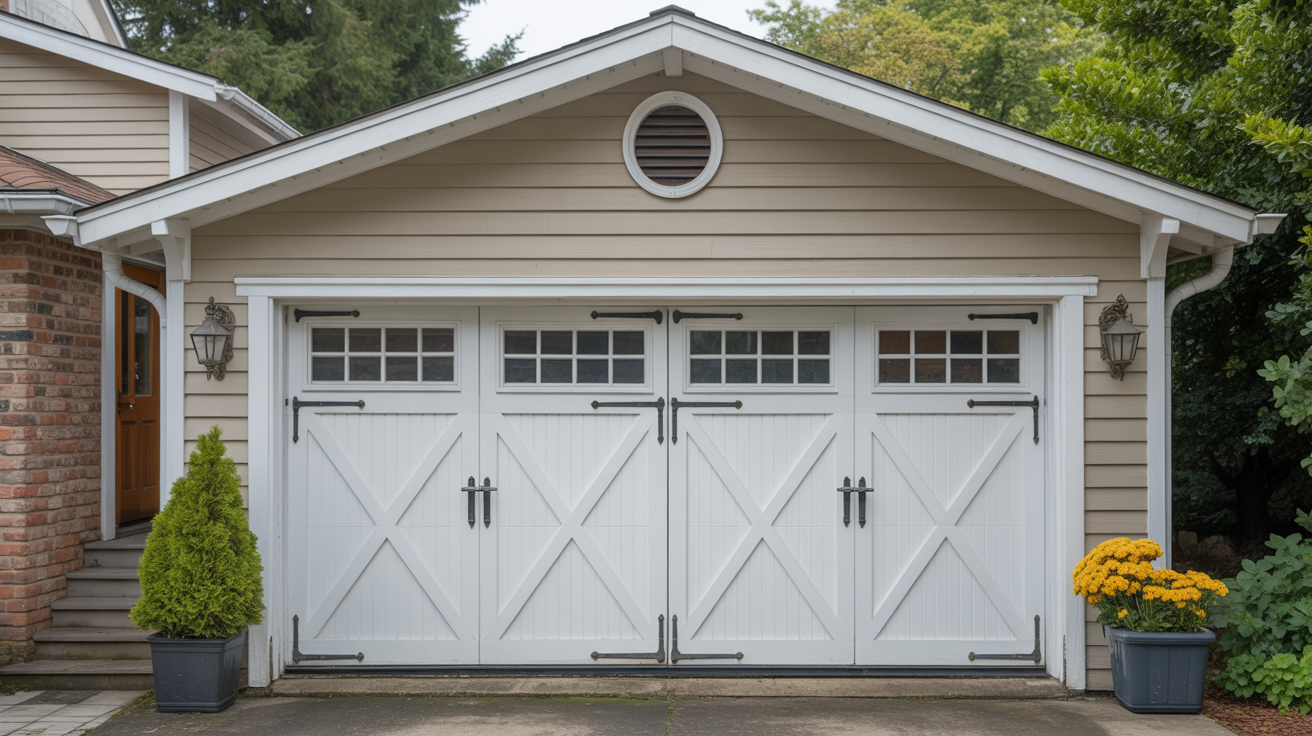
Your garage door opens and closes dozens of times each week. It protects your car, your tools, and sometimes gives you a way into your home. This hardworking part of your house is also a big purchase, often costing thousands of dollars.
Knowing how long garage doors last helps you plan your home budget better. It also tells you when to start saving for a replacement. A door that works well keeps your home safe and can even raise your property value.
In this guide, you’ll learn exactly how many years you can expect from your garage door. We’ll cover what makes some doors last longer than others. You’ll also find out when it’s time to fix your door and when you need a new one.
How Long Does a Garage Door Last?
Most garage doors last between 15 and 30 years when you take good care of them. This wide range depends on several things, like the material, how often you use it, and where you live. A door in a mild climate with light use might hit that 30-year mark, while a heavily used door in harsh weather may only make it to 15 years.
The quality of your door matters a lot. Cheaper doors with basic parts might wear out faster than well-built doors with better materials. Regular care and quick repairs can push any door toward the higher end of this range.
Think of it like a car: proper maintenance keeps it running longer.
Your garage door opener has a different timeline. Most openers last about 10 to 15 years, which is shorter than the door itself. Newer models with smart features might get replaced sooner, not because they break, but because homeowners want updated technology.
If your opener stops working but your door is still in good shape, you can usually just swap out the opener.
What Affects How Long Your Garage Door Will Last?
Several things control how many years you’ll get from your garage door. Understanding these factors helps you get the most from your investment.
Frequency of Use

Garage door springs get rated by cycles. One cycle equals opening and closing the door once. Most springs handle about 10,000 cycles before they wear out and need replacing.
Here’s a simple example: if you use your door three times each day, that’s about 1,000 cycles per year. At that rate, your springs would last around 10 years. Families who use their garage door more often will see parts wear out faster.
The door itself experiences the same wear pattern, so heavy daily use shortens the overall life of your whole system.
Maintenance and Care

Taking care of your garage door can add many years to its life. Doors that get regular checkups and quick fixes often reach the 30-year mark or beyond. Simple tasks like cleaning and oiling moving parts make a real difference.
On the flip side, doors that get ignored start having problems sooner. Rust builds up, parts stick, and small issues turn into big repairs.
A neglected door might need replacing at just 15 years old. Spending a little time on care now saves you money later.
Climate and Environmental Conditions

Where you live plays a big role in how long garage doors last. Storms, high heat, heavy humidity, and cold all take their toll. Each season of rough weather adds a bit more damage.
Homes near the ocean face extra challenges from salt air, which speeds up rust and wear. Inland areas might deal with extreme temperature swings that make materials expand and contract. Over the years, this environmental stress adds up.
A door in Southern California might outlast the same model in a place with harsh winters.
Material and Build Quality

Steel doors are the champions of longevity, often lasting up to 30 years. They stand up well to dents, weather, and daily wear. Steel is strong and needs less upkeep than other materials.
Wood doors look great, but require more work to keep them in good shape. They can warp in humid conditions or crack in dry conditions.
Aluminum doors are light and resist rust, but they dent more easily. Vinyl options work well in certain climates. No matter the material, higher quality construction costs more upfront but gives you a door that lasts longer and works better.
Signs It’s Time to Replace Your Garage Door
Knowing when to replace your garage door saves you from safety risks and wasted repair money. Here are clear warnings that your door has reached the end of its useful life.
- The door is 20-plus years old.
- Sagging or sitting crooked in the frame
- Makes loud grinding, squeaking, or banging sounds
- Needs repairs every few months, which costs a lot
- Shows warping, cracks, dents, or rust damaLet’sets in drafts and wastes energy
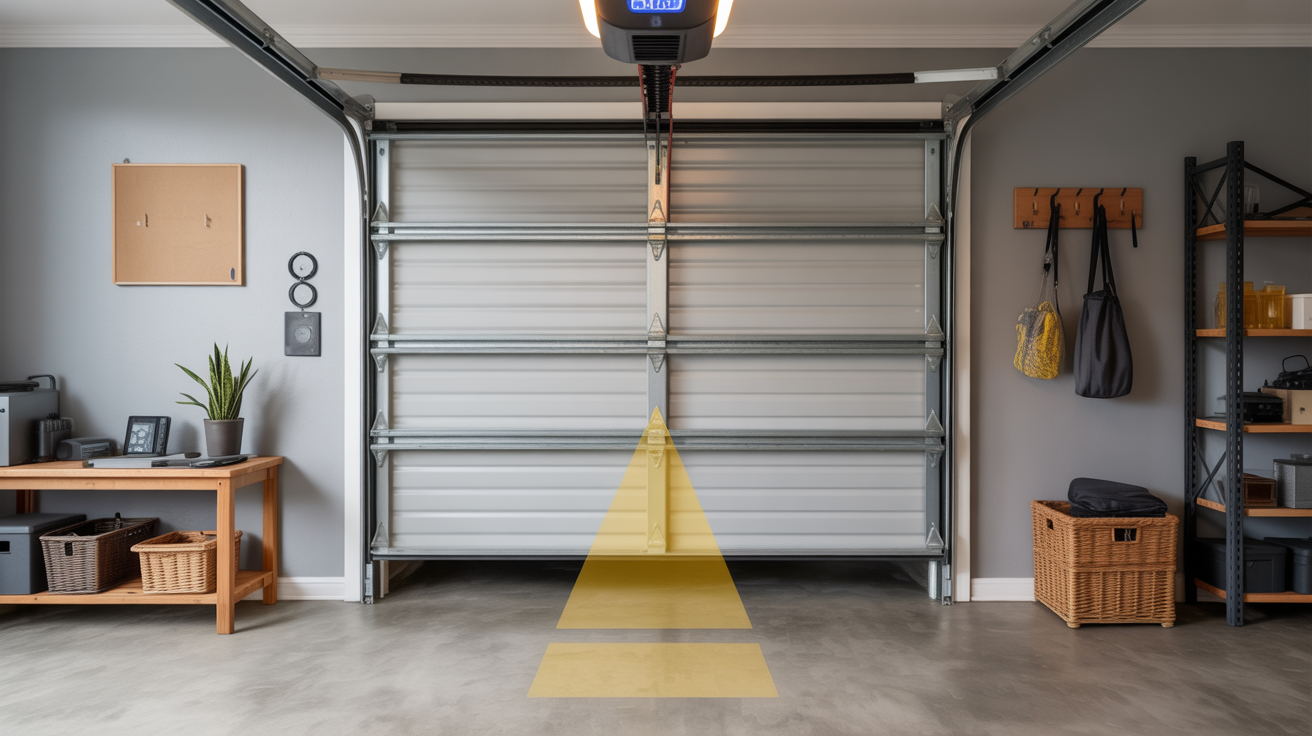
- Safety sensors or auto reverse features don’t work right
- Struggles to open or close all the way
If you notice several of these problems, a new door is probably your best choice. One or two issues might just need repairs, but multiple warning signs mean replacement makes more sense. Getting a professional opinion helps you decide.
Important Maintenance Tasks
Regular care is the secret to making your garage door last as long as possible. These tasks take little time but add years to your door’s life.
- Oil hinges, rollers, and springs every few months
- Clean the tracks and check for debris or damage
- Test if the door stays balanced when halfway open
- Replace worn weatherstripping around the edges
- Wash the panels to stop rust from starting
- Tighten bolts, check cables, and look at the spring condition
Most homeowners can handle these jobs with basic tools. Set a reminder to do these checks twice a year.
Spring and fall are good times to give your door some attention. Keep moving parts smooth and clean, and your door will work better for longer.
Professional Inspections and When to Call Experts
Getting your garage door checked by a pro once a year is smart. Technicians spot problems you might miss and can fix them before they get worse. This yearly visit is like taking your car in for service.
Some jobs are too risky to do yourself. Spring replacement tops that list because springs hold extreme tension and can cause serious injuries. If you hear a loud bang or your door won’t open, the spring has probably broken. Call a professional right away.
Watch for changes in how your door acts. Does it move more slowly than before? Does one side go up faster than the other? Strange new noises? These signs tell you something needs attention.
Fixing small problems early stops them from turning into expensive replacements. A quick service call now can save you thousands later.
Conclusion
So, how long do garage doors last? With proper care, you can expect 15 to 30 years from a quality garage door. The exact number depends on your climate, how often you use it, and what it’s made from.
Regular maintenance is your best tool for reaching that upper limit. Simple tasks like oiling parts and keeping tracks clean make a huge difference. Professional checkups catch problems early.
Take a look at your current garage door. Does it show any warning signs we talked about? If your door is getting up there in years or acting up, now is the time to plan.
Schedule a professional inspection if you’ve noticed issues. A trained eye can tell you if repairs will work or if replacement is coming soon. Don’t wait for a complete breakdown on a cold winter morning.
Frequently Asked Questions
Can a Garage Door Last 40 Years?
Yes, but it’s rare. Very well-maintained steel doors in mild climates sometimes reach 40 years. However, most doors need replacing between 20 and 30 years. Openers typically fail first.
How Much Does It Cost to Replace a Garage Door?
A new garage door typically costs between $600 and $4,000 installed. Basic single doors cost less, while insulated double doors with windows cost more. Custom materials and smart openers increase the price.
What Fails First on a Garage Door?
Springs usually fail first, typically after 10,000 to 15,000 cycles. The opener is next, lasting 10 to 15 years. Rollers, cables, and weatherstripping also wear out before the door panels do.
Should I Replace My Garage Door or Just the Springs?
Replace just the springs if your door is under 15 years old and in good condition. If the door is over 20 years old or has other problems, full replacement makes more sense financially.
Does Regular Lubrication Really Make a Difference?
Absolutely. Oiling moving parts every few months reduces friction and wear. This simple task can add several years to your door’s life and keep it running quietly. Use silicone or lithium spray.