
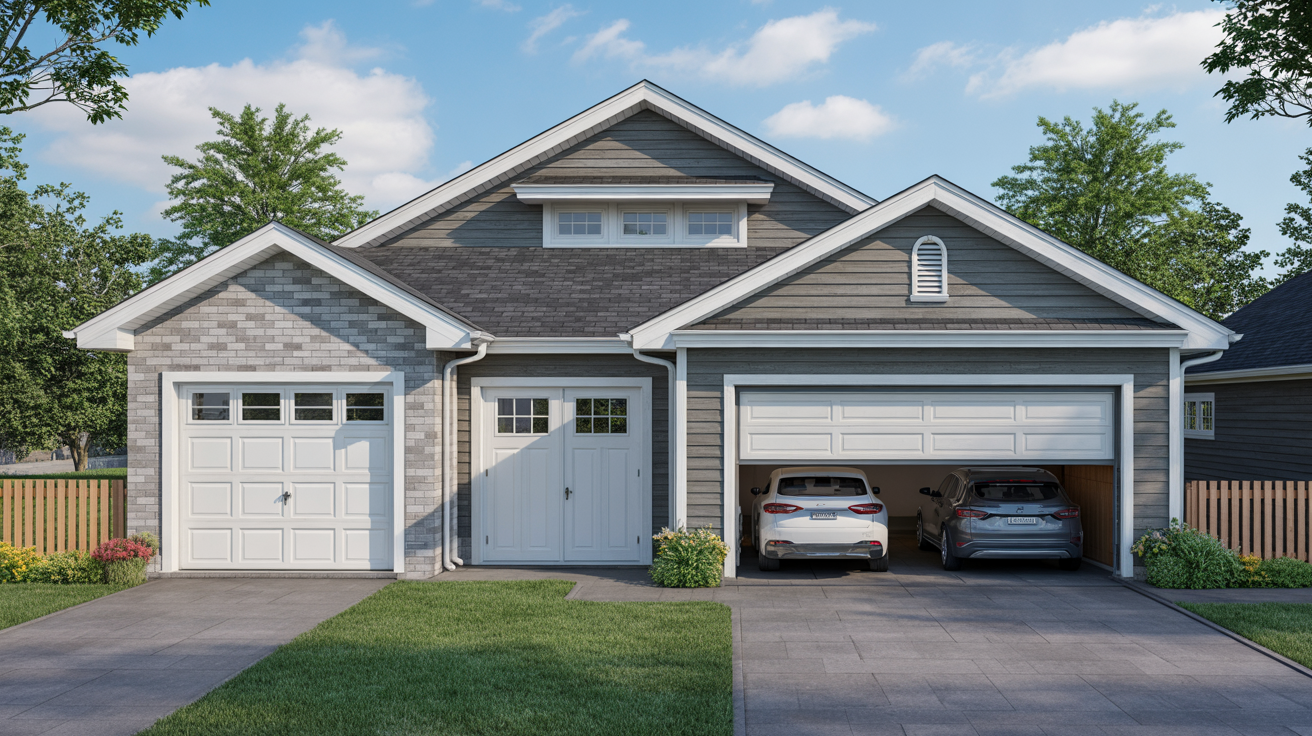
Picking the right garage door size is more important than most homeowners think. A door that’s too small won’t fit your vehicle, while one that’s too large wastes money and looks out of place on your home.
Getting the size right affects how easy it is to park, how much protection your car gets, and even how your house looks from the street.
The wrong size can lead to scrapes on your car, difficulty getting in and out, or damage to garage walls. Most garages use standard sizes, but you can get custom doors if needed.
In this guide, you’ll learn about common garage door sizes, how to measure your opening, and which size works best for different vehicles. We’ll also cover custom options and what to expect for costs.
Standard Garage Door Sizes

Most garage doors come in standard measurements that work for typical homes and cars. These sizes are made in large quantities, which keeps costs down and makes replacement easier.
Single Garage Door Dimensions
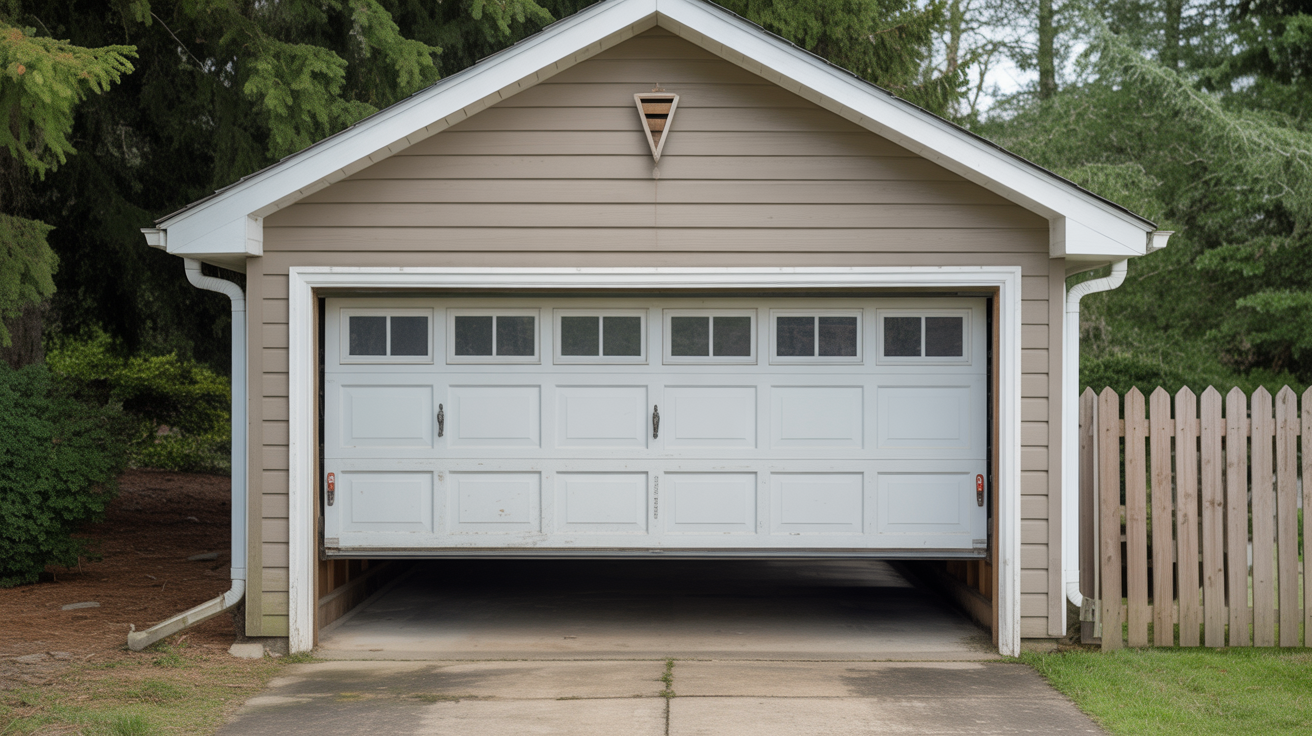
The most common single garage door measures 8 feet wide by 7 feet tall, though you’ll also find 9 feet by 7 feet and 9 feet by 8 feet options.
Single doors usually range from 8 to 10 feet wide and 7 to 8 feet tall. These garage door sizes work well for sedans, compact cars, and smaller SUVs.
An 8-foot door gives you just enough room for a standard car, but going up to 9 or 10 feet provides extra space.
The taller 8-foot height helps if you have a vehicle with roof racks or want to add storage above your car. Think about what you drive now and what you might drive later when choosing your size.
Double Garage Door Dimensions
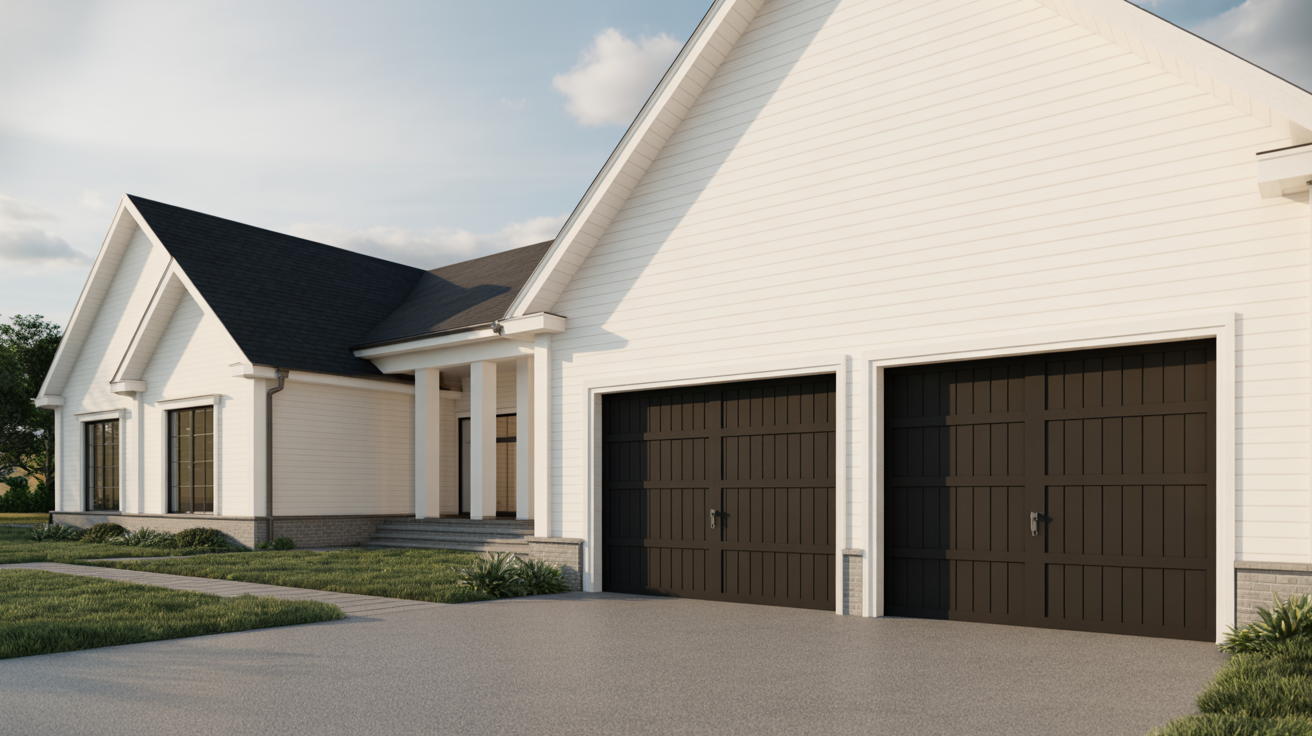
Double garage doors typically measure 16 feet wide by 7 feet tall or 16 feet by 8 feet tall. The width can range anywhere from 12 to 20 feet, depending on what you need. You can choose one large door that covers the whole opening, or install two 8-foot doors side by side with a post in the middle.
One large double door costs less to install and looks cleaner from the outside. Two separate doors give you the option to open just one side, which saves energy in winter and lets you work in the garage while keeping the other car protected. Both setups work fine, so it comes down to what matters most to you and your budget.
How to Measure Your Garage Door Opening

Taking accurate measurements ensures you order the right size door and avoid expensive mistakes. Even a small error can mean your new door won’t fit properly.
Rough Opening Measurements
To measure width, find the widest point of your opening and add 1 inch to each side for a total of 2 extra inches. For height, measure at three different spots across the opening and use the smallest number you get.
These extra inches account for the door frame and track system that needs to fit inside the opening.
Never assume your opening matches standard garage door sizes without measuring first. Older homes often have openings that are slightly off from modern standards. Write down all your measurements and double-check them before ordering anything. If you’re not confident in your measuring skills, hire a professional to do it for you.
Additional Space Requirements
Your garage needs more than just the opening size to work right. Each side needs 3¾ to 5½ inches of space for the track system that guides the door up and down.
The exact amount depends on the type of tracks and springs your door uses.
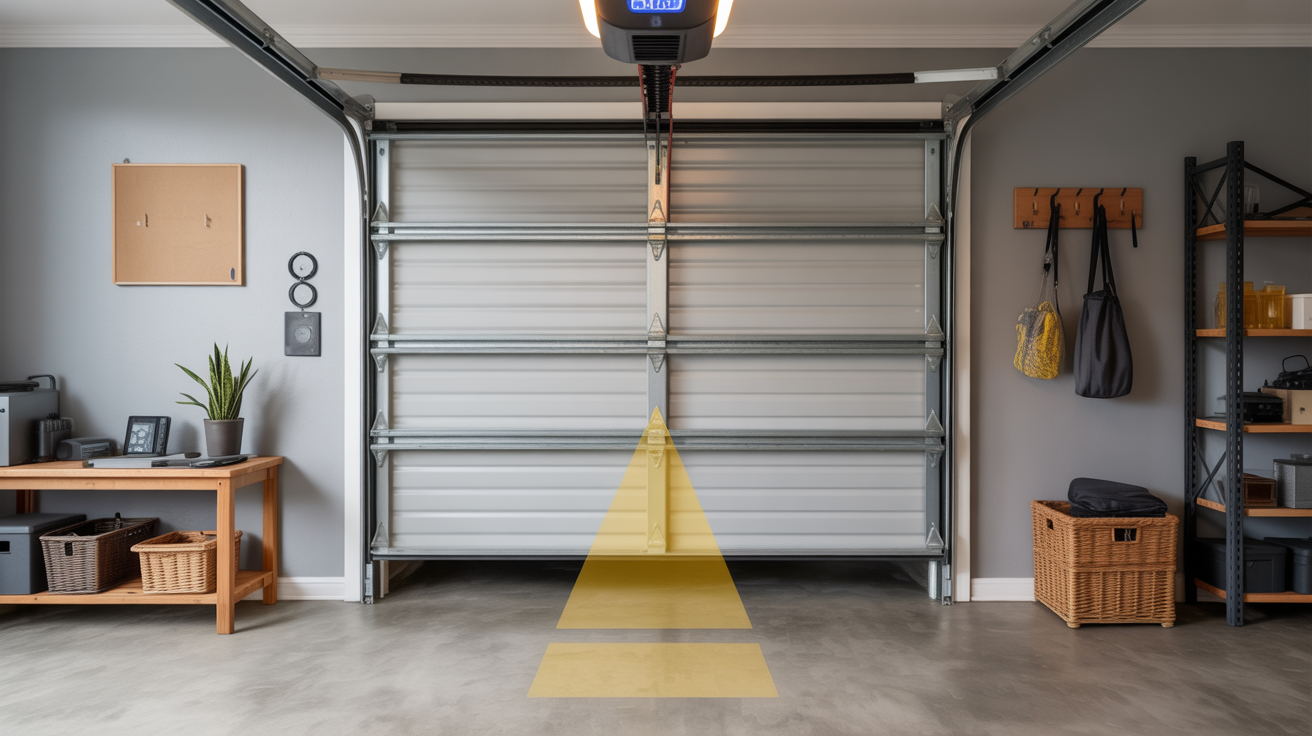
You also need headroom above the door opening. Plan for at least 10 to 12 inches of clear space, plus another 3 inches if you want to install an automatic opener.
Behind the door opening, you need space equal to the door height plus 18 inches for the door to roll up completely. Without enough backroom, your door won’t open all the way, or it could damage itself.
Choosing the Right Size for Your Vehicle

Matching your garage door to your vehicle type keeps parking simple and protects your car from damage. Different vehicles need different amounts of space to fit comfortably and safely.
- Sedans and small cars: A 9-foot by 7-foot single door provides plenty of room for most compact vehicles and gives you space to walk around.
- SUVs and crossovers: These need 9 or 10-foot by 8-foot doors because of their extra height and width compared to regular cars.
- Pickup trucks: At least a 10-foot by 8-foot single door or a 16-foot by 8-foot double door works best, especially for extended cab models.
- Vans and small RVs: These require bigger openings, usually 12 feet by 12 feet or larger, to handle their size.
Remember to account for side mirrors that stick out past the body of your vehicle. Roof racks, bike carriers, and cargo boxes add height that you need to consider. You also want enough space to open your car doors comfortably without hitting the garage wall or door frame.
Custom and Oversized Garage Doors

Sometimes standard garage door sizes just don’t work for your situation. Maybe you have an older home with unusual measurements, or you need space for an RV or boat.
RVs and commercial vehicles often need doors that are 10 to 14 feet wide and 12 to 16 feet tall. These large openings require extra support in your garage structure and stronger door systems. Triple garage setups can use three single doors or one double plus one single, depending on your space and needs.
Custom doors let you get exactly what you need when standard sizes won’t work. You can order doors in almost any size, though they cost more and take longer to make. The benefit is getting a perfect fit that looks good and works right for your specific setup.
Garage Door Thickness and Insulation Options

The thickness of your garage door affects how much it costs, how well it keeps out the weather, and how long it lasts.
Uninsulated steel panels measure about 1/8 inch thick and provide basic protection. These work fine if you don’t use your garage much or live in a mild climate.
Basic insulated doors use ¼ to ½ inch of foam, which cuts down on outside noise and keeps temperatures more stable.
Well-insulated doors have 1 to 1½ inches of foam sandwiched between steel panels. These are the best choices if your garage connects to your house, you work in your garage, or you live somewhere with hot summers or cold winters.
Better insulation saves money on heating and cooling costs over time and makes your garage more comfortable to use year-round.
Cost Considerations by Size
Understanding price ranges helps you plan your budget and avoid surprises when shopping for garage door sizes. The size you choose directly affects what you’ll pay.
- Single car doors: Typically cost between $500 and $1,500 for the door itself, covering basic uninsulated doors up to better quality insulated models.
- Double car doors: Run from $1,000 to $3,000, with the higher end including insulation, windows, and nicer designs.
- Oversized and custom doors: Start at $3,000 and go up from there, sometimes reaching $5,000 or more for very large or fancy designs.
- Material choices: Steel is the cheapest, while wood or composite costs more, and windows, decorative hardware, and special finishes all add to the total.
One large double door usually costs less than two single doors that cover the same space because you only need one opener and one set of springs. Better insulation adds to the upfront cost but can save you money on energy bills over time.
Conclusion
Most homes do well with standard garage door sizes: 8 to 10 feet wide for single doors and 16 feet wide for double doors. These common measurements fit typical vehicles and cost less than custom options.
Always measure your opening twice before ordering anything. Even small errors can mean delays and extra costs. Don’t forget to check headroom, side room, and backroom requirements so your new door fits and works properly.
If standard sizes won’t work for your situation, talk to a professional about custom doors. They can help you figure out what size you need and whether your garage structure needs modifications. The right door balances your needs, your budget, and how well it works for your daily life.
Frequently Asked Questions
Can I Install a Larger Garage Door in an Existing Opening?
You can make an opening bigger, but it requires structural changes like adding support beams and possibly moving walls. A contractor needs to check if your garage frame can handle the modifications safely and meet building codes.
How Much Clearance Should I Leave Between My Car and the Garage Door?
Leave at least 3 feet in front of your car for comfortable walking space and 2 to 3 feet on each side for opening doors. If you park two cars side by side, allow 3 to 4 feet between them.
Do Garage Doors Come in Half-Feet Increments?
Standard doors come in whole-foot increments, like 8, 9, or 10 feet wide. For measurements that fall in between, you can order custom doors made to your exact specifications, though they cost more and take longer to receive.
What Happens If My Garage Opening Is Not a Standard Size?
You’ll need to order a custom door made to fit your specific measurements. The process takes longer, usually 4 to 8 weeks, and costs more than standard sizes. Some companies can modify standard doors slightly to fit.
Should I Choose a Taller Garage Door Even If I Don’t Need It Now?
Extra height provides flexibility if you buy a taller vehicle later or want to add overhead storage. The upgrade usually costs only a few hundred dollars more, which is much less than replacing your entire door down the road.