
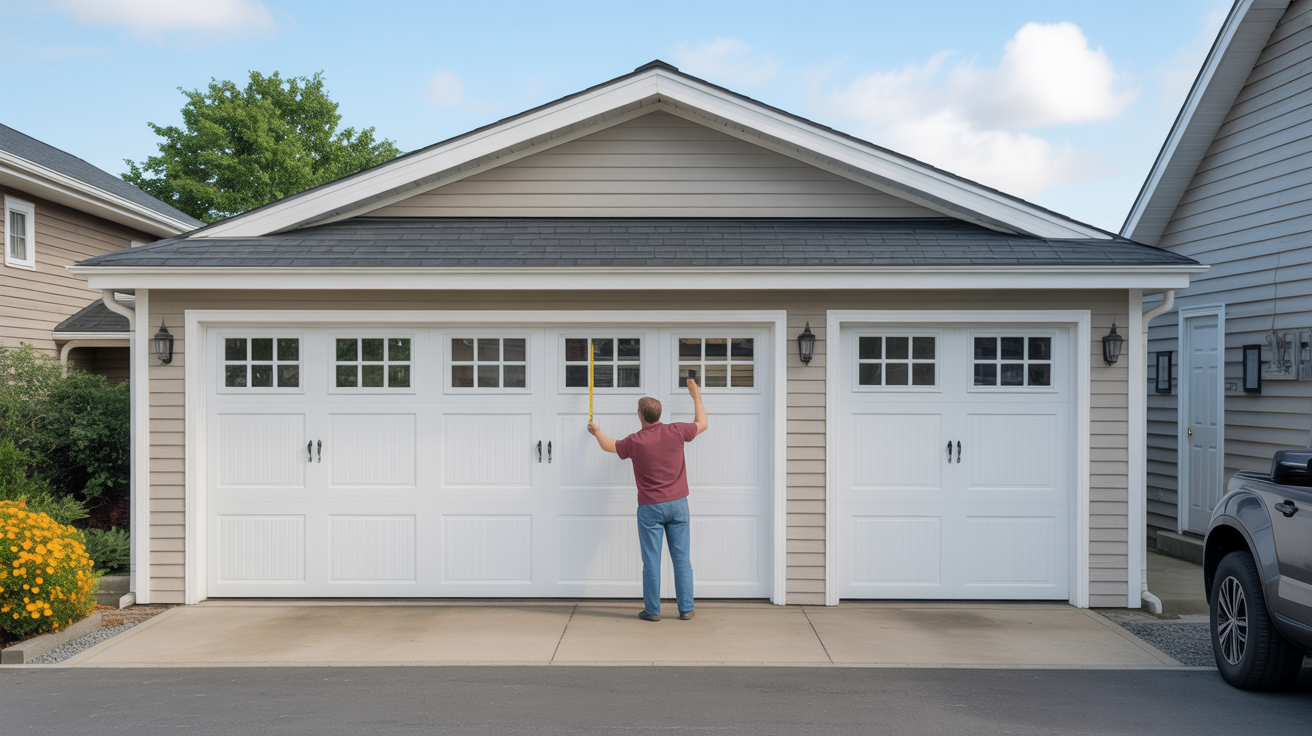
Are you planning to replace your garage door or build a new garage? Getting the right garage door opening size is more important than you might think. A door that’s too small won’t fit your vehicle, while one that’s too large can waste money and energy.
Most homeowners don’t realize that standard sizes exist for good reasons. They work with common vehicle dimensions and make installation easier. Plus, standard sizes cost less than custom options.
In this guide, you’ll learn about the most common garage door sizes. We’ll cover single and double door dimensions, how to measure your opening correctly, and when you might need a custom size. By the end, you’ll know exactly what size door you need for your home.
Standard Garage Door Opening Sizes at a Glance

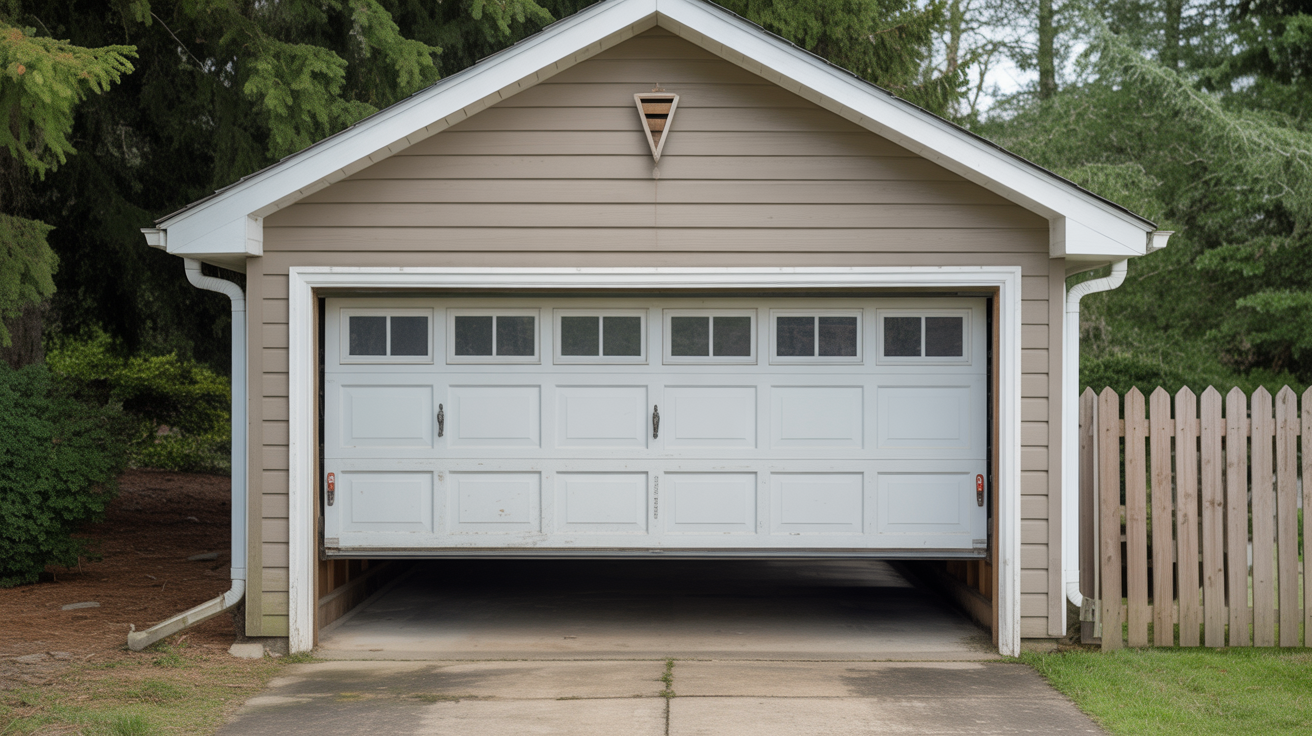
The most common single garage door opening size is 9 feet wide by 7 feet tall. The 8-foot by 7-foot option is also popular, especially in older homes. These sizes work well for most sedans, compact SUVs, and smaller trucks.
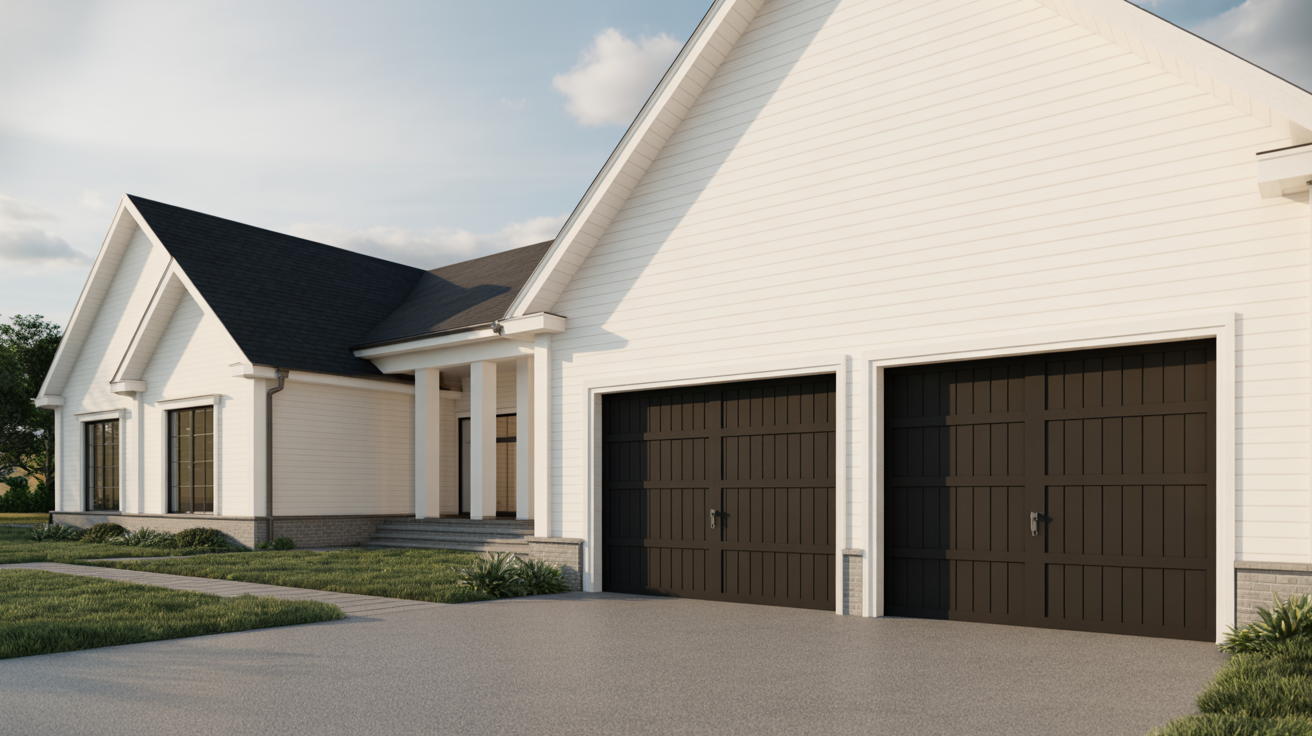
For double garage doors, the standard is 16 feet wide by 7 feet tall. Some newer homes use 16 feet by 8 feet to fit larger vehicles. These dimensions give you enough room for two cars parked side by side with space to open doors comfortably.
Both attached and detached garages typically use the same standard sizes. The main difference is in the installation process, not the door dimensions. Knowing these standards helps you plan your project and get accurate quotes from contractors.
Single Garage Door Opening Dimensions

Single garage doors come in three main widths: 8 feet, 9 feet, and 10 feet. The height is almost always 7 feet, which fits most standard vehicles without any issues. The 8-foot width works for compact cars and sedans.
The 9-foot wide door has become the preferred choice in newer homes. It gives you extra room to park and makes getting in and out of your car much easier. This size handles mid-size SUVs and pickup trucks without problems.
The 10-foot width is less common but useful for larger vehicles. It also gives you more flexibility if you change vehicles in the future. Keep in mind that wider doors may cost more and need stronger garage door openers.
Double Garage Door Opening Sizes

Most double garage doors measure 16 feet wide by 7 feet tall or 16 feet by 8 feet tall. The extra foot of height in the 8-foot option helps if you drive taller SUVs or trucks. Some homeowners choose doors as wide as 18 feet for extra space.
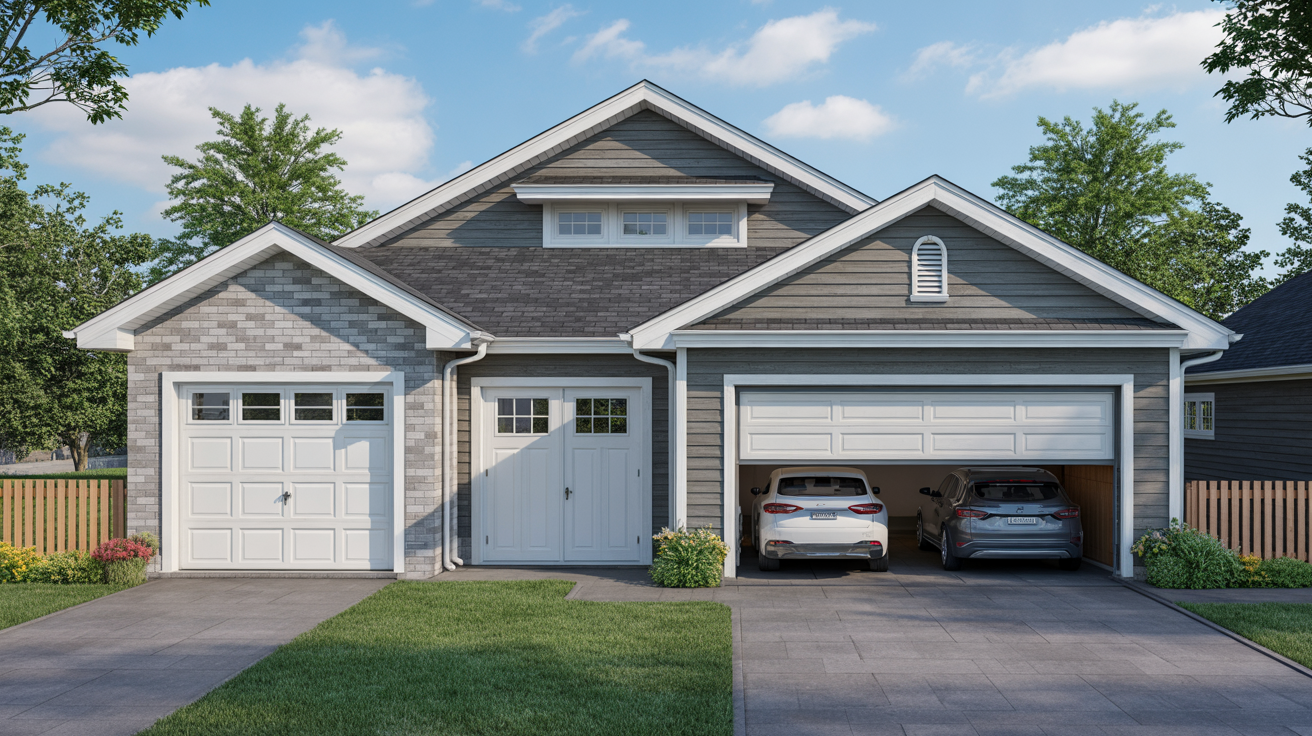
You can install one large double door or two separate single doors. One double door costs less and looks cleaner from the outside. Two single doors give you the option to open just one side when needed, which saves energy in climate-controlled garages.
The garage door opening size you choose affects how easily you can park two vehicles. Make sure to account for side mirrors and door swing space. Most experts recommend at least 16 feet of width to park two cars comfortably.
How to Measure Your Garage Door Opening?

Taking accurate measurements is critical before ordering a new door. Small mistakes can lead to expensive problems during installation.
Measuring the Rough Opening
Start by measuring the width at the widest point of your opening. Measure from the inside of one door frame to the inside of the other. Add 1 inch to each side for proper clearance.
For height, take measurements at three different spots across the opening. Use the smallest measurement to ensure your door will fit. This accounts for any settling or uneven surfaces in your garage structure.
Additional Measurements You’ll Need
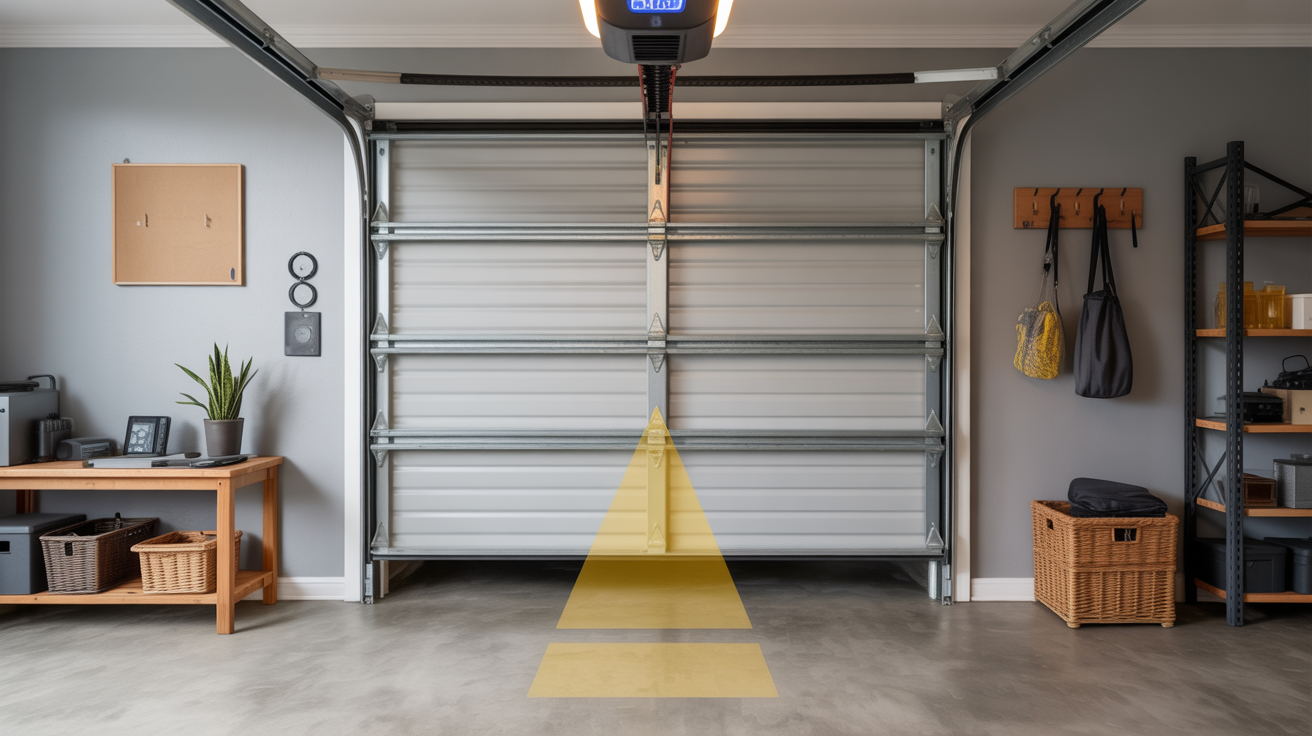
Check the side room on each side of the opening. You need 3¾ to 5½ inches of space for the door tracks and hardware. Without enough side room, the door won’t operate properly.
Measure the headroom from the top of the opening to the ceiling. Standard installations need 10 to 12 inches, plus an extra 3 inches if you’re adding an automatic opener. Also, check the backroom depth, which should be at least the door height plus 18 inches to allow the door to fully open.
Garage Door Heights Beyond the Standard
The standard 7-foot height works fine for most cars and smaller SUVs. But this height can be tight for larger vehicles, especially those with roof racks or cargo boxes. You might scrape the top of your vehicle or feel cramped entering the garage.
An 8-foot-tall door solves most clearance issues for full-size SUVs and pickup trucks. This extra foot makes a big difference in how the space feels. You’ll have room for roof-mounted accessories without worry.
For RVs, lifted trucks, or vehicles with tall roof racks, consider 9 or 10-foot doors. These custom heights cost more but may be necessary depending on what you drive. Measure your tallest vehicle before deciding on your garage door opening size.
Custom Garage Door Opening Sizes

Sometimes standard sizes just won’t work for your situation. Maybe you have an older home with unusual dimensions, or you need to fit an oversized vehicle. Custom doors can be built to almost any size you need.
RV owners and people with large work trucks often need custom sizing. These doors can be much wider and taller than standard options. You can order doors up to 10 feet tall or even higher with the right structural support.
Custom doors cost significantly more than standard sizes. The price difference comes from special manufacturing, shipping, and installation requirements. But if your garage opening size doesn’t match standard dimensions, custom is your only real option.
Factors to Consider When Choosing Your Garage Door Size
Before you decide on a size, think about what you need now and what might change later.
Consider these key factors:
- The types of vehicles you own now and might buy in the future
- How much storage space do you need inside the garage for tools, bikes, or other items
- How easy it is to pull in and out without hitting the door frame or sides
- Your budget for the project, since larger and custom doors cost more
- The type of garage door opener you’ll use and its lifting capacity
- Insulation thickness options, which range from 1/8 inch for uninsulated doors to 1½ inches for maximum efficiency
Standard sizes almost always cost less and install faster. But don’t sacrifice functionality just to save money upfront.
Conclusion
Choosing the right garage door opening size makes life easier every day. Single doors typically measure 9 feet by 7 feet, while double doors are usually 16 feet by 7 feet or 16 feet by 8 feet. These standard sizes fit most vehicles and cost less than custom options.
Always measure your opening twice before ordering. Check the width, height, and all clearance requirements carefully. Small measurement errors can cause big installation problems later.
Think about your future needs, too. If you might upgrade to a larger vehicle, choosing a slightly bigger door now saves you from replacing it later. For custom installations or if you’re unsure about sizing, talk to a professional garage door installer who can assess your specific situation.
Frequently Asked Questions
Can I Install a Larger Door in My Existing Garage Opening?
Yes, but it requires structural changes to your garage frame. You’ll need to modify the header, studs, and possibly the foundation. A professional contractor should evaluate the work needed and local building codes.
What’s the Difference Between Door Size and Opening Size?
The opening size is the actual space in your garage wall. The door panel is slightly smaller to allow for tracks, springs, and hardware. Factor in these clearances when measuring your garage door opening size.
Do I Use Different-Size Doors for Attached vs. Detached Garages?
No, standard garage door sizes work for both types. The dimensions remain the same whether the garage connects to your house or stands alone. Installation methods and weatherproofing might differ slightly between the two.
How Much Clearance Do I Need Around My Garage Door?
You need 3¾ to 5½ inches on each side for tracks. Headroom should be 10 to 12 inches minimum, plus 3 more for an opener. Backroom requires the door height plus 18 inches for safe operation.
Will a Standard-Size Door Fit My Oversized Truck or SUV?
Measure your vehicle’s height and width first, including mirrors and roof accessories. Standard 7-foot doors may be too short for lifted trucks or vehicles with roof racks. Consider 8-foot or taller doors for larger vehicles.