
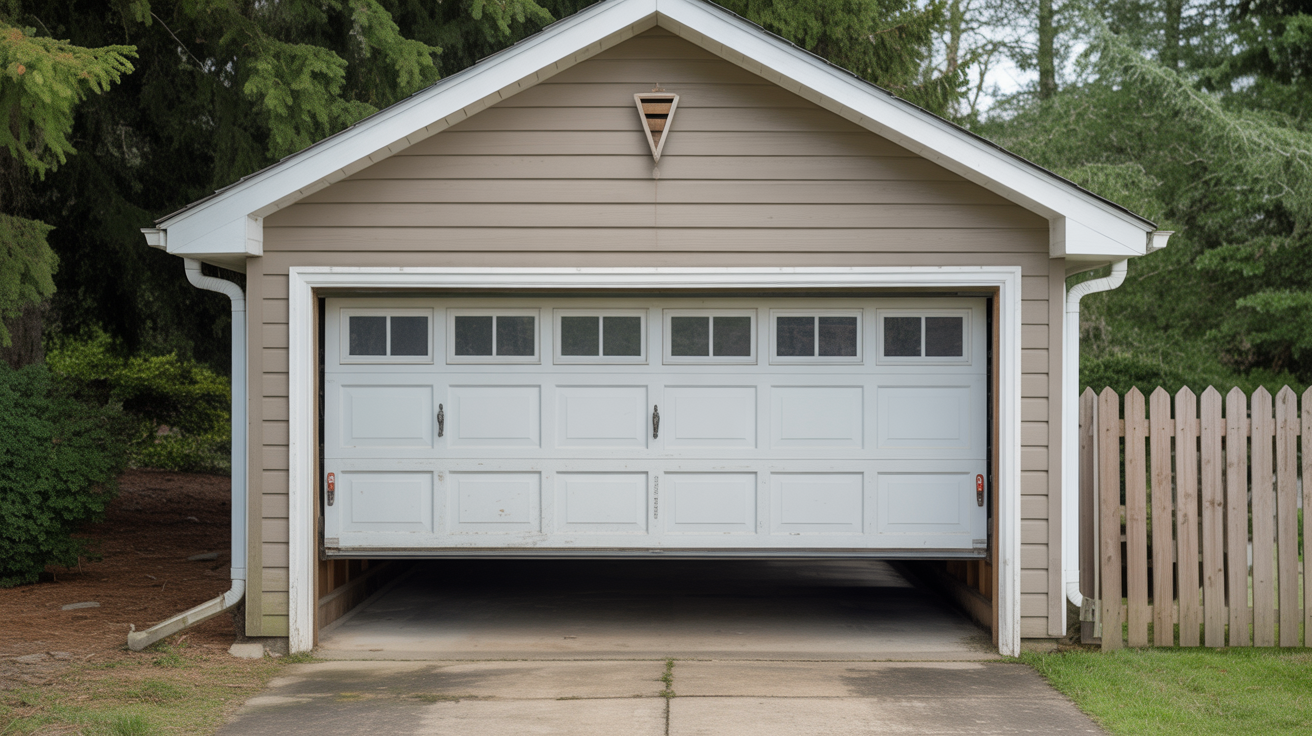
You walk into your garage, and something looks wrong. Your door sits at an odd angle, one side higher than the other. A garage door came off track, and you need to fix it now.
This problem happens more often than you think. The good news? Some cases are simple enough to fix yourself.
In this guide, you’ll learn how to put your door back on track step by step. We’ll cover what causes this issue and how to stop it from happening again. You’ll also learn when to call a pro instead of doing it yourself.
Safety First: Garage doors are heavy and can hurt you badly. If you see broken springs or cables, call a professional right away. Don’t risk it.
How to Fix a Garage Door That Came Off Track?
When your garage door comes off track, fixing it takes patience and care. Follow these steps to safely get your door working again.
Step 1: Stop Using the Door Immediately

The moment you notice your door is off track, stop pressing the button. Using the door in this condition makes the damage worse. The rollers can bend the tracks even more, and the metal parts can break completely.
Turn off your automatic opener right away. Unplug it from the wall outlet or flip the circuit breaker. This stops anyone from accidentally pressing the remote button while you work. Your door needs to stay completely still during the repair.
Step 2: Disconnect the Garage Door Opener

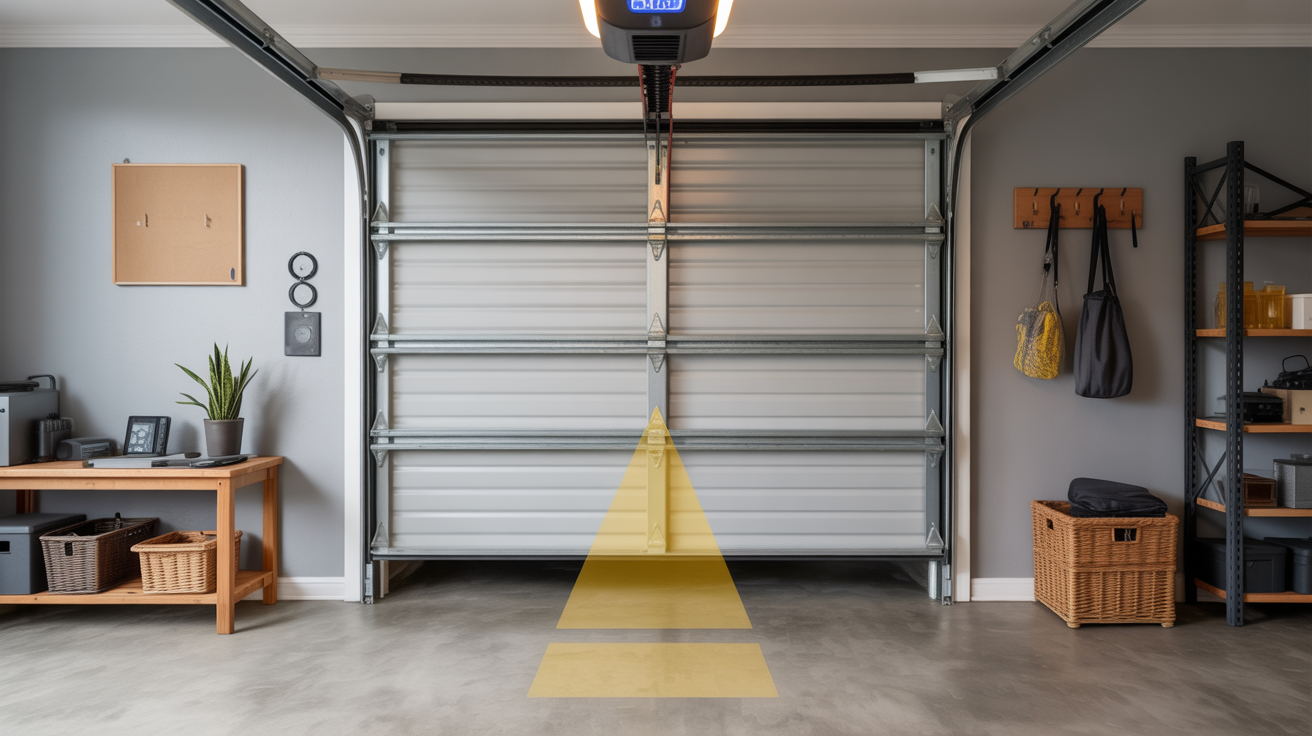
Find the emergency release cord hanging from the opener rail. It usually has a red handle. Pull this cord straight down to disconnect the trolley from the door. This puts your door into manual mode.
With the opener disconnected, you have full control over the door position. You can move it by hand without fighting against the motor. This makes the repair safer and easier to manage.
Step 3: Secure the Door in Place

Grab a pair of locking pliers or C clamps from your toolbox. Place them on the track just below one of the bottom rollers. This acts like a brake to hold the door in position.
Without this step, the door could slide down suddenly while you work. A falling garage door weighs hundreds of pounds and can cause serious injuries. Always secure the door before touching any parts.
Step 4: Inspect the Tracks and Rollers

Look carefully at both tracks from top to bottom. Check for gaps between the rollers and the track walls. You’ll usually see which roller popped out or where the track bent.
Run your hand along the track to feel for dents or warped sections. Check all the mounting brackets to see if any bolts came loose. Take note of everything you find wrong. This helps you know what needs fixing.
Step 5: Realign the Rollers

Use a pair of pliers to carefully open the track where the roller came out. Some tracks have a lip you can bend open slightly. Work slowly so you don’t crack the metal.
Guide the roller back into the track channel. Make sure it sits fully inside with the wheel rolling freely. Use the pliers to close the track opening back to its original shape. The track should hold the roller snugly without pinching it.
Step 6: Address Track Issues

For small dents in the track, tap them out using a rubber mallet. Place a block of wood against the dent and tap gently. Work from the outside of the track to push the metal back into place.
Tighten any loose bolts on the track brackets using a socket wrench. Check that the tracks align straight up and down. If you see severely bent tracks, broken springs, or damaged cables, stop here. These problems need a professional technician with proper tools and training.
Step 7: Lubricate and Test

Apply a silicone-based lubricant to all the rollers and tracks. Spray a thin coat on the hinges, too. This helps everything move smoothly and reduces wear on the parts.
Manually lift and lower the door several times. It should move easily without sticking or making grinding sounds. Test it at different heights. Only after the door works perfectly by hand should you reconnect the automatic opener.
Call a Professional If: You see broken springs, frayed cables, cracks in panels, or tracks that won’t straighten. These repairs need special tools and knowledge to be done safely.
Why Garage Doors Come Off Track?
Understanding why your garage door came off track helps you prevent it next time. Several common problems cause this frustrating issue.
Worn or Broken Rollers
Rollers don’t last forever. After years of opening and closing, the wheels wear down and crack. Plastic rollers break faster than metal ones, especially in cold weather.
When rollers wear out, they don’t roll smoothly anymore. They wobble and skip inside the track. Eventually, the worn roller can’t stay in the channel and pops out completely.
Damaged or Bent Tracks
Cars backing into the door are a common cause of bent tracks. Even a small bump can knock the track out of alignment. Sometimes, poor installation leaves tracks loose from the start.
The tracks need to stay perfectly straight and parallel. When they bend or twist, the rollers can’t follow the path correctly. This causes them to jump out of position.
Broken or Imbalanced Springs
Garage door springs balance the weight of the door. When one spring breaks, all that weight shifts to one side. This creates uneven pressure on the tracks and rollers.
The working spring pulls harder on its side while the broken side sags. This imbalance forces the rollers out of alignment. One side of the door rises faster than the other until something gives way.
Loose Hardware
Your garage door opens and closes hundreds of times each year. All this movement gradually loosens nuts and bolts. Track brackets can separate from the wall mounting.
When hardware comes loose, the tracks shift position slightly. Even a small shift changes how the rollers fit inside. Over time, this leads to a garage door coming off track situation.
Direct Impact on the Door
Accidents happen in busy garages. Someone might hit the door with a ladder, sports equipment, or a car bumper. These impacts can dent panels or knock rollers loose.
A strong collision can push rollers right out of the track. It can also bend the track itself or damage the mounting points. The door won’t work correctly until you fix the damage.
Prevention Tips to Keep Your Garage Door on Track
Stopping problems before they start saves you time and money. A few simple habits keep your garage door running smoothly for years.
Walk around your garage once a month and look at the tracks, rollers, and springs. Watch the door move up and down to spot any jerking or odd movements. Catching small problems early stops them from becoming big repairs.
- Clean the tracks every few months to remove dirt, leaves, and buildup
- Apply lubricant to all moving parts twice a year
- Tighten any loose bolts or nuts you find during inspections
- Have a professional service at your door once a year
- Never force the door if it sticks or makes strange noises
- Keep heavy items off the door and away from the tracks
- Fix unusual sounds or movements right away
Making these checks part of your routine takes just a few minutes. Regular care keeps your door working properly and helps you avoid the headache of repairs. A well-maintained door rarely has problems.
Conclusion
Dealing with a garage door that came off track can feel overwhelming at first. But now you know the steps to fix it safely. You also understand what causes the problem and how to prevent it.
Remember to always put safety first. Disconnect the power and secure the door before you start any repair work. Take your time with each step.
Some repairs are fine to do yourself, like realigning a single roller or tightening loose bolts. But serious issues like broken springs or badly bent tracks need a trained technician. Don’t take chances with dangerous repairs.
Keep up with regular maintenance checks, and your door should give you years of trouble-free service. A little attention now saves you from bigger problems later.
Frequently Asked Questions
Can I Use My Garage Door If One Roller Is Off Track?
No, never use a door that came off track. Continued use causes more damage to the tracks, rollers, and panels. It also creates a safety hazard for anyone nearby.
How Much Does Professional Garage Door Track Repair Cost?
Most track repairs cost between $150 and $350. The final price depends on how bad the damage is and which parts need replacing. Severely bent tracks or multiple broken rollers cost more.
How Long Does It Take to Fix a Garage Door Off Track?
A simple DIY fix takes one to two hours for beginners. Professional technicians usually finish in 30 to 60 minutes. Complex repairs with bent tracks or broken parts take longer.
What Tools Do I Need to Put a Garage Door Back on Track?
You need locking pliers, a socket wrench set, a rubber mallet, and lubricant. Safety glasses and work gloves protect you during the repair. A ladder helps you reach higher sections.
Is It Dangerous to Fix a Garage Door Track Myself?
Yes, garage doors can be dangerous. The door’s weight and spring tension can cause injuries. Only fix simple roller realignments yourself. Leave spring repairs, cable work, and major damage to professionals.