

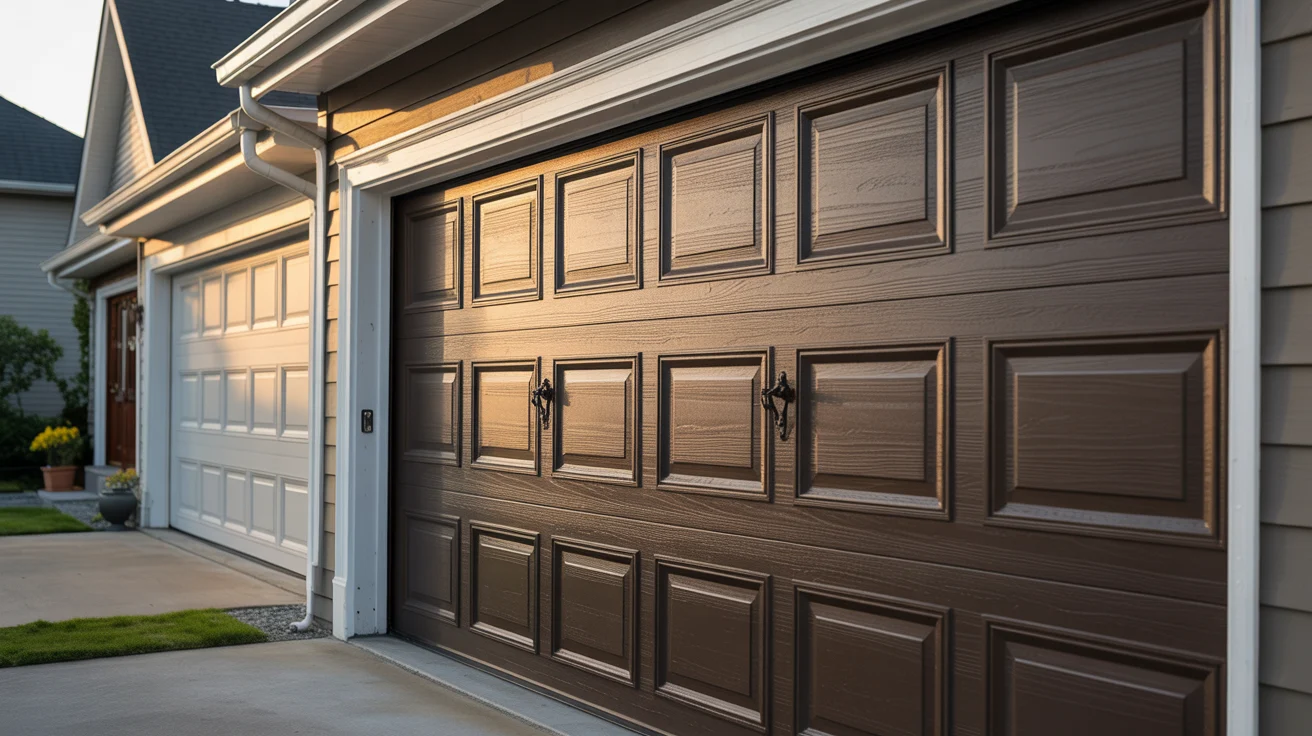
Your garage door covers a huge part of your home’s front. It’s one of the first things people notice when they look at your house.
A good door makes your home stand out. A bad one can hurt your home’s appearance and lower your property value.
What gives each garage door its own look? The panels. These sections define your door’s character and style.
Some panels stick out from the surface, some sink in, and others stay completely flat with no texture at all.
This guide covers all the different garage door panel types you can choose from. You’ll learn what each style looks like, how it performs, and which option might work best for your home.
By the end, you’ll know exactly what to look for. Let’s get started.
What Are Garage Door Panels?
Garage door panels are the horizontal or vertical sections that make up your door. Think of them as building blocks stacked together to create the complete door. Each panel connects to the others to form one working unit.
You’ll find these panels below any windows on your door. If your door has no windows, the panels make up the entire surface. They run from top to bottom or side to side, depending on the design you choose.
These panels do more than just look good. They protect your garage from the weather, provide strength to the door, and help with insulation. The type of panels you pick affects how your door looks and how well it works.
Main Types of Garage Door Panels
The market offers several garage door panel types to match different home styles and personal tastes. Each type has its own look and feel. Let’s break down the most common options you’ll see.
Raised Panels

Raised panels feature rectangular designs that stick out from the door’s surface. They look like someone carved or etched shapes into the door. These sections create depth and shadows that catch the eye.
This is the most popular style you’ll find on homes today. Raised panels work well with almost any house style, from older homes to newer builds. They give a classic, timeless look that many homeowners want.
Recessed Panels

Recessed panels work the opposite way from raised panels. Instead of sticking out, these designs sink into the door’s surface. The rectangles appear carved inward, creating an inlaid effect.
This style gives your garage a traditional feel with a modern twist. The sunken design adds interest without being too bold. Many people choose recessed panels when they want something between plain and fancy.
Flush Panels

Flush panels are completely flat with no bumps, dips, or patterns. The entire door surface stays smooth and even. There are no raised or sunken sections to break up the look.
This style fits perfectly with modern and minimalist homes. The clean, simple design lets other parts of your home stand out. Flush panels give a sleek, no-fuss appearance.
Carriage House Panels

Carriage house panels bring a rustic, old-world look to your garage. These doors often feature detailed designs that copy the style of old barn doors. You’ll see lots of trim and decorative elements.
Many carriage house doors include hardware pieces like handles, latches, and ring pulls. These details add character even if they don’t actually function. The style works great for homes with a country or cottage feel.
Specialty Panel Designs

Beyond the main types, you can find other garage door panel types with different textures. Ribbed panels use horizontal lines to break up a flat surface. Beadboard panels feature vertical lines that add detail. V groove panels have distinctive grooved textures cut into the surface.
Understanding Panel Configurations

The way panels are arranged on your door changes its overall look. You have choices in both size and direction. These options let you customize the door to match your style.
Long vs. Short Panels
Short panels create a bold, busy look. You might see four or more rectangles going across a single door section. This creates lots of visual breaks and patterns.
Long panels offer a calmer, more refined appearance. You typically see two rectangles across a single door. This gives cleaner lines and less visual noise. Your choice comes down to what you like better and what fits your home.
| Panel Type | Rectangles Across Door | Visual Effect |
|---|---|---|
| Short Panels | 4 or more | Bold and dynamic |
| Long Panels | 2 rectangles | Calm and refined |
Panel Direction Options
Most garage doors use horizontal panels that run from left to right across the door. This is the standard setup you see in most homes. The textures and patterns move sideways.
Vertical panels run from top to bottom instead. The textures move up and down the door. This can make your garage look taller and add a different visual style.
Herringbone panels sit at a 45-degree angle. The design creates a zigzag pattern across the door. This is less common but creates a striking look.
Garage Door Panel Materials
The material you pick for your door affects which garage door panel types you can choose. Different materials offer different design options. They also need different amounts of care and upkeep.
Wood and Wood Composite

Wood gives you the most style and customization options. You can paint it, stain it, or carve it into almost any design. Wood composite materials copy the look of real wood but cost less and need less care.
The downside is maintenance. Wood needs regular painting or staining to protect it from the weather. It can warp, crack, or rot if you don’t take care of it. Many people think the classic look is worth the extra work.
Steel Panels

Steel is the most popular material for garage doors today. It’s strong, lasts a long time, and needs very little maintenance. You can get steel in almost any panel style you want.
Modern steel doors resist dents better than older models. They come with factory finishes that protect against rust and fading. Steel offers the best mix of durability, looks, and low upkeep.
Aluminum Panels

Aluminum is much lighter than steel. This makes it easier to lift and puts less strain on your opener. The lightweight is especially helpful for larger doors.
Aluminum also resists corrosion very well. It won’t rust even in wet or salty climates. However, aluminum dents more easily than steel, so keep this in mind if you play sports near your garage.
Vinyl Panels

Vinyl panels will never rust because they contain no metal. The material naturally resists moisture and won’t corrode over time. This makes vinyl great for humid or coastal areas.
UV-resistant finishes protect the color from fading in sunlight. Vinyl needs almost no maintenance beyond occasional washing. The trade-off is fewer design options compared to wood or steel.
Fiberglass and Glass Panels

Fiberglass offers a lightweight and affordable option. It can mimic the look of wood without the high price or maintenance needs. However, it can crack or yellow over time.
Glass panels provide a modern, contemporary look. You get natural light in your garage, which many people love. The downside is limited design options. Glass works best for modern homes with simple, clean lines.
Choosing the Right Panel Type for Your Home
Picking the right garage door panel types for your home requires thinking about several factors.
Here’s what you should consider:
- Home Style: Traditional homes often look best with raised or recessed panels. Modern homes pair well with flush panels or glass designs. Your garage door should match the rest of your house.
- Climate and Insulation: Cold areas need good insulation to save energy. The panel material affects insulation more than the style. Look for insulated options if you live in extreme temperatures.
- Budget: Some materials and styles cost more than others. Wood and custom carriage house doors run higher in price. Steel and vinyl offer good value for the money.
- Lifestyle and Safety: Do you have kids who play ball near the garage? Pick a dent-resistant material. Want to boost your home’s curb appeal? Choose panels that make a statement.
- Impact on Curb Appeal: Your garage door affects how people see your home. Pick a style that adds value and looks good with your home’s design. The right choice balances looks, function, and cost.
Conclusion
Garage door panel types come in a wide variety. You can choose from raised, recessed, flush, carriage house, and specialty designs.
Each style brings its own look and benefits to your home. Some add depth and texture, while others keep things simple and clean.
The panels you pick affect both appearance and function. Think about your home’s style, your local climate, and your budget. Consider what maintenance you’re willing to do and how the door will hold up over time in your area.
Your garage door is a big investment that affects your home’s value. Take time to look at samples and compare different options. Talk to a professional installer who can answer your questions and show you what works best for your situation.
Ready to get started? Contact a garage door expert today.
Frequently Asked Questions
How Many Panels Does My Garage Door Need?
The number depends on your door’s opening style. Swing doors, bifold doors, and trifold doors all need different amounts. Most standard roll-up doors use four to eight panels. The number must be a multiple of how your specific door operates.
Can I Mix Different Panel Styles on One Door?
You can customize your door with different panel styles if you want. Some people mix raised and recessed panels for a custom look. Just make sure the design stays coherent and doesn’t look too busy or mismatched.
Do Panel Types Affect Garage Door Insulation?
The material affects insulation more than the panel style itself. Steel and wood composite panels can include insulation layers. The style (raised, flush, etc.) makes little difference to insulation performance. Focus on the material and insulation rating instead.
Which Panel Style Requires the Most Maintenance?
Material determines maintenance needs more than style. Wood panels need the most care regardless of whether they’re raised, recessed, or flush. Steel and vinyl need very little maintenance. The panel style itself doesn’t change how much upkeep you’ll do.
Can I Replace Individual Panels Without Changing the Entire Door?
Yes, you can replace single damaged panels in most cases. The new panel must match your existing ones in size, style, and color. Finding exact matches can be hard if your door is old or discontinued.