
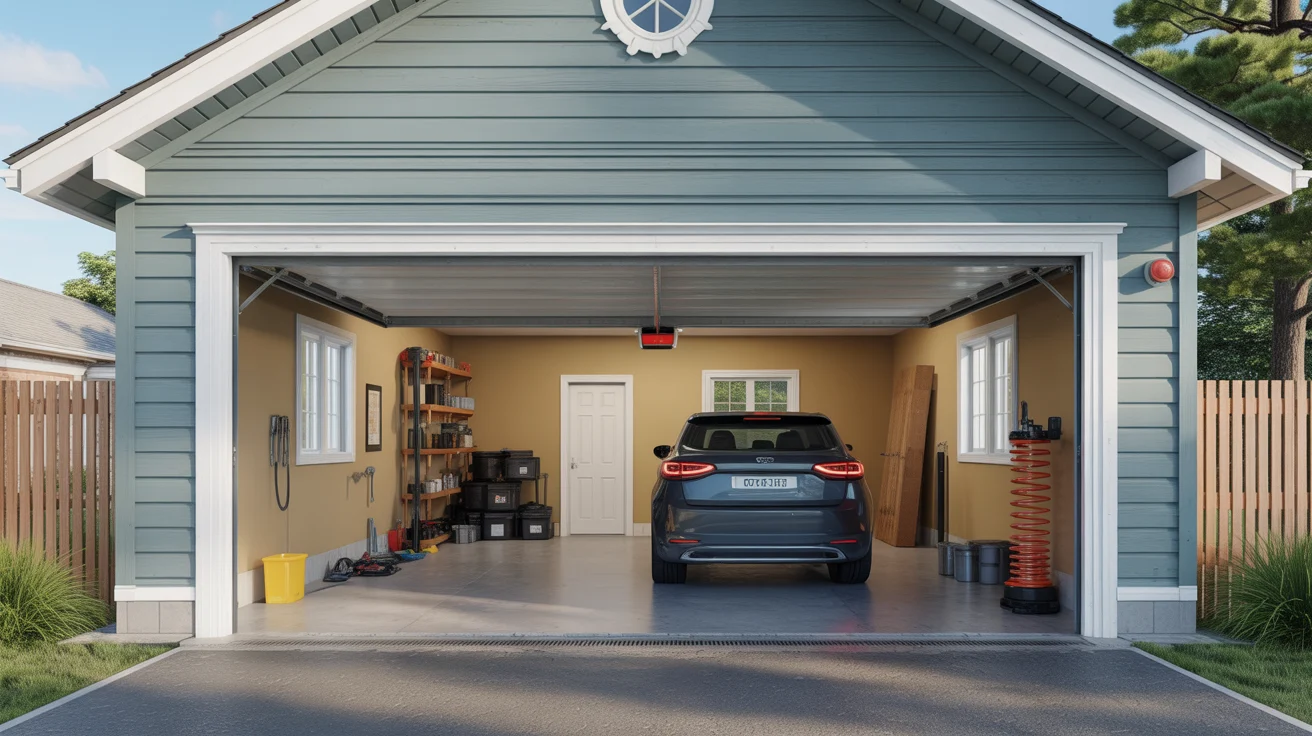
Your garage door opens and closes about 1,500 times each year. That’s a lot of wear and tear on one of your home’s largest moving parts. Without regular care, a simple problem can turn into an expensive repair bill or even a safety hazard.
A good garage door maintenance checklist can save you hundreds of dollars and keep your family safe. Regular upkeep helps your door last longer and work better. Most tasks take just a few minutes and don’t require special skills.
This guide gives you everything you need to maintain your garage door properly. You’ll learn which parts to check, how often to do it, and when to call for help. Let’s get started with simple steps that make a big difference.
Your Complete Garage Door Maintenance Checklist
Following a garage door maintenance checklist helps you stay on track with important tasks. These seven steps cover all the basics you need to keep your door in top shape.
Step 1: Inspect Door Panels and Tracks

Start by looking at your door panels for any dents, warping, or rust spots. These problems can get worse over time and affect how your door works. Check if the door moves evenly or if it jerks and tilts to one side.
Look at the metal tracks on both sides of your door. Make sure they’re straight and clear of dirt or debris. Small objects stuck in the tracks can stop your door from working properly and damage the rollers.
Step 2: Test Safety Features

Your garage door opener has safety features that protect people and pets. Place a box or roll of paper towels in the door’s path and try to close it. The door should reverse when it hits the object.
Check the photo eye sensors near the bottom of your door frame. These small sensors stop the door if something breaks the light beam between them. Clean them with a soft cloth and make sure they face each other directly. Test the emergency release cord to confirm it works.
Step 3: Check and Lubricate Moving Parts

Your door has many parts that need regular lubrication to work smoothly. Apply garage door lubricant to the hinges, rollers, and springs every six months. This reduces friction and prevents wear.
Use a product made specifically for garage doors, not WD-40 or cooking oil. Spray a light coat on each part and wipe away any excess. Too much lubricant attracts dirt and can cause problems instead of solving them.
Step 4: Inspect Weatherstripping and Seals

The rubber seal at the bottom of your door keeps out rain, snow, and pests. Press on it to check if it’s still flexible. Cracked or brittle seals need replacement.
Check the seals along the sides of your door, too. These strips fill the gaps between the door and frame. Replace any seals that show signs of wear before water and cold air get into your garage.
Step 5: Test Door Balance

A balanced door is easier for your opener to lift and lasts longer. Pull the emergency release handle to disconnect the opener. Lift the door halfway up by hand and let go.
The door should stay in place or move just slightly. If it falls or shoots up, the springs need adjustment. This is a job for professionals because springs hold dangerous tension.
Step 6: Tighten Hardware

Vibration from daily use can loosen bolts and brackets over time. Use a socket wrench to check and tighten all the hardware you can see. Pay special attention to the brackets that hold the tracks to the wall.
Only tighten accessible bolts and screws. Never touch the cables or try to adjust the springs yourself. These parts are under extreme pressure and can cause serious injuries if handled wrong.
Step 7: Clean the Door Surface

Keep your door clean to protect its finish and spot problems early. Use mild soap and water for most door materials. For wood doors, use a cleaner made for wood and check for areas that need fresh paint or stain.
Metal doors can develop rust if dirt holds moisture against the surface. Vinyl doors stay clean easily but can fade in bright sunlight. While cleaning, look for any damage you might have missed during your other checks.
When to Call a Professional?
Some garage door issues are too dangerous to handle on your own. Follow these key points to stay safe and ensure proper maintenance:
- Some garage door problems, like springs and cables, are too dangerous to fix yourself due to high tension.
- Call a trained technician immediately if you notice broken springs, frayed cables, or major damage.
- Professional tune-ups are worthwhile, even if nothing seems wrong, as technicians can spot hidden issues.
Annual inspections are recommended and often include adjustments and lubrication beyond basic maintenance. - Some warranties require professional service to stay valid, so always check your warranty terms.
Conclusion
A complete garage door maintenance checklist keeps your door safe, reliable, and long-lasting. The simple tasks covered here take less than an hour a few times a year. That small time investment prevents expensive repairs and keeps your door working smoothly for decades.
Set reminders on your phone or mark your calendar for spring and fall maintenance. Make it a habit, just like changing your smoke detector batteries. Your future self will thank you when your door keeps working perfectly year after year.
Remember that safety comes first. Handle the tasks you can do safely and call professionals for anything involving springs or cables. Start your maintenance routine today and enjoy peace of mind knowing your garage door is in great shape.
Frequently Asked Questions
How Often Should I Replace Garage Door Rollers?
Replace your garage door rollers every five to seven years with normal use. If you open and close your door more than average, check it yearly for wear and replace it sooner.
Can I Use Regular Motor Oil for Garage Door Lubrication?
No, motor oil is too heavy and attracts dirt. Use a silicone-based or lithium-based lubricant made specifically for garage doors. These products work better and stay cleaner.
What Temperature Is Too Cold for Garage Door Operation?
Most garage doors work fine in any temperature. However, metal parts contract in extreme cold below zero degrees Fahrenheit. Your opener may struggle in very cold weather without proper lubrication.
How Long Does a Typical Garage Door Last With Proper Maintenance?
A well-maintained garage door lasts 15 to 30 years. Wood doors may need more upkeep, but can last just as long. Regular care following a garage door maintenance checklist helps you reach the upper end.
Should I Disconnect My Garage Door Opener During a Storm?
Yes, unplug your opener during severe thunderstorms to protect it from power surges. Lightning strikes can damage the electronic components. Plug it back in when the storm passes.