

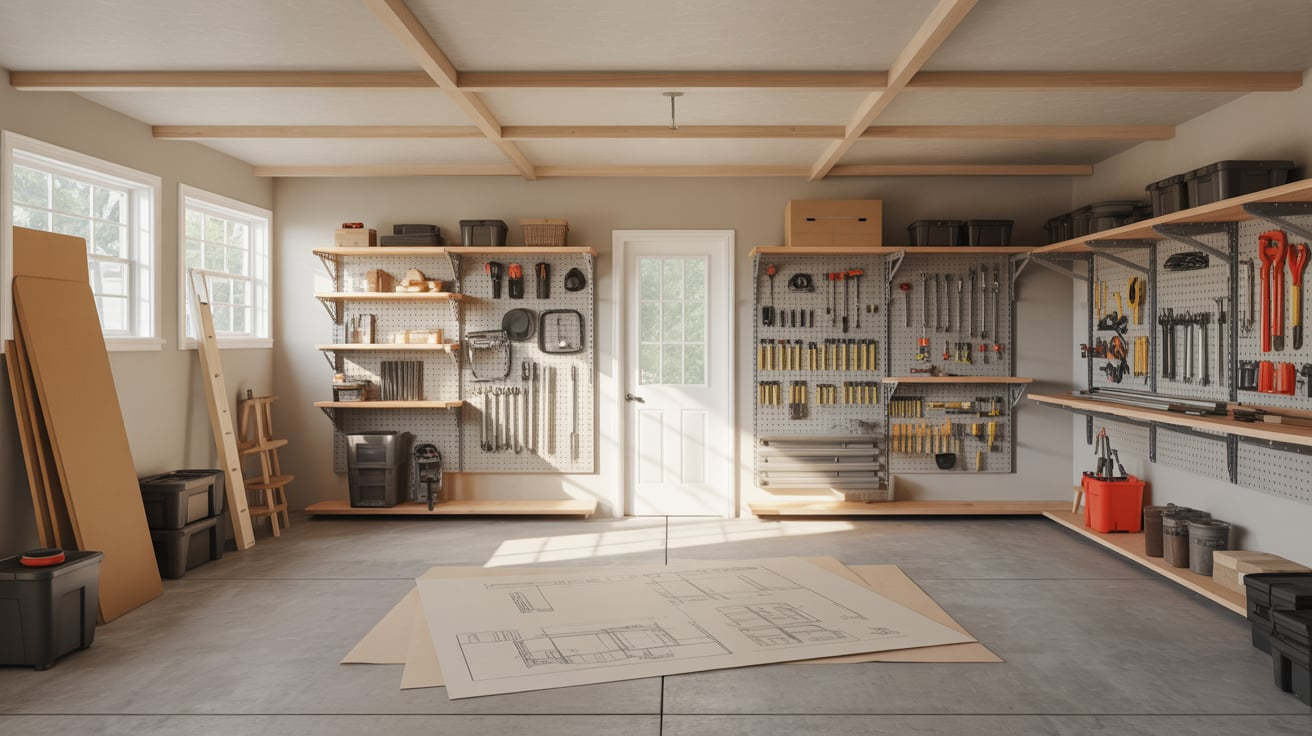
Running out of space in your garage? You’re not alone. Many homeowners find themselves needing more room for vehicles, tools, and storage. A garage expansion can solve these problems while adding real value to your home.
This guide covers everything you need to know about expanding your garage. We’ll talk about whether you can do it yourself or need professional help. You’ll learn about costs, permits, and building steps. Plus, we’ll share creative garage expansion ideas that fit different needs and budgets.
Making the right choice means understanding your options. Some projects work well for handy homeowners, while others require licensed contractors. Your budget and timeline also play major roles in deciding the best approach.
The right plan can turn your cramped garage into a functional space that serves your family for years to come.
Understanding Garage Expansion: DIY vs. Professional Installation
Before starting any garage expansion project, you need to know what you can handle yourself and when to call in the pros. This decision affects your budget, timeline, and final results.
| Aspect | DIY Suitable | Requires Professional |
|---|---|---|
| Skills Needed | Basic construction knowledge, ability to follow instructions, and physical fitness | Licensed expertise, specialized training, code knowledge |
| Site Work | Site preparation, clearing area, marking boundaries | Excavation on difficult terrain, drainage systems |
| Foundation | Simple gravel base for small sheds | Concrete slab pouring, pier foundations, and structural calculations |
| Construction | Interior finishing, painting, basic trim work | Structural framing, roof installation, load-bearing walls |
| Systems | Installing shelving, basic cabinet assembly | Electrical wiring, plumbing installation, and HVAC systems |
| Permits | Research requirements, submit paperwork | Engineering plans, code compliance verification, and inspection coordination |
| Timeline | Flexible, work at your own pace | Faster completion, weather-dependent scheduling |
| Cost | Lower labor costs, material expenses only | Higher overall cost, includes labor and expertise |
Most areas require permits for any structure over 200 square feet. Building codes mandate professional work for electrical, plumbing, and structural elements. Skipping permits can lead to fines and problems when you sell your home. Always check local regulations before starting your garage expansion ideas.
Steps for a DIY Garage Expansion Project
Taking on a garage expansion yourself requires careful planning and realistic expectations. Breaking the project into clear phases helps you stay organized and avoid costly mistakes.
Key steps include:
- Site preparation: Clear the area, mark boundaries, and ensure proper drainage
- Foundation work: Pour a concrete slab or prepare pier foundations based on your design
- Framing: Build walls and roof structure according to approved plans
- Exterior finishing: Install siding, roofing, doors, and windows
- Interior completion: Add insulation, drywall, electrical outlets, and lighting
After finishing construction, schedule final inspections. Keep all permits and inspection records with your home documents. This paperwork proves the work was done legally and helps with future home sales.
Garage Expansion Cost Breakdown
Understanding costs helps you budget properly and avoid surprises. Prices vary widely based on size, materials, and whether you choose traditional construction or prefab options.
Traditional Build Cost Factors
Traditional garage construction involves multiple cost layers that add up quickly. Foundation work ranges from $1.25 to $13 per square foot, depending on soil conditions and whether you need excavation. Concrete slabs cost less than crawl spaces or raised foundations.
Framing, roofing, and siding make up the bulk of your budget. Expect to pay $15 to $40 per square foot for these materials and labor. Garage doors run $400 to $3,000 each, depending on size and features. Windows and entry doors add another $500 to $2,000. Electrical and plumbing rough work costs $1,500 to $5,000 for basic setups. Single-cargarage (12×20 feet) typically costs $10,000 to $20,000. Two-car garages (20×20 feet) run $20,000 to $40,000. Three-car garages (30×20 feet) can reach $40,000 to $60,000 or more.
Prefab Metal Garage Alternative
Metal prefab garages offer significant cost savings compared to traditional builds. These structures arrive in panels ready for assembly, cutting labor costs dramatically.
A 12×20 metal garage costs $3,000 to $8,000, including materials and basic installation. Larger 20×20 models run $6,000 to $15,000. You still need a proper foundation, adding $1,500 to $4,000 to your total. The big advantage is speed. Most metal garages go up in one to three days compared to weeks or months for traditional construction.
Creative Garage Expansion Ideas
Thinking beyond basic parking opens up many possibilities for your garage space. These garage expansion ideas show how different designs serve various needs and lifestyles. Multi-Carr Garage Addition
Attached Garage with Breezeway

A covered breezeway connecting your garage to the main house creates a weather-protected path. You stay dry carrying groceries during rain or snow.
This design also adds architectural interest to your home’s exterior. The breezeway can include skylights for natural light and hooks for coats or bags.
Some homeowners add a small bench for removing muddy shoes before entering the house.
Workshop and Hobby Space

Dedicated workshop space lets you spread out projects without clearing everything away each night. Install a sturdy workbench along one wall with a pegboard above for tool organization.
Good lighting makes detailed work easier and safer. Add task lighting over work areas and general overhead lighting throughout.
If you work with wood, consider a dust collection system to keep the air clean. Many hobbyists insulate workshop garages for year-round comfort.
Above Garage Living Quarters

Building up instead of out maximizes your property’s potential. An above-garage apartment serves multiple purposes throughout its lifetime.
Start by using it as a guest suite for visiting family and friends. Later, convert the space into a home office for remote work.
The separation from your main house reduces distractions. Some homeowners rent out above-garage apartments for a steady monthly income. Check local zoning laws before planning this option, as some areas restrict rental units.
Garage with Integrated Mudroom
‘

A mudroom section in your garage creates a buffer zone between outside and inside. This transitional space catches dirt, mud, and wet weather gear before they enter your home.
Install hooks at different heights for coats, backpacks, and bags. Add a bench with storage underneath for shoes and boots. A small sink lets family members wash up after yard work or messy outdoor activities.
Home Gym Garage Conversion

Converting garage space into a home gym saves monthly membership fees and travel time. You can work out whenever it fits your schedule without waiting for equipment.
Plan for proper ventilation since exercise generates heat and humidity. Rubber flooring protects the concrete and reduces noise.
Install mirrors on one wall to check your form during exercises. Climate control makes winter and summer workouts more comfortable.
Outdoor Gear Storage Garage

Active families accumulate bikes, kayaks, camping gear, and sports equipment quickly. A garage designed for outdoor gear keeps everything organized and accessible.
Wall-mounted bike racks save floor space and prevent damage. Ceiling-mounted kayak hoists lift boats out of the way when not in use.
Add a utility sink for washing muddy hiking boots or rinsing camping cookware. Epoxy floor coatings handle wet gear better than bare concrete.
Entertainment Space Garage

Transform your garage into a party space for gatherings and game days. An open floor plan accommodates groups of various sizes.
Install a bar area along one wall with a small refrigerator and storage for glasses. Add comfortable seating like bar stools and a couch.
Large garage doors that open completely blend indoor and outdoor spaces during nice weather. This setup works great for watching sports, playing pool, or hosting casual get-togethers.
Detached Garage for Privacy

Building a separate garage away from your house offers benefits beyond parking. The physical distance isolates noise from power tools, car repairs, or band practice.
Vehicle fumes and strong odors from painting or woodworking stay out of your living space. A detached garage also provides a retreat space for focused work or hobbies.
The distance between structures can create attractive landscaping opportunities in your yard.
Eco-Friendly Garage Addition

Green building practices reduce your environmental impact while lowering utility costs. Solar panels on the garage roof generate electricity for your home or electric vehicle charging.
High-quality insulation keeps the space comfortable with less energy use. Choose sustainable materials like reclaimed wood, recycled steel, or low-VOC paints.
LED lighting uses a fraction of the electricity compared to old bulb types. Rainwater collection systems can water your garden while reducing runoff.
Combined Storage and Parking Solution

Maximizing every square foot requires smart storage solutions that don’t interfere with parking. Wall-mounted shelving systems hold bins and boxes while keeping the floor clear.
Overhead storage racks near the ceiling accommodate seasonal items you rarely access. Cabinet installations create closed storage that looks neat and protects contents from dust. This approach lets you park vehicles while still storing all your household items efficiently.
Design Considerations
Smart design choices make your garage expansion more functional and valuable. Planning these details upfront prevents expensive changes later.
Key planning points include:
- Square footage: Calculate based on vehicles plus storage needs
- Ceiling height: Standard 8 feet or taller for trucks and storage
- Door placement: Consider traffic flow and driveway access
- Windows: Natural light reduces electricity use
- Climate control: Heating and cooling for comfortable year-round use
- Water access: Useful for washing vehicles or future conversions
Getting these fundamentals right creates a garage that works well for decades. Professional architects can help optimize your design for local conditions and building codes.
Conclusion
Expanding your garage adds practical value and improves your daily life. The right approach depends on your budget, skills, and how you plan to use the space.
Consider which garage expansion ideas fit your property and needs best. Balance DIY tasks you can handle with professional work that requires licenses and expertise. Get multiple quotes from contractors and compare prefab options to traditional builds. Research different materials and construction methods before making final decisions.
Start with proper planning and permits to avoid legal issues. Take time to design a space that serves multiple purposes over the years. Your garage expansion can provide parking, storage, workspace, or even living quarters based on your current and future needs.
Smart planning today creates a garage that works perfectly for your family tomorrow.
Frequently Asked Questions
What is the typical ROI for a garage expansion?
Garage additions typically return 78 to 81 percent of their cost at resale. The exact return depends on your location, garage quality, and local market conditions. Attached garages generally provide better returns than detached structures.
How long does a garage expansion project typically take?
Traditional custom-built garages take 6 to 12 weeks from start to finish. Prefab metal garages are installed in 1 to 3 days. Timeline depends on size, complexity, weather conditions, and contractor availability. Permit approval can add 2 to 6 weeks.
Do I need insurance adjustments for a garage addition?
Yes, notify your homeowner’s insurance company about any garage expansion. Your property value increases, which affects your coverage needs. Most insurers require updated information within 30 to 60 days of completing construction to maintain proper protection.
What’s the best foundation type for garage expansions?
Concrete slabs work best for most garage projects. They cost less, install quickly, and provide a solid floor surface. Areas with poor soil may need pier foundations or grade beams. Your builder can recommend the right foundation based on local soil conditions.
Can I convert my garage expansion into living space later?
Many garage designs allow future conversion to living areas. Include proper ceiling height, insulation, and electrical capacity during initial construction. Check zoning laws about converting garages to living space. Some areas restrict this change or require special permits.