
Planning a new garage or updating your current one? One of the most important questions homeowners ask is, How deep is a garage? Getting this measurement right can make the difference between a cramped space and a functional area that serves your family for years.
The depth of your garage affects everything from daily parking to storage capacity. Too shallow, and you’ll struggle to fit your vehicle and walk around it comfortably. Too deep, and you might waste money on unnecessary space.
In this guide, you’ll learn the standard garage depth measurements, how to pick the right size for your needs, and what factors to consider before building or buying. We’ll cover different garage types and help you make the best choice for your home.
Standard Garage Depth Explained

When people ask how deep a garage is, the most common answer is 20 to 24 feet. This range works for most standard vehicles and gives you room to move around safely. Most building codes and contractors use these measurements as their baseline.
The absolute minimum depth for a garage is 18 feet. This creates a tight fit and leaves little room for storage or comfortable movement. You’ll have just enough space to park, but opening doors and accessing the trunk becomes tricky.
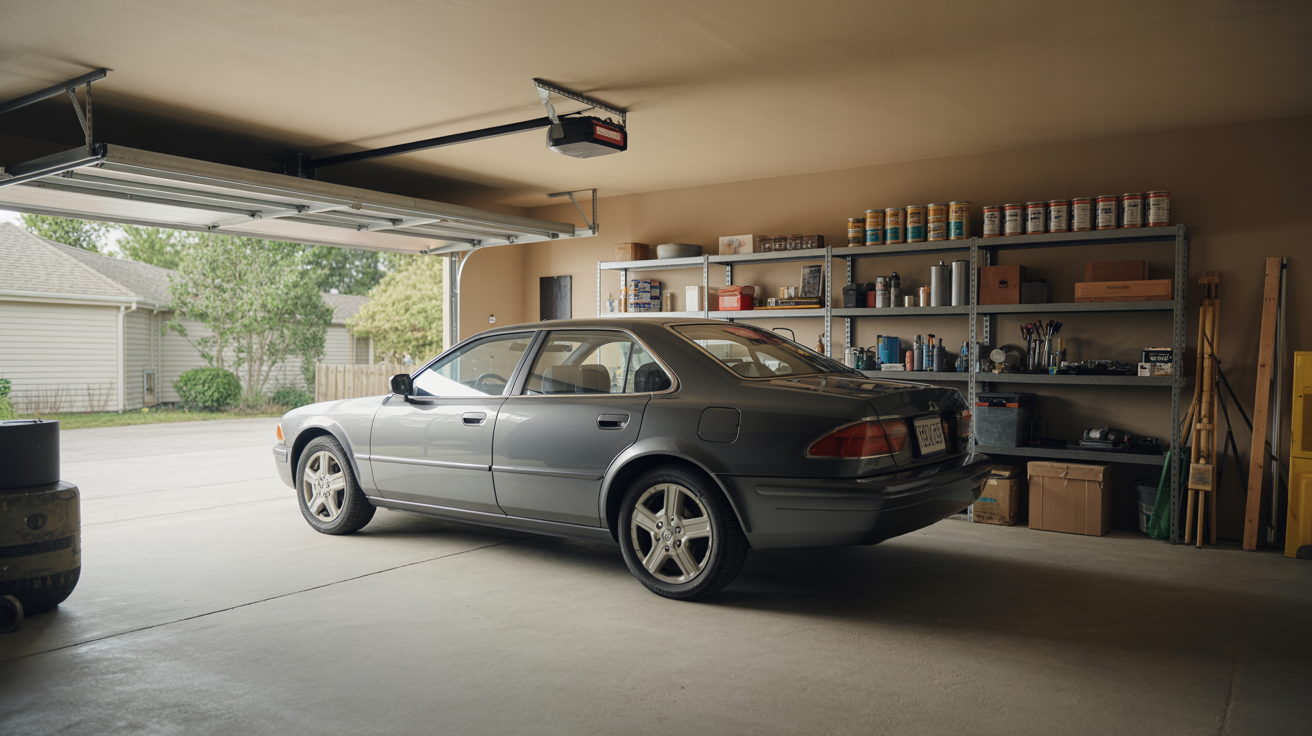
For better comfort, aim for 22 to 24 feet deep. This gives you space to park, walk around your car, and add some storage along the walls. The actual depth you need depends on how many cars you plan to park and what else you want to use the space for.
Garage Depth by Size and Type
Different garage sizes require different depths. Your needs will vary based on how many vehicles you own and their sizes.
One Car Garage Depth

A standard one-car garage measures 20 feet deep. This works for most compact cars and sedans, giving you basic parking space without extras. The typical dimensions start at 12 feet wide by 20 feet deep as the bare minimum.
For more comfort and storage, consider going 20 to 30 feet deep. The extra space lets you add shelving, keep sports equipment, or create a small workshop area. Many homeowners find that 24 feet provides the sweet spot between cost and function.
Two Car Garage Depth

Two-car garages typically start at 20 feet deep, though this can feel cramped. At this depth, you can park both cars, but have limited space for anything else. The standard width ranges from 20 to 24 feet across.
The recommended depth is 22 to 24 feet for comfortable daily use. This extra footage allows both drivers to open their doors fully and walk between vehicles easily.
You’ll also have room at the front or back for storage cabinets or a workbench.
Three Car Garage Depth

Three-car garages usually measure 22 feet deep as standard. This accommodates three vehicles side by side with basic clearance. The width typically ranges from 32 to 36 feet to fit all three cars.
The ideal depth stretches to 24 to 28 feet for better functionality. With three cars, you’ll appreciate the extra room for maneuvering and storage.
This size works well for families with multiple drivers or those who need significant storage space.
Four Car Garage Depth

Four-car garages need at least 20 feet of depth, though this is quite tight. These larger garages often measure 40 to 45 feet wide to accommodate all vehicles. Some designs use tandem parking, placing cars front to back instead of side by side.
For tandem layouts or added comfort, go 24 to 30 feet deep. Tandem parking requires more depth since vehicles park one behind the other. This design works well on narrow lots where you can’t build as wide.
Why Garage Depth Matters?

Getting your garage depth right affects daily life more than you might think. The wrong size creates frustration every time you park or try to access your belongings.
Vehicle Size Considerations
Full-size sedans measure under 15 feet long, making them easy to fit in most garages. These cars leave plenty of room in a standard 20-foot deep space. You’ll have several feet in front and behind for movement.
SUVs and minivans run 14 to 17 feet long, requiring similar space. Full-size trucks can stretch beyond 20 feet, especially newer models with extended cabs.
If you drive a large truck, you need to add extra depth or choose which end you want clearance on.
Remember that length is just one factor. You also need clearance on all sides for opening doors safely and walking around the vehicle. Most experts suggest at least 3 feet of space around your car for comfortable access.
Beyond Just Parking
Opening car doors requires surprising amounts of room. Front doors need about 2 feet to swing open fully, while back doors need slightly less. Without proper clearance, doors hit walls or other vehicles.
Walking around your car makes daily parking easier. You need space to carry groceries, help kids in and out, or load equipment. Cramped garages turn simple tasks into frustrating puzzles.
Front and rear access matters too. You should reach your hood for maintenance and your trunk for loading without gymnastics. Many people forget to plan for these areas when deciding how deep a garage is for their needs.
Factors That Determine the Right Depth for Your Garage

Choosing the right garage depth means thinking about more than just your current car. Several factors should guide your decision.
Consider these key points:
- Number and type of vehicles owned: Count all cars, trucks, or motorcycles you need to store. Compact cars take less space than trucks, so measure your longest vehicle first. Multiple vehicles might need tandem parking or extra width instead of depth.
- Storage requirements: Tool storage along walls typically needs 1 to 2 feet of depth. Seasonal items like holiday decorations, camping gear, and lawn equipment add up quickly. Overhead storage racks can save floor space but require enough height clearance.
- Additional workspace needs: Workbenches usually measure 2 to 3 feet deep and need clear space in front. Cabinets and counters for projects require a similar room. Hobby areas or workshop spaces might need 4 to 6 feet of dedicated depth.
- Future-proofing considerations: Your next vehicle might be larger than your current one. Family needs change as kids grow and start driving. Planning saves money compared to expanding later.
Think about how you’ll actually use the space daily. A garage that works on paper might feel cramped in real life if you haven’t accounted for everything.
Optimizing Your Garage Depth
Measuring carefully before building prevents costly mistakes. Start by measuring your longest vehicle from bumper to bumper. Add at least 3 to 4 feet to this number for comfortable clearance.
Walk through your daily routine mentally. Think about how you park, where you store items, and what activities happen in the garage. This helps identify needs you might otherwise miss.
If you’re stuck with a shallow garage, get creative. Wall-mounted storage systems, ceiling racks, and vertical organization can free up floor space. Sliding storage units let you access items behind your car when needed.
Sometimes going deeper than standard makes sense. If you run a home business, need a serious workshop, or have large vehicles, extra depth pays off. The added construction cost is usually less than building a separate shed later.
Conclusion
Understanding how deep a garage is helps you make smart choices about your home. The standard depth of 20 to 24 feet works for most people, but your specific needs might differ.
Take time to measure your vehicles and think about how you’ll use the space. Consider future needs, not just today’s situation. A few extra feet of depth can make your garage more useful for decades.
Don’t guess on measurements that affect your daily life and home value. If you’re building new or renovating, consult with contractors who can help you plan. Use online garage planning tools to visualize different layouts before committing.
The right garage depth makes parking easier, protects your vehicles better, and gives you the storage and workspace you need.
Frequently Asked Questions
Can You Fit A Full-Size Truck In A 20 Foot Deep Garage?
Most full-size trucks are 19 to 22 feet long. A 20-foot deep garage creates an extremely tight fit with almost no clearance. You’ll need at least 22 to 24 feet for comfortable parking.
How Much Space Do You Need Behind A Parked Car In A Garage?
Plan for at least 2 to 3 feet behind your car. This allows you to open the trunk or hatch comfortably and walk past. More space helps if you carry large items regularly.
Is 18 Feet Deep Enough For A Single Car Garage?
Eighteen feet is the bare minimum and only works for compact cars. You’ll have very limited room for movement or storage. Most people find 20 to 22 feet much more practical for daily use.
What Is The Ideal Garage Depth For Storage And Parking?
For good storage plus parking, aim for 24 to 28 feet deep. This allows your vehicle and 4 to 8 feet of storage or workspace. The extra room provides flexibility without feeling wasteful.
Do Attached And Detached Garages Have Different Depth Requirements?
No, attachment style doesn’t change depth needs. Both types require the same measurements based on your vehicles and storage needs. The main differences involve access points and building codes, not size.